
TL;DR

Get baking supplies delivered free with Prime
- Fast, free delivery on millions of items
- Prime Video, Amazon Music and more included
- Member-only deals all year
Pie, tart, and galette are all delicious pastries but differ in crust, shape, and presentation. Pies often have double crusts, tarts feature firm, shallow shells, and galettes are rustic, free-form creations. Knowing these differences helps you choose the right one for your baking goals.
Pies are characterized by double or top-bottom crusts, often baked in deep dishes and sliced like cake.
Tarts feature a firm, shallow crust with an open top, perfect for elegant presentations and precise slices.
Galettes are rustic, free-form pastries with folded edges, ideal for quick, casual baking and showcasing seasonal fillings.
Shape, crust style, and presentation significantly influence how each pastry looks, feels, and is served.
Choose your pastry based on occasion, time, and desired visual impact — each has its own charm and best use case.
What Exactly Is a Pie, and Why Is It Different?
A pie is a classic dessert or savory dish with a sturdy, often flaky crust that encases a filling. Think of apple or pumpkin pie — the kind you cut into slices like a cake. The defining feature? Its double crust or bottom crust, which holds in juicy fruits or hearty ingredients. Pies can be deep-dish or shallow, but they always have that solid, enclosing shell that makes each slice feel like a mini package of goodness. For example, a traditional apple pie uses a flaky butter crust that crisps up in the oven, creating that perfect contrast with the tender fruit inside.
Pie crusts are usually made with cold butter and minimal handling, resulting in a flaky texture that melts in your mouth. They’re baked in deep pans, which means fillings stay tucked inside, making each bite satisfying and substantial. If you’ve ever bitten into a slice and heard that satisfying crunch, you’ve experienced the magic of a well-made pie crust.
Why does this matter? The double crust or enclosed shell creates a barrier that traps moisture and flavors, which can intensify the filling’s taste and ensure the filling stays contained. However, this also means more steps in preparation and a need for careful handling to prevent a tough crust. The tradeoff is a rich, satisfying bite that’s both texturally and visually appealing, making pies ideal for special occasions or when you want a dessert that feels substantial and impressive.
Products Worth Considering

Cuisinart PerfecTemp Electric Kettle, 1.7 L, 1500 W, 6 Temperature Settings

Instant Pot Duo Crisp Ultimate 6.5-Quart 13-in-1 Pressure Cooker and Air Fryer

Le Creuset Signature Enameled Cast Iron Round Dutch Oven, 5.5 qt, Deep Teal
As an affiliate, we earn on qualifying purchases.
What Makes a Tart Stand Out From a Pie?
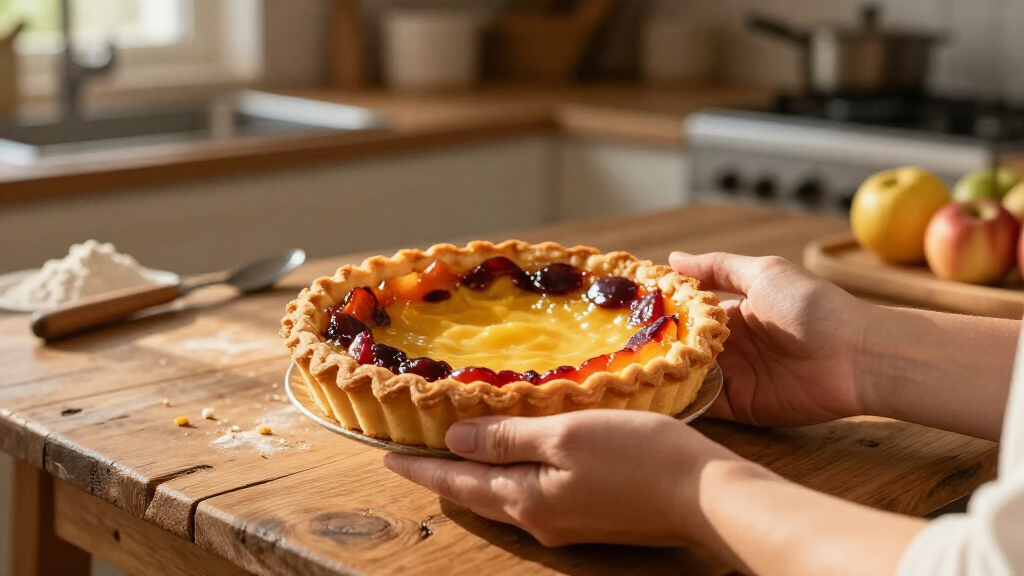
A tart is all about that crisp, sturdy crust and open-top elegance. Unlike a pie, it has a shallow, straight-sided crust — often baked in a tart pan with a removable bottom. The crust is typically crumbly or shortcrust, providing a firm base that holds a variety of fillings, from silky custards to vibrant fruit medleys or savory quiches. Imagine a lemon tart with its shiny, smooth filling nestled in a golden, crumbly shell — that’s the tart’s signature look and feel.
The key? The crust’s thickness and firmness. It’s baked separately or together with the filling, resulting in a neat, sliceable piece that looks polished. Tarts are often served as a dessert or an elegant appetizer, perfect for making a visual impact on your table.
Why is this important? The tart’s crust is engineered to be sturdy yet delicate, providing a crisp bite that contrasts beautifully with smooth or luscious fillings. This balance of texture and presentation elevates the dessert from simple to sophisticated. The tradeoff? Tarts require precise crust handling and blind baking, which can be more time-consuming but ultimately results in a more refined appearance and texture. The structure also allows for more intricate decoration and presentation, making tarts ideal for impressing guests or creating a centerpiece.
What Is a Galette, and Why Is It So Rustic and Charming?
A galette is the laid-back sibling in the pastry family. It’s a free-form, rustic pastry where the dough is rolled out into a rough circle, then filled with fruit or savory ingredients. Instead of a rigid shell, you fold the edges over the filling, creating a naturally imperfect, charming look. Think of a golden, slightly crinkled apple galette with juices bubbling at the edges — it’s all about that relaxed, homemade vibe.
The crust is similar to a tart’s but less precise. It’s rolled out, filled, and folded — no need for perfection. This makes galettes a quick, forgiving option for spontaneous baking or when you want that rustic aesthetic. They’re ideal for showcasing seasonal fruits or vegetables, and their irregular edges tell a story of honest, imperfect beauty.
Why does this matter? The informal style of a galette emphasizes ease and comfort. It allows bakers to focus on flavor and seasonal ingredients without worrying about perfect edges or intricate design. The tradeoff? The rustic look might not suit formal occasions but shines in casual settings. It’s also a flexible technique that can adapt to various fillings and shapes, making it accessible for bakers of all levels. The charm lies in its imperfection—each one is unique, and that authenticity is what makes galettes so appealing.
How Do Their Shapes and Crusts Affect Presentation and Serving?
Shape and crust style dramatically influence how each pastry is served and enjoyed. Pies are typically round, sliced like a cake, with a double crust or top lattice. They’re often served in wedges, perfect for family dinners or holiday feasts. Tarts are also round but have a shallow, smooth edge and are cut into neat wedges or squares, making them look refined and elegant. Think of a beautifully glazed lemon tart on a fancy plate.
Galettes, by contrast, are usually free-form circles or irregular shapes. Their edges are folded over the filling in a rustic, uneven manner. When sliced, they have a charming, casual appearance, perfect for a casual brunch or outdoor picnic. The relaxed shape invites a sense of homemade comfort, even when served on a fancy platter.
Why does this matter? The shape and crust style set expectations for the eating experience. A pie’s structured form offers a sense of order and tradition, ideal for formal settings. A tart’s clean lines convey sophistication, suited for elegant gatherings. The galette’s casual, imperfect shape emphasizes approachability and rustic charm, making it perfect for relaxed occasions. These visual cues influence not only presentation but also the perceived effort and occasion suitability, guiding how you serve and enjoy each pastry.
Quick Comparison Table: Pie, Tart, and Galette
| Feature | Pie | Tart | Galette |
|---|---|---|---|
| Crust type | Flaky, flaky or double crust | Firmer, crumbly or shortcrust | Relaxed, hand-folded crust |
| Shape | Round, deep or shallow | Round, shallow, smooth sides | Round or irregular, free-form |
| Filling | Juicy fruits, custards, savory | Custards, fruits, savory (quiches) | Fruits or vegetables, rustic |
| Serving style | Sliced into wedges, cake-like | Neat wedges or squares | Rustic slices, folded edges |
| Preparation time | Moderate, can be time-consuming | Moderate, needs precise crust | Quick, forgiving, spontaneous |
Choosing the Right Pastry for Your Mood and Occasion
Want a dessert that looks polished and feels elegant? Go for a tart. Planning a cozy, hearty meal? A pie might be your best bet. Need something quick and charming for a picnic or casual gathering? A galette fits perfectly. Each offers a different vibe — the key is matching your mood, skill level, and the occasion.
For example, if you’re entertaining guests and want a neat presentation, a tart with a glossy fruit topping or smooth custard can impress. If you’re whipping up something in a rush, a rustic galette with seasonal berries looks lovely and needs minimal fuss. Pies are versatile for everything from holiday feasts to everyday comfort food.
Choosing the right pastry isn’t just about aesthetics; it affects the overall experience. A tart’s refined structure elevates special occasions, while a galette’s casual charm makes it approachable and fun to make. Pies offer comfort and tradition, making them suitable for family gatherings. Recognizing these nuances helps you select the perfect pastry to match your intent and impress your guests.
Tips to Master Each Pastry and Make Them Shine
- Use cold butter and minimal handling for flaky crusts in pies and tarts.
- Don’t overwork the dough — it keeps crust tender and flaky.
- For a tart, line the pan with parchment and weigh the crust during blind baking for crispness.
- In a galette, don’t worry about perfect edges; rustic charm is part of the appeal.
- Experiment with fillings — berries, stone fruits, custards, or vegetables — and find what suits your taste.