TL;DR

Get baking supplies delivered free with Prime
- Fast, free delivery on millions of items
- Prime Video, Amazon Music and more included
- Member-only deals all year
A soft, pull-apart brioche loaf depends on well-developed gluten, softened butter added gradually, and enough time to rise. Shape the dough into snug pieces, bake until the center reaches about 190°F (88°C), and let the loaf cool before pulling it apart.
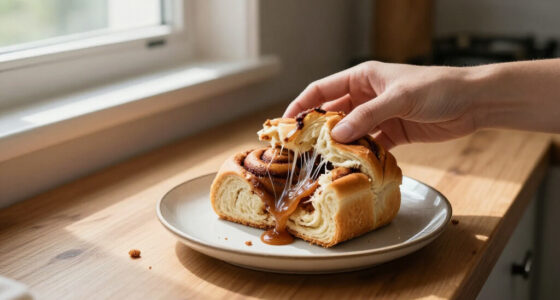
A brioche loaf can look beautifully bronzed on top and still hide a soft, stringy center that pulls apart in warm, buttery pieces. That texture doesn’t come from one secret ingredient. It comes from strong dough structure, patient butter mixing, and enough time for the dough to rise.
Brioche is a rich French yeast bread made with ingredients such as eggs and butter, which give it a tender crumb and fuller flavor than lean breads like baguettes. Here, you’ll learn what the dough should look and feel like at each stage, how to shape it for pull-apart pieces, and what to do if it turns sticky, greasy, or slow to rise.
You’ll also get practical checks for baking and storage, so the loaf stays soft rather than dry or gummy. If you’ve ever added flour to sticky dough and ended up with a heavy loaf, this guide will help you avoid that familiar detour.
Build gluten before adding softened butter, then mix in the butter gradually.
Treat brioche dough as naturally tacky; avoid adding flour by the handful.
Judge both rises by visible puffiness and dough response, not a fixed timer alone.
Use an instant-read thermometer when possible; many enriched loaves finish near 190°F (88°C) at the center.
Cool the loaf fully before slicing, and freeze extra portions rather than refrigerating them.
What makes brioche soft enough to pull apart?
A soft, pull-apart brioche loaf starts with enriched yeast dough: flour and yeast combined with eggs, butter, and often milk or sugar. Those rich ingredients give the bread a tender crumb, while kneading builds the gluten structure that holds the dough’s bubbles and lets the baked loaf separate in soft strands.
The phrase “brioche is a” useful shorthand for a rich French yeast bread, but the word “rich” doesn’t mean the process is difficult. It means the dough behaves differently from a lean loaf. A baguette dough may feel springy and relatively firm; brioche often feels tacky, soft, and a little unruly before the gluten develops.
That stickiness tempts many bakers to reach for extra flour. Try to resist adding it by the handful. Too much flour can make the crumb dry and dense, while continued mixing gives the dough a chance to become smoother and more elastic. For example, if the dough clings to the mixer bowl at first but gradually gathers into a glossy mass, that change is a good sign.
The bread known for its buttery tenderness needs both richness and structure. Think of gluten as a fine net: it catches the gas yeast produces, helping the loaf rise instead of spreading into a heavy block. The soft crumb comes from balancing those two parts, not from making the dough firm by force.
In everyday baking, the ingredients work together rather than taking turns. Eggs add richness and moisture; butter softens the crumb; yeast lifts the dough; and gluten helps it hold its shape. When the loaf cools, that structure sets around the airy interior. You get a crust that gives way to a pillowy middle, rather than a fragile mass that collapses as soon as you tear off a piece.
Sticky dough is not automatically bad dough. In brioche, a soft, tacky feel is normal; patience and mixing usually help more than a heavy dusting of flour.
Products Worth Considering

KitchenAid Classic Series 4.5-Quart Tilt-Head Stand Mixer, Onyx Black

KitchenAid Artisan 5-Quart Tilt-Head Stand Mixer, KSM150PS, Almond Cream

Instant Pot Pro 8 Qt 10-in-1 Electric Pressure Cooker, Black
As an affiliate, we earn on qualifying purchases.
How to mix brioche without ending up with greasy dough
For a soft, pull-apart brioche loaf, build some gluten before adding butter, then mix in softened butter a little at a time. This order helps the dough develop structure before the fat coats the flour, which can otherwise make it harder for gluten to form.
- Mix the flour, yeast, eggs, and other recipe liquids until a rough dough forms. Use the ingredient order and yeast instructions in your chosen recipe.
- Knead until the dough starts to look elastic. It may still feel tacky, but it should begin to stretch rather than tear immediately.
- Add softened butter gradually, a small piece at a time. Let each addition work into the dough before adding the next.
- Keep mixing until the dough looks smooth and cohesive. If it turns oily or slack, pause and chill it briefly before continuing.
Butter should feel soft enough to press with a finger, not liquid or shiny with melted edges. If your kitchen is warm and the butter smears across the bowl, the dough can become greasy and difficult to gather. A short chill can firm it up; then resume mixing without correcting the texture with extra flour.
A stand mixer makes long kneading easier, but it isn’t required. By hand, use a dough scraper to lift and fold the sticky dough on a cool work surface, and expect the process to take effort. For instance, a baker mixing by hand may need to pause for a brief rest when the dough feels slippery; that break can make it easier to handle without changing the recipe.
Measure flour by weight if your recipe gives grams. Scooping flour directly from a bag can pack extra into a cup, and even a modest excess can shift a rich dough toward dry and heavy. The dough should become smoother and more elastic as you work. It doesn’t need to feel like a firm dinner-roll dough to be ready.
How long to let brioche rise—and what to look for
A brioche loaf rises when it looks noticeably larger and puffy, not just when a timer rings. Butter, eggs, and sugar make enriched dough slower to rise than many lean bread doughs, so a cool kitchen or sleepy yeast can stretch the schedule.
Use time as a guide, but trust what you see. Mark the dough’s starting level in a lightly greased bowl if that helps you judge its growth, and keep it away from drafts. In a cool kitchen, dough that seems quiet after an hour may simply need more time; rushing it into shaping can leave the baked loaf dense.
After the first rise, a refrigerator rest is optional but useful. Chilling the dough firms the butter and makes shaping easier, and the slow rest can develop flavor. If you make the dough in the evening and refrigerate it overnight, allow extra time after shaping for the chilled pieces to become puffy before baking.
Proofing after shaping matters just as much. The dough should look swollen and airy in the pan, and a gentle fingertip press should spring back slowly rather than immediately. If it snaps back at once, it likely needs more time; if the dent stays and the dough seems fragile, it may have gone too far. For example, a loaf shaped straight from the refrigerator may need a longer final proof than one shaped at room temperature.
There is no single rise time that fits every kitchen. Room temperature, dough temperature, yeast activity, and loaf size all affect the pace. A warm spot can speed things up, but avoid placing dough somewhere hot enough to soften the butter or make the surface greasy. Watch for growth and feel, and let the dough set the pace.
How to shape the loaf for soft, pull-apart pieces
To create the classic pull-apart look, divide the dough into small, even portions and arrange them snugly in a greased loaf pan. As the pieces proof and bake, they rise together but keep natural seams, so you can tear off a tender piece without cutting the whole loaf.
After the dough has had its first rise, turn it onto a lightly floured surface and divide it according to your recipe. Shape each portion into a smooth ball by tucking the edges underneath. Set the balls in the pan with a little room between them; they need space to expand, but shouldn’t sit far apart once proofed.
A single shaped log also works, but it gives you a more continuous crumb and a different look. For a family breakfast, the separate rolls make it easy for everyone to pull off a piece. For neat slices to toast, a log shape may suit you better. That choice changes the loaf’s appearance and how it separates, not whether the dough can be soft.
Grease the pan well, and consider lining its base with parchment. Brioche’s butter content doesn’t guarantee a clean release, especially where dough presses into the corners. If you’ve ever watched a beautiful loaf lose its bottom when you lift it out, a properly greased pan and parchment strip can save the day.
Egg wash is optional but gives the top a glossy, deep-golden finish. Brush it lightly over the risen dough rather than letting it pool between the pieces. If your loaf is dairy-free or egg-free, choose a recipe designed for those substitutions; changing the enrichment can affect the texture and browning, so a direct swap may not behave the same way.
How to bake brioche without drying it out
A brioche loaf is done when its center is baked through, not simply when the crust looks brown. Egg wash can make the top turn a deep gold before the middle finishes, so an instant-read thermometer gives you a more useful check than color alone.
Many enriched loaves finish baking around 190°F (88°C) in the center, though loaf size and recipe details can shift the timing. Insert the thermometer into the middle of the loaf without touching the pan. If the crust is already dark but the center hasn’t reached doneness, tent the top loosely with foil and continue baking.
For example, a tall loaf in a deep pan may brown quickly at the crown while the center still feels soft and underbaked. Foil slows the browning without stopping the bake, giving heat time to reach the middle. Follow your recipe’s oven temperature and start checking near the end of its suggested range; pans and ovens vary.
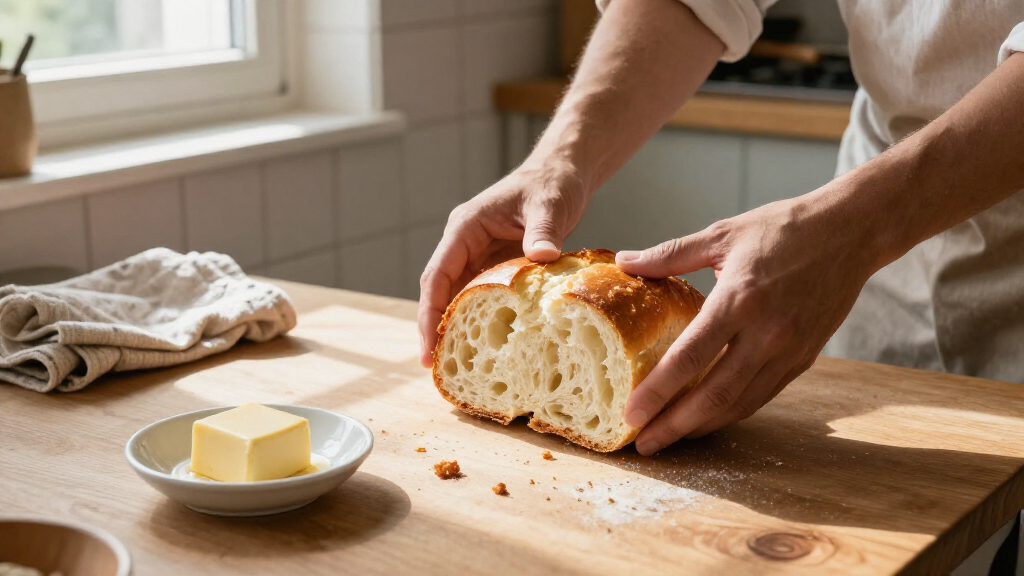
Once baked, let the loaf cool before slicing or pulling it apart. The crumb continues to set as the bread cools, so tearing it open while it is piping hot can make the inside seem gummy or compress the soft texture. Waiting may be the hardest part when the kitchen smells of butter and warm bread, but it pays off in cleaner strands.
If you don’t own a thermometer, use several cues together: a well-browned surface, a loaf that releases from the pan, and a center that feels baked rather than doughy. Those signs are less exact than an internal temperature reading. A thermometer is a practical tool, not a promise that every loaf follows one identical schedule.
What to do when your brioche turns dense, sticky, or greasy
A dense brioche loaf usually points to under-kneading, under-proofing, or too much added flour; greasy dough often points to warm butter or butter added too quickly. Check the dough’s texture and rise at each stage, because those clues help you fix the process instead of guessing after the loaf comes out.
If the dough stays lumpy and tears rather than stretching, keep kneading before you add more flour. If it barely grows during proofing, check that the yeast is fresh and give it more time, especially in a cool room. A loaf that feels heavy after baking may simply have gone into the oven before the dough had enough air in it.
When the dough looks oily or slides around the bowl, pause the mixer and chill it briefly. Then continue mixing at a moderate pace, giving the butter time to work in. Don’t dump in several handfuls of flour to make it easier to handle: that shortcut can turn an already rich loaf dry and tight.
A dry loaf may have baked too long or taken on excess flour during mixing. Weighing ingredients and checking the center with a thermometer can help separate those causes. If the loaf browns too quickly, foil can protect the crust while the middle finishes baking.
Finally, if the loaf sticks, check the pan preparation rather than blaming the dough. Grease the sides and corners and line the base with parchment if needed. These fixes are small, but they address the most common frustrations: a compact crumb, a slick dough, a dark crust, or a loaf that leaves half its bottom in the pan.
- Dense crumb: Check kneading, proofing, yeast freshness, and flour measurement.
- Greasy dough: Chill briefly and add butter more gradually next time.
- Fast browning: Tent with foil while the center finishes baking.
- Gummy center: Check doneness and cool the loaf before slicing.
How to store brioche and make leftovers worth keeping
Keep fully cooled brioche well wrapped at room temperature for a short period, or freeze it for longer storage. Refrigeration can make bread stale faster, so it usually isn’t the best place for a loaf you plan to eat over the next few days.
Let the loaf cool fully before wrapping it, since trapped steam can soften the crust and leave the surface damp. Wrap it snugly or store it in an airtight container, then pull off pieces as you need them. If you’ve baked for a weekend breakfast but know you won’t finish the loaf, freeze part of it once cool rather than letting it dry out on the counter.
To freeze, wrap the bread well and place it in a freezer-safe bag or container. You can freeze the whole loaf or slice it first for easy portions. Thaw at room temperature, or toast slices straight from frozen if you want a quick breakfast with crisp edges and a soft center.
Leftover brioche works especially well in French toast and bread pudding because its rich crumb absorbs custard without disappearing into mush when handled gently. You can also toast it for sandwiches or cut it into cubes for croutons. A slightly stale piece that seems disappointing plain can become a golden, custardy slice in a pan.
Because brioche commonly contains wheat, eggs, and dairy, flag those allergens when sharing the loaf. If you need an egg-free or dairy-free version, use a recipe written for that purpose; the loaf may have a different flavor and texture from traditional brioche. Store any prepared foods made with it according to the ingredients and recipe, especially if you add perishable fillings or custard.
Frequently Asked Questions
Why is my brioche dough so sticky?
Brioche dough is naturally soft and tacky because it contains eggs, butter, and often milk or sugar. Kneading and a short chill can make it easier to handle; adding too much flour may make the loaf dry or heavy.
Can I make brioche without a stand mixer?
Yes. Knead by hand on a cool surface and use a dough scraper to lift and fold the sticky dough. It takes more effort than using a mixer, but the dough can still become smooth and elastic.
Can brioche dough rise overnight in the refrigerator?
Often, yes. A cold rest firms the butter and can make the dough easier to shape, while giving it time to develop flavor. After shaping, allow extra time for the chilled dough to become puffy before baking.
How do I know when brioche is fully proofed?
The shaped dough should look noticeably puffy, and a gentle fingertip indentation should spring back slowly. If it springs back immediately, it may need more time; if the dent stays and the dough feels fragile, it may be over-proofed.
Why did my brioche turn gummy in the middle?
The center may be underbaked, or the loaf may have been cut while it was still very hot. Check the center with an instant-read thermometer; many enriched loaves finish around 190°F (88°C), then cool the bread before slicing.
Can I make brioche without eggs or dairy?
You can bake an enriched vegan loaf, but it won’t be traditional brioche and may have a different crumb and flavor. Use a recipe designed for those substitutions rather than swapping ingredients casually.
How should I store leftover brioche?
Once fully cool, wrap the loaf well and keep it at room temperature for a short period. For longer storage, freeze it; refrigeration can make bread stale faster. French toast and bread pudding are good uses for leftover slices.
Conclusion
Remember the real secret to a soft, pull-apart brioche loaf: develop the dough, add butter patiently, and give the dough time. Don’t punish a sticky dough with extra flour, and don’t trust a bronze crust more than the loaf’s center.
Let it cool, then pull away a piece and watch the tender crumb separate in soft strands. That’s the moment the patient mixing and waiting turn into breakfast.