
TL;DR

Get baking supplies delivered free with Prime
- Fast, free delivery on millions of items
- Prime Video, Amazon Music and more included
- Member-only deals all year
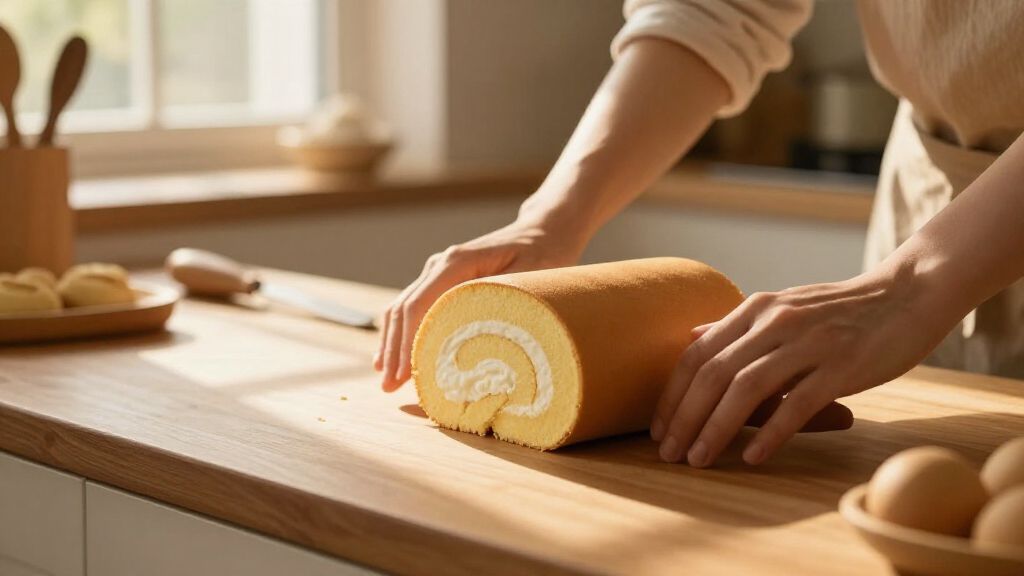
A Swiss roll won’t crack when you roll it if you use a light, airy batter, bake it just right, and roll while still warm. Proper cooling, filling, and gentle handling are key to a smooth, perfect roll.
Nothing beats the visual appeal of a perfectly rolled Swiss roll—smooth, even, and crack-free. But all too often, bakers find their cakes tearing apart right when they try to shape them. That frustration is common, but it’s fixable. The secret lies in understanding the right mix of ingredients, timing, and handling.
In this guide, you’ll discover how to make a Swiss roll that stays intact, every time. Whether you’re new to baking or looking to refine your technique, these practical tips will help you produce a silky, bendable sponge that’s a joy to fill and decorate.
Use a whipped egg white fold to create an airy, elastic sponge that resists cracking.
Bake just until the cake is lightly golden and springy; avoid overbaking.
Roll the cake while still warm, using gentle, even pressure to shape it.
Let the filled Swiss roll rest in the fridge to set the shape and prevent cracks.
Handle the cake with patience—force or rush causes tears.
Why Your Swiss Roll Cracks and How to Fix It
Cracking happens mainly because the cake is either too dry, overbaked, or handled too roughly. When the sponge dries out or becomes brittle, it loses the flexibility needed for rolling. Overmixing can incorporate too much gluten or deflate the batter, making the sponge dense and prone to tearing. Baking at too high a temperature accelerates drying out the cake, which diminishes elasticity and increases the likelihood of cracks during rolling.
To avoid this, keep a close eye on your oven and your batter’s texture. A sponge that’s just cooked through—light golden and springy—will bend without breaking. Proper timing ensures the sponge retains enough moisture and elasticity. Also, handling the cake while still warm—rolling gently but firmly—allows the gluten structure to set in a bent shape, reducing the risk of tears. Using a towel or parchment helps distribute pressure evenly, preventing localized stress that causes cracks. Understanding these factors helps you strike the right balance between firmness and flexibility, which is crucial for a crack-free Swiss roll.
Products Worth Considering

Instant Pot InstantChill Ice Cream Maker with Rolled Ice Cream Cold Plate, 2-Pint

Le Creuset Enameled Cast Iron Round Dutch Oven, 5.5 Qt, Flame

Vitamix 5200 Professional-Grade Blender, 64 oz. Container, Black
As an affiliate, we earn on qualifying purchases.
How to Prepare Your Batter for a Crack-Free Swiss Roll
- Whisk eggs and sugar until thick, pale, and tripled in volume—this aeration step is vital because it creates a stable structure that can stretch during rolling without cracking. The increased volume indicates that air bubbles are well-incorporated, which provides elasticity to the sponge, making it more resilient to bending.
- Fold sifted cake flour gently into the egg mixture, preserving the delicate air bubbles. Overmixing at this stage can deflate the batter, reducing its ability to stretch and increasing the risk of cracks. Gentle folding maintains the sponge’s lightness and elasticity, which are key to a flexible roll.
- Incorporate whipped egg whites carefully, folding from the bottom up. Whipped whites introduce additional air, further enhancing the sponge’s stretchability. Proper folding ensures even distribution without deflating the batter, which could otherwise compromise its flexibility.
- Avoid overmixing—stop as soon as the ingredients are just combined. Overmixing can develop gluten and make the sponge dense and less pliable, undermining the very flexibility needed for rolling.
This process creates a light, elastic batter that can stretch during rolling without breaking. For example, using 4 large eggs and 100 grams of sugar whipped for about 5 minutes yields a batter that’s airy and stable, providing the right balance of structure and flexibility to prevent cracks during the rolling process.
Baking Tips for a Soft, Flexible Sponge Every Time
Set your oven to around 180°C (350°F). Bake your sponge for 10-15 minutes. The goal is to bake just until the surface is lightly golden and the cake springs back when gently pressed—this indicates the sponge is cooked through but still moist enough to remain flexible. Overbaking dries out the sponge, making it brittle and prone to cracking during rolling. Underbaking leaves it sticky and fragile, which also increases the risk of tears.
Use parchment paper on your baking tray, and spread the batter evenly to ensure uniform baking. Find that perfect baking window by closely monitoring the color and texture. Tip: bake just until the edges start to pull away slightly from the paper. This indicates the sponge is moist but firm enough to handle without cracking, striking the right balance between doneness and elasticity.
Remember, a slightly underbaked sponge retains more moisture and flexibility, which is essential for a smooth, crack-free roll. The key is to develop a baking routine that yields a consistent, moist texture while avoiding over-drying.
Rolling Technique: How to Avoid Tears and Cracks
The secret to a crack-free Swiss roll is to roll the cake while it’s still warm and pliable. Immediately after baking, invert the cake onto a clean towel dusted with powdered sugar or parchment, which helps prevent sticking and adds a slight cushion. Use a gentle, steady motion to start rolling from one short end, applying even pressure across the surface. This method allows the gluten network to set in the curved shape, minimizing stress points that cause cracks.
Don’t roll too tightly—just enough to shape it into a log. Keeping the roll in this position for 10-15 minutes helps the cake set in the rolled shape, which enhances its flexibility and reduces the risk of cracks during subsequent handling. Once cooled, carefully unroll, fill, and then reroll with confidence.
Pro tip: Use a thin spatula to loosen the edges if sticking, and avoid forcing the roll if resistance occurs. Patience and gentle handling are what make the difference between a cracked mess and a sleek, smooth Swiss roll.
Filling and Resting Tips to Keep Your Swiss Roll Smooth
Adding a layer of jam, whipped cream, or buttercream not only enhances flavor but also helps keep the sponge moist and flexible during rolling. Spreading the filling evenly with a small border prevents squeezing out when you roll, which can cause cracks or tears. The filling acts as a moisture barrier, preventing the sponge from drying out and becoming brittle.
After filling, let the Swiss roll rest in the fridge for at least 30 minutes. This resting period allows the filling to set and the structure to stabilize, making the cake easier to handle and less prone to cracks when sliced or served. Resting also allows the moisture to distribute evenly, which helps maintain a smooth, uniform appearance.
For example, a thin layer of raspberry jam paired with whipped cream creates a moist, flavorful filling that helps the cake bend without cracking. The process of filling and resting is a crucial step that ensures your Swiss roll remains both beautiful and structurally sound.
Comparison Table: Common Mistakes vs. Best Practices
| Issue | Why It Happens | How to Fix It |
|---|---|---|
| Overbaking | Dry, brittle sponge that cracks when rolled | Bake just until the surface is lightly golden, springy to touch, and the edges slightly pull away. This retains moisture and elasticity, preventing cracking. |
| Overmixing batter | Loss of air, denser sponge prone to cracking | Fold gently and stop mixing once ingredients are combined. Preserving air bubbles ensures a light, elastic texture that resists tearing. |
| Rolling too hot | Sticky, fragile cake that tears | Roll while still warm, not hot or cold. A warm sponge is more pliable and less likely to crack during shaping. |
| Handling too roughly | Cracks or tears in the sponge | Use gentle, steady pressure when rolling, and support the cake with a towel or parchment. Patience is key to avoiding stress points that cause cracks. |
Frequently Asked Questions
Why does my Swiss roll crack when I roll it?
Cracking often happens because the cake is too dry, overbaked, or handled too roughly. Rolling while still warm and ensuring the sponge is moist and fluffy helps prevent tears.How can I prevent my Swiss roll from cracking?
Use a fluffy, whipped batter, bake just until lightly golden, and roll gently while the cake is still warm. Also, avoid overmixing and give the cake enough moisture and rest time after filling.Can I fix a cracked Swiss roll?
Small cracks can be hidden with a generous layer of filling or frosting. If large cracks occur, trimming the edges and re-filling can salvage the cake’s appearance.What ingredients make a sponge more flexible?
Incorporating whipped egg whites into the batter creates a light, elastic sponge. Using cake flour instead of all-purpose flour also contributes to a softer, more pliable texture.How long should I bake the sponge?
Typically 10-15 minutes at 180°C (350°F), until the surface is lightly golden and the cake springs back when touched—no cracks or sticky spots.Conclusion
Making a Swiss roll that stays crack-free isn’t magic—it’s technique and patience. Focus on creating a light, airy batter, baking just enough, and rolling gently while warm. With practice, your cake will become a smooth, elegant centerpiece, perfect for any filling or decoration.
Remember, the most beautiful Swiss rolls are those crafted with care, not haste. So next time, take your time, handle your cake gently, and enjoy the process—and the delicious results.