TL;DR

Get baking supplies delivered free with Prime
- Fast, free delivery on millions of items
- Prime Video, Amazon Music and more included
- Member-only deals all year
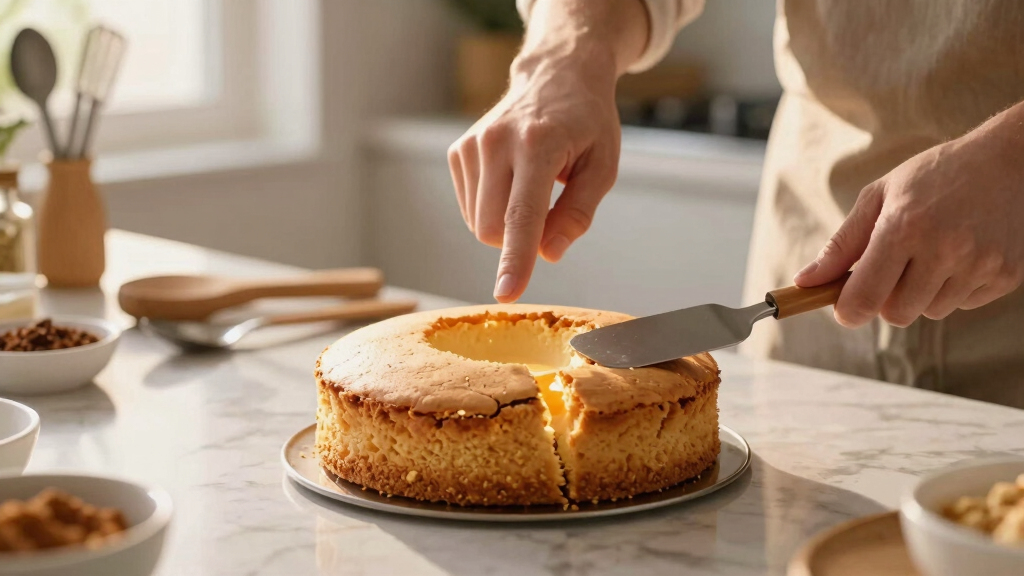
Cakes sink in the middle mainly due to underbaking, incorrect oven temperature, overmixing, or handling errors. Using precise measurements, proper baking time, and temperature calibration can prevent it.
If you’ve ever pulled a cake from the oven only to find the middle caved in like a mini crater, you’re not alone. It’s frustrating to invest time and effort into baking, only to end up with a sunken center. But here’s the truth: most cakes sink because of simple, fixable mistakes during mixing, baking, or cooling.
In this guide, I’ll walk you through the common reasons behind sinking cakes and, more importantly, how to prevent it. Whether you’re a beginner or a seasoned baker, understanding these tips will help you get consistent, beautifully risen cakes every time.
Always verify your oven temperature with an oven thermometer before baking.
Measure ingredients by weight for consistency, especially leavening agents.
Avoid opening the oven door until the cake is nearly done to prevent sudden collapsing.
Use the correct pan size and type—light-colored metal pans promote even baking.
Check internal cake temperature; 200°F is the magic number for doneness.
Why Does My Cake Sink? The Top 6 Causes You Must Know
The most common reason a cake sinks in the middle is that it wasn’t fully cooked through. When the center remains soft and underbaked, it lacks the structural integrity to support itself once cooled, leading to collapse. Think of it like building a house on a weak foundation—if the foundation isn’t solid, everything above it becomes unstable. Overmixing batter develops excess gluten, creating a dense, heavy crumb that can’t hold the risen structure, much like over-tightening a screw can weaken the material around it. Using too much leavening agent like baking powder causes a rapid initial rise, but if the structure isn’t set quickly enough, it collapses, leaving a sunken center—a bit like a balloon that pops if overinflated too quickly.
Other culprits? Opening the oven door too early causes sudden temperature drops, which can deflate the rising gases and cause the cake to sink, similar to how a sudden gust can deflate a balloon. Using an incorrect pan size or type affects heat distribution, resulting in uneven baking where the center remains undercooked—imagine trying to cook a steak in a small pan; the edges cook faster than the center. Environmental factors like humidity or high altitude influence how the batter behaves—high humidity can weaken gluten networks, akin to adding too much water to glue, making it less adhesive. High altitude accelerates leavening gas expansion, similar to how a soda bottle explodes more violently at higher elevations. Recognizing these causes allows bakers to adjust techniques accordingly, ensuring a stable structure that rises and holds its shape.
Products Worth Considering

Le Creuset Enamemed Cast Iron Oval Dutch Oven, 5 qt., White/Crucible

Le Creuset Enameled Cast Iron Round Dutch Oven, 5.5 Qt, Flame

Cuisinart PerfecTemp Electric Kettle, 1.7 L, 1500 W, 6 Temperature Settings
As an affiliate, we earn on qualifying purchases.
How to Stop Your Cake from Sinking: 5 Easy Fixes
- Check your oven temperature. Use an oven thermometer to ensure accuracy. Many ovens are off by 10-20°F, which can cause uneven rising or underbaking. For example, if your oven runs hot, your cake might brown too quickly on the outside while remaining raw in the center. Accurate temperature control helps the batter set properly, giving it a sturdy structure that resists collapsing. Think of it like cooking a steak to the perfect medium—without a thermometer, you’re guessing, but with one, you ensure consistent results.
- Accurately measure ingredients. Weigh your flour, sugar, and leaveners for consistency. Too much baking powder can cause excessive rising and subsequent collapse—like over-inflating a balloon until it pops—while too little can prevent proper leavening, resulting in a flat or dense cake. Precise measurements ensure the chemical reactions happen as intended, providing a balanced rise. Use a kitchen scale and level off ingredients for best results.
- Don’t open the oven door too early. Wait until the cake has formed a stable structure—usually 5-10 minutes before the end of baking—then open the door gently. Imagine trying to open a soda bottle immediately after shaking it—the sudden release causes a mess. Similarly, opening the oven too early causes sudden temperature drops, weakening the setting of the batter’s structure and increasing the chance of collapse. To prevent this, set a timer and check the cake’s progress through the oven window if possible.
- Use the right pan size. A 9-inch pan is standard for most recipes; deviations alter heat distribution and baking time. For example, using a smaller pan concentrates the batter, making it rise higher but risking overflow; a larger pan spreads the batter thin, risking undercooked centers. Choosing the correct pan ensures even heat transfer and proper baking, much like choosing the right size pot for boiling pasta ensures even cooking.
- Ensure thorough baking. Insert a toothpick or cake tester into the center; if it comes out wet or with batter, give the cake more time. Think of it like baking bread—if the crust is golden but the inside is doughy, it’s not done. Properly baked cakes have a firm, springy texture that supports the rise. Underbaked centers lack this support, leading to sinking as they cool. Use visual cues along with temperature checks to confirm doneness.
Implementing these steps helps develop a resilient cake structure, reducing the risk of collapse and ensuring a beautiful, even rise every time. Think of it as building a sturdy tower—every step, from temperature to ingredient measurement, adds to its stability.
Compare Common Cake Pans: Which One Prevents Sinking?
| Pan Type | Material | Pros | Cons |
|---|---|---|---|
| Light-colored metal | Aluminum or steel | Provides even heat distribution, reducing hot spots that can cause uneven rising, leading to more uniform cakes. For example, a shiny aluminum pan helps prevent the edges from over-baking while the center catches up. | Heats up quickly, so baking time must be monitored carefully to prevent over-browning, which can cause the outer layer to set too fast and inhibit proper rise inside. |
| Ceramic or glass | Glass or ceramic | Allows slow, even heat transfer, which helps with gentle rising and a tender crumb; visually appealing for presentation. Imagine a slow-cooked stew—more even and tender. | Slower heat conduction can cause uneven rising if not preheated properly, and may require longer baking times, risking over-drying or uneven texture. |
| Dark-colored metal | Non-stick coated | Heats rapidly and promotes browning, which can help develop a good crust and structure. This quick heat can give a good initial rise. | Prone to over-browning or burning edges, which can create uneven heating and affect rising, potentially leading to sinking if the structure isn’t balanced. For instance, a dark pan might cause the edges to overbake before the center is fully risen. |
Environmental Factors That Make Your Cake Sink (And How to Fix Them)
High humidity introduces extra moisture into your batter, which can weaken gluten networks—think of gluten as the scaffolding that supports the cake’s rise. When this network is compromised, the batter can’t hold its shape, leading to a sunken center. To counteract this, store ingredients in airtight containers to prevent moisture absorption and slightly reduce liquid components, like milk or water, in humid conditions. This is similar to adjusting the amount of water in concrete mix to achieve the right strength. Maintaining the right moisture balance ensures the batter retains enough elasticity for proper rising.
At high altitudes, the lower air pressure causes leavening gases to expand more rapidly—imagine opening a soda bottle at high elevation, which causes a sudden eruption. To adapt, increase your oven temperature by about 15°F to help set the structure faster, and reduce leavening agents by about 1/4 teaspoon per teaspoon called for in the recipe. These adjustments prevent over-expansion of gases before the structure is firm, much like tightening a screw before applying pressure to prevent it from stripping. Recognizing and adjusting for environmental factors is crucial for consistent results, especially in challenging conditions like mountain homes or humid climates.
The One Key Temperature to Watch During Baking
Your cake’s internal temperature is a critical indicator of doneness and structural stability. The ideal internal temperature? Around 200°F (93°C). At this point, the proteins and starches have set, creating a firm, cohesive crumb that can support the structure without collapsing. Using a digital thermometer to monitor this temperature provides a precise measure—think of it as the speedometer on your car. It tells you exactly when your cake has reached the perfect point, reducing guesswork and ensuring consistency.
When the center reaches this temperature, and the edges are golden and springy, your cake has achieved optimal doneness. This internal temperature acts as a safeguard—if you remove the cake too early, it remains undercooked and prone to sinking; if overcooked, it can become dry and crumbly, which also risks collapse. Think of it as the final check before a safe landing—ensuring your cake is perfectly baked, moist, and structurally sound. Regularly monitoring internal temperature helps you develop a feel for the baking process, enabling you to troubleshoot and adjust for future batches.
Frequently Asked Questions
Why does my cake sink in the middle even though I followed the recipe?
This often happens because the cake wasn’t fully baked, or the oven temperature was off. Overmixing batter or opening the oven door too early can also cause the center to collapse.
How can I prevent my cake from sinking after baking?
Make sure to bake until a toothpick comes out clean, don’t open the oven too soon, and use accurate measurements and proper pan sizes. Let the cake cool gradually to help it set.
Is it okay to open the oven door during baking?
It’s best to wait until the cake is close to finished—about 5-10 minutes before the end—then open it gently. Sudden drops in temperature can cause the cake to sink.
What are the signs that my cake is underbaked?
The center appears wet or jiggly, and a toothpick inserted into the middle comes out with wet batter. If this happens, give it extra time in the oven.
Can environmental factors like humidity or altitude affect cake rising?
Yes. High humidity can weaken gluten and cause sinking, while high altitude can cause over-expansion of leavening gases. Adjust recipes accordingly for best results.
Conclusion
A sinking cake isn’t a mystery—it’s a sign you’re missing a small but vital detail. Pay attention to oven temperature, ingredient accuracy, and timing. With these simple fixes, you’ll turn that crater into a perfectly domed, fluffy cake.
Next time you bake, imagine the warm, fragrant aroma filling your kitchen—your best cake yet, rising confidently in the oven. That’s the reward of understanding what makes a cake thrive.