
TL;DR

Get baking supplies delivered free with Prime
- Fast, free delivery on millions of items
- Prime Video, Amazon Music and more included
- Member-only deals all year
Proper storage, thorough cooking, and using pasteurized eggs significantly reduce Salmonella risk. Staying vigilant with handling and awareness keeps your baked goods safe for everyone.
Ever wondered if that luscious custard or fluffy meringue is putting you at risk? Egg safety isn’t just about freshness—it’s about understanding how to handle and cook eggs properly. Whether you’re a home baker or a professional, knowing the essentials keeps your treats safe and your family healthy.
In this guide, you’ll learn the must-know tips for storing, handling, and cooking eggs. Plus, recent advances like pasteurized eggs are changing the game. Let’s make sure your next batch is both delicious and safe.
Always store eggs in the refrigerator at or below 40°F (4°C).
Cook eggs to an internal temperature of at least 160°F (71°C).
Use pasteurized eggs for recipes involving raw or lightly cooked eggs.
Wash your hands, utensils, and surfaces thoroughly after handling raw eggs.
Be aware that recent innovations like high-pressure processed eggs make baking safer.
How to Keep Eggs Safe Before You Bake
Proper handling and storage are your first line of defense. Keep eggs refrigerated at or below 40°F (4°C)—that’s the sweet spot for preventing bacterial growth. Store eggs in their original carton to shield them from absorbing odors and to see the expiration date clearly. Always use eggs before that date for peak safety and quality.
For example, imagine pulling eggs from the fridge to bake a cake on a busy morning. If you’ve stored them properly, they stay fresh longer—giving you peace of mind that your batter isn’t hiding any surprises.
- Keep eggs refrigerated at or below 40°F (4°C).
- Store in original carton.
- Use eggs before the expiration date.
Products Worth Considering

Instant Pot Duo 6-Quart 7-in-1 Electric Pressure Cooker

Cuisinart Stainless Steel Bread Maker, 12 Programs, 2 lb Capacity
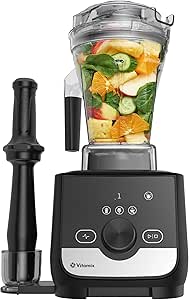
Vitamix Ascent X3 Professional-Grade Blender, 3 Programs, Shadow Black
As an affiliate, we earn on qualifying purchases.
What Types of Eggs Keep You Safer
Egg types matter when it comes to safety. Fresh eggs are less risky if stored properly, but pasteurized eggs are the safest choice for recipes involving raw or lightly cooked eggs. Pasteurized eggs undergo heat treatment to eliminate Salmonella, making them ideal for homemade mayonnaise, mousse, or raw-dough desserts.
Imagine making a raw cookie dough—using pasteurized eggs ensures you avoid the typical worry about bacteria. Plus, many grocery stores now stock these eggs, making safety easier than ever.
| Egg Type | Safety Level | Best Use |
|---|---|---|
| Fresh eggs | Moderate | Baking, frying, scrambling |
| Pasteurized eggs | High | Raw recipes, lightly cooked dishes |
How to Safely Cook Eggs to Kill Salmonella
Cooking eggs to an internal temperature of at least 160°F (71°C) is the gold standard for killing Salmonella. Use a food thermometer to check—don’t guess. This temperature ensures that any bacteria present are effectively destroyed, significantly reducing the risk of foodborne illness. For example, when baking a custard or making a quiche, ensuring the filling hits that temperature means it’s safe to eat while maintaining the dish’s texture and flavor.
Here’s a quick step-by-step:
- Insert a thermometer into the thickest part of the dish.
- Cook until it hits 160°F (71°C).
- Keep at that temperature for a minute or two to ensure safety.
Remember, even a few seconds below that temp can allow bacteria to survive, so precision matters. This process not only prevents illness but also guarantees your baked goods are consistent and properly cooked, avoiding undercooked centers that might harbor bacteria.
Prevent Cross-Contamination When Handling Eggs
Raw eggs can carry Salmonella on their shells and inside. After handling, wash your hands, utensils, and surfaces with hot, soapy water. Avoid using cracked or dirty eggs—they’re a prime source of contamination. Proper cleanup prevents bacteria from transferring to other foods or surfaces, reducing the risk of spreading illness in your kitchen.
For example, if you crack eggs into a bowl, rinse the shell before tossing it in the trash. Keeping your workspace clean is like building a barrier—less chance for bacteria to spread. This vigilance is especially crucial when preparing multiple dishes or sharing your kitchen with others, as it minimizes the chance of cross-contamination and subsequent illness.
- Wash hands thoroughly after handling raw eggs.
- Clean all utensils and surfaces with hot, soapy water.
- Discard any cracked or dirty eggs.
Raw or Underprocessed Eggs: Should You Play It Safe?
Raw eggs carry a higher risk of Salmonella. If you’re baking for vulnerable groups—pregnant women, young kids, the elderly—it’s safest to use pasteurized eggs or cook recipes thoroughly. This precaution isn’t just about following guidelines; it’s about recognizing the real health implications. Salmonella in undercooked eggs can cause severe illness, especially in those with weakened immune systems. Underprocessed eggs may harbor bacteria that survive insufficient cooking, which can lead to food poisoning or serious health complications. Making informed choices here is crucial because the tradeoff is between enjoying raw textures and risking health issues.
Imagine making homemade ice cream—using pasteurized eggs means you won’t worry about bacteria lurking in the raw mix. When in doubt, cook eggs until firm or opt for pasteurized options. This approach balances safety with the desire for delicious, raw-like textures in your desserts.
According to food safety guidelines, always err on the side of caution—especially with raw or lightly cooked dishes. Prioritizing thorough cooking or choosing pasteurized eggs can prevent serious health issues, making your baking both enjoyable and safe.
What Recent Advances Are Making Eggs Safer
New innovations are boosting egg safety. Pasteurized egg products are now more common, especially in bakeries and homes. High-pressure processing (HPP) is a cutting-edge technique that pasteurizes eggs without cooking them, preserving their baking qualities. This technology allows for safer raw applications without compromising texture or flavor, expanding the possibilities for bakers and cooks.
For example, some brands now offer liquid pasteurized eggs, perfect for mixing into batters or fillings without added risk. Additionally, stricter regulations and vaccination programs for hens have significantly reduced Salmonella presence in eggs overall. These developments mean that consumers can enjoy a wider range of egg-based recipes with increased confidence in safety, without sacrificing quality or convenience. These advances aren’t just about safety—they also enhance the versatility of eggs in baking, allowing more raw or lightly cooked recipes to be made safely.
These advances mean safer baking with less fuss—keeping bacteria out of your kitchen and your baked goods.
Key Facts You Should Keep in Mind
– Salmonella can be present both on the shell and inside eggs, which makes handling and cooking crucial. Proper refrigeration slows bacterial growth and reduces the risk of bacteria multiplying to dangerous levels.
– Thorough cooking to the correct temperature is the most reliable method to kill bacteria, but it requires precision to ensure safety without overcooking your baked goods. Using a thermometer helps achieve this balance.
– Pasteurized eggs are a safe alternative for raw or lightly cooked recipes, especially for vulnerable populations, but they are not a substitute for proper handling and cooking of regular eggs.
– While the overall risk of Salmonella is relatively low, the severity of illness and the vulnerability of certain groups make it essential to follow safety practices diligently.
– Proper storage in the fridge, using fresh eggs, and following recommended cooking guidelines significantly reduce health risks, but understanding these facts helps you make informed decisions in your baking process.
Frequently Asked Questions
Are raw eggs safe to use in baking?
Raw eggs can carry Salmonella bacteria, so they pose a risk if not handled properly. Using pasteurized eggs or thoroughly cooking recipes reduces this risk significantly.
How can I tell if an egg is fresh?
Perform the float test: place the egg in a bowl of water. Fresh eggs sink and lay flat on the bottom, while older eggs tend to float or stand upright. This test helps assess freshness because as eggs age, the air pocket inside enlarges, making them more buoyant. However, it’s important to combine this with visual inspection—cracks, slimy shells, or off smells indicate spoilage. Relying solely on the float test isn’t foolproof, as some eggs may float but still be safe, or vice versa. Always check for signs of spoilage to ensure safety and avoid health risks.
What is the best way to store eggs?
Keep eggs refrigerated in their original carton at or below 40°F (4°C). Storing in the carton helps maintain moisture and prevents flavor contamination from other foods. Proper storage slows bacterial growth, extending freshness and safety. Avoid storing eggs in the door where temperature fluctuations are more common. Always check eggs for cracks or signs of spoilage before use, as damaged eggs are more prone to bacterial contamination and spoilage, increasing health risks.
Can I use eggs past their expiration date?
It’s safest to discard eggs after their expiration date or if they show signs of spoilage such as an off smell, slimy shells, or cracks. The float test can help determine if an egg is still good—if it floats, it’s likely past its prime. Consuming eggs that are spoiled or past their expiration can cause food poisoning, so always prioritize safety. When in doubt, err on the side of caution to prevent illness and protect your health and that of your family.
Are pasteurized eggs necessary for baking?
Not always, but they are highly recommended for recipes involving raw or undercooked eggs, like certain frostings or mousse, to minimize health risks. Using pasteurized eggs provides peace of mind, especially when preparing dishes for vulnerable populations, without compromising on texture or flavor. For most baked goods that reach sufficient internal temperatures, regular eggs are safe if handled and cooked properly. However, when safety is a priority—such as in recipes with raw eggs or for at-risk groups—pasteurized eggs are the best choice to prevent Salmonella infection.
Conclusion
Egg safety in baking isn’t complicated, but it does require attention. Proper storage, careful handling, and thorough cooking are your best tools to avoid Salmonella. When in doubt, opt for pasteurized eggs—your baked goods will be just as delicious, but way safer.
Next time you crack open eggs for a cake or pastry, picture that tiny thermometer inside, silently guarding your health. Baking should be joyful, not risky. Keep it safe, keep it smart, and enjoy every bite.