
TL;DR
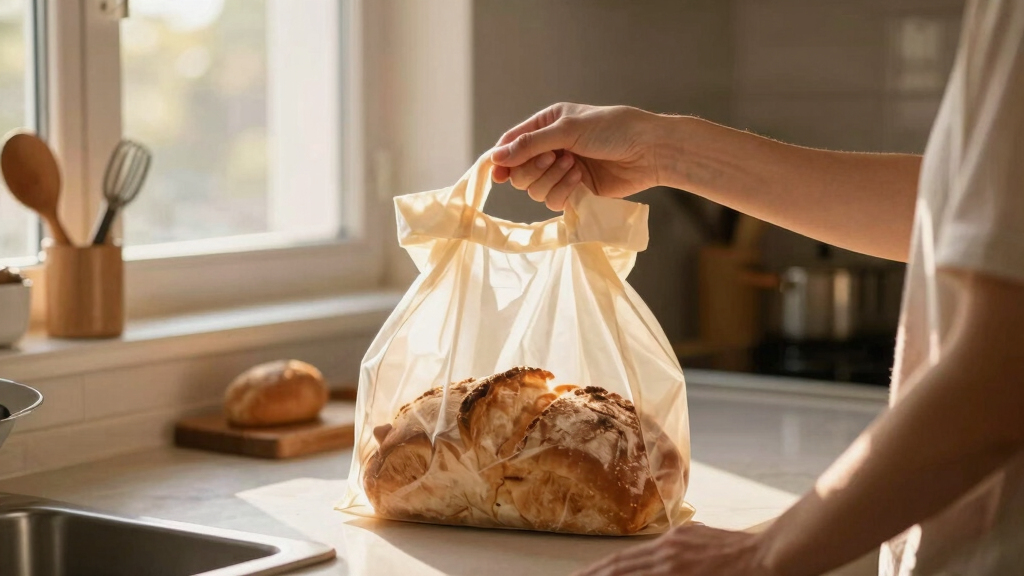
Proper storage methods, like using breathable containers or freezing, can keep bread fresh for days. Avoid refrigeration, and consider new packaging tech to extend softness and crust quality.
Few things smell as inviting as fresh bread—warm, yeasty, with that comforting aroma filling your kitchen. Yet, how often do you find yourself tossing out stale loaves after just a day or two? It’s frustrating, especially when you’ve baked or bought a high-quality loaf. The secret isn’t just in the bread itself but in how you store it.
In this guide, you’ll discover practical, science-backed ways to keep your bread soft, flavorful, and mold-free for days—sometimes even weeks. No hype, just simple techniques that work. Ready to transform your bread game and cut down waste? Let’s get started.
Staling is caused by starch crystallization; controlling moisture and temperature slows this process.
Freezing bread immediately after baking preserves freshness for up to 6 months, especially when sliced and wrapped properly.
Avoid refrigerating bread unless in humid environments; it accelerates staling.
Use breathable containers or paper bags for crusty bread and plastic for soft bread for short-term storage.
Recent innovations like vacuum sealing and antimicrobial packaging further extend shelf life without sacrificing quality.
Why Your Bread Turns Stale So Fast—And How to Stop It
Staling is the main culprit behind bread losing its freshness. It happens when the starch molecules crystallize, making bread dry and hard. This process can begin within hours at room temperature, especially in dry environments. But don’t worry—there are ways to slow this down.
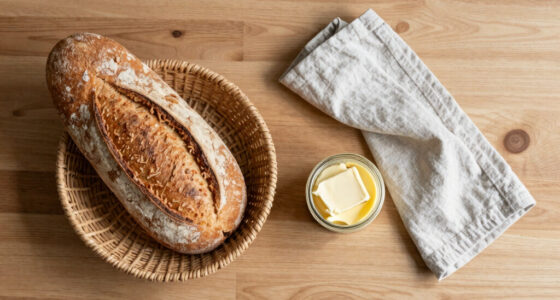
For example, storing bread in a paper bag or bread box allows some airflow, which helps maintain the crust and keeps moisture inside. Conversely, keeping bread in a sealed plastic bag traps moisture but can lead to mold if not eaten quickly. Understanding this balance is key to choosing the right storage method.
According to an anonymous researcher at Aromas Healthy Bake, the best way to prevent quick staling is to control moisture and temperature—cool, dry environments work best. This matters because the rate of starch crystallization and moisture loss directly impacts how quickly bread becomes stale. If the environment is too dry, the crust may become tough, but the crumb can dry out faster. If it’s too humid, mold growth accelerates. Striking the right balance is essential for optimal freshness.

Gifhomfix Bread Box Bread Boxes for Kitchen Counter Airtight, Time Recording Bread Storage Container with Lid, Bread Keeper for Homemade Bread, Toast, Bagel, Donut and Cookies, Grey
- Includes Time Recording Dial: Tracks storage duration accurately
- Large Capacity Size: Measures 12×6.1×6.2 inches
- Holds Most Bread Types: Suitable for sourdough, muffins, loafs
As an affiliate, we earn on qualifying purchases.
As an affiliate, we earn on qualifying purchases.
Best Storage Methods to Keep Bread Fresh for Longer
Want your bread to stay soft and crusty for days? Pick the right storage method for your bread type.
Here’s a quick guide:
| Method | Best For | Pros | Cons | Implications |
|---|---|---|---|---|
| Room Temperature in Bread Box or Paper Bag | Crusty artisan bread, baguettes | Maintains crust, allows airflow | Short shelf life, 2-3 days | This method preserves the crust and prevents sogginess, but the limited moisture retention means the crumb can dry out faster, necessitating prompt consumption or additional tricks to extend freshness. |
| Plastic Bag or Wrap | Soft sandwich bread | Preserves softness, moisture | Can promote mold if kept too long | While plastic helps keep bread soft by trapping moisture, it creates a humid environment that can accelerate mold growth if not consumed within a few days. The key tradeoff here is between maintaining softness and risking mold; timely eating or freezing can mitigate this. |
| Freezing | Any bread for long-term storage | Extends freshness up to 6 months | Requires thawing, slight texture change | Freezing halts staling processes by slowing molecular movement, effectively preserving the bread’s original texture and flavor. However, improper wrapping can cause freezer burn, and thawing can sometimes lead to moisture loss or slight texture changes. Proper packaging and thawing techniques are essential to maximize benefits. |
So, what’s the best choice? It depends on your bread type and how long you want to keep it. For crusty loaves, a bread box or paper bag is perfect—these methods maintain the crust while slowing moisture loss. For soft bread, a sealed plastic bag can keep it fresh for a few days, but for longer storage, freezing is the most reliable option. Each method involves tradeoffs between crust preservation, moisture retention, mold risk, and convenience. Understanding these helps you make smarter choices tailored to your baking habits and storage space.
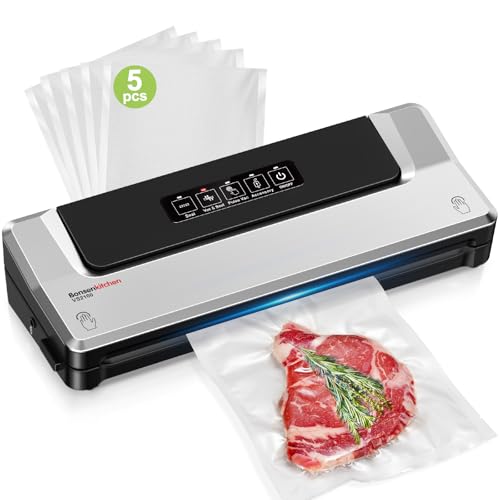
Bonsenkitchen Vacuum Sealer Machine, Multiple Modes For Meal Prep,Silver
- Four Vacuum Modes: Vac & Seal, Pulse Vac, Seal, Accessory
- Efficient Food Preservation: Seal up to 30 bags in 15 minutes
- Multi-Functional Use: Suitable for sous vide, jars, and bags
As an affiliate, we earn on qualifying purchases.
As an affiliate, we earn on qualifying purchases.
How to Freeze Bread Without Ruining Its Texture
Freezing bread is a game-changer. It can keep bread tasting fresh for months, but only if you do it right. The key is to wrap it tightly to prevent freezer burn and moisture loss.
Here’s a step-by-step:
- Slice the bread beforehand, so you only thaw what you need. Slicing allows for more precise portioning and reduces waste, but it also exposes more surface area, which can lead to faster moisture loss if not wrapped properly.
- Wrap the loaf tightly in plastic wrap or aluminum foil. This creates an airtight barrier that prevents moisture escape and freezer burn, critical for maintaining texture.
- Place it in a resealable freezer bag, squeezing out excess air. Removing air minimizes ice crystal formation, which can damage bread’s structure upon thawing.
- Label with the date—frozen bread maintains quality for 3-6 months. Keeping track helps ensure you consume it at optimal freshness, as prolonged freezing can lead to flavor and texture degradation.
- To thaw, leave it at room temperature or reheat in the oven for fresh texture. Reheating restores some of the original crust and softness, especially important for crusty types.
Pro tip: Toasting frozen bread works wonders to restore crispness, especially for crusty varieties. This simple step can revive the bread’s original appeal, making it almost indistinguishable from just-baked.
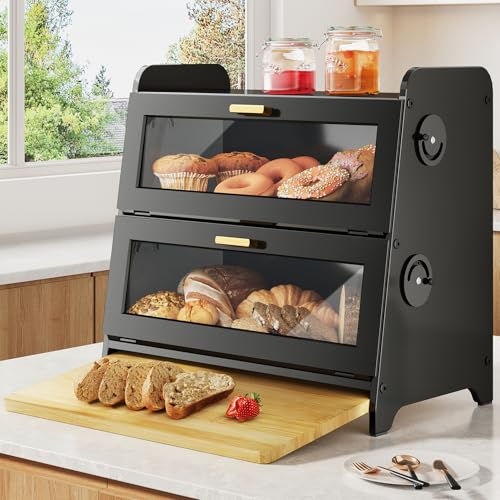
SNTD 2 Tier Bread Box for Kitchen Countertop, Adjustable Ventilation, Black
- Odor-Free Wood with Metal Frame: Durable, odor-resistant storage with bamboo cutting board
- Adjustable Ventilation: Independent airflow controls for different bread types
- Bamboo Cutting Board and Trays: Removable, food-safe surfaces for slicing and storage
As an affiliate, we earn on qualifying purchases.
As an affiliate, we earn on qualifying purchases.
Simple Tricks to Keep Bread Soft and Crusty for Days
Want to keep your bread soft, fluffy, and with that perfect crust? Small adjustments make a big difference.
Here are some practical tips:
- Use a breathable container: a cloth bag or bread box allows moisture to escape, preventing mold while keeping the crust crisp.
- Store in a cool, dry place: avoid sunlight or humid kitchens that can accelerate mold growth.
- Reheat gently: a few minutes in the oven at 350°F can revive both softness and crust.
- Slice as needed: exposing only what you plan to eat reduces stale edges.
- Add a damp cloth: wrapping a slice in a slightly damp towel before warming can restore moisture and softness.
Imagine slicing a loaf in the morning, then wrapping a piece in a damp cloth and warming it for 5 minutes. The rich, warm aroma returns, and the bread feels just baked. That’s the magic of simple tricks.

Beautiful Bread Bags for Homemade Bread – Clear Window Bags Keep Your Sourdough Loaves Fresh for Days & are Great for Gifting Homemade Bread – Perfectly Sized Bakery Paper Packaging for Baked Cookies
- Eco-Friendly Kraft Paper Bags: Recyclable, unbleached bread packaging
- Clear Window for Display: Showcase your baked goods beautifully
- Perfect Size for Loaves: Spacious 8.27×13.82 inches design
As an affiliate, we earn on qualifying purchases.
As an affiliate, we earn on qualifying purchases.
Latest Innovations That Keep Bread Fresh Longer
Recent tech is changing how we store bread. Innovations like antimicrobial bags and vacuum sealing are making a difference. These methods remove or inhibit bacteria and mold growth, extending freshness by days or even weeks.
For example, vacuum sealing a loaf can keep it tasting fresh for up to 6 months, without sacrificing texture. Similarly, new breathable, antimicrobial packaging allows bread to stay mold-free longer while maintaining crust quality.
Some bakeries now use smart packaging with humidity control and natural preservatives like vinegar or fermentation acids, naturally extending shelf life without chemicals. These advances matter because they address the core issues of mold and staling, offering safer, longer-lasting options that reduce waste and improve convenience.
What Really Works — The Science-Backed Storage Hacks
Science shows that controlling moisture and temperature is key. Keeping bread in a cool, dry, and ventilated environment slows both staling and mold. Freezing is the most effective long-term solution, preserving quality for months.
Research from food science suggests that wrapping bread tightly in plastic minimizes moisture loss, while opening the package periodically allows some air exchange, reducing mold risk. Avoid refrigeration unless necessary, as it speeds up staling due to starch crystallization.
In practice, combining these methods—freezing slices, storing in breathable containers—gives you the best results. This approach balances moisture retention, airflow, and temperature control, which are all critical factors influencing bread’s shelf life. Understanding these scientific principles helps you optimize storage conditions and make informed decisions that extend freshness without sacrificing quality.
Your Quick-Start Plan to Keep Bread Fresh Longer
Here’s a simple 3-step plan to extend your bread’s freshness:
- Decide on your storage method based on how long you want to keep the bread—bread box, plastic bag, or freezer.
- If freezing, slice first and wrap tightly, then label and freeze.
- When ready to eat, reheat in the oven or toaster for that just-baked feel.
Stick to this plan, and you’ll cut waste and enjoy fresh bread days longer. It’s about smart choices, not complicated techniques.
Frequently Asked Questions
Can I store bread in the fridge without it going stale?
Refrigeration generally speeds up staling because of moisture loss and starch crystallization. It’s best reserved for humid climates or specific bread types. For most cases, freezing or room temperature storage works better.
How can I revive stale bread?
Wrap the bread in a damp towel and warm it in the oven at 350°F for about 5 minutes. This restores moisture and softens the crumb, making it almost fresh again.
What’s the safest way to freeze bread?
Slice your bread first, then wrap it tightly in plastic or aluminum foil. Place in a resealable bag, squeezing out excess air. Label with the date and store in the freezer for up to 6 months. Thaw at room temperature or re-toast for best results.
Are natural preservatives effective for extending bread freshness?
Natural options like vinegar or sourdough fermentation can help inhibit mold growth, but proper storage—freezing or breathable containers—remains the most reliable method for preserving bread longer.
Conclusion
Keeping bread fresh longer is about understanding its nature and choosing the right storage method. Small adjustments—like freezing slices or using breathable containers—can turn a one-day loaf into a multi-day delight. Think of your bread as a precious ingredient; treat it with care, and it will reward you with soft, flavorful slices for days to come.
Next time you bake or buy, remember: a little planning keeps the aroma and texture alive well beyond the first day. Your future self will thank you for less waste and better bread.