TL;DR

Get baking supplies delivered free with Prime
- Fast, free delivery on millions of items
- Prime Video, Amazon Music and more included
- Member-only deals all year
Storing baked goods properly is about understanding their moisture, texture, and type. Use tailored methods like airtight containers, refrigeration, or freezing to keep everything from crispy cookies to moist cakes fresh longer. Smart storage can add days to your baked creations’ life without sacrificing flavor.
Tailor storage methods to each baked good’s texture and moisture content.
Airtight containers and proper wrapping significantly extend freshness.
Freezing baked goods in well-sealed packages preserves flavor and texture for months.
Avoid plastic bags for short-term bread storage to prevent mold; opt for paper or cloth.
Reheat frozen items gently to restore original texture without sogginess.
How to Store Every Kind of Baked Good So It Stays Fresh
Freshness is a moisture-management problem. Match the package and temperature to the texture you want, and cookies keep their snap, cakes stay tender, and bread avoids the soggy-to-moldy slide.
Every bake has a different freshness target
“Fresh” can mean crisp, chewy, soft, moist or flaky. Identify the texture first, then choose packaging that protects it.
Crispy wants dry. Chewy wants humidity.
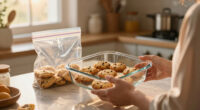
Seal biscotti and crisp cookies away from humid air. Keep soft cookies in a resealable bag or wrap individually; a bread slice can supply gentle humidity, but remove it if condensation or sogginess appears.
Protect the crumb without trapping the crust.
Use a paper bag, cloth or breadbox for a day or two. Plastic traps moisture, softens crust and can encourage mold in humid conditions. For longer storage, slice and freeze in a sealed bag.
Wrap tightly before chilling or freezing.
Cover exposed cake immediately. For refrigeration, add an airtight container to limit dehydration and flavor transfer. For freezing, use plastic wrap plus foil, then thaw gradually in the refrigerator.
Store briefly, then revive with gentle warmth.
Use a paper bag or loosely covered container for short storage to limit condensation. Freeze well-wrapped extras. A low oven can bring back a croissant’s flaky exterior more effectively than prolonged microwaving.
Control moisture and oxygen to slow staling
Starch retrogradation firms the crumb over time, while moisture migration changes crusts and fillings. Packaging cannot stop the clock, but it can slow the reactions that ruin texture.
Packaging is a texture control system
Airtight containers reduce moisture loss and outside humidity. Breathable wraps let excess moisture escape. Freezer-grade barriers limit oxygen exposure, freezer burn and flavor transfer.
The quick-reference shelf-life table
Cool baked goods completely before packing. Warm food creates condensation, which can quickly turn crisp textures soft.
| Baked good | Best short-term method | Room-temp window | Frozen window | Watch for |
|---|---|---|---|---|
| Cookies | ✓Airtight container or sealed bag | 3–7 days | Up to 3 months | ~Separate crisp and soft varieties |
| Crusty bread | ✓Paper bag, cloth or breadbox | About 2 days | Up to 3 months | ✗Plastic short-term can soften crust |
| Cakes | ✓Tightly wrapped; chill if required | 2–4 days, recipe dependent | Up to 3 months | ~Cold air dries exposed surfaces |
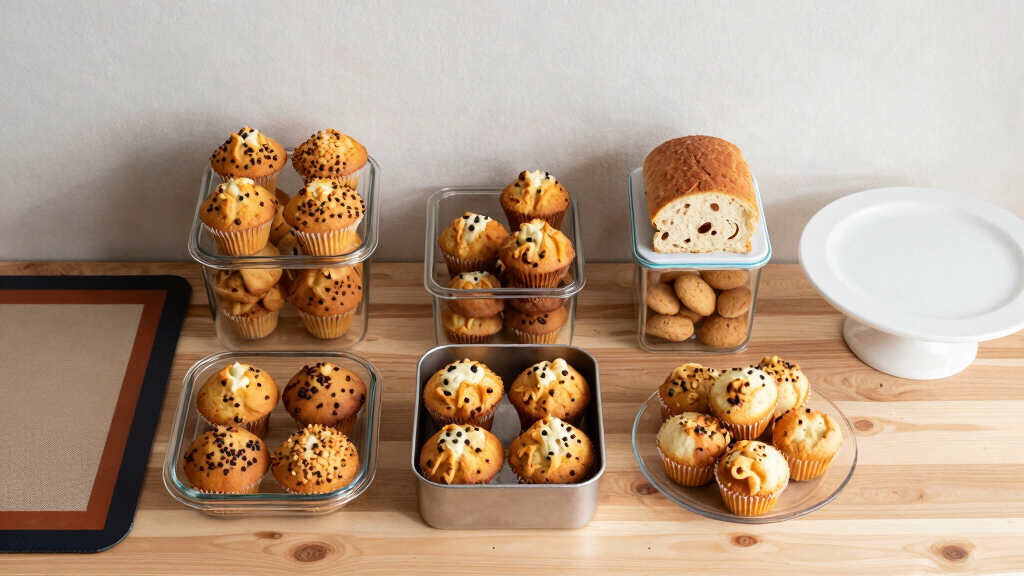
| Muffins | ✓Loosely covered or sealed once cool | 1–2 days | Up to 3 months | ✗Condensation creates sticky tops |
| Pastries | ✓Paper or foil; reheat before serving | 1–2 days | 1–3 months | ~Gentle oven heat restores flakiness |
From leftover to fresh-tasting again
Follow one continuous chain. Each step protects the work completed in the step before it.
Reach room temperature
Prevents trapped steam and condensation.
Choose the target texture
Crisp, chewy, moist, soft or flaky?
Breathable or airtight
Match the barrier to moisture needs.
Counter, fridge or freezer
Use the coldest option that preserves quality.
Thaw and warm gently
Restore aroma and texture without sogginess.
Five habits that protect every batch
Separate unlike textures
Do not store crisp biscotti beside soft cookies. Moisture moves between them and compromises both.
Wrap before refrigerating
Cold air is drying. A tight wrap reduces dehydration and blocks odors from transferring to cakes.
Freeze in serving portions
Individual slices thaw faster and avoid repeated temperature changes to the entire batch.
Use two freezer barriers
Plastic wrap plus foil or a freezer bag helps prevent freezer burn, moisture loss and stale flavors.
Label every package
Record the item and freeze date so older treats are used first and quality windows stay visible.
Inspect before eating
Discard baked goods showing mold, unusual odor or spoilage. Storage guidance is not a safety guarantee.
Use a low oven for bread, croissants and pastries. Gentle dry heat restores the exterior without steaming it.
Use short microwave bursts for muffins or soft rolls, then rest briefly so heat and moisture distribute evenly.
Keep Cookies Crispy or Soft—Your Storage Trick Depends on the Cookie
Cookies are like chameleons — some crave a crunchy exterior, others stay tender. To keep cookies at their best, first identify their texture. For crispy cookies, store in an airtight container at room temperature to preserve their crunch. This prevents moisture from escaping and keeps the exterior firm. Conversely, soft cookies are best kept in a resealable bag or wrapped individually in plastic wrap. Adding a slice of bread or an apple helps maintain humidity, preventing the cookies from drying out and becoming brittle. The tradeoff here is that storing soft cookies with moisture sources can sometimes lead to slight sogginess if not monitored. Therefore, understanding each cookie’s ideal texture and storage environment is crucial to maintaining its quality over time, whether you want a crisp snap or a tender bite.
For example, a batch of biscotti stays crisp in a sealed jar because its low moisture content benefits from minimal exposure to humidity, while chewy chocolate chip cookies stay soft and fresh when stored with a damp paper towel in a resealable bag, balancing moisture retention without making them soggy.
Products Worth Considering

Cuisinart Stainless Steel Bread Maker, 12 Programs, 2 lb Capacity

Vitamix Propel Series 750 Professional-Grade Blender, 4 Programs, Black

Instant Pot Vortex Plus 10-Quart 7-in-1 Air Fryer Oven
As an affiliate, we earn on qualifying purchases.
How to Store Bread Without Making It Soggy or Stale
Bread’s freshness hinges on its moisture balance. Storing it properly prevents mold and staling, both of which are driven by moisture dynamics. Keeping bread in a paper bag or a breadbox at room temperature allows excess moisture to escape while retaining enough to keep the bread soft, which is ideal for a day or two. Plastic bags trap moisture, which can make crusts soggy and promote mold growth, especially in humid environments. If you want your bread to last longer, freezing slices in a resealable bag is effective because it halts mold growth and staling processes. When reheated, the bread can regain much of its original texture. The tradeoff is that improper storage can lead to either dryness or mold, so understanding the moisture content and environmental conditions helps you choose the right method. For instance, crusty baguettes stored in paper bags stay crunchy, but if left in plastic, they soften and lose their characteristic crust, which may be undesirable for some.
By controlling moisture exposure—either by choosing the right packaging or freezing—you can extend bread’s freshness without sacrificing its desirable qualities. The key is balancing retaining enough moisture for softness while preventing excess that fosters mold and sogginess.
Keep Cakes Moist or Frosted—Best Storage Practices for Every Cake
Cakes, especially those with delicate layers or frosting, are sensitive to environmental conditions that can cause drying or spoilage. Short-term, covering with plastic wrap or storing in an airtight container minimizes exposure to air, which can dry out the cake or cause frosting to crack. For longer storage, refrigeration is often necessary, but it can lead to dehydration and flavor loss if not done properly. Wrapping the cake tightly in plastic wrap and then placing it in a container prevents moisture loss and flavor transfer. When refrigerating, it’s best to let the cake come to room temperature before serving, as cold temperatures can dull flavors and alter textures. Freezing is an excellent option for extended storage—wrap the cake tightly in plastic wrap, then foil, to prevent freezer burn and moisture loss. When thawing, doing so gradually in the fridge preserves the cake’s moisture and texture. For example, a moist carrot cake wrapped tightly and refrigerated can stay fresh for 3-4 days, but freezing it extends its shelf life to several months without significant quality loss. The tradeoff with freezing is potential freezer burn if not properly wrapped, which can affect texture and flavor, so meticulous packaging is essential.
Understanding the moisture retention and environmental sensitivities of each cake type guides optimal storage, ensuring every slice remains moist, flavorful, and visually appealing for as long as possible.
How to Keep Muffins and Pastries Fresh Without Drying Them Out
Muffins and pastries are best enjoyed shortly after baking because they tend to lose moisture quickly, leading to dryness. To slow this process, store them in a paper bag or loosely covered container at room temperature, which allows some moisture to escape while preventing condensation that causes sogginess. For longer storage, freezing is ideal. Wrap muffins or pastries tightly in plastic wrap or place them in airtight freezer bags. This prevents freezer burn and moisture loss. When reheating, doing so gently in the oven or microwave helps restore some of the original texture and moisture. For example, flaky croissants stored in foil and warmed slightly before eating can regain their just-baked flakiness and softness. The tradeoff here is that improper storage or reheating can lead to either dryness or sogginess, so balancing moisture retention with proper reheating techniques is key to keeping these treats appealing. Proper storage preserves their delicate textures and flavors longer, making sure each bite remains satisfying.
Compare Storage Options for Different Baked Goods in a Handy Table
| Baked Good | Best Storage Method | Storage Duration | Notes |
|---|---|---|---|
| Cookies | Room temp in airtight container or bag | 3-7 days | Keep crispy or soft by wrapping accordingly |
| Bread | Room temp in paper bag or freezer | 2 days at room, 3 months frozen | Avoid plastic short-term to prevent mold; freezing preserves longer |
| Cakes | Refrigerate or freeze, wrapped tightly | 2-4 days at room temp, up to 3 months frozen | Wrap well to prevent drying and flavor loss |
| Muffins & Pastries | Room temp or freeze | 1-2 days at room temp, up to 3 months frozen | Reheat before serving for best texture |
Why Proper Packaging Can Make Your Baked Goods Last Twice as Long
Packaging isn’t just about keeping dirt out. It controls moisture and oxygen, both key players in staling and mold growth. Airtight containers, vacuum sealing, or wrapping in plastic wrap all slow down the staling process. For example, vacuum-sealed bread can last up to 2 weeks in the freezer, compared to just 3 days if left unwrapped. This extended shelf life is because limiting oxygen exposure reduces the oxidative reactions that cause staling, while preventing moisture loss prevents the bread from becoming dry or stale. Additionally, proper packaging minimizes exposure to environmental contaminants, maintaining flavor integrity and preventing mold spores from settling. The tradeoff is that overly airtight packaging can sometimes trap excess moisture, leading to sogginess, so choosing the right method based on the baked good’s moisture content and intended storage duration is essential. Think of packaging as a cocoon that preserves freshness, flavor, and texture, making your baked goods last significantly longer and taste better over time.
Simple Tips to Extend Baked Goods’ Shelf Life Naturally
Natural preservatives like honey, vinegar, or herbs can influence the shelf life of baked goods by inhibiting mold growth and slowing staling. Honey’s hygroscopic properties help retain moisture, while vinegar’s acidity can prevent mold spores from developing. For example, brushing bread with a light vinegar solution creates an environment less hospitable to mold, extending freshness. Incorporating herbs like rosemary or thyme, which have natural antimicrobial properties, can also help preserve baked items. Additionally, storing baked goods in a cool, dark place reduces exposure to light and heat, which accelerate spoilage processes. The tradeoff with using natural preservatives is that they may subtly alter flavor profiles, so balancing preservation with taste is important. For instance, adding a small amount of honey to muffin batter not only enhances moisture retention but also adds a hint of sweetness, which can complement the flavor. Proper moisture management and environment control are key to maximizing natural preservation methods, allowing baked goods to stay fresh longer without artificial chemicals.
How to Thaw Frozen Baked Goods Without Ruining Their Texture
The best way to thaw frozen baked goods is to allow them to come to temperature gradually, preventing condensation that can cause sogginess or texture loss. For items like muffins or bread, transfer from the freezer to the refrigerator overnight, which allows slow, even thawing. This controlled process helps retain moisture and prevents the formation of ice crystals that can damage the baked structure. When ready to serve, reheat in a warm oven or microwave to restore freshness—using gentle heat prevents drying out or over-softening. For cakes, letting them sit at room temperature for 30-60 minutes before serving helps the internal moisture redistribute evenly, maintaining their moist, tender crumb. The tradeoff here is that rushing the thaw or reheating process can lead to uneven texture or sogginess, especially if condensation forms quickly. Proper thawing techniques preserve the original texture and flavor, making your baked goods taste just as delightful as when freshly baked.