
TL;DR
Dairy-free baking works best when you replace ingredients based on their function, not just by name. Using the right plant milk, fats, and acidity preserves flavor and texture. Small adjustments and testing are key to rich, satisfying baked goods without dairy.
Imagine biting into a fluffy cake, its tender crumb melting in your mouth, and then realizing—it’s dairy-free. Baking without dairy isn’t just a health choice; it’s a chance to craft treats that are equally rich, flavorful, and satisfying. But it’s not enough to swap ingredients blindly. To truly get rich results, you need to understand what each dairy component contributes—fat, moisture, acidity, or flavor—and match it with the right plant-based alternative.
Whether you’re lactose intolerant, vegan, or just experimenting, this guide will walk you through the principles, specific substitutions, and practical tips for dairy-free baking that doesn’t compromise on richness or texture. Let’s turn your dairy-free creations into show-stopping, mouthwatering sweets that rival any traditional bake.
Matching the function of dairy ingredients—fat, water, acidity—is key to rich, reliable dairy-free baked goods.
Choose plant milks based on protein and fat content; soy and oat milk are generally most versatile.
Use firm, high-fat vegan butters for baking to mimic butter’s richness and structure.
Preserve acidity with lemon juice or vinegar when replacing buttermilk or yogurt to ensure proper leavening.
Experiment with flavor enhancers like toasted nuts, spices, and caramelized ingredients to boost richness without dairy.
How to Bake Without Dairy and Still Get Rich Results
The secret is not a blind one-for-one swap. Match the dairy ingredient’s function—fat, water, protein, acidity, structure, or flavor—and your cakes, cookies, breads, and pastries can remain tender, deeply flavored, and beautifully browned.
Know what dairy is doing
Every dairy ingredient performs a different job. Identify the functions the recipe depends on, then select a plant-based ingredient with similar fat, moisture, protein, acidity, and firmness.
Butter
Creates tenderness and flavor while its water generates steam. Firmness is essential for pastry layers.
Match: fat level · water · melting pointMilk
Hydrates flour, supports structure, carries flavor, and helps the surface brown.
Match: protein · thickness · sweetnessCream
Builds a smooth, luxurious mouthfeel in fillings, ganache, frostings, and sauces.
Match: fat · body · whipping abilityYogurt
Adds viscosity and tenderness while helping baking soda produce a reliable rise.
Match: acidity · thickness · fatButtermilk
Activates baking soda, softens the crumb, and contributes a gentle tang.
Match: acidity · liquid volumeCondensed milk
Supplies concentrated body and sweetness; replacing liquid alone will not recreate it.
Match: solids · sugar · viscosityChoose milk for the bake
Unsweetened, unflavored plant milk often replaces dairy milk at equal volume. Protein-rich options generally give better structure and browning, while richer options add body.
Directional comparison based on protein, body, neutrality, and versatility—not laboratory performance scores.
Soy for structure
Strong in cakes, breads, custards, and enriched doughs because its protein supports texture and browning.
Oat for creamy versatility
A mild, smooth choice for muffins, cakes, glazes, and sauces.
Cashew for extra body
Especially effective when concentrated or homemade; useful when richness matters.
Check the carton
Added sugar and flavoring can change sweetness, browning, and the final flavor profile.
Match the ingredient precisely
These are dependable starting points. Brand formulations vary, so compare salt, water content, fat level, and thickness before committing an entire batch.
| Dairy ingredient | Best starting replacement | Ratio | Critical consideration |
|---|---|---|---|
| Milk | ✓Unsweetened soy or oat milk | 1:1 | Choose unflavored milk for a neutral result. |
| Buttermilk | ✓Plant milk plus lemon juice or vinegar | 1 cup + 1 tbsp | Preserve acidity when the recipe includes baking soda. |
| Butter | ✓High-fat vegan butter stick | 1:1 | Check salt content and keep cold for flaky pastry. |
| Melted butter | ✓Melted vegan butter or neutral oil | Start 1:1 | Oil is pure fat and may create a softer crumb. |
| Heavy cream | ✓Plant whipping cream or full-fat coconut milk | 1:1 | Coconut flavor may remain noticeable. |
| Yogurt | ✓Unsweetened dairy-free yogurt | 1:1 | Match the original thickness and fat level. |
| Sour cream | ✓Thick plant yogurt or vegan sour cream | 1:1 | Thin products may require less additional liquid. |
| Cream cheese | ✓Vegan cream cheese formulated for baking | 1:1 | Test first because some products soften dramatically when heated. |
Cakes & muffins
Soy or oat milk, vegan butter, plant yogurt, and neutral oil usually create a tender crumb.
Cookies
Higher-water vegan butter can increase spreading. Chill the dough and bake one tester first.
Brownies
Neutral oil, vegan butter, or a combination works well; cocoa masks small flavor differences.
Enriched breads
Protein-rich soy milk and plant fat provide structure, but hydration may need adjustment.
Crusts & biscuits
Use a solid, chilled vegan butter or shortening and keep every stage cool for flaky layers.
Laminated dough
Choose plant butter made for lamination. Soft spreads cannot hold distinct layers.
Build a quick dairy-free buttermilk
Acid reacts with baking soda, encouraging lift while tenderizing the crumb. Without it, the same batter may bake flatter and denser.
From recipe clue to rich result
Use this five-step chain whenever a dairy-free conversion feels uncertain. It turns substitution into a controlled baking decision.
Identify dairy
Find every milk, butter, cream, yogurt, and cheese component.
Name its role
Mark fat, moisture, protein, acidity, flavor, or structure.
Choose the match
Select the plant ingredient that reproduces the required behavior.
Control variables
Check temperature, thickness, salt, sugar, and hydration.
Test and refine
Bake a small sample, observe texture, then adjust one factor.
Rebuild richness deliberately
Richness is a layered sensation—not simply more fat or more sugar. Restore aroma, body, caramelization, contrast, and seasoning together.
Add body and depth
Use concentrated ingredients to create fullness and a longer finish without overwhelming sweetness.
Amplify aroma and browning
Layer toasted, spiced, citrus, and caramel notes to replace complexity that dairy often supplies.
Understand What Each Dairy Ingredient Does in Your Bake
Knowing what each dairy ingredient provides is the foundation of successful dairy-free baking. Butter isn’t just fat; it adds flavor, tenderness, and steam for rise. Milk supplies water, sugars, and proteins that help with browning and moistness. Cream brings concentrated fat and a smooth, full-bodied texture. Yogurt and sour cream add moisture, acidity, and viscosity, while buttermilk’s acidity reacts with baking soda to tenderize.
When you know what role each plays, you can pick the right plant-based substitute that matches those functions. For example, replacing butter with a firm vegan margarine that mimics its firmness and flavor, or swapping buttermilk with a plant milk mixed with lemon juice to activate baking soda, keeps your baked goods rich and well-structured.
dairy-free baking butter substitute
As an affiliate, we earn on qualifying purchases.
As an affiliate, we earn on qualifying purchases.
Choose the Best Plant Milk for Your Dairy-Free Bake
Not all plant milks are created equal for baking. Unsweetened soy milk often performs best because of its high protein content, closely mimicking dairy milk’s structural support. Oat milk’s creamy texture lends itself well to cakes, muffins, and sauces. Cashew milk provides extra richness, especially when homemade or concentrated, while almond milk is lighter and best in delicate baked goods.
To illustrate, a chocolate cake made with soy milk tends to have a more tender crumb and better browning than one made with rice milk, which can be thinner and less rich. Avoid sweetened or flavored varieties unless they complement your recipe’s flavor profile. Remember: the goal is to match the moisture, fat, and protein content to get that rich, satisfying texture you crave.

Z Natural Foods Unsweetened Cashew Milk Powder – Dairy-Free Nut Milk, 1 lb
- Supports Heart Health: Rich in magnesium and oleic acid
- Nourishes Skin: Contains copper for collagen production
- Builds Strong Bones: Enhances bone strength and structure
As an affiliate, we earn on qualifying purchases.
As an affiliate, we earn on qualifying purchases.
Replace Butter with the Right Fat for Richness
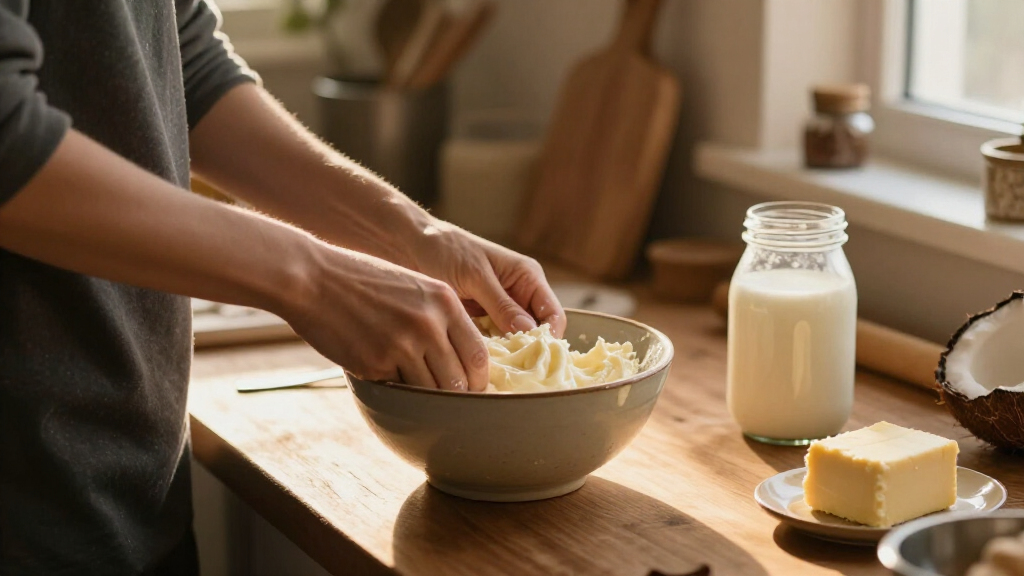
Butter isn’t just about flavor; it’s about the right balance of fat, water, and firmness. High-fat vegan butters designed for baking mimic this best. For cookies, cakes, and pastries, a solid, cold vegan butter that stays firm when chilled works wonders. For brownies or oil-based cakes, neutral oils like grapeseed or sunflower can provide moisture and tenderness without altering the flavor.
For example, using coconut oil in a muffin batter adds richness but melts at a different temperature than butter, so the texture may feel waxy if not adjusted properly. Check whether your vegan butter is salted or unsalted—salt impacts flavor and seasoning. Remember: the goal is to rebuild that rich mouthfeel without dairy, so choose fats that behave similarly in baking.
As an affiliate, we earn on qualifying purchases.
Keep Acidity and Leavening in Balance When Substituting
When replacing buttermilk, yogurt, or sour cream, it’s vital to preserve acidity if the recipe uses baking soda. A simple fix is to add 1 tablespoon of lemon juice or vinegar to plant milk, letting it curdle slightly to mimic buttermilk’s acidity. This reaction helps activate leavening agents, giving your baked goods lift and tender crumb.
For example, a dairy-free pancake that uses soy milk plus lemon juice will rise beautifully, with a fluffy interior and golden crust. Without this step, the batter may be flat or dense. Adjust your liquids accordingly—if your substitute is thicker or thinner than the original, tweak the recipe to keep the moisture balance right.
dairy-free baking flavor enhancers
As an affiliate, we earn on qualifying purchases.
As an affiliate, we earn on qualifying purchases.
Build Richness with Flavor Enhancers and Fats
Richness isn’t just fat; it’s flavor, aroma, and depth. Use vanilla, spices, citrus zest, or toasted nuts to boost flavor complexity. Nut butters, full-fat coconut milk, or plant-based creams add body. Brown sugar, maple syrup, or molasses enrich baked goods with caramel notes and moisture.
For instance, a dairy-free chocolate cake benefits from a splash of espresso or toasted vanilla bean, amplifying its depth. Incorporating toasted nuts into muffin batter adds texture and a nutty aroma that compensates for the absence of dairy’s richness.
Remember: balancing these flavor enhancers with your fats and sweeteners creates a layered, satisfying taste without relying solely on sugar or dairy.
Matching Substitutions for Key Dairy Ingredients
| Dairy Ingredient | Best Replacement | Important Consideration |
|---|---|---|
| Milk | Unsweetened soy or oat milk | Replace 1:1; choose unflavored for neutral taste |
| Buttermilk | Plant milk + lemon juice or vinegar | Preserves acidity needed for leavening |
| Butter | High-fat vegan butter or solid plant-based fat | Check salt content; handle cold for flaky pastry |
| Melted butter | Vegan butter or neutral oil | Oil is 100% fat, may alter crumb softness |
| Heavy cream | Plant whipping cream or full-fat coconut milk | Flavor varies; coconut adds coconut flavor |
| Yogurt | Unsweetened dairy-free yogurt | Match thickness and fat level |
| Sour cream | Thick plant yogurt or vegan sour cream | Thin versions may need thickening |
| Cream cheese | Vegan cream cheese designed for baking | Some soften or melt when heated; test first |
How Substitutions Change Different Bakes
Cakes and muffins are usually forgiving. Soy or oat milk, vegan butter, and plant yogurt work well, especially when oil is used for moisture. Expect a tender crumb, rich flavor, and good browning. Keep in mind: vegan butters vary; some may not cream as well, affecting rise and texture.
Cookies depend heavily on fat and temperature. Vegan butter with more water can cause spreading, so chilling the dough helps. Test one before baking the entire batch.
Brownies thrive with simple swaps—neutral oil, vegan butter, or a combo work fine. Their chocolate and sugar base masks minor differences in fat choice.
Enriched breads rely on soy milk and plant fats for structure. Adjust hydration if needed. Pie crusts and biscuits need cold, firm fats like vegan butter or suitable plant shortenings. Chilling before baking ensures flaky layers.
Laminated doughs, like croissants, demand firm, cold plant butter formulated for lamination. Soft spreads won’t work. Custards benefit from high-protein plant milks and thick plant yogurts. Whipping plant-based creams can produce satisfying frostings and ganache, but watch for consistency and flavor.
How to Nail Browning and Flavor When Baking Dairy-Free
Plant milks brown differently than dairy milk—often less or unevenly—because of their sugar and protein content. To get a golden crust, brush pastries with soy milk, oat milk, or plant cream mixed with a touch of maple syrup or oil. Watch carefully: added sugars darken quickly.
Caramelization and browning depend on sugar levels and heat. Toasting nuts, caramelizing sugars, and roasting ingredients deepen flavors, compensating for the milder browning of plant milks. For example, brushing a vegan pie crust with a soy milk and maple glaze creates a beautiful, golden finish.
Latest Trends in Dairy-Free Baking for Rich Results
Newer plant-based ingredients are transforming dairy-free baking. Cultured plant fats and fermented products create complex flavors similar to dairy. Better plant creams—like whipped oat or soy—offer richer textures. High-protein plant milks improve structure and emulsification, making baked goods more satisfying.
Specialized ingredients—like plant-based evaporated milk, cream cheese, and milk powders—are becoming common, giving bakers more tools. Fermentation technology produces milk proteins without animals, but these may still carry allergen concerns. Advances in formulation aim to replicate the richness and mouthfeel of dairy with plant ingredients, making dairy-free baking more reliable than ever.
Frequently Asked Questions
Can I replace dairy milk with plant milk in equal amounts?
Yes, most recipes like cakes, muffins, and pancakes work well with a 1:1 swap using unsweetened soy or oat milk. For richer results in custards or cream-heavy recipes, choose higher-protein or higher-fat plant milks and adjust liquids if needed.
What is the best dairy-free milk for baking?
Unsweetened soy milk is often the most dependable because of its high protein content. Oat milk’s creaminess and mild flavor also perform well. The best choice depends on your specific recipe and texture preferences.
What is the best substitute for butter?
A high-fat vegan butter stick designed for baking best mimics butter’s texture and flavor. For oil-based recipes, neutral oils like grapeseed or sunflower work well, especially in muffins and brownies. Keep in mind the differences in water content and melting behavior.
Can I substitute oil directly for melted butter?
Often, yes, but not perfectly. Oil is 100% fat, so it can make baked goods richer and more tender, but may also alter crumb and moisture. Adjust quantities and consider the recipe’s needs—more oil can sometimes lead to greasier results.
How do I make dairy-free buttermilk?
Mix 1 tablespoon lemon juice or vinegar into 1 cup of unsweetened plant milk. Let it sit for 5 minutes until slightly thickened and curdled, then use as you would traditional buttermilk. Soy milk curdles most effectively due to its higher protein content.
Conclusion
Replacing dairy in baking isn’t about copying ingredients; it’s about understanding their roles and matching them with the right plant-based alternatives. When you do, you unlock a world of rich, satisfying treats that everyone can enjoy—dairy-free or not.
Remember, small tests, adjustments, and flavor-building are your best friends. With practice, you’ll craft dairy-free baked goods that stand toe-to-toe with the classic favorites—rich, moist, and delicious every time.