

TL;DR

Get baking supplies delivered free with Prime
- Fast, free delivery on millions of items
- Prime Video, Amazon Music and more included
- Member-only deals all year
Making allergy-friendly baking involves understanding what to avoid, preventing cross-contact, and choosing the right substitutes. Recipes designed for exclusions perform better and help everyone enjoy treats without worry.
Imagine biting into a warm, chocolate-chip muffin, feeling the rich aroma and soft crumb—only to remember it’s free from eggs, dairy, and wheat. Allergy-friendly baking is more than just removing ingredients; it’s about crafting treats that are safe, enjoyable, and inclusive. If you’ve ever hesitated over baking for family or friends with allergies, you’re not alone.
In this guide, you’ll learn how to identify allergens, prevent cross-contact, and choose the best substitutes. Plus, practical tips on making recipes that everyone can enjoy—without sacrificing flavor or texture. Whether you’re baking for kids’ parties or family dinners, these strategies will help you create safe, delicious treats with confidence.
Always identify and verify each person’s specific allergens before baking.
Prevent cross-contact by using dedicated tools, clean surfaces, and careful storage.
Choose recipes specifically designed for allergen exclusions for the best results.
Replace ingredients by their functional roles—eggs, milk, flour—to maintain texture and flavor.
Create inclusive, one-bake solutions that everyone can enjoy, reducing complexity and risk.
Know Exactly What Allergens to Avoid and Why It Matters
The first step in allergy-friendly baking? Knowing what to avoid. Food allergies aren’t the same as intolerances—they can trigger serious reactions with even tiny amounts. For example, someone with a peanut allergy reacts to just a trace, while a milk allergy requires avoiding all milk proteins.
Common allergens in baking include milk, eggs, wheat, peanuts, tree nuts, sesame, soya, and gluten-containing grains. Confirm each person’s specific allergens and read labels carefully. Remember, ‘vegan’ doesn’t automatically mean allergy-safe, and cross-contact can happen in the tiniest ways—like shared utensils or open flour bags.
Understanding why these allergens matter is crucial. For instance, cross-contact with nuts in shared equipment can inadvertently introduce traces into your baked goods, posing severe risks for allergic individuals. Recognizing the potential for hidden sources of allergens—such as flavorings, additives, or shared packaging—helps prevent accidental exposure. This awareness empowers you to make informed choices, prioritize safety, and avoid the devastating consequences of allergen exposure.
Products Worth Considering

Instant Pot Duo 6-Quart 7-in-1 Electric Pressure Cooker

Cuisinart Stainless Steel Bread Maker, 12 Programs, 2 lb Capacity
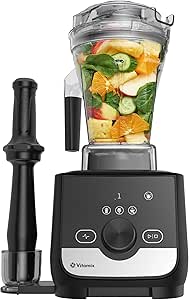
Vitamix Ascent X3 Professional-Grade Blender, 3 Programs, Shadow Black
As an affiliate, we earn on qualifying purchases.
Prevent Cross-Contact: Your Secret Weapon for Safe Baking
Cross-contact is sneaky. It can happen through shared work surfaces, utensils, or even airborne flour dust. For example, using the same spoon for nut butter and your baking bowl can transfer traces of nuts—dangerous for nut-allergic kids.
Good precautions include:
- Cleaning surfaces thoroughly before starting
- Washing hands often
- Using dedicated, labeled utensils and bowls
- Keeping allergen-free ingredients in sealed containers
- Preparing allergy-safe portions first
- Using separate baking trays and racks when needed
Meticulous attention to cross-contact isn’t just about cleanliness; it’s about understanding how even microscopic traces can trigger severe reactions. For example, a tiny amount of nut residue on a spatula can cause a life-threatening reaction in someone with nut allergies. This means that ordinary cleaning routines may not be sufficient—dedicated equipment, sealed storage, and careful preparation are essential. Recognizing the subtle ways allergens can transfer helps you implement effective strategies to protect allergic individuals and ensure peace of mind during baking.
Read Every Label Every Time: Why It’s Your Best Safety Net
Every ingredient needs a careful check, even if you’ve used it before. Packaged flour, chocolate, or flavorings can change manufacturing processes. For example, a bag of flour labeled ‘gluten-free’ one year might not be the next if the supplier’s standards shift.
Pay attention to statements like ‘may contain’ or ‘produced in a facility that also processes nuts.’ These warnings are critical, as they indicate potential cross-contact risks. Always double-check ingredients for allergens, especially when baking for someone with severe allergies. This vigilance isn’t just about compliance; it’s about safeguarding health. Even small lapses in label reading can lead to accidental exposure, which might result in allergic reactions—sometimes severe or life-threatening. Developing a habit of meticulous label scrutiny acts as a vital safety net, helping you catch hidden sources of allergens and avoid dangerous surprises.
Replace Function, Not Just Ingredients: The Secret to Tasty Allergy-Friendly Bakes
Removing allergens isn’t enough—you need to replace what they do in your recipe. Eggs, for example, bind, aerate, and add moisture. Milk provides richness, and wheat gives structure. Swap each with care, but also consider the implications of these replacements on the final texture and flavor. For instance, using flax eggs may provide binding but can alter the crumb or density of baked goods. Milk substitutes like coconut milk add richness but might change the flavor profile. Wheat flour offers gluten, which provides elasticity and structure—replacing it with gluten-free blends requires understanding how these alter the bake’s texture and stability. Choosing the right substitute involves understanding what role each ingredient plays and how the replacement might affect the overall outcome. Sometimes, small adjustments—like increasing binding agents or moisture—are necessary to achieve the desired consistency. This thoughtful approach ensures your baked goods remain appealing, with textures and flavors close to traditional recipes, even without common allergens.
Frequently Asked Questions
Can I replace an egg with one universal substitute?
Not quite. The best substitute depends on the role eggs play—binding, leavening, or moisture. Flax gel works well for binding cookies, while aquafaba is great for whipped meringues. Always match the substitute to the recipe’s needs.What is the easiest substitute for milk?
A neutral-flavored plant drink like oat or rice milk usually works in most baked goods. Soya milk behaves similarly to dairy, but check for allergens. Coconut milk adds richness but also flavor, so choose based on your recipe.Is dairy-free the same as lactose-free?
No. Dairy-free means no milk proteins, while lactose-free products still contain milk proteins and can cause reactions in those with milk allergies. Always check labels carefully.Does vegan mean allergy-safe?
Not necessarily. Vegan baked goods can contain wheat, soy, nuts, or sesame. Always read labels and allergen warnings—vegan doesn’t automatically mean free from all common allergens.Are oats gluten-free?
Oats are naturally gluten-free but often contaminated during processing. Look for oats labeled ‘gluten-free’ if managing coeliac disease, and follow your healthcare provider’s advice.Conclusion
Allergy-friendly baking isn’t about compromise; it’s about creativity and care. With attention to ingredients, cross-contact, and recipe design, you can craft treats that are safe, tasty, and inclusive. Think of it as a chance to experiment and make every bite a celebration of everyone’s needs.
Next time you bake, remember: safety starts with awareness, but joy comes from sharing good food—made safely, for everyone.