
TL;DR

Get baking supplies delivered free — and shop member deals
- Fast, free delivery on millions of items
- Access to Prime Big Deal Days deals on October 6–7
- Prime Video, Amazon Music and more included
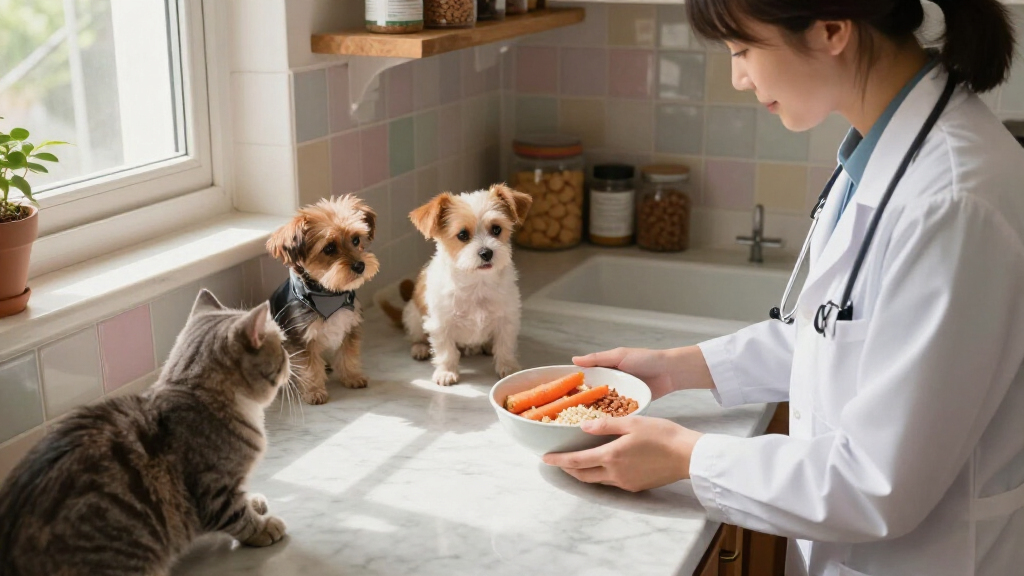
A veterinary nutritionist has responded to widespread doubts and myths about feeding dogs and cats. The clarification aims to dispel misinformation and promote better pet nutrition practices.
A veterinary nutritionist has publicly responded to rising public doubts and myths surrounding the feeding of dogs and cats, aiming to clarify misconceptions and promote scientifically supported dietary practices. The response comes amid a surge in online searches and discussions about pet nutrition, highlighting the importance of accurate information for pet health.
Recent online trends indicate a spike in searches related to pet diets, with many owners questioning traditional feeding methods and believing in various myths about what is best for their animals. In response, a veterinary nutritionist has issued clear guidance, emphasizing the importance of balanced, species-specific diets grounded in scientific evidence. She warns against unverified diets promoted on social media and stresses that feeding practices should be tailored to each pet’s health needs, age, and activity level.
The nutritionist clarified that while some homemade diets can be safe if properly formulated, many popular recipes lack essential nutrients and can harm pets if not carefully managed. She also addressed misconceptions about raw diets, explaining that they can pose health risks such as bacterial infections if not handled correctly. Her statements aim to provide pet owners with reliable, evidence-based information to improve their animals’ health and wellbeing.
Why Accurate Pet Nutrition Guidance Matters
Correct information about pet diets is crucial for maintaining animal health, preventing nutritional deficiencies, and avoiding diet-related illnesses. Misinformation can lead to harmful practices, such as inadequate or unbalanced homemade diets, which may cause long-term health issues. This clarification by a veterinary nutritionist helps combat the spread of false claims, supporting responsible pet ownership and promoting the welfare of dogs and cats.
As an affiliate, we earn on qualifying purchases.
Rising Public Interest in Pet Diets and Myths
Over recent months, online searches and social media discussions about pet nutrition have surged, reflecting growing concern among pet owners about what their animals should eat. This trend is partly driven by the proliferation of unverified diet plans and myths circulating on platforms like Facebook, Instagram, and specialized forums. While some owners seek to improve their pets’ health through alternative diets, many fall prey to misinformation that can jeopardize their animals’ wellbeing. The veterinary community has increasingly been called upon to provide clear, science-based guidance amidst this landscape of conflicting advice.
As an affiliate, we earn on qualifying purchases.
Unverified Claims and Ongoing Misinformation
While the veterinary nutritionist has provided clear guidance, it remains unclear how widespread the misinformation is or how much it influences pet owners’ choices. The extent of unverified diet plans circulating online and their impact on pet health are still being assessed. Additionally, the effectiveness of current educational efforts to combat false myths has yet to be fully evaluated.
As an affiliate, we earn on qualifying purchases.
Next Steps in Promoting Reliable Pet Nutrition Information
Veterinary associations and animal welfare organizations are expected to increase efforts to disseminate accurate, science-based guidance through social media, veterinary clinics, and public campaigns. Further research into the most common myths and effective communication strategies will help improve public understanding. Monitoring online trends and misinformation will remain a priority to address emerging false claims promptly.
As an affiliate, we earn on qualifying purchases.
Key Questions
What are common myths about feeding dogs and cats?
Common myths include the belief that raw diets are always safer, that homemade diets can replace commercial pet food, and that certain human foods are universally beneficial or harmful without considering the pet’s specific needs.
Can homemade diets be safe for pets?
Homemade diets can be safe if formulated by a veterinary nutritionist to meet all nutritional requirements. However, many recipes found online lack essential nutrients and can pose health risks if not properly balanced.
Are raw diets dangerous for pets?
Raw diets carry potential risks such as bacterial infections for pets and humans handling the food. Proper handling and veterinary supervision are essential if owners choose to feed raw diets.
How can I ensure I am feeding my pet correctly?
Consult a qualified veterinary nutritionist or veterinarian to develop a diet plan tailored to your pet’s age, breed, health status, and activity level. Avoid relying solely on unverified online sources.
What should I do if I suspect my pet is on an unbalanced diet?
Seek veterinary advice promptly. A veterinarian can assess your pet’s health, recommend appropriate dietary adjustments, and prevent potential nutritional deficiencies or health issues.
Source: rss
Fall Picks
fall essentials
As an affiliate, we earn on qualifying purchases.