
TL;DR

Get baking supplies delivered free with Prime
- Fast, free delivery on millions of items
- Prime Video, Amazon Music and more included
- Member-only deals all year
Lower-calorie baking relies on simple swaps like applesauce for butter, natural sweeteners for sugar, and fiber-rich flours. When done right, these changes keep your baked goods moist, flavorful, and satisfying, supporting healthier eating without sacrificing enjoyment.
Imagine biting into a warm muffin, rich in flavor, yet knowing it packs fewer calories. That’s the power of smart swaps. No more sacrificing taste for health—these small ingredient changes can make all the difference in your baking.
Whether you’re managing weight, cutting down on processed ingredients, or just want lighter treats, understanding which swaps work best is key. In this guide, you’ll learn practical, proven changes that don’t ruin the experience of a good bake.
Replacing butter with applesauce or yogurt can cut calories and add moisture, but recipe adjustments are necessary.
Natural sweeteners like erythritol and stevia significantly reduce sugar calories with minimal impact on taste when used correctly.
Using fiber-rich flours such as coconut or almond flour boosts nutrition and can replace part of traditional flour.
Careful adjustments—like adding extra eggs or reducing liquids—are vital when swapping ingredients.
Small portion sizes or mini treats can help enjoy lower-calorie baked goods without feeling deprived.
How to Replace Butter Without Losing Moisture or Flavor
Switching out butter in baking is possible without sacrificing moistness or richness. The secret? Use applesauce, mashed bananas, or Greek yogurt. These ingredients add moisture and tenderness, mimicking butter’s role. The implication is that these substitutes can keep baked goods moist and flavorful without the added fat and calories of butter. However, there’s a tradeoff: these replacements can alter the texture, sometimes making baked goods denser or softer than traditional recipes. For example, applesauce adds moisture but can slightly change the crumb structure, so you might need to tweak the amount of flour or eggs. Understanding these nuances helps you balance health benefits with the desired texture, ensuring your treats stay appealing and satisfying.
For instance, swapping half the butter in a muffin recipe with applesauce reduces calories and fat, while keeping the crumb soft. Just remember: applesauce can make baked goods slightly denser, so tweak your recipe accordingly.
Products Worth Considering

KitchenAid Artisan 5-Quart Tilt-Head Stand Mixer, Almond Cream

Vitamix 5200 Professional-Grade Blender, 64 oz. Container, Black

Instant Pot InstantChill Ice Cream Maker with Rolled Ice Cream Cold Plate, 2-Pint
As an affiliate, we earn on qualifying purchases.
The Best Natural Sweeteners That Cut Sugar Calories Drastically
Natural sweeteners like stevia, erythritol, and monk fruit can slash sugar calories by over 90%. These options often have a more neutral or mild aftertaste, especially when balanced correctly. The significance of choosing these sweeteners lies in their ability to provide sweetness without the blood sugar spike associated with regular sugar, which is especially beneficial for those managing diabetes or weight. Yet, there are tradeoffs: some natural sweeteners can have aftertastes or cause digestive discomfort if used excessively. For example, erythritol may cause bloating in some individuals, and stevia can have a bitter note if used in large quantities. Therefore, understanding how to balance these sweeteners—like blending them with natural flavors or using smaller amounts—ensures a pleasant taste without unwanted side effects. This deepens your control over the health impacts and flavor profile of your baked goods, making the swap both effective and enjoyable.
For example, replacing half the sugar in a cookie recipe with erythritol keeps sweetness, cuts calories, and prevents a spike in blood sugar. Start small, and adjust to taste—your taste buds will thank you.
Comparing Flours: Almond, Coconut, and Whole Wheat
| Flour Type | Calories per 1/4 cup | Key Benefits | Notes |
|---|---|---|---|
| Almond Flour | 160 | High in healthy fats, protein, fiber | Rich flavor, moist texture, best for gluten-free baking |
| Coconut Flour | 120 | Very high in fiber, low in carbs | Absorbs more liquid, needs recipe adjustments |
| Whole Wheat Flour | 100 | Fiber-rich, nutrient-dense | Stronger flavor, denser texture, good for bread and muffins |
How to Keep Texture and Flavor When Cutting Calories
Reducing calories doesn’t mean sacrificing moistness or flavor. Incorporating ingredients like Greek yogurt for tender crumb, oats for chewiness, or seeds for crunch can help maintain the sensory qualities we associate with indulgent baked goods. These ingredients also contribute additional nutrients, making your treats more wholesome. The tradeoff involves understanding that these additions can slightly alter the flavor profile or texture. For example, adding Greek yogurt can enhance moistness but may introduce a subtle tang, which can be balanced with vanilla or sweet spices. Similarly, oats add chewiness but can change the crumb structure, so adjusting baking times or flour ratios might be necessary. Recognizing these implications allows you to craft lower-calorie baked goods that still deliver on taste and texture, leading to more satisfying and nutritious results.
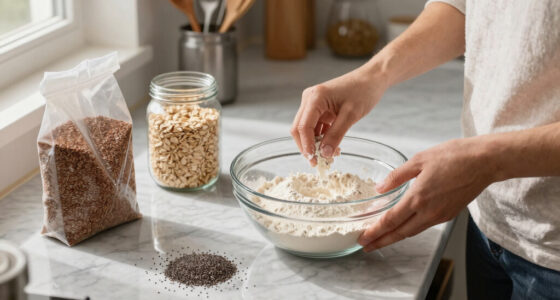
For example, adding a tablespoon of chia seeds to muffin batter not only increases fiber but adds a subtle crunch and helps retain moisture.
Frequently Asked Questions
Will lower-calorie swaps make my baked goods taste bland?
Not if you choose the right ingredients and adjust your recipe. Natural sweeteners and flavorful fats like Greek yogurt can enhance taste while reducing calories. Experiment with small batches to find the perfect balance for your palate.
Can I replace all the butter and sugar in my recipes with healthier options?
While you can swap many ingredients, replacing all fats and sugars may change the texture or flavor significantly. Start by reducing these ingredients gradually, and tweak other components to maintain quality.
Are there any downsides to using alternative flours like coconut or almond?
Yes, these flours absorb more liquid and can alter texture. They also have distinct flavors that may not suit every recipe. Adjust liquids and flavors accordingly, and experiment to find what works best.
Do natural sweeteners have any health concerns?
Most are considered safe when used in moderation. Some, like erythritol, may cause digestive discomfort in large quantities. Always read labels and use according to recommended amounts.
Will lowering calories in baked goods ruin the classic texture?
Not necessarily. With the right ingredient choices and adjustments, you can preserve moistness, tenderness, and flavor. It’s all about balancing ingredients thoughtfully.
Conclusion
Smart swaps make it possible to bake lower-calorie treats that still delight your senses. The key is balancing moisture, sweetness, and texture — a little experimentation goes a long way.
Next time you reach for butter or sugar, remember: healthier options don’t have to mean bland or dry. With a few simple tweaks, your baked goods can be both nourishing and irresistibly delicious.