TL;DR
Cross-contamination occurs when allergens transfer between foods via shared equipment or surfaces, risking severe reactions. Bakers can prevent this with dedicated tools, thorough cleaning, and clear protocols. Consumers should read labels and ask questions to stay safe.
Imagine biting into a cookie that should be nut-free—only to find it contains a trace of almonds. For someone with a nut allergy, that tiny speck of residue isn’t just a flavor mismatch; it’s a potential health emergency.
In the world of baking, cross-contamination lurks around every corner—shared bowls, utensils, surfaces. Many bakers overlook these small details, but for allergy sufferers, they can mean the difference between safe indulgence and a life-threatening reaction.
This guide reveals how cross-contamination happens in bakeries and kitchens, why it matters, and what practical steps you can take or expect from responsible bakers to keep allergens at bay.
Always ask about dedicated equipment and cleaning protocols when buying baked goods if you have allergies.
Use color-coded tools and clearly segregate ingredients to minimize cross-contact risks.
Thorough cleaning of surfaces and utensils between batches is non-negotiable.
Bakers should implement strict training and protocols for allergen management to protect sensitive customers.
Recognizing the tiny but mighty role of residues helps prevent dangerous allergic reactions.
Cross-Contamination in the Kitchen
The allergy risks bakers miss are often invisible: residue on a whisk, flour dust beside a “safe” mix, or one gloved hand moving between ingredients. For an allergic customer, a trace can turn a treat into a medical emergency.
How allergens sneak into a “safe” bake
Cross-contact occurs when allergenic material moves from one food, person or surface to another. A product can contain no allergen in its recipe and still become unsafe during preparation, cooling, storage or packaging.
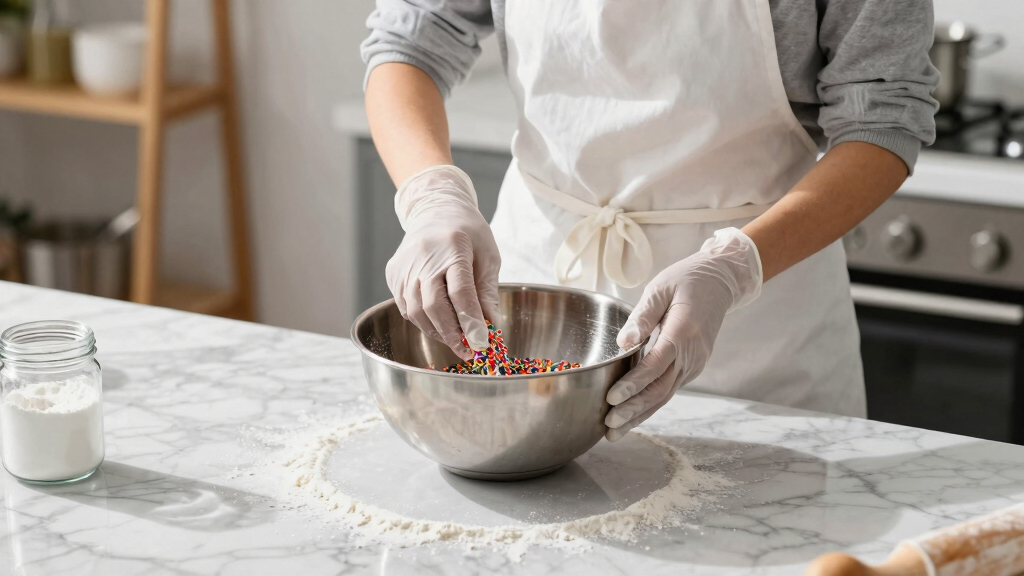
Shared bowls and mixers
Residue can remain around seams, attachments, rims and scratches after a quick rinse.
Benches and trays
Flour dust, crumbs and nut particles spread across counters, baking sheets and cooling racks.
Hands and gloves
Touching a new ingredient without washing hands or changing gloves carries residue forward.
Open containers
Nearby scoops, airborne dust and poorly sealed ingredients can contaminate segregated stock.
Wrong batch order
Preparing allergen-free items after allergen-heavy recipes raises exposure without a full reset.
Cooling and packaging
Shared racks, tongs, display cases and wrapping stations can undo careful preparation.
The biggest offenders bakers overlook
The bars show practical persistence and cross-contact concern—not reaction prevalence. Powders, sticky proteins, textured tools and hard-to-reach equipment increase the difficulty of complete removal.
A disciplined four-step reset
Prevention depends on repeatable systems. Color coding reduces confusion, proper washing removes residue, segregation limits transfer, and training makes those controls consistent across every shift.
Dedicate and color-code
Assign bowls, spatulas, scoops and measuring cups to specific allergen-control workflows.
Clean every contact point
Wash with hot, soapy water. Include handles, seals, attachments, cracks and drying areas.
Seal, label and segregate
Keep safe ingredients in closed, clearly marked containers on a dedicated shelf or zone.
Train and verify
Document batch order, hand hygiene, equipment checks, labeling and escalation procedures.
| Control factor | Shared equipment | Dedicated equipment | What responsible bakers do |
|---|---|---|---|
| Residue pathway | ✗ Remains possible | ✓ Strongly reduced | Inspect hard-to-clean joins and attachments |
| Reliance on cleaning | ✗ Very high | ✓ Lower | Use written cleaning and verification steps |
| Human-error exposure | ~ Moderate to high | ✓ Lower with labeling | Color-code tools and train every handler |
| Upfront cost | ✓ Lower | ~ Higher | Prioritize equipment with complex surfaces |
| Best fit | Controlled, lower-risk workflows | Severe-allergy service | State limitations honestly to customers |
What good allergen management looks like
Absolute elimination can be difficult in a mixed kitchen. Trustworthy bakeries combine physical controls, documented procedures and transparent communication rather than making vague safety promises.
Batch order
Prepare allergen-controlled products first, after a verified clean-down.
Ingredient control
Use sealed, labeled stock and dedicated scoops in segregated storage.
Full-path separation
Protect cooling, decorating, display and packaging—not only mixing.
Clear disclosure
Explain shared-facility limitations and label relevant allergens accurately.
Dedicated tools reduce risk. Meticulous cleaning closes gaps. Clear protocols keep every batch accountable—and honest answers help consumers make safer choices.
What is cross-contamination, and why should you care?
Cross-contamination is the transfer of allergens from one food or surface to another. In baking, it often happens when a nut-dusted spoon touches a batch of gluten-free cookies—the tiny specks transfer, turning a safe treat into a risky one.
For allergy sufferers, even a tiny amount—less than a grain of sand—can trigger reactions. Severe cases can lead to anaphylaxis, a fast-developing, life-threatening response. That’s why understanding how allergens sneak in matters so much.
Think of cross-contamination as a game of invisible tag—where allergens are the ‘it’ players, passing from one item to another via shared tools, surfaces, or hands. This transfer isn’t always obvious, which is why it’s so dangerous. Small residues can linger on equipment or surfaces long after cleaning, creating hidden hazards that can cause unpredictable reactions. Recognizing this helps both bakers and consumers appreciate the importance of meticulous hygiene and protocol adherence to prevent dangerous cross-contact.

ALLERGEN MANAGEMENT MADE EASY: Prevent Cross-Contact & Labeling Errors in Just Half a Day
As an affiliate, we earn on qualifying purchases.
As an affiliate, we earn on qualifying purchases.
How does cross-contact sneak into your baked goods?
Cross-contact in baking happens through common pathways—shared equipment, surfaces, and even the baker’s hands. Here’s a quick look at the typical sources:
- Using the same mixing bowls or utensils for allergen and allergen-free ingredients.
- Not thoroughly cleaning countertops or baking sheets between batches.
- Handling multiple ingredients without changing gloves or washing hands.
- Storing allergen-containing ingredients near safe ones.
For example, a baker might scoop nuts into a bowl, then pour flour without washing tools. The tiny nut particles cling and contaminate the flour, which later ends up in a gluten-free cake. This seemingly small oversight can have serious consequences, especially for those with severe allergies. The implications are that even brief lapses in cleaning or separation can introduce allergens into safe products, turning an otherwise safe treat into a hazard. This underscores the importance of strict procedures, as the cumulative effect of small mistakes can significantly increase risk for sensitive individuals.
In real-life kitchens, this can happen in seconds. That’s why diligent cleaning and separation are vital to prevent accidental exposure and protect health.

AOTHOD Silicone Cooking Utensils Set – 446°F Heat Resistant Silicone Kitchen Utensils,Spatula,Spoon, Kitchen Utensil Sets Gadgets Tools Set for Nonstick Cookware,Dishwasher Safe BPA FREE (Multicolor)
- Food-Grade Safe Silicone: BPA-free, heat resistant up to 446°F
- Nonstick Cookware Friendly: Soft, elastic silicone prevents scratches
- Seamless Design & Easy to Clean: No food residue, dishwasher safe
As an affiliate, we earn on qualifying purchases.
As an affiliate, we earn on qualifying purchases.
The biggest allergen offenders bakers often overlook
Some allergens are more sneaky than others. Nuts, gluten, dairy, eggs, soy, and sesame top the list. Bakers may think they’re safe if they wash their tools, but tiny residues can cling stubbornly, and the implications are significant. For example, residual nut particles on a spoon or bowl can remain even after rinsing, especially if cleaning isn’t thorough. This means that even seemingly clean utensils can carry dangerous traces, risking severe allergic reactions. Recognizing these offenders and understanding their persistence emphasizes why comprehensive cleaning and dedicated equipment are crucial. The tradeoff here is between cost and safety—dedicated tools and strict protocols might require more resources, but they dramatically reduce the risk of accidental allergen transfer. For consumers, awareness of these hidden dangers underscores the importance of asking questions and trusting bakeries that prioritize allergen safety. For bakers, it’s a reminder that superficial cleaning isn’t enough—meticulous attention to detail can be the difference between safety and tragedy.
Understanding these common offenders helps you spot where risks hide and why diligence is non-negotiable in allergen management.
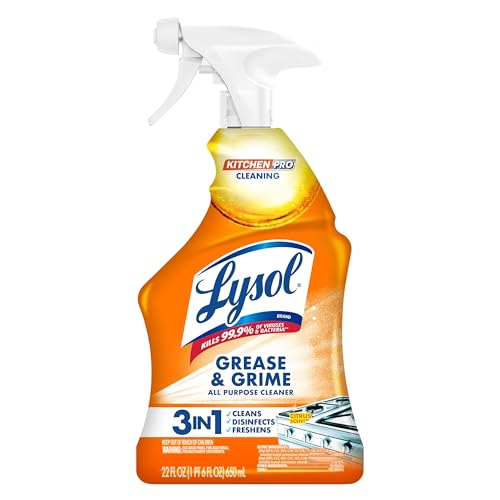
Lysol Pro Kitchen Spray Cleaner and Degreaser, Antibacterial All Purpose Cleaning Spray for Kitchens, Countertops, Ovens, and Appliances, Citrus Scent, 22oz
- Kills 99.9% of Viruses and Bacteria: Eliminates common kitchen pathogens
- Removes Tough Grease and Grime: Cuts through baked-on grease easily
- No Harsh Chemical Residue: Safe for countertops and appliances
As an affiliate, we earn on qualifying purchases.
As an affiliate, we earn on qualifying purchases.
How to prevent cross-contact in your baking process
Preventing allergen cross-contact is a matter of discipline and organization. Here’s a straightforward 4-step plan:
- Use dedicated tools: Color-code spatulas, bowls, and measuring cups for allergen-free baking. For example, blue for gluten-free, red for nut-based recipes. This reduces the chance of accidental reuse, which is a common source of cross-contact.
- Clean thoroughly and often: Wash all surfaces, utensils, and equipment with hot, soapy water after each use. Pay special attention to cracks and corners where residues can hide. Proper cleaning protocols are essential because residual allergens can cling stubbornly, and incomplete cleaning can lead to contamination in subsequent batches.
- Segregate storage: Keep allergen-containing ingredients separate, in clearly labeled containers away from other supplies. Proper storage minimizes accidental mixing and cross-contact during ingredient retrieval.
- Train staff and yourself: Regularly review allergen protocols, emphasizing hand hygiene and proper handling techniques. Education fosters a culture of safety, reducing human error that often leads to cross-contact.
For example, a bakery might designate a specific shelf for nut-free ingredients and assign a dedicated mixer for those recipes. Small changes like these significantly cut down risks and promote a safety-first environment, which is especially crucial when serving sensitive customers.
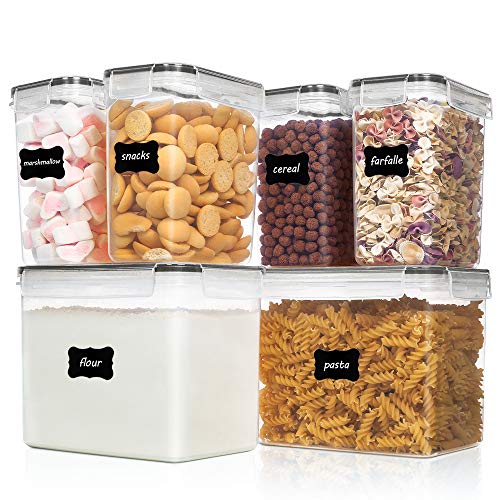
Vtopmart Airtight Food Storage Containers 6 Pieces – Plastic BPA Free Kitchen Pantry Storage Containers for Sugar,Flour and Baking Supplies – Dishwasher Safe – Include 24 Labels, Black
- Variety of Sizes: Includes large and small containers
- Ideal for Food Storage: Perfect for flour, sugar, cereal, and more
- BPA Free Material: Made of durable, food-grade plastic
As an affiliate, we earn on qualifying purchases.
As an affiliate, we earn on qualifying purchases.
The battle of equipment: shared or dedicated?
When it comes to equipment, the choice between shared or dedicated tools is crucial. Dedicated equipment—like a separate mixer for gluten-free baking—eliminates cross-contact risk almost entirely. This is especially important for bakeries that serve customers with severe allergies, where even trace amounts can cause reactions. Shared equipment can be cleaned thoroughly, but residual allergens often cling stubbornly, making complete removal difficult. For instance, a mixer bowl used for nuts might still have tiny nut particles even after cleaning, posing ongoing risks. The implications are clear: investing in dedicated tools can be costly upfront, but it offers peace of mind and enhances safety. The tradeoff involves balancing costs with the potential consequences of cross-contact. For high-volume bakeries, dedicated equipment minimizes liability and builds trust with customers. In environments where resources are limited, rigorous cleaning protocols and careful handling become even more critical, but they don’t fully eliminate the risk. The key is understanding that the safest approach—especially for those with severe allergies—is to use dedicated tools whenever possible, accepting the tradeoff of investment for the safety of vulnerable consumers.
Choosing dedicated tools is an investment in safety—especially vital for bakeries serving allergy-sensitive customers.
What consumers should ask before buying or eating baked goods
If you have allergies, asking the right questions can prevent a dangerous reaction. Don’t assume labels are enough. Here’s what to ask:
- Do you have dedicated equipment for allergen-free products?
- How do you prevent cross-contact during baking?
- Are your ingredients stored separately?
- Can you provide allergen-free certification or labels?
For example, when visiting a local bakery, asking about their cleaning routines or equipment can give you peace of mind. If they hesitate or can’t answer confidently, it might be safer to go elsewhere. Remember, clear communication helps identify whether the bakery actively minimizes risks or simply relies on labels, which may not always be fully accurate. Your questions encourage transparency and can push establishments to improve their safety measures, ultimately reducing your risk of exposure.
What to do if you suspect cross-contact in a bakery
If you suspect cross-contact, act quickly. Contact the bakery to ask about their procedures and ingredients used. If you experience symptoms of an allergic reaction—like swelling, difficulty breathing, or hives—seek medical help immediately. Recognizing symptoms early can be lifesaving, especially since reactions can escalate rapidly. Always carry any prescribed allergy medication, such as an epinephrine auto-injector, just in case. Remember, prompt treatment can prevent severe outcomes. Voicing your concerns also provides feedback that can lead bakeries to improve their safety protocols, reducing risks for future customers. Being proactive and assertive helps protect not only yourself but others in the community who rely on safe, allergen-aware baking practices.
Being proactive can save lives, and voicing concerns can push bakeries to improve their safety protocols.
Frequently Asked Questions
Can cross-contamination be completely avoided in baking?
While it’s very challenging to eliminate all risks, strict protocols—dedicated equipment, thorough cleaning, and proper storage—significantly reduce the chances of allergen transfer. Complete avoidance is difficult, but near-zero risk is achievable with vigilance.What are the most common mistakes bakers make that lead to cross-contact?
Many bakers forget to clean equipment thoroughly, use the same utensils across different ingredients, or store allergen ingredients near allergen-free items. These small oversights add up quickly, increasing the risk for allergy sufferers.How can I tell if a bakery is truly safe for my allergies?
Ask about their equipment, cleaning procedures, and storage practices. Look for allergen-free labels or certifications. Trust your intuition—if they hesitate or can’t answer confidently, consider other options.Are there any technological tools that help prevent cross-contact?
Yes, allergen detection tests and dedicated cleaning equipment can help. Some bakeries use color-coded utensils and surfaces to minimize mix-ups, but human vigilance remains the most effective safeguard.What should I do if I experience an allergic reaction after eating baked goods?
Seek emergency medical care immediately. Use any prescribed medication, such as an epinephrine auto-injector. Contact the bakery afterward to report your experience and help push for safer practices.Conclusion
In baking, tiny oversights can have huge consequences. Staying aware of cross-contact risks and maintaining strict hygiene saves lives—yours or someone else’s.
Remember, a few simple precautions—dedicated tools, diligent cleaning, clear labeling—create a safer, more inclusive baking environment. When in doubt, ask questions. After all, a safe treat is the best treat.