TL;DR

Get baking supplies delivered free with Prime
- Fast, free delivery on millions of items
- Prime Video, Amazon Music and more included
- Member-only deals all year
Different baked goods need tailored storage methods—whether at room temperature, in the fridge, or frozen. Using the right containers and techniques can extend freshness by days or even weeks, saving you money and reducing waste.
Ever bite into a cookie or slice of bread that tastes just as fresh as the day it was baked? That’s no coincidence. Storage plays a huge role in keeping baked goods tasting and feeling like they just came from the oven.
But not all baked treats are created equal. A crusty baguette needs different care than a delicate cake or soft muffins. In this guide, you’ll learn the exact tricks to keep every type of baked good at its peak—without sacrificing flavor or texture. Whether you bake at home or buy in bulk, these practical tips will help you extend freshness and cut down on waste.
Use airtight containers and proper wrapping to significantly extend baked goods’ freshness.
Freeze baked treats in a way that preserves texture—wrap tightly, label, and thaw gently.
Different baked goods have specific storage needs—know whether to keep at room temp, refrigerate, or freeze.
Opt for eco-friendly storage options like silicone bags or glass containers to reduce waste.
Always check baked goods for signs of spoilage before eating—mold, off smell, or texture changes.
How to Keep Bread Fresh Without Making It Soggy or Stale
Bread is best stored in a paper bag at room temperature for 1-2 days. For longer storage, freeze it in a plastic bag, sliced for easy toast later.
Imagine pulling a warm slice from the freezer—perfectly toasted, just like fresh. Use a paper bag for crusty loaves to maintain crunch, but switch to an airtight plastic bag if you plan to keep it longer. Avoid refrigerating bread; it speeds up staling.
The reason these methods matter is that bread’s staling process is mostly due to moisture loss and starch crystallization. Paper bags allow the crust to stay crisp while preventing excess moisture buildup that causes sogginess. Freezing halts staling by stopping moisture migration, and slicing before freezing makes it easy to toast only what you need. Refrigeration, however, accelerates staling because it speeds up starch retrogradation, which is why it’s best avoided unless the bread is already stale or moldy.
Products Worth Considering

Cuisinart Stainless Steel Bread Maker, 12 Programs, 2 lb Capacity

Weber Searwood 600 Wood Pellet Smoker Grill, Black

De'Longhi Dinamica Plus Fully Automatic Espresso Machine
As an affiliate, we earn on qualifying purchases.
The Secret to Soft, Chewy Cookies That Last a Week
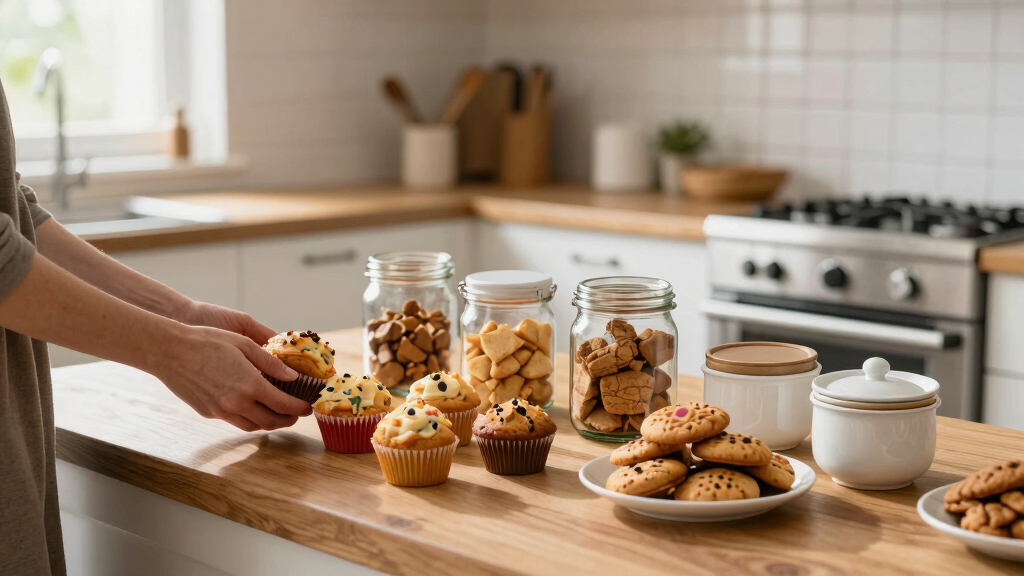
Store cookies in an airtight container at room temperature. For soft cookies, add a slice of bread or a damp paper towel inside the container to help retain moisture.
Picture a batch of freshly baked chocolate chip cookies. When stored properly, they stay soft for days, thanks to the moisture barrier created by an airtight container. Soft cookies are especially sensitive to air exposure, which turns them hard fast.
The addition of a slice of bread or a damp paper towel acts as a moisture reservoir, releasing humidity gradually to keep cookies soft. However, this method requires balance; too much moisture can lead to sogginess or mold, so it’s important to monitor the environment. Using an airtight container minimizes moisture loss and prevents the cookies from becoming stale or hard, which is a common problem when cookies are exposed to air. This approach preserves the ideal chewy texture, which is often a key quality indicator for many cookie lovers.
How to Keep Cakes Fresh and Fluffy for Days
Wrap cakes tightly with plastic wrap or store in an airtight container. Refrigerate if they have perishable fillings or frosting, but bring them to room temperature before serving for the best texture and flavor.
Think about a layered sponge cake with fresh fruit. Refrigeration slows spoilage but can dry out the cake. Wrapping it with plastic prevents moisture loss, while letting it sit at room temp before serving restores the soft crumb you love.
The key here is understanding that cakes are vulnerable to both drying out and spoilage. Wrapping tightly in plastic traps in moisture, preventing the cake from becoming dry and crumbly over time. Refrigeration is necessary for cakes with perishable ingredients but can cause dehydration, leading to a dense or rubbery texture. Allowing the cake to come to room temperature before serving rehydrates the crumb slightly, restoring that freshly baked softness and enhancing flavor. This balance ensures you enjoy the cake at its best, both in texture and taste.
Best Ways to Store Pastries and Puffs Without Losing Flakiness
Store pastries in an airtight container at room temperature for 1-2 days. For longer storage, freeze wrapped in plastic, then reheat in an oven to restore crispness.
Imagine a flaky croissant—if stored in a plastic bag overnight, it becomes soggy. Freezing preserves the layers, and reheating in a hot oven (not microwave) brings back that crispy, buttery crunch.
The challenge with pastries is maintaining their delicate, flaky layers. When exposed to moisture or compressed, these layers tend to collapse or become soggy. Freezing halts staling and keeps the layers intact, but proper reheating is crucial. Reheating in a hot oven allows the pastry to regain its crispness by evaporating residual moisture, unlike microwave reheating, which can create steam and sogginess. This method ensures that your pastries retain their signature flakiness and buttery texture, making each bite as delightful as when freshly baked.
How to Keep Muffins and Quick Breads Fresh for Days
Store muffins and quick breads in an airtight container at room temperature for 1-2 days. For longer, freeze them wrapped tightly in plastic or foil, then thaw at room temperature or gently warm in the oven.
Imagine biting into a blueberry muffin that’s just as moist and flavorful as when it was baked. Proper wrapping prevents moisture loss, while freezing keeps them tasting fresh for weeks.
The reason these methods work is that muffins and quick breads are prone to drying out quickly due to their crumb structure. An airtight container traps humidity and slows evaporation, helping maintain moisture. Freezing in tightly wrapped packages halts staling and preserves flavor for extended periods. Thawing at room temperature or warming gently in the oven allows you to enjoy the baked goodness without sacrificing texture or flavor, ensuring each slice is as satisfying as the first.
Comparison Table: Storage Methods for Common Baked Goods
| Baked Good | Best Storage Method | Stay Fresh For |
|---|---|---|
| Bread | Paper bag at room temp or frozen | 1-2 days (room temp), 3+ months (frozen) |
| Cookies | Airtight container at room temp | Up to 7 days |
| Cakes | Plastic wrap or airtight container | 2-3 days refrigerated, 1 week frozen |
| Pastries | Airtight container, freeze for longer | 1-2 days (room temp), months frozen |
| Muffins/Quick Breads | Airtight container, freeze if needed | 2-3 days (room temp), 1-2 months frozen |
How to Properly Freeze and Thaw Baked Goods
Wrap baked goods tightly in plastic wrap, then foil or put in a freezer-safe bag. Label with date. To thaw, leave at room temperature or warm in an oven for best texture.
Imagine pulling a frozen muffin from the freezer—if wrapped properly, it thaws without losing moisture, keeping that just-baked softness intact. Avoid microwaving for best results, as it can make baked goods rubbery.
Eco-Friendly Storage Ideas That Keep Baked Goods Fresh
Choose reusable silicone bags, glass containers, beeswax wraps, or paper-based packaging. These options reduce plastic waste and maintain freshness just as well as traditional methods.
Think of a set of glass containers stacked neatly in your pantry—easy to clean, long-lasting, and great for preserving the aroma and texture of your baked treats.
Signs Your Baked Goods Have Gone Bad — Don’t Eat That Moldy Loaf!
Look for mold, off smells, a sticky or overly dry texture, or an unusual taste. These are clear signs that baked goods are no longer safe or tasty to eat.
For example, a loaf of bread with fuzzy spots or a cake with a sour smell should be discarded. When in doubt, throw it out—your health comes first.
Conclusion
Keeping baked goods fresh isn’t just about tossing them into a plastic bag. It’s about understanding what each treat needs—moisture, temperature, and protection from air. A little care goes a long way in preserving flavor and texture for days, or even weeks.
So next time you bake or buy in bulk, remember these simple tricks. Your taste buds—and your wallet—will thank you. And that next slice of bread? It’ll taste just as good as the first.