
TL;DR

Get baking supplies delivered free with Prime
- Fast, free delivery on millions of items
- Prime Video, Amazon Music and more included
- Member-only deals all year
Many baking mistakes happen from mismeasured ingredients, overmixing, or incorrect oven temps. This guide offers practical solutions to improve your baking every time, making your treats consistently delicious.
Baking can be a tricky art—mess up just one step, and your masterpiece turns into a disappointment. If you’ve ever had a loaf that didn’t rise or cookies that spread too thin, you’re not alone. But here’s the truth: most errors are simple and fixable.
In this guide, you’ll learn the 10 biggest baking mistakes, why they happen, and—most importantly—how to stop making them. Whether you’re a beginner or a seasoned baker, these tips will help you bake smarter, not harder, and turn out better-looking, tastier treats every time.
Always measure ingredients with a digital scale for consistency.
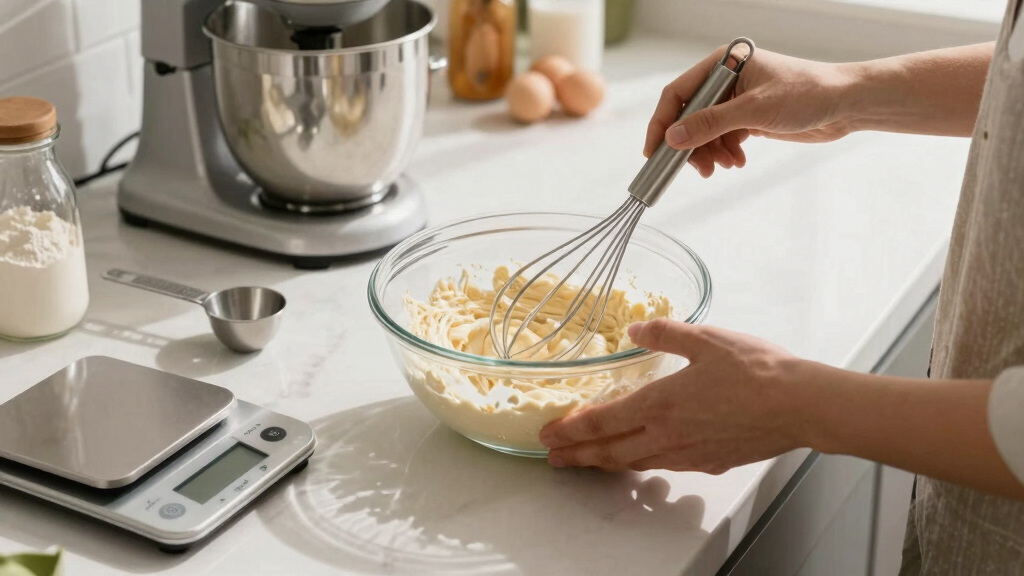
Stop overmixing your batter to avoid dense baked goods.
Calibrate your oven regularly with an oven thermometer.
Use fresh ingredients—baking powder and cocoa are especially sensitive.
Pay attention to timing and visual cues rather than relying solely on timers.
The Top 10 Baking Mistakes—and How to Stop Making Them
Flat cakes, tough muffins and runaway cookies usually come down to a few fixable errors. Measure precisely, protect the batter’s structure and learn what your oven is really doing.
Ten errors. Ten practical corrections.
Most baking failures are not mysterious. Each one leaves clues in the rise, crumb, color or spread—and each has a repeatable prevention strategy.
Measuring by volume
Scooping flour compresses it, adding enough excess to turn a tender cake dry and dense.
Fix: weigh ingredients in grams and tare the scale between additions.Overmixing batter
Excess agitation develops gluten and deflates incorporated air, producing a tough, chewy crumb.
Fix: stop as soon as the last streaks of dry ingredients disappear.Trusting the oven dial
An oven running hot burns edges before the center sets; a cool oven weakens rise and dries the bake.
Fix: use an oven thermometer and calibrate against the true reading.Using stale supplies
Expired leaveners lose lifting power, while old nuts and cocoa contribute flat or bitter flavors.
Fix: date containers, seal them tightly and replace weak leaveners.Ignoring recipe details
Changing quantities or skipping steps disturbs the recipe’s balance of moisture, fat and structure.
Fix: read the full method first and make substitutions deliberately.Choosing the wrong pan
Dark metal browns quickly; glass warms slowly but retains heat; pan size changes batter depth.
Fix: match the specified material and dimensions whenever possible.Rushing the dough
Unrested dough has uneven moisture and tense gluten, encouraging spreading or a tight texture.
Fix: honor proofing, resting and chilling times before shaping or baking.Folding too aggressively
Rough mixing collapses egg-white or whipped-cream foams that delicate cakes need for lift.
Fix: fold gradually with broad, gentle strokes from bottom to top.Following only the timer
Listed times are estimates; oven behavior, pan material and portion size all change doneness.
Fix: combine timing with color, firmness, aroma and center tests.Repeating without reviewing
Rebaking without identifying the failure makes the same disappointing outcome more likely.
Fix: record weights, temperature, pan, timing and visible results.Remove guesswork before mixing begins.
A scale reduces ingredient variation, while an independent thermometer exposes hidden oven error. Together they address two of baking’s biggest sources of inconsistency.
Relative consistency
Scale-based measuring can improve consistency by up to 30% versus volume measurements.
One “cup” is not one weight
Scoop pressure can create a 30g swing in flour—enough to reshape the crumb.
Know how your pan changes the bake.
Bakeware controls how quickly heat reaches the batter. A recipe written for one material may need closer monitoring when baked in another.
| Pan type | Heat behavior | Main risk | Best response | Even browning |
|---|---|---|---|---|
| Light aluminum | Fast, balanced transfer | Usually low | Use recipe temperature | ✓ Strong |
| Dark metal | Absorbs heat rapidly | Burnt edges or bottoms | Check early; consider lower heat | ~ Variable |
| Glass | Slow heating, long retention | Overdone edges, soft center | Allow for retained heat | ~ Moderate |
| Oversized pan | Shallow batter layer | Dry, thin result | Shorten bake and watch closely | ✗ Poor fit |
| Undersized pan | Deep batter layer | Overflow or raw center | Divide batter between pans | ✗ Poor fit |
A repeatable path to a better bake.
Good results come from controlling the sequence. Each stage protects the structure created in the one before it.
⚖ Weigh
Set precise ingredient ratios.
🥣 Mix
Combine without excess gluten.
⏳ Rest
Balance moisture and relax dough.
🌡 Bake
Use verified, stable heat.
👁 Check
Read visual and tactile cues.
Read the failure before the next attempt.
Start with the most likely cause, change one variable at a time and keep a short baking log. Controlled adjustments reveal what actually worked.
Lift never developed
Likely causes include expired leavener, a cool oven, delayed baking or a deflated batter.
Next test: fresh leavener + verified preheat.Too much structure
Excess flour or overmixing creates more gluten than a tender cake or muffin needs.
Next test: weigh flour + mix fewer strokes.Fat melted too soon
Warm dough, a greased tray or insufficient flour can cause uncontrolled spreading.
Next test: chill dough + use a cool lined tray.Exterior heated too fast
A dark pan, hot oven or rack placed too near the heat source can scorch the perimeter.
Next test: thermometer + lighter pan.Heat did not reach through
An undersized pan, excessive batter depth or unstable temperature leaves the middle unset.
Next test: correct pan size + central rack.Moisture was lost
Too much flour, too little fat or prolonged baking removes the tenderness the recipe intended.
Next test: scale ingredients + check earlier.Bake smarter, not harder.
Build these checks into every recipe and consistency stops being luck. Precision and observation are the baker’s most useful tools.
Measure ingredients with a digital scale.
Stop mixing when ingredients are incorporated.
Calibrate the oven with a thermometer.
Use fresh, properly stored ingredients.
Trust doneness cues as well as the timer.
Stop Guessing — Measure Everything with a Digital Scale
Using a digital scale for measuring ingredients is the secret to baking consistency. Unlike volume cups, scales give you precise weights—think grams instead of vague spoonfuls. For example, a cup of flour can range from 120g to 150g depending on how you scoop it. That tiny difference can change your cake from fluffy to dense.
Invest in a good digital scale, and you’ll notice fewer flat cakes, uneven textures, or dry cookies. It’s a game-changer for accuracy.
Products Worth Considering

Le Creuset Enamemed Cast Iron Oval Dutch Oven, 5 qt., White/Crucible

Le Creuset Enameled Cast Iron Round Dutch Oven, 5.5 Qt, Flame

Le Creuset Signature Enameled Cast Iron Round Dutch Oven, 5.5 qt, Deep Teal
As an affiliate, we earn on qualifying purchases.
Avoid Overmixing — Keep Your Batter Light and Fluffy
Overmixing is one of the most common baking mistakes, especially in cakes and muffins. When you beat batter too much, gluten develops and makes baked goods dense or rubbery. Gluten, while essential for bread, can be a villain in delicate baked goods if overdeveloped. The key is to mix just until the dry ingredients are incorporated—this preserves the airiness and tenderness of the final product.
For example, overmixing blueberry muffin batter causes the muffins to turn out heavy, flat, and chewy, because the excess gluten traps moisture and prevents proper rise. The tradeoff is between mixing enough to combine ingredients and overworking the batter, which can ruin texture and crumb.
Keep Your Oven at the Right Temp — Calibrate for Perfect Results
Oven temperature errors are sneaky. Many home ovens run 10-20°F hotter or cooler than the dial indicates, which can cause uneven baking, burnt edges, or undercooked centers. This discrepancy affects how ingredients react—like how leavening gases expand or how heat transforms batter into cake.
Using an oven thermometer helps you understand your oven’s true temperature, allowing you to make precise adjustments. For example, if your oven runs hot, lowering the temperature slightly ensures your baked goods aren’t overbaked on the outside but raw inside. Conversely, a cooler oven might mean longer baking times, risking dryness or uneven rise.
Proper calibration ensures your baked goods develop the right structure, color, and texture, and prevents the frustration of inconsistent results.
Use Fresh Ingredients — Your Baking Depends on It
The quality of your ingredients directly impacts flavor, rise, and texture. Old baking powder or baking soda can lose their potency, resulting in flat or dense baked goods because they won’t produce the necessary leavening gases. Stale nuts or dried fruits can introduce bitterness or dryness, compromising flavor and mouthfeel. Storing ingredients properly—like keeping baking powder in a sealed container and nuts in the fridge—helps maintain their efficacy.
For instance, a stale baking soda won’t react properly with acids in your batter, leading to poor rise. Similarly, dull cocoa powder can dull your brownies’ flavor, making them less rich and appealing. Using fresh ingredients ensures your baked goods are as flavorful and well-textured as intended, and it minimizes the need for adjustments or re-baking.
Follow the Recipe — Don’t Skip the Details
Recipes are like road maps. Skipping steps or ignoring measurements leads to surprises—sometimes good, but often disappointing. For example, adding too much flour because you ‘think’ it needs more will make your bread dense and dry, as excess flour absorbs moisture and inhibits gluten development.
Trust the recipe’s instructions, measure carefully, and follow each step as written. This consistency allows you to understand how each component contributes to the final product. When you deviate, you risk altering the balance of flavors, textures, and structure—sometimes in ways that are hard to fix after the fact.
Choose the Right Bakeware — Not All Pans Are Equal
Using the wrong pan can significantly impact bake time and final texture. Dark aluminum pans absorb heat quickly, leading to faster browning or even burning if not monitored carefully. Glass pans, on the other hand, heat more slowly and retain heat longer, which may require lowering oven temperature or adjusting baking time.
For example, cookies baked on a shiny, light-colored sheet will brown evenly, while dark pans can cause the bottoms to burn before the tops are done. Choosing the appropriate bakeware for your recipe ensures even heat distribution, predictable results, and prevents overbaking or underbaking.
Control Moisture and Temperature — Rest Dough for Better Texture
Resting dough, like for bread, pastry, or cookies, allows flavors to meld and gluten to relax, which improves texture and structure. Skipping this step can lead to tough, chewy bread or flat, unstructured pastries. Resting also helps moisture distribute evenly within the dough, which can prevent cracks or uneven rise.
For example, letting bread dough rest for an hour before shaping allows the gluten network to strengthen, resulting in a more open crumb and better oven spring. Similarly, chilling cookie dough before baking can reduce spreading and create a more controlled, tender crumb. The tradeoff is patience—taking the time to rest your dough enhances the final quality, making your baked goods more refined and enjoyable.
Handle Ingredients Carefully — Don’t Rush the Process
Adding ingredients at the right time and with care influences the final texture and appearance. For example, gently folding whipped egg whites into batter preserves the airiness, resulting in light, fluffy cakes or soufflés. Rushing this step or overmixing can deflate the foam, leading to dense or flat results. The key is to incorporate ingredients gradually and with gentle motions, maintaining the structure that creates lift and tenderness.
Imagine making a soufflé—careful folding is what keeps it light and airy, preventing it from collapsing. This delicate handling is essential for achieving the desired rise and texture, and skipping it can compromise the entire product.
Watch Your Timing — Don’t Undercook or Overbake
Oven times are estimates, and visual cues are more reliable indicators of doneness. Look for golden edges, a firm top, and a clean toothpick inserted in the center. When baking bread, tap the bottom; a hollow sound indicates it’s done. Relying solely on time can lead to underbaked or overbaked results—undercooked bread or over-dried cookies.
Understanding these cues helps you develop a feel for your specific oven and recipe. Proper timing ensures your baked goods develop the right structure, moisture, and flavor, making them consistently perfect.
Troubleshoot Common Failures — Fix Your Mistakes on the Fly
If your cake is flat, check your leavening agents and oven temp. Flat cakes often result from expired baking powder or baking soda, or from an oven that’s too cool. Cookies that spread excessively might need chilling or reduced butter, or could be overmixed. Knowing how to adjust these variables mid-process can salvage your baking session and save ingredients.
For example, refrigerating cookie dough for 30 minutes before baking helps control spreading, especially in warm kitchens. Similarly, if a loaf doesn’t rise, ensure your leavening agents are fresh and your oven is at the right temperature. Being able to troubleshoot quickly minimizes waste and frustration, and helps you learn what adjustments work best for your environment and recipe.
Frequently Asked Questions
How do I know if my oven is calibrated correctly?
Place an oven thermometer inside and set your oven to 350°F (177°C). After 15-20 minutes, check the reading. If it differs by more than 5°F, adjust your oven’s temperature settings or consider professional calibration.
What’s the best way to measure flour accurately?
Use a digital scale to weigh flour, aiming for about 120-130 grams per cup. If you must use volume, spoon the flour into the cup without packing, then level it off with a knife. Avoid scooping directly from the bag, which compresses the flour.
Why did my cake turn out dense or flat?
Common causes include underbaking, too little leavening, or overmixing the batter. Ensure your leavening agents are fresh, don’t overmix, and test your oven temperature. Resting the batter for a few minutes before baking can also help improve rise.
Can I substitute ingredients without ruining my baked goods?
Yes, but with caution. For example, applesauce can replace oil in some recipes, and almond flour can be a gluten-free option. Always consider moisture content and flavor; small adjustments are better than complete swaps without testing first.
Conclusion
Every mistake in baking is a chance to learn. Focus on precise measurements, gentle handling, and patience. Your perfect batch is just a few tweaks away.
Remember, baking is as much about process as it is about results. Keep experimenting, stay curious, and soon, you’ll turn out treats that make everyone ask for your secret.