
TL;DR
Hydration percentage, or the amount of water relative to flour, is the single most influential factor in bread dough. Adjusting this number changes texture, crumb, and crust—making your bread lighter, airier, or denser, depending on your goal.
Ever notice how some loaves are chewy with dense crumbs, while others are light and airy? The secret often lies in one simple number: hydration. That’s the percentage of water you mix into your flour. It’s not just about wet or dry—it’s about how this ratio shapes your entire loaf.
Mastering hydration transforms your baking from guesswork to precision. It influences how the dough feels, how it rises, and what it tastes like. Whether you’re aiming for a crusty baguette or a soft sandwich bread, understanding this one number can make all the difference.
Hydration percentage is the single most influential factor in dough behavior and final bread texture.
Most artisan breads fall between 60-80% hydration, balancing handling ease with open crumb quality.
Adjust hydration gradually—small water increments help fine-tune dough consistency without overcorrecting.
Higher hydration speeds fermentation and enhances flavor but requires careful handling and technique.
Use tools like stretch and fold, couche, and bench scraper to manage sticky, high-hydration doughs effectively.
What exactly is hydration in bread baking—and why does it matter?
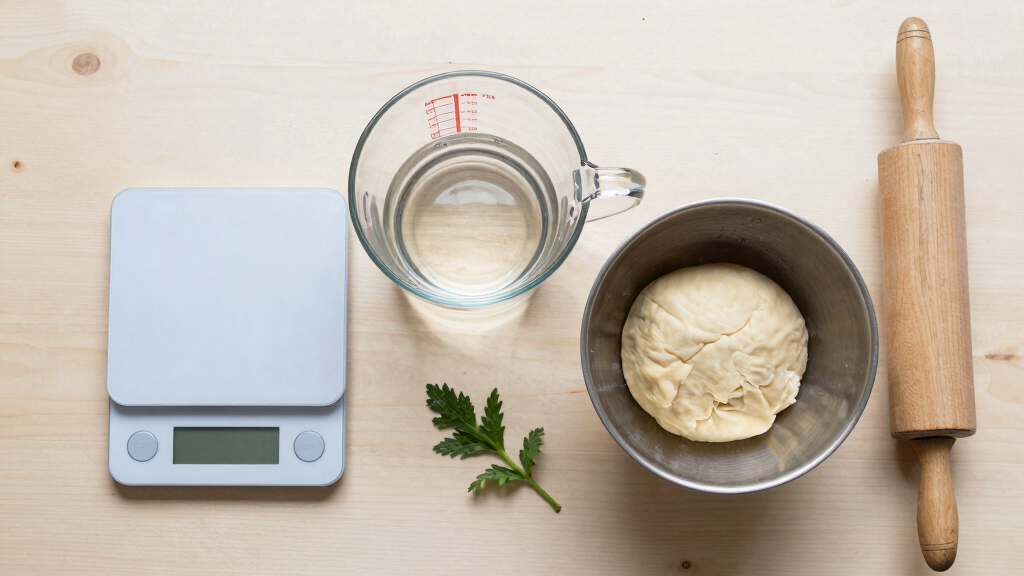
Hydration is simply the ratio of water to flour in your dough. Measured as a percentage, it tells you how wet or stiff your dough will be. For example, a dough made with 500 grams of flour and 350 grams of water has a hydration of 70%.
This number influences every aspect of your bread: how easy it is to handle, how the gluten develops, and the final crumb texture. A higher hydration (say, 80%) creates a wetter, stickier dough that yields an open, airy crumb. Lower hydration (around 50-60%) results in a denser, tighter crumb that’s easier to shape.
Understanding hydration is crucial because it directly impacts the gluten network formation. Too little water and the gluten won’t develop enough, leading to a dense loaf; too much, and the dough can become unmanageable, leading to collapse or uneven crumb. The hydration percentage acts as a balancing point—getting it right means your dough will be both workable and capable of developing the desired crumb structure. This understanding helps bakers troubleshoot issues like poor oven spring or dense texture and allows for intentional adjustments based on the specific bread style and environment.
bread dough hydration scale
As an affiliate, we earn on qualifying purchases.
As an affiliate, we earn on qualifying purchases.
How hydration changes the way your dough feels and behaves
Hydration directly impacts dough’s elasticity, extensibility, and stickiness. A dough with 60% hydration feels firm, smooth, and easy to handle. Raise that to 80%, and it becomes a wet, sticky mess—difficult to shape without sticking everywhere.
Let’s say you’re making a sourdough boule. At 70%, the dough is soft but manageable—stretchy enough to develop gluten without tearing. At 85%, it’s so hydrated that you’ll want to stretch and fold multiple times to strengthen the gluten network without it collapsing.
The way hydration influences dough behavior is about balance. Higher hydration creates a dough that can trap more gas during fermentation, leading to a more open crumb and a lighter loaf. However, this also means the dough is more delicate and prone to tearing or spreading if not handled carefully. Conversely, lower hydration doughs are firmer, easier to shape, and less prone to collapse but may result in a denser crumb. Recognizing these behaviors allows bakers to tailor their handling techniques—such as using stretch and folds or specific shaping methods—to optimize the final bread quality at each hydration level.
Furthermore, as hydration increases, the dough’s extensibility improves, meaning it can stretch more without tearing, which is critical for shaping artisan loaves. The tradeoff is that wetter doughs require more skill and patience to handle properly, emphasizing the importance of understanding how hydration influences dough dynamics for better baking results.
artisan bread proofing couche
As an affiliate, we earn on qualifying purchases.
As an affiliate, we earn on qualifying purchases.
Defining the ideal hydration for different bread types
Not all breads require the same hydration level. For crusty artisan loaves like baguettes or ciabatta, higher hydration—around 75-80%—is often preferred to achieve an open crumb and a chewy crust. For softer sandwich breads or enriched loaves with fats and sugars, lower hydration—around 60-65%—helps keep the dough manageable and results in a tender crumb.
Understanding the target hydration for your specific bread type guides your process. For example, if you’re aiming for a rustic, airy loaf, start with 70-75% hydration and adjust based on how the dough feels during mixing and shaping. For denser, softer bread, keep hydration lower to ensure easier handling and a tighter crumb.
Experimentation is key. Keep notes on your hydration levels and how the dough behaves—this will help you develop intuition and refine your technique for different recipes and environments.
dough scraper for bread baking
As an affiliate, we earn on qualifying purchases.
As an affiliate, we earn on qualifying purchases.
Applying hydration adjustments to improve your bread
Once you understand the basics, you can start fine-tuning your dough with hydration adjustments. Here are practical steps to do so:
- Start with a tested recipe at a known hydration level.
- Adjust water incrementally—add 2-3% more or less—based on your observations of dough feel and handling.
- Use techniques like stretch and folds to manage sticky doughs at higher hydration.
- Record your adjustments and results to build a mental map of how hydration affects your dough in different conditions.
For example, if your dough feels too stiff and resistant during mixing, try increasing hydration slightly. If it’s overly sticky and hard to shape, reduce the water. Keep in mind that environmental factors like humidity and flour type also influence hydration needs. Consistent practice and note-taking will help you develop a tailored approach that produces consistent, high-quality bread.
Practical decision framework: aim for a hydration range suitable for your bread type, then refine based on dough behavior, shaping ease, and final crumb. This iterative process transforms baking from a guessing game into a precise craft.
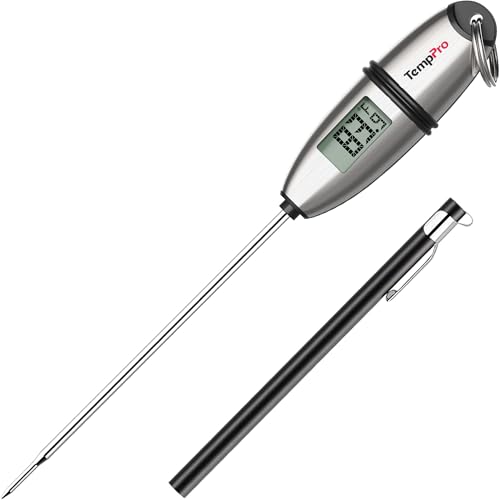
TempPro TP02S Digital Food Thermometer for Cooking Bread Baking Sourdough Liquids, Meat Thermometer Digital with Super Long Probe for Kitchen Candy Making Gift for Dad Husband (Previously ThermoPro)
Fast and Accurate Reading: Kitchen thermometer for cooking features a 1 second readout speed and high accuracy of…
As an affiliate, we earn on qualifying purchases.
As an affiliate, we earn on qualifying purchases.
Frequently Asked Questions
What is the best hydration level for sourdough bread?
Most sourdoughs thrive around 70-75% hydration, but experimenting between 65-80% can help you find the perfect crumb and crust for your environment and ingredients.How do I tell if my dough has enough water?
Your dough should feel soft and slightly sticky but still manageable. If it’s dry and crumbly, add water gradually. If it’s so wet it’s hard to handle, reduce water slightly next time.Can I increase hydration after mixing?
It’s best to measure water carefully before mixing. But if you’re experienced, you can gently add small amounts of water during the folds if needed, especially in high-hydration doughs.Does higher hydration mean I need longer fermentation?
Usually, yes. Wetter doughs ferment faster because enzymes activate more quickly, but longer fermentation still benefits flavor and gluten development.Are there tools to help handle very sticky doughs?
Absolutely. A bench scraper, couche, banneton, and a wet hand technique are invaluable for managing and shaping high-hydration doughs successfully.Conclusion
Once you understand the power of hydration, baking becomes less about guesswork and more about control. That simple percentage—your secret weapon—determines whether your bread will be dense or airy, crusty or tender.
Next time you bake, think of hydration as your recipe’s heartbeat. Adjust it thoughtfully, and watch your loaves transform into bakery-quality wonders.