
TL;DR
The biggest hurdle in making perfect cheesecake is controlling temperature and baking conditions. Focus on gentle techniques, proper water baths, and ingredient prep to achieve that smooth, creamy, crack-free finish every time.
Ever wondered why your cheesecake cracks, dries out, or ends up with an uneven texture? The secret isn’t just in the ingredients—it’s all about how you control the baking process. A tiny lapse in temperature or timing can turn your creamy masterpiece into a cracked, dry mess.
In this guide, you’ll learn the one thing that often trips up even seasoned bakers—and how mastering it can make all the difference. No hype, just straightforward advice to help you nail that perfect cheesecake every time.
Always bake cheesecake at a low, steady temperature, ideally with a water bath.
Use room-temperature ingredients and strain batter for the smoothest texture.
Don’t rush the cooling process—gradual cooling prevents cracks.
Modern techniques like sous-vide and no-bake options can elevate your results.
Practice patience; every bake improves your skill and results.
Why Temperature Control Is Your Cheesecake’s Best Friend
Cheesecake is delicate. Baking at the right temperature keeps it creamy and prevents cracks. Baking too hot causes rapid expansion and contraction, leading to cracks. Too cold, and it might not set properly.
Using an oven thermometer ensures you hit that sweet spot—usually between 300°F and 325°F (150°C – 160°C). A water bath helps maintain a steady, gentle heat, shielding the cheesecake from sudden temperature swings. Think of it as a cozy blanket for your dessert.
For example, if your oven runs hot, your cheesecake might crack after just 30 minutes. But with a consistent, low-temperature bake, it stays silky smooth.
Why does this matter? Because uneven or high heat causes the proteins in the cream cheese and eggs to contract too quickly, creating stress within the batter that manifests as cracks. Maintaining a stable, gentle heat allows proteins to set gradually, resulting in a smoother top and uniform texture. The tradeoff is that lower, consistent temperatures require patience—they extend baking time but reward you with a flawless finish.
water bath for baking cheesecake
As an affiliate, we earn on qualifying purchases.
As an affiliate, we earn on qualifying purchases.
The One Technique That Prevents Cracks: Water Bath Baking
Water bath baking is the secret weapon against cracks. It creates a humid environment that gently cooks the cheesecake, preventing rapid temperature shifts that cause cracks.
Here’s how to do it:
- Wrap your springform pan tightly in foil—this keeps water out.
- Place the wrapped pan in a larger roasting dish.
- Pour hot water into the dish until it reaches halfway up the sides of the pan.
- Bake slowly at 300°F (150°C) until just set.
Imagine your cheesecake baking in a warm, steamy bath—no cracks, just a velvety surface. This technique is common in professional kitchens and makes a huge difference for home bakers.
Why does this help? The water bath moderates the heat transfer, reducing the risk of the outer edges cooking faster than the center. This gentle, even heat prevents the batter from contracting too quickly, which is a common cause of cracks. The tradeoff is that it requires extra setup and care during baking, but the payoff is a beautifully smooth cheesecake with minimal cracks.
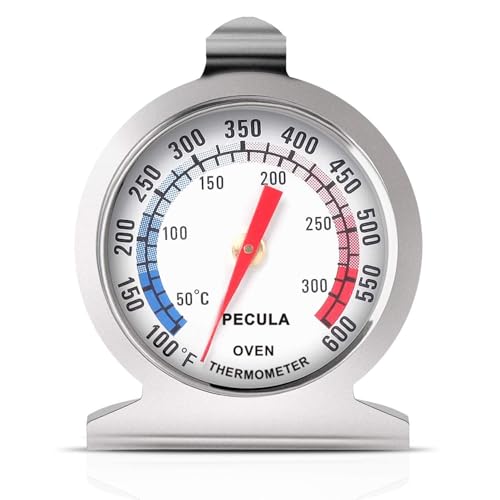
Stainless Steel Oven Thermometer 50-300°C/100-600°F, Analog Instant Read, Battery-Free Kitchen Cooking Thermometer, Hook & Stand Design Food Thermometer for Oven, Grill, Smoker, Fryer
Clear Dial Display: PECULA's analog oven thermometer delivers precise, instant readings from 50–300°C / 100–600°F. Its dial features…
As an affiliate, we earn on qualifying purchases.
As an affiliate, we earn on qualifying purchases.
How Ingredient Quality and Mixing Technique Matter
Using fresh, high-quality ingredients like full-fat cream cheese and room-temperature eggs ensures a smooth batter. Cold ingredients lead to lumps and uneven texture.
Mix gently—overmixing introduces air, causing cracks and a dense crumb. Strain your batter through a fine sieve to remove lumps and achieve that silky consistency.
For example, beating the cream cheese and sugar until just combined, then folding in eggs carefully, results in a velvety, crack-free cheesecake.
Why does ingredient quality and mixing technique matter? High-quality, fresh ingredients have better emulsifying properties, which means they blend more smoothly and create a more cohesive batter. Overmixing, however, can incorporate excess air—think of it as tiny bubbles that expand during baking and then burst, causing cracks or a dense texture. Straining the batter removes lumps and ensures uniformity, which is crucial for a smooth surface. The tradeoff is that gentle mixing takes more time and patience but significantly improves the final appearance and texture.
springform pan for cheesecake
As an affiliate, we earn on qualifying purchases.
As an affiliate, we earn on qualifying purchases.
Common Mistakes That Ruin Your Cheesecake (and How to Fix Them)
Overbaking is the biggest culprit behind dryness and cracks. Your cheesecake should wobble slightly in the center when you remove it from the oven. It continues to set as it cools.
If cracks appear, don’t panic. You can hide them with toppings like fruit compote or whipped cream. For future bakes, adjust your bake time and temperature.
Remember, a slow, gentle cooling process—like leaving it in the turned-off oven with the door ajar—helps prevent cracks and preserves that creamy texture.
Why is overbaking so detrimental? Because it causes the moisture within the batter to evaporate too quickly, leading to dryness and shrinkage, which can cause cracks. Cooling too rapidly—such as exposing a hot cheesecake to cold air—also stresses the structure, increasing crack risk. The fix involves understanding the subtle signs of doneness and allowing the cheesecake to cool gradually, which relaxes the proteins and prevents stress fractures. Patience during cooling is essential; it allows moisture to redistribute evenly and maintains the creamy consistency.
cheesecake baking kit
As an affiliate, we earn on qualifying purchases.
As an affiliate, we earn on qualifying purchases.
Latest Trends and Simple Hacks for Perfect Cheesecake
Modern bakers are experimenting with sous-vide techniques, which heat the batter evenly and gently, eliminating cracks altogether. Plus, healthier tweaks like Greek yogurt or coconut cream add creaminess without excess fat.
No-bake cheesecakes are also trending—chilled in the fridge, they skip the oven risks entirely. Adding zesty citrus or herbs can elevate flavors effortlessly.
Why do these methods matter? Sous-vide provides unparalleled control over temperature, ensuring uniform cooking and reducing the chances of cracking due to uneven heat distribution. No-bake options eliminate the risks associated with oven baking, such as temperature fluctuations or overbaking. Incorporating ingredients like Greek yogurt not only enhances flavor but also impacts the final texture—adding tanginess and creaminess without the need for excessive fat, which can sometimes cause uneven setting. These modern techniques expand your options, allowing for tailored results based on your preferences and equipment, but they also require understanding their nuances and tradeoffs, like longer preparation times or specialized equipment.
Your Cheesecake’s Best Friend: Patience and Practice
Perfect cheesecake isn’t just about ingredients—it’s about patience. Rushing the cooling or skipping the water bath often leads to imperfections.
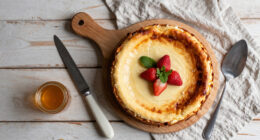
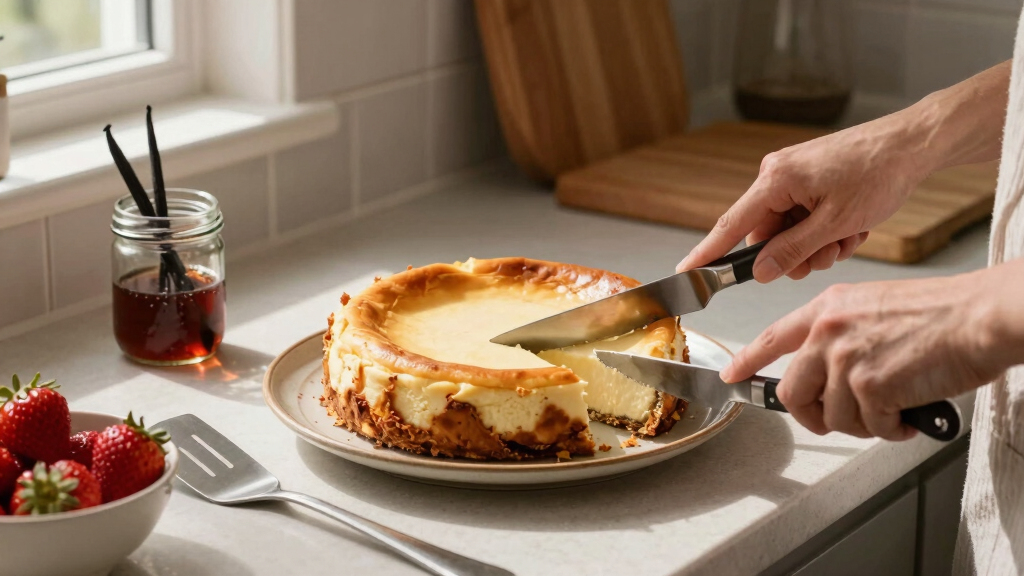
Take your time. Let your cheesecake cool gradually in the oven, then in the fridge, before slicing. Use a sharp knife dipped in hot water for clean cuts.
Each bake teaches you something. The more you practice, the better your results—cracks and dryness become distant memories.
Why is patience so crucial? Because rushing the process—whether in baking or cooling—disrupts the delicate balance of moisture and protein setting. Rapid cooling can cause the batter to contract unevenly, resulting in cracks, while rushing cooling from hot to cold can stress the structure. Gradual cooling allows the proteins to relax and the moisture to redistribute, leading to a smooth, crack-free surface. Practice also helps you recognize subtle signs of doneness and perfect timing. The tradeoff is time investment, but the payoff is consistently better, more professional-looking cheesecakes.
Frequently Asked Questions
How do I prevent cracks in my cheesecake?
Control the oven temperature, use a water bath, and don’t overbake. Let it cool gradually after baking to avoid sudden temperature shifts that cause cracks.
Can I fix cracks after baking?
Yes, you can cover cracks with toppings like fruit or whipped cream. Using a glaze or fruit compote also creates a beautiful, delicious disguise.
What’s the best way to get a creamy, smooth texture?
Use room-temperature ingredients, strain your batter, and mix gently. Avoid overmixing to keep the batter silky and lump-free.
Are no-bake cheesecakes as good as baked ones?
They are a great alternative—chilled and set with gelatin or whipped cream. They don’t require oven skills and are less prone to cracks.
What modern tricks can help improve my cheesecake?
Try sous-vide baking for even cooking or incorporate Greek yogurt for added creaminess without extra fat. These techniques are increasingly popular among home bakers.
Conclusion
The one thing standing between you and a flawless cheesecake isn’t fancy ingredients or complicated techniques—it’s temperature control. Master that, and your cheesecake will be smooth, crack-free, and irresistibly creamy.
Next time you bake, remember: gentle heat, patience, and a water bath are your secret weapons. With those in your toolkit, a perfect cheesecake isn’t just a dream—it’s your new standard.