TL;DR
Changing the amount of flour, fat, eggs, and baking time can turn your brownies into fudgy or cakey masterpieces. Small tweaks make a big difference in texture and moisture. Follow these straightforward tips to get it just right.
Adjust the ratio of fat, flour, and eggs to switch between fudgy and cakey textures.
Minimal mixing preserves density for fudge; gentle folding adds air for cake.
Baking temperature and time are critical—lower temps for fudgy, higher for cakey.
Pan size influences thickness and moisture—thicker for fudgy, thinner for cakey.
Don’t overbake—start checking early to prevent dryness or over-structuring.
What makes a brownie fudgy or cakey? The key differences revealed
Fudgy and cakey brownies are like different personalities—one is dense, moist, and rich; the other is light, airy, and tender. The main difference? Ingredient ratios. Fudgy brownies use more fat and less flour, resulting in a moist, dense texture. Cakier brownies rely on more flour and leavening agents, which give them that lift and fluff.
Think of it as building a house: more bricks (flour) and a strong frame (leavening) create a sturdy, airy structure. Less brick and a flexible frame make a cozy, dense retreat.
In practice, fudgy brownies often have a higher proportion of melted butter or oil and less baking powder. Cakier versions include more flour and a pinch of baking soda or baking powder for lift.
Understanding these differences is crucial because they influence not only the texture but also the flavor absorption and moistness. Fudgy brownies tend to be more forgiving of underbaking, staying moist even if slightly underdone, while cakey brownies require precise baking to avoid dryness or collapse. Recognizing these tradeoffs helps bakers decide which style best suits their preference and how to adjust ingredients or baking times accordingly.

GoodCook MegaGrip Baking Pan with Silicone Grip Handles Square Non-Stick Heavy-Gauge Steel Cake Pan Baking Dish for Brownies Bread Cake Baked Goods & More, Dishwasher Safe, 8×8-Inch,
8 x 8-INCH SQUARE BAKING PAN: This 8×8 baking pan is made from heavy-gauge steel and ensures a…
As an affiliate, we earn on qualifying purchases.
As an affiliate, we earn on qualifying purchases.
How to tweak ingredients to make your brownies fudgy or cakey
Want to lean toward fudgy? Use these tricks:
- Increase fat: Use more melted butter or oil—about 1.5 times the usual amount. This extra fat enhances moistness and richness, making the brownie denser and more fudgy. Keep in mind, too much fat can make the batter heavy and greasy, so balance is key.
- Reduce flour: Cut back by about 10-15%. Less flour means less structure, allowing the fat and chocolate to dominate, resulting in a more melt-in-your-mouth texture. However, reducing too much can cause spreading or weakness in the structure, so moderation is important.
- Add fewer eggs or just yolks: Fewer eggs or using yolks only reduces the protein content that provides structure, increasing density and fudginess. Eggs also help with binding and rise, so reducing them makes the brownie more compact.
For cakey brownies, try these adjustments:
- Increase flour: About 20-25% more than your usual recipe. More flour provides the necessary structure to trap the rising gases and support a lighter crumb.
- Add leavening: Baking powder or baking soda helps create lift and volume. Baking powder is preferable for a neutral flavor and consistent rise.
- Use softened butter instead of melted: Incorporating air during creaming traps small bubbles, which expand during baking, producing a fluffy texture. This method also helps distribute leavening agents evenly.
Example: A fudgy batch might involve substituting part of the butter with oil, reducing flour slightly, and baking at a lower temperature. A cakey version could include an extra teaspoon of baking powder, an additional egg, and using softened butter for creaming. These tweaks influence not just texture but also flavor absorption and baking behavior, so understanding their implications helps in achieving consistent results.
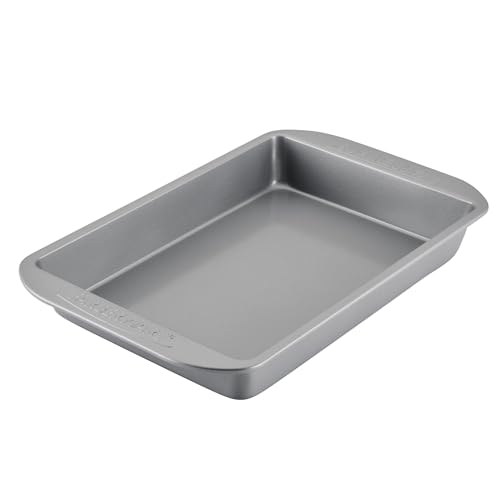
Farberware Nonstick Bakeware 9×13 Baking Pan, Rectangular Cake Pan, Gray
NO WARP DURABILITY: This nonstick 9×13 cake pan features heavy-duty construction that resists warping and heats evenly to…
As an affiliate, we earn on qualifying purchases.
As an affiliate, we earn on qualifying purchases.
Mixing techniques that shape your brownie’s final look and feel
The way you mix impacts how much air gets into your batter—crucial for texture. Overmixing introduces excess air, making brownies lighter and more cake-like. Minimal mixing preserves density, perfect for fudgy brownies.
Here’s a simple method:
- Mix wet ingredients until smooth.
- Add dry ingredients gradually.
- Stir just until combined—no long beating.
Imagine gently folding in ingredients like you’re mixing paint—careful not to whip in air. For fudgy brownies, this keeps the batter thick and dense, as excess air can cause them to rise too much and lose their signature moistness. For cakey brownies, slightly more vigorous stirring or folding in whipped egg whites can introduce the air needed for a light crumb. The key is understanding how mixing influences gluten development and air incorporation, which directly affects the final crumb, moisture retention, and appearance.

TILUCK Stainless Steel Measuring Cups & Spoons Set, Cups and Spoons,Kitchen Gadgets for Cooking & Baking (10)
[Multiple Sizes]: Including 4 Measuring cups ( 1/4, 1/3, 1/2, 1 cup), 6 Measuring spoons (1/8, 1/4, 1/2…
As an affiliate, we earn on qualifying purchases.
As an affiliate, we earn on qualifying purchases.
Baking tips to lock in your desired brownie texture
Baking time and temperature are your final tools. For fudgy brownies, bake at a slightly lower temperature—around 325°F (160°C)—and pull them out just when the edges are set but the middle looks underdone. They’ll firm up as they cool, and underbaking slightly ensures a moist, dense interior. Overbaking can dry them out and ruin the fudgy texture.
Cakier brownies need a higher temperature—around 350°F (180°C)—and a shorter bake time to rise properly. Proper timing is essential because overbaking transforms the batter into a dry, crumbly cake, while underbaking results in a gooey center that may not hold together. Using a toothpick inserted in the center provides a reliable test: moist crumbs for fudgy, clean for cakey. Recognizing these nuances helps bakers achieve a consistent, desired texture every time.

ChefAide 5 Pieces Silicone Spatula Set, Food Grade Rubber Spatula, Upgrade Strong Handle with Ergonomic Grip, Heat Resistant Up to 600°F for Nonstick Cookware, Cooking
Premium 100% Food Grade Silicone: The silicone spatula set is made of healthy and friendly material, resistant to…
As an affiliate, we earn on qualifying purchases.
As an affiliate, we earn on qualifying purchases.
Size, pan, and shape — how they influence your brownie’s texture
The size and shape of your pan matter. Thinner brownies bake faster and tend to be more cake-like because heat penetrates more quickly, encouraging rising and a lighter crumb. Thicker ones stay moist and dense, as the heat takes longer to reach the center, allowing the moisture to be retained. For fudgy brownies, use a smaller, deeper pan to keep them thick and moist. For cakier brownies, a larger or shallower pan promotes even rising and a lighter texture.
Example: Baking in an 8×8-inch pan yields thicker, fudgier brownies because of the concentrated batter, whereas a 9×13-inch pan produces thinner, cakier slices due to increased surface area and quicker heat transfer.
Choosing the right pan size based on your desired outcome influences not just the bake time but also the final texture and moisture level. It’s a simple but powerful adjustment that can make a significant difference in your baking results.
Simple tricks to perfect your brownies every time
Here are three quick tips:
- Use high-quality chocolate or cocoa for richer flavor—this enhances both fudgy and cakey versions. Better ingredients lead to better texture and depth.
- Don’t overbake—start checking 5 minutes before your timer. Underbaking slightly for fudgy or just baked for cakey ensures moistness and proper structure.
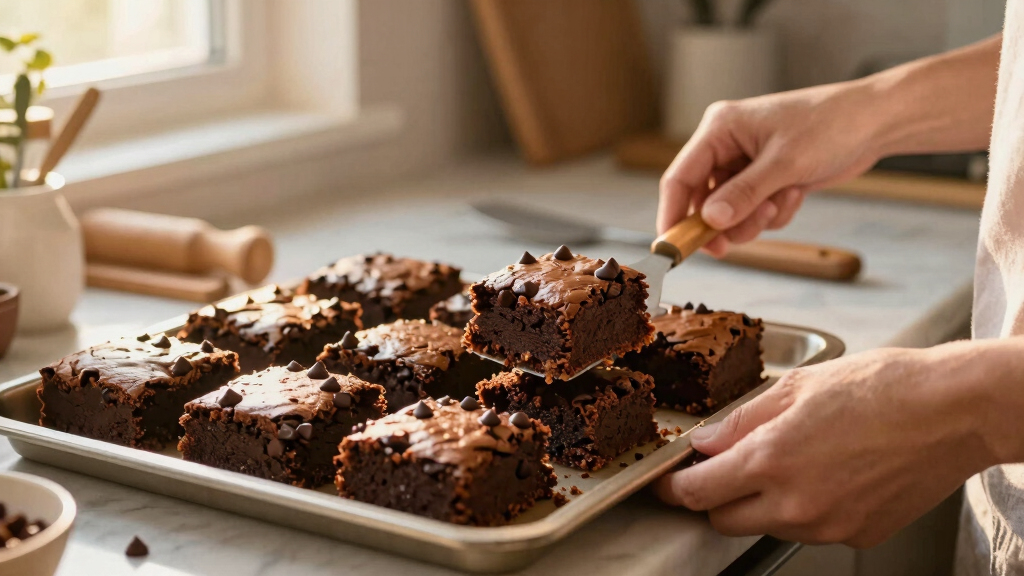
- Let your brownies cool completely before slicing—this helps them set and slice neatly. Cutting too early can cause crumbling or sticking, ruining the appearance and texture.
Imagine the difference: a hot, freshly baked brownie is gooey and messy. Once cooled, it develops a firm, perfect slice—whether fudgy or cakey. Patience in cooling is often overlooked but is key to achieving that ideal texture and presentation.
Can you combine fudgy and cakey? How to make a hybrid masterpiece
Absolutely. To create a brownie that’s both fudgy and a little airy, mix the techniques thoughtfully. Use a moderate amount of flour combined with a touch of baking powder—this helps strike a balance between density and lift. Keep the fat content high to maintain richness, but avoid overmixing to prevent excessive aeration. Bake at a medium temperature, around 340°F (170°C), and check early to prevent overbaking. This approach yields a brownie with a dense, chocolatey core complemented by a slight lift or lightness on top, offering a complex, satisfying texture that appeals to those who love both worlds.
Experimenting with these hybrid techniques allows bakers to customize their brownies, blending the best of both textures. It’s about understanding how each ingredient and method impacts the final outcome, giving you the flexibility to create a bespoke dessert.
Troubleshooting: Why your brownies aren’t turning out right
If your brownies come out dry, they might be overbaked or too much flour. Dryness often results from baking too long or using a recipe with excessive dry ingredients relative to moisture. If they’re too dense or gummy, perhaps you overmixed or used too little leavening, which prevents proper rise and air incorporation. For a too-light, crumbly texture, maybe you added too much baking powder or overmixed, causing excessive air and weak structure. Recognizing these common pitfalls helps you adjust your process—such as reducing baking time, measuring ingredients carefully, or adjusting mixing techniques—to improve results. Remember, baking is a delicate balance of ingredients and timing, and small tweaks can make a big difference in your final product.
Frequently Asked Questions
How can I make my brownies more fudgy?
Use more melted butter or oil, reduce the flour slightly, and bake at a lower temperature for a longer time. Less mixing also helps keep the density. For example, swapping out half the butter with oil can boost fudginess.
What ingredients are essential for a cakey brownie?
More flour, a bit of baking powder, and softened butter help create a lighter, airy texture. Adding an extra egg can also give the batter more lift. Keep the oven temperature around 350°F (180°C) and bake just until a toothpick comes out clean.
Can I turn a fudgy recipe into a cakey one without changing ingredients?
It’s tricky because the ratios are key. However, you can try gently folding in whipped egg whites or adding a small amount of baking powder to introduce air. Keep in mind, the base recipe might need some adjustments for best results.
How does baking time affect brownie texture?
Baking for longer dries out the batter, making brownies more cake-like if overdone. For fudgy brownies, take them out when they’re just set but still moist inside. Using a toothpick as a guide helps prevent overbaking.
What pan size should I use for best results?
Use a smaller, thicker pan for fudgy brownies—like an 8×8-inch. For lighter, cakier brownies, opt for a larger or shallower pan, such as 9×13-inch, which helps them bake faster and rise better.