
TL;DR
Adjusting ingredient ratios, mixing, and baking time allows you to make brownies either dense and fudgy or light and cakey. Small tweaks here and there give you total control over the final texture.
Ever bite into a brownie and think, “This is so fudgy, I could eat it with a spoon” or “This is fluffy enough to be a cake”? The good news is, you can *choose* exactly what kind of brownie you want—fudgy or cakey—by making a few simple adjustments. It’s all about ratios and techniques, not magic. Once you understand the core differences, you can fine-tune your recipe for the perfect bite every time.
Whether you prefer the dense, moist richness of fudgy brownies or the airy, tender crumb of a cakey treat, this guide will give you concrete steps. Expect clear tips, real examples, and a comparison table to help you decide which method suits your mood—and your baking style.
Adjust ingredient ratios—more fat and less flour for fudgy, more flour and leavening for cakey.
Mix minimally for fudgy, thoroughly for cakey to control air incorporation.
Baking time and temperature are your final control points—lower temp and shorter bake for fudgy, moderate temp and longer bake for cakey.
Experiment small batches to find your perfect balance, noting how each tweak changes the texture.
You can create a hybrid brownie by balancing ingredients and techniques—fudgy in the middle, with a slight lift.
What Makes a Brownie Fudgy or Cakey? The Core Differences You Need to Know
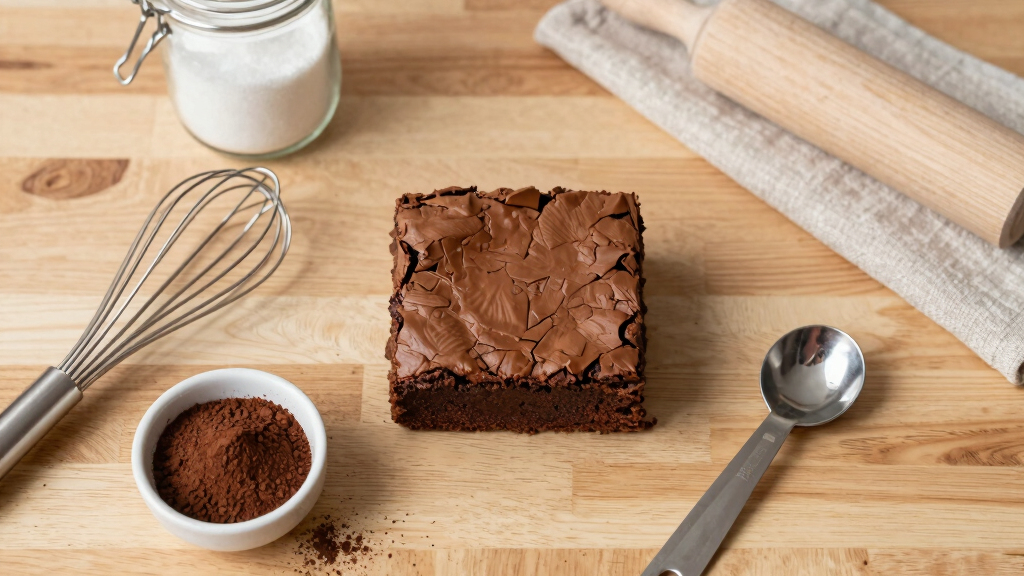
Fudgy brownies are dense, moist, and almost chewy. Cakey brownies are light, with a tender crumb, almost like cake. The secret lies in their ingredient ratios and how you mix them.
For a fudgy texture, use more fat (butter or oil), less flour, and fewer eggs. These choices increase the moisture content and fat-to-flour ratio, which enhances chewiness and richness. This higher fat content coats the flour proteins, limiting gluten development and resulting in a more tender, moist texture that feels almost gooey. However, this can make the batter heavier and potentially more challenging to mix evenly, requiring gentle handling to prevent overworking, which could lead to a denser, less desirable texture. On the other hand, for a cakey brownie, add more flour, incorporate leavening agents like baking powder, and beat in more air. These adjustments introduce lift and create a lighter, more porous crumb, but they also reduce the overall density and moisture, making the brownie more fragile if not balanced properly. The tradeoff here is between structural lift and moisture retention—more leavening creates a rise but can dry out the interior if overused.
Here’s a quick comparison:
| Fudgy Brownies | Cakey Brownies |
|---|---|
| Higher fat (butter/oil) | More flour, baking powder |
| Less baking powder/soda | More eggs or egg whites |
| Minimal mixing after adding dry ingredients | Thorough creaming and beating |
| Shorter baking time at slightly lower temp | Longer baking time at moderate temp |
Understanding these differences helps you decide which tradeoff to make—whether you prioritize moist, dense texture or a more structured, airy crumb. Recognizing how each adjustment impacts the final product allows you to tailor your approach based on your preferences and ingredients, giving you flexibility and control. Appreciating these core differences also helps prevent common pitfalls, such as overmixing for a fudgy brownie, which can make it dense and heavy, or underleavening a cakey brownie, which can result in a flat, dense result. The key is to balance these factors to suit your desired outcome, knowing that even small changes can significantly alter the final texture.

GoodCook MegaGrip Baking Pan with Silicone Grip Handles Square Non-Stick Heavy-Gauge Steel Cake Pan Baking Dish for Brownies Bread Cake Baked Goods & More, Dishwasher Safe, 8×8-Inch,
8 x 8-INCH SQUARE BAKING PAN: This 8×8 baking pan is made from heavy-gauge steel and ensures a…
As an affiliate, we earn on qualifying purchases.
As an affiliate, we earn on qualifying purchases.
How to Make Your Brownies Fudgy or Cakey: Step-by-Step Tips
Here’s how you can tweak your brownie recipe to get the texture you want. For each style, follow these steps:
- Fudgy Brownies: Use less flour (about 1 cup for a standard batch), increase butter or oil, and reduce eggs to 2 or fewer. Mix just until combined—avoid overmixing. This minimizes gluten development, maintaining the dense, moist structure characteristic of fudgy brownies. Be aware, however, that reducing eggs can also affect structure, so balancing these ingredients is key. Fudginess relies on keeping the batter thick and moist, so overmixing or overbaking can diminish that quality. The goal is a batter that’s rich and somewhat sticky, which bakes into a dense, fudgy texture with a shiny top.
- Cakey Brownies: Use more flour (1 1/4 cups or more), add 1 teaspoon baking powder, and beat eggs with sugar until fluffy. Mix thoroughly for maximum air incorporation. This process creates a lighter, more tender crumb, but overdoing it can lead to a dry or overly airy brownie if not carefully managed. The key is to achieve a batter that’s well-aerated but not overworked, ensuring the rise without sacrificing moisture. The increased leavening produces a fluffy, cake-like interior that’s less dense and more structured.
- Adjust baking temperature—fudgy at 325°F for about 20-25 minutes; cakey at 350°F for 25-30 minutes. Lower temperatures help retain moisture for fudgy textures, while moderate temperatures allow the leavening agents to work fully for a rise. The tradeoff here is that higher temps can cause overbaking and dryness, especially if you’re aiming for fudginess.
- Test for doneness with a toothpick—fudgy brownies will be moist; cakey will have a few crumbs attached. Keep in mind that oven variations can affect baking times, so use toothpick tests as your guide rather than relying solely on time. Recognizing the visual cues—such as edges pulling away or a springy top—also helps in achieving perfect doneness.
For example, if your current recipe turns out too gooey, try increasing the flour slightly or baking it a bit longer, but be cautious not to overdo it. Conversely, for a denser, more fudgy result, reduce the eggs and bake at a lower temp. Remember, each tweak influences the final outcome, and small adjustments can make a significant difference—so keep detailed notes to refine your process. Experimentation helps; record your modifications and results to develop a reliable method tailored to your oven and ingredients. Over time, you’ll learn how slight changes affect the final texture, enabling you to consistently produce brownies that meet your preferences.

SILIVO Silicone Brownie Pan with Dividers – 2 Pack 12-Cavity Non-Stick Silicone Molds for Brownie Bites, Fudges and Minecraft Cakes
Non-Stick Brownie Pans: The flexible silicone and non-stick finish allow to easy and quick release of baked goods…
As an affiliate, we earn on qualifying purchases.
As an affiliate, we earn on qualifying purchases.
The Role of Mixing and Baking Time in Achieving Perfect Texture
How you mix and bake your brownies makes a big difference. Fudgy brownies benefit from minimal mixing—just stir until ingredients are combined. Overmixing introduces too much air, turning your brownies cakey and lighter in texture, which can be undesirable if you’re aiming for dense fudginess. Conversely, thorough creaming and beating incorporate air into the batter, creating a structure that rises and becomes more cake-like.
For a fudgy result, mix until just combined, and bake at a slightly lower temperature for a shorter time. This preserves the moisture and dense texture. For cakey brownies, beat the eggs and sugar until light and fluffy, then mix thoroughly, and bake longer to allow the batter to rise fully. The timing and technique directly influence the final crumb structure—less mixing and lower heat favor fudginess, more mixing and higher heat favor a lighter crumb. Overmixing after adding dry ingredients can develop gluten, making the brownie tougher and less tender, which is counterproductive to fudginess. Conversely, undermixing can result in uneven distribution of ingredients, causing inconsistent texture.
Timing is everything. Check your brownies a few minutes early—fudgy ones will still be moist inside, while cakey will be set and springy. Overbaking reduces moisture and can turn even a fudgy recipe dry, so understanding your oven and monitoring closely are key. Recognizing visual cues, such as edges pulling slightly away or a gentle springiness, helps in timing your bake perfectly. Using a toothpick as a test—moist with a few crumbs for fudgy, clean for cakey—also guides you to the ideal doneness. The key is to balance mixing techniques with baking times to achieve the desired texture, understanding that each step influences the final crumb structure and moisture level. Overmixing for a cakey brownie can lead to a rubbery texture, while undermixing for a fudgy one might cause uneven density.
In a personal experiment, I baked two batches with the same batter but varied the mixing and baking times. The first, with minimal mixing and a slightly lower temperature and shorter bake, was dense and fudgy. The second, with thorough creaming and a longer bake at a higher temperature, was light and airy. This contrast underscores how critical technique is in controlling texture. Developing an intuitive feel for these cues takes practice, but it’s the key to consistently perfect brownies tailored to your preferences.
Adjust your methods based on the final texture you want, and don’t be afraid to tweak baking times. Practice makes perfect, and with experience, you’ll intuitively know when your brownies are just right.

TILUCK Stainless Steel Measuring Cups & Spoons Set, Cups and Spoons,Kitchen Gadgets for Cooking & Baking (10)
[Multiple Sizes]: Including 4 Measuring cups ( 1/4, 1/3, 1/2, 1 cup), 6 Measuring spoons (1/8, 1/4, 1/2…
As an affiliate, we earn on qualifying purchases.
As an affiliate, we earn on qualifying purchases.
Can You Mix Fudgy and Cakey? Yes, Here’s How to Strike the Perfect Balance
Absolutely, you can create brownies that have a bit of both worlds. Want a fudgy center with a slightly airy top? Mix your ingredients for a middle ground. This approach allows you to enjoy the moist richness of fudgy brownies with the lift and structure of a lighter crumb, striking a pleasing balance that many find ideal. The key to this hybrid is understanding that it’s a balancing act—adding just enough leavening to lift the batter without sacrificing the dense, moist interior. Too much leavening, and the brownie can become dry and overly airy; too little, and it remains dense and fudgy. The tradeoff involves controlling moisture, lift, and richness.
Start with a base ratio—moderate flour, a good amount of butter, and a few eggs—and adjust from there. Adding a touch more flour and a small amount of baking powder can give you lift without sacrificing too much moisture. The key is understanding how each ingredient influences the overall outcome: more flour and leavening promote rise, while fats keep the interior moist and dense. This balancing act is crucial—too much of either leavening or fat can tilt the texture towards being overly airy or too dense, respectively. The goal is to find that sweet spot where the brownie is moist and dense in the center but has a slight lift on top.
This approach lets you customize. For example, a batch with 1 cup flour, 1/4 teaspoon baking powder, and just enough butter can give a tender, slightly dense crumb that’s not heavy, but still moist and rich. It’s about balancing the ingredients to suit your preference—more lift for a lighter top, but enough fat for moisture. Achieving this balance often involves small, iterative adjustments. For instance, slightly increasing the leavening and flour while maintaining the fat content can produce a brownie with a tender, moist interior and a slightly risen top, without losing the fudgy qualities you love. The process is about understanding how each component interacts and making incremental changes based on your desired outcome.
Experiment by small batches—sometimes, a little tweak here and there makes all the difference. It’s about balancing moisture with lift, which often involves tradeoffs: increasing leavening can decrease density, but too much can dry out the brownie. The art is in finding the right combination for your palate and oven. Keep detailed notes of your adjustments and results to refine your perfect hybrid brownie over time.
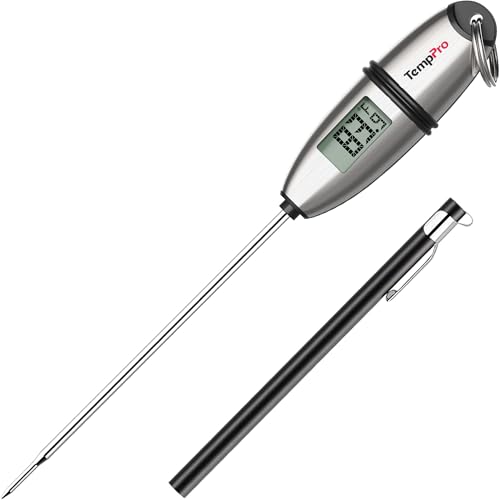
TempPro TP02S Digital Food Thermometer for Cooking Bread Baking Sourdough Liquids, Meat Thermometer Digital with Super Long Probe for Kitchen Candy Making Gift for Dad Husband (Previously ThermoPro)
Fast and Accurate Reading: Kitchen thermometer for cooking features a 1 second readout speed and high accuracy of…
As an affiliate, we earn on qualifying purchases.
As an affiliate, we earn on qualifying purchases.
How Baking Time and Temperature Shape Your Brownie’s Final Texture
Baking time and temperature are your final tools for controlling texture. Bake too long or at too high a temperature, and even the best ratios can turn moist brownies dry or crumbly. Conversely, underbaking can leave them overly gooey or under-structured. The key is to find the right balance based on your desired texture and your oven’s quirks.
For fudgy brownies, aim for a slightly lower temp—around 325°F—and bake for about 20-25 minutes. This slower, gentler baking helps retain moisture and prevents the exterior from drying out before the center is set. The result should be a shiny, slightly jiggly top with a moist interior. For cakier brownies, a moderate 350°F for 25-30 minutes allows the leavening to work fully, creating a rise and a tender crumb. The key is to avoid overbaking, which can ruin even a well-balanced batter. Recognizing visual cues—edges pulling away or a springy top—helps in timing your bake perfectly. Using a toothpick as a test—moist with a few crumbs for fudgy, clean for cakey—also guides you to the ideal doneness. The tradeoff here is that higher temperatures and longer baking times can lead to dryness, especially if the batter is already balanced for moistness.
In my own kitchen, I’ve learned that a quick glance at the edges—slightly pulling away from the pan—tells me everything. Use your oven’s quirks and always note how your baked goods turn out. Adjustments based on these observations will help you consistently produce the perfect texture. Overbaking a fudgy brownie makes it dry and crumbly, defeating its moist appeal, while underbaking a cakey brownie can leave it dense and under-risen. Fine-tuning the timing and temperature is essential—think of it as the final calibration of your baking process.
By mastering these parameters, you gain more control over the final outcome. Practice by baking small test batches, adjusting the time and temperature, and noting the results. In time, you’ll develop an instinct for when your brownies are just right—moist and fudgy or light and airy—based on visual and tactile cues. This skill elevates your baking from guesswork to a precise craft, ensuring consistent, delicious results every time.
Frequently Asked Questions
How can I make my brownies more fudgy?
Use less flour, increase the butter or oil, reduce eggs, and bake at a slightly lower temperature for a shorter time. Keep mixing minimal to prevent incorporating too much air.What ingredients should I change to make brownies more cakey?
Add more flour, include baking powder or baking soda, and beat eggs with sugar until fluffy. Bake at a moderate temperature for a longer period for a fully risen crumb.Can I get a brownie that’s both fudgy and cakey?
Yes. Use a balanced ratio of ingredients—moderate flour, some leavening, and enough fat—to create a brownie with a moist center and a light top. Small tweaks in mixing and baking help fine-tune the result.How does baking time affect brownie texture?
Longer baking at a higher temp dries out the brownie, making it more cake-like or crumbly. Shorter baking preserves moisture, resulting in fudginess. Always check early to prevent overbaking.What’s the best way to prevent brownies from turning out too dry or gooey?
Use the right ingredient ratios, avoid overmixing for fudgy, and bake just until a toothpick tests clean or slightly moist for cakey. Keep notes so you can perfect your timing for your oven.Conclusion
Mastering the art of making brownies fudgy or cakey comes down to understanding how your ingredients and techniques influence texture. A few simple tweaks—like adjusting fat, flour, eggs, or baking time—put you in the driver’s seat. So next time you bake, ask yourself: do I want a dense, moist bite or a tender, airy crumb?
Remember, it’s about control. With these tips, you can craft brownies that match your mood and satisfy your cravings—every single time. Happy baking!