TL;DR

Get baking supplies delivered free — and shop member deals
- Fast, free delivery on millions of items
- Access to Prime Big Deal Days deals on October 6–7
- Prime Video, Amazon Music and more included
Weeping meringue happens when moisture escapes the foam, often due to undissolved sugar, improper baking, or filling issues. Fixing it involves better technique and understanding the science behind stable egg foam.
Ever baked a perfect-looking meringue only to find it suddenly weeping liquid? That sticky, glossy mess can turn a beautiful pie into a soggy disappointment. The good news: most weeping issues are avoidable with a few simple tricks. Understanding why your meringue leaks helps you create desserts that stay crisp and inviting longer.
In this guide, you’ll learn what causes weeping, how different types of meringue behave, and the best techniques to prevent that unwanted liquid from spoiling your baked goods. Whether you’re making a classic lemon meringue or a delicate pavlova, these insights will keep your meringue firm, shiny, and picture-perfect.
Dissolve sugar thoroughly using superfine sugar and heat control, preventing gritty textures and moisture draw.
Bake meringue fully and cool gradually to lock in crispness and avoid trapped moisture.
Match filling temperature with meringue to prevent steam and condensation from forming beneath or inside the foam.
Store meringue desserts in low-humidity environments and serve quickly to keep them crisp and stable.
Use proper egg-white preparation and stabilization techniques to create a strong, resilient foam.
Baking science / troubleshooting guide
Why Your Meringue Is Weeping Liquid
That sticky, glossy liquid is a sign that moisture has escaped the foam. Learn how sugar, heat, filling temperature, humidity, and egg-white technique determine whether your meringue stays crisp or collapses into a soggy layer.
Stable meringue is a balance of dissolved sugar, structured protein, and controlled moisture.
01 / The failure map
What is actually going wrong?
Weeping occurs when liquid collects beneath or inside the egg-white foam. The foam may look glossy and perfect at first, but unstable proteins, sugar crystals, trapped moisture, or steam can eventually push water to the surface.
Crystals draw out moisture
Coarse or rapidly added sugar may not dissolve. The remaining crystals attract water through osmosis and create a gritty texture.
Underbaking leaves water trapped
Moisture remains inside the foam and later migrates toward the surface or crust, producing a soggy layer.
Overbaking squeezes water out
Excess heat contracts egg-white proteins. That contraction can force water from the structure and cause separation.
Steam becomes condensation
A hot lemon or fruit filling can send steam into the foam. As the dessert cools, droplets form beneath or inside it.
Humidity softens the surface
Sugar is hygroscopic, so it absorbs moisture from humid air. Refrigeration can add condensation and weaken crispness.
Fat weakens the foam
Yolk or grease interferes with protein bonding. Under-whipping lacks structure, while severe over-whipping encourages separation.
02 / Stability spectrum
Choose the right meringue
The three classic methods behave differently because heat changes how thoroughly sugar dissolves and how much structure the foam gains before baking.
French
Egg whites are beaten with sugar without pre-cooking. This is the simplest method, but also the least heat-stable and most vulnerable to weeping.
Swiss
Egg whites and sugar are gently heated together before whipping. The dissolved sugar creates a smoother, more stable foam.
Italian
Hot sugar syrup is poured into whipped whites. It is generally the most stable option for desserts that need resilience.
03 / Method comparison
Heat control changes everything
| Method | When sugar dissolves | Weeping risk | Best use |
|---|---|---|---|
| French | During whipping | Medium-high | Quick baked toppings |
| Swiss | Before whipping, with gentle heat | Low-medium | Smooth toppings and pavlova |
| Italian | In a hot sugar syrup | Lowest | Stable fillings and decorations |
04 / Prevention protocol
Build a meringue that holds
Prepare clean equipment
Use a grease-free bowl, separate eggs carefully, and bring the whites to room temperature.
Dissolve sugar completely
Add superfine sugar gradually. Beat until glossy and smooth, never gritty.
Add a stabilizer
Use cream of tartar, lemon juice, or vinegar to strengthen the foam’s structure.
Seal, bake, and cool
Spread onto warm filling, press to the crust edges, bake fully, then cool gradually.
05 / Traceability chain
Follow the liquid leak
06 / Quick answers
Before you blame the recipe
Can baked weeping be fixed?
If liquid is only on the surface, gently blot it and serve soon. Separation between the meringue and filling is usually permanent.
Is weeping meringue safe to eat?
Usually, the liquid itself is not dangerous. Safety depends on cooking, storage time, and whether the dessert has developed off smells.
Why does lemon pie weep more?
Lemon filling combines acidity and moisture. Hot filling creates steam, while cooling or refrigeration can create condensation.
How can I improve resistance?
Use superfine sugar, acid stabilization, thorough baking, gradual cooling, and short storage in a cool, dry environment.
The Real Reasons Your Meringue Weeps — What’s Actually Going Wrong
Weeping occurs when moisture escapes the delicate foam of egg whites, either pooling on the surface or seeping between layers. The key causes include undissolved sugar, improper baking, or the filling’s temperature. For example, a lemon pie with hot filling can create steam beneath the meringue, which condenses as it cools, forming that unwanted liquid layer.
Other common culprits are humidity, grease, and over- or under-beating the whites. If you’ve ever seen a glossy mound suddenly turn dull and sticky, chances are one of these factors is at play. Let’s break down each cause with specific examples.
As an affiliate, we earn on qualifying purchases.
Undissolved Sugar: The Hidden Saboteur of Stable Meringue
When sugar isn’t fully dissolved, tiny crystals remain in your meringue. These crystals act like tiny magnets for moisture, drawing water out of the egg-white foam through a process called osmosis. That’s why gritty texture is a red flag. Imagine biting into a glossy meringue only to find a crunch — that’s a sign your sugar isn’t fully integrated.
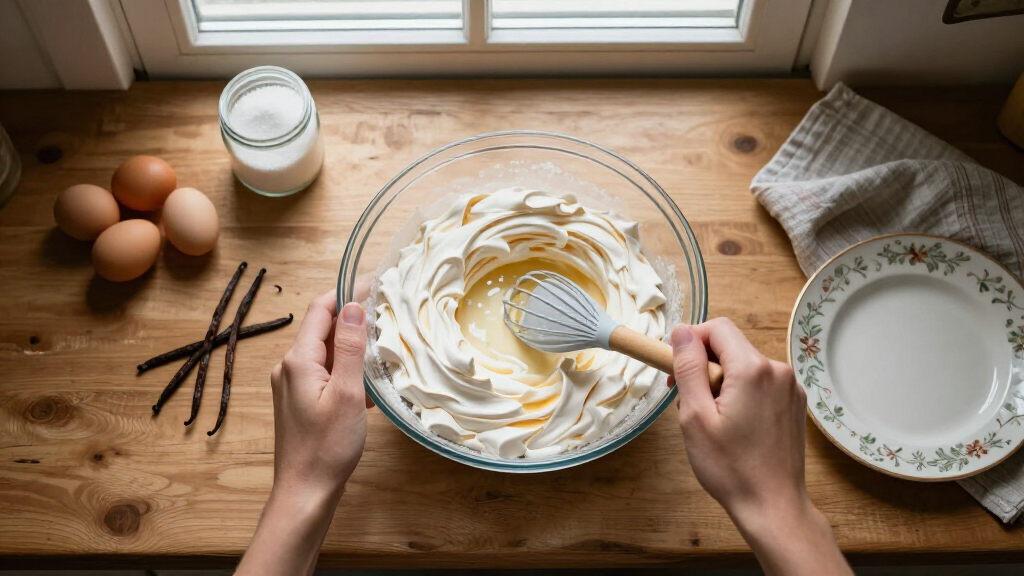
To prevent this, add superfine or caster sugar gradually, and rub a small amount between your fingers to check. The mixture should feel silky smooth, not gritty. Using a candy thermometer to heat the sugar syrup in Swiss or Italian meringue can also guarantee complete dissolution before whipping.
meringue stabilizer cream of tartar
As an affiliate, we earn on qualifying purchases.
As an affiliate, we earn on qualifying purchases.
Baking Mistakes That Let Moisture Escape and Cause Weeping
Underbaking leaves moisture trapped in the foam, which eventually migrates to the surface or crust, creating a soggy layer. Overbaking, on the other hand, contracts the egg-white proteins, squeezing out water and causing a similar problem. Imagine a cake that’s just a little too moist inside — the same principle applies to meringue.
Follow your recipe’s temperature and timing meticulously. Bake until the meringue looks crisp and glossy, and use a gentle touch. Cooling gradually in the oven with the door slightly ajar helps prevent sudden temperature shifts that can cause cracks and moisture leaks.
As an affiliate, we earn on qualifying purchases.
Hot Fillings and Cold Meringue: The Perfect Storm for Liquid Leaks
Pouring hot lemon curd or fruit filling onto a cold meringue can send steam rushing into the foam. As the dessert cools, this steam condenses, forming droplets that collect beneath or inside the meringue. It’s like a mini cloud inside your pie.
To avoid this, spread warm fillings onto slightly cooled or room-temperature meringue, or pour hot filling onto a hot meringue so it cooks immediately. Press the meringue tightly to the crust edges to create a seal, and consider chilling the pie just enough to reduce steam formation before adding the filling.
As an affiliate, we earn on qualifying purchases.
Humidity and Storage: How Environmental Factors Sabotage Your Meringue
High humidity is a sneaky culprit because sugar absorbs moisture from the air, making your meringue sticky and prone to weeping. If you’ve ever left a pie in a humid kitchen, you might notice a shiny, damp surface the next day. Refrigeration can worsen the problem by introducing condensation, which softens and weakens the foam.
The best approach? Store meringue desserts uncovered or lightly covered in a cool, dry place. Avoid refrigerating unless absolutely necessary. If you must refrigerate, do so in a low-humidity environment and serve quickly afterward to preserve crispness.
Egg White Quality and Technique: Small Details, Big Impact
Egg whites with yolk or grease weaken the foam, making it unstable. Fresh eggs tend to whip up more easily, but older whites can sometimes produce more volume because their proteins loosen over time. Proper technique matters too: under-whipping results in a weak foam, while over-whipping dries out the whites and causes separation.
Use clean, grease-free bowls and beat egg whites at room temperature for best results. Add acid like lemon juice or cream of tartar to stabilize the foam, especially if your eggs are very fresh or if you’re whipping in humid conditions.
Practical Tips to Keep Your Meringue Firm and Beautiful
- Use superfine sugar, added gradually.
- Ensure egg whites are clean, yolk-free, and at room temperature.
- Add a splash of lemon juice or cream of tartar for stability.
- Spread meringue onto slightly cooled, warm fillings.
- Bake until crisp, then cool gradually in the oven.
- Store in a cool, dry place, not in the fridge unless necessary.
- Serve promptly to avoid moisture absorption from the air.
Frequently Asked Questions
Can I fix a weeping meringue after it’s already baked?
Once liquid has collected, it’s tough to restore the structure fully. You can gently blot the surface and serve quickly, but the internal moisture or separation between layers is usually permanent. Preventive steps are more effective than fixes after the fact.
Is it safe to eat weeping meringue?
Generally, yes. The liquid isn’t dangerous, but it may affect texture and shelf life. If the dessert has been stored for a long time or in humid conditions, check for spoilage or off smells before serving.
Why does my lemon meringue pie weep more than others?
Lemon filling is moist and acidic, which can create steam and condensation when it contacts cold or improperly baked meringue. Hot filling poured onto slightly cooled meringue helps reduce this effect.
How can I make my meringue more resistant to weeping?
Use superfine sugar, add acid like lemon juice or cream of tartar, ensure thorough baking, and avoid refrigerating in humid environments. These steps significantly improve stability and reduce the risk of liquid leaks.
Conclusion
Weeping meringue is frustrating, but fixable once you understand the science behind it. Focus on dissolving sugar, proper baking, and environmental control, and your desserts will stay beautiful longer.
Remember, a little attention to detail — like adding acid or cooling properly — makes all the difference. Now, every time you whip up meringue, you’ll do it with confidence and craft desserts that look as good as they taste.
Fall Picks
fall essentials
As an affiliate, we earn on qualifying purchases.