TL;DR

Get baking supplies delivered free with Prime
- Fast, free delivery on millions of items
- Prime Video, Amazon Music and more included
- Member-only deals all year
Bakes stick mainly because of improper greasing, pan condition, or recipe moisture. Using parchment paper, proper cooling, and maintaining your pans can prevent sticking and make removal easier.
Ever pulled a warm loaf out of the oven only to find it stuck to the pan? It’s one of baking’s most frustrating moments. Whether it’s a cake that crumbles or brownies that refuse to budge, sticking can turn a simple bake into a cleanup nightmare.
But here’s the truth: most sticking issues boil down to a few common causes—and they’re easily fixable. In this guide, you’ll learn why your baked goods stick, how to prevent it, and the best ways to free them without destroying your masterpiece.
The goal is to make your baking experience more predictable, less stressful, and definitely more successful.Always prepare your pan with parchment paper or proper greasing to prevent sticking.
Use silicone baking mats for an eco-friendly, reusable non-stick surface.
Let baked goods cool properly before removing to avoid breakage.
Maintain your pans by avoiding abrasive cleaners and replacing damaged coatings.
Choose the right method based on your recipe’s moisture content and pan condition.
Why Do Bakes Stick to the Pan? The Surprising Causes
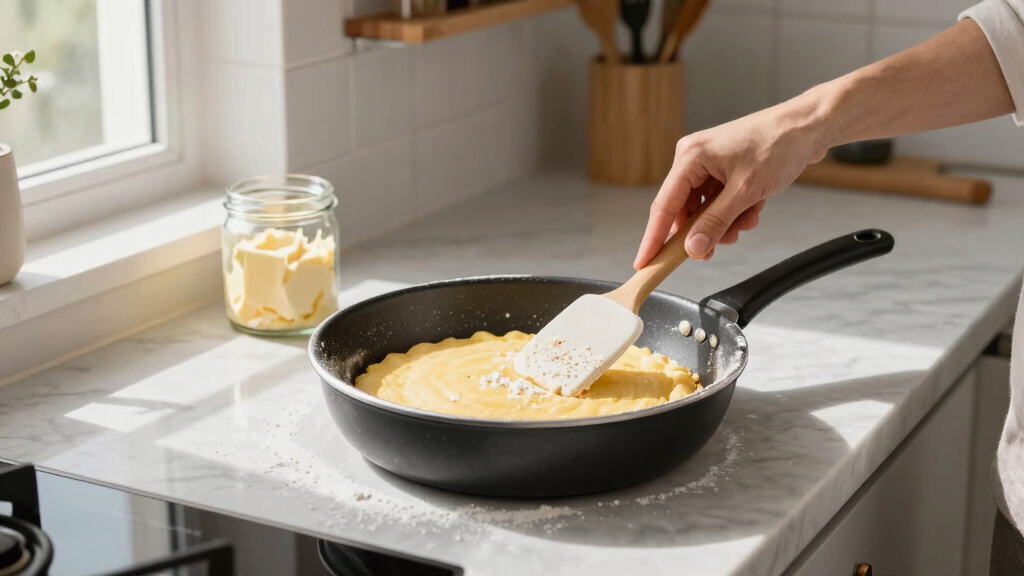
Most sticking happens because of one or more simple missteps—like not greasing enough or using the wrong pan. But it’s also about the pan’s condition and how you handle your baked goods afterward.
For example, if you skip greasing your pan or forget to dust it with flour, your batter can cling like glue. Over time, non-stick coatings can wear down, especially if you use abrasive scrubbers. High moisture recipes, like sticky fruit bars or caramel brownies, are naturally more prone to sticking.
Understanding these causes matters because it directly influences your baking results. A poorly prepared or damaged pan can ruin your baked goods even if your recipe is perfect. Recognizing the importance of pan condition and proper preparation helps you troubleshoot effectively and avoid repeated failures. The tradeoff is that investing a little extra care in prepping your pans can save you time and frustration later, ultimately leading to cleaner releases and more professional-looking desserts.
Products Worth Considering

Ninja PossibleCooker Plus 6-in-1 8.5 Qt Black (MC1010)

De’Longhi Classic Matte Black Espresso Machine with Milk Frother

Weber Searwood 600 Wood Pellet Smoker Grill, Black
As an affiliate, we earn on qualifying purchases.
The Best Tools and Techniques to Prevent Baked Goods from Sticking
Prevention is your best friend here. The most reliable method? Properly prepared pans and the right tools. It’s simple but makes all the difference.
Here’s what works:
- Parchment paper is a game-changer. It creates a barrier so your bake slides right out. This is especially useful for sticky batters or delicate baked goods, as it minimizes the risk of tearing or breaking during removal.
- Silicone baking mats offer a reusable, eco-friendly non-stick surface. They distribute heat evenly, reducing hot spots that can cause sticking, and are ideal for cookies, bars, or even bread. Using these mats reduces waste and continuous re-greasing.
- Greasing with natural oils or butter followed by a dusting of flour or cocoa powder (for chocolate recipes) coats the pan evenly, creating a barrier that prevents batter from adhering. The choice of fat can influence the flavor and texture of your baked good, so select accordingly.
- Using non-stick sprays can help, but check if they contain additives that might degrade coatings over time. Some sprays contain propellants or additives that could leave residues, potentially decreasing the non-stick properties after repeated use.
- Proper pan condition: Keep your pans scratch-free and avoid abrasive cleaners that strip non-stick coatings. Regularly inspecting your pans helps catch deterioration early, ensuring your baked goods don’t stick due to compromised surfaces.
For example, a quick trick: line your cake pan with parchment, then give it a light spray of coconut oil. Your cake will slide out smoothly, even if it’s a sticky batter like caramel or fruit-filled. This combination leverages multiple layers of non-stick protection, reducing the chances of sticking and making your baking process more foolproof.
How to Free Stuck Bakes Without Breaking Them
If your baked good is already stuck, don’t panic. Here’s a step-by-step process to free it without disaster:
- Let it cool for at least 10 minutes. Hot baked goods are more fragile and prone to breaking, so patience here preserves the integrity of your treat.
- Run warm water gently around the pan’s edges if it’s a cake, or dampen a cloth and place it underneath for a few minutes. Warming the pan slightly can loosen the bond between the baked good and the surface, making removal easier.
- Use a thin, flexible spatula or butter knife to carefully loosen the edges, working gently around the perimeter. This minimizes tearing and reduces stress on delicate structures.
- Invert the pan onto a cooling rack or plate, then tap or shake gently. Gravity often helps release stubborn baked goods, especially if they’ve been properly cooled and loosened.
- For sticky items like caramel brownies, warming the pan slightly in the oven (about 200°F for a few minutes) can soften residues, making removal easier. Be cautious not to overheat, which might cause melting or deformation.
For example, I once had a pan of caramel brownies that refused to come out. I let it cool, then ran warm water around the pan for a few minutes. Loosened with a spatula, they slid out cleanly — no crumbling or sticking. This method relies on patience and gentle techniques that protect your baked goods’ appearance and structure.
Comparison: Traditional Greasing vs. Modern Non-Stick Solutions
| Method | Effectiveness | Environmental Impact | Best For |
|---|---|---|---|
| Butter & Flour | High for most recipes; can be uneven if not applied carefully | Low; biodegradable and traditional | Cakes, quick breads, where a classic finish is desired |
| Non-stick Spray | Good, but effectiveness can diminish over time as coatings wear | Moderate; some contain propellants and additives that may have environmental impacts | Cookies, muffins, and recipes needing quick prep |
| Parchment Paper | Excellent; prevents sticking entirely when used properly | Low; biodegradable if unbleached, especially when reused | Layered baking, sticky batters, or delicate items |
| Silicone Baking Mats | Very high; reusable and durable, providing consistent non-stick performance | Low; reduces waste and repeated application of other coatings | Cookies, bread, roasted vegetables, versatile for many uses |
Choosing the right method depends on your baking style and priorities. While traditional greasing offers simplicity, modern solutions like silicone mats and parchment paper provide more reliable, eco-friendly results—especially for sticky or fragile recipes. Understanding these tradeoffs helps you select the best approach for consistent, successful baking outcomes.
Maintaining Your Pans for Better Baking Results
Keeping your pans in good shape makes a huge difference. A scratched or damaged non-stick surface loses its slickness, increasing sticking chances. Proper maintenance extends the lifespan of your baking tools and ensures consistent results.
Here’s how to care for your baking tools:
- Wash with warm water and mild soap. Avoid abrasive scrubbers that can scratch coatings, as these damage the non-stick layer and lead to increased sticking over time.
- Dry thoroughly to prevent rust or corrosion, especially on metal pans or pans with exposed metal edges.
- Store flat or hang pans to prevent warping or accidental damage.
- Replace pans when coatings are chipped or peeling because continued use can lead to uneven baking and increased sticking, as well as potential ingestion of small coating particles.
For instance, I replaced a scratched non-stick loaf pan after noticing small flakes. Regular inspection and prompt replacement ensure your baked goods release smoothly, maintaining quality and safety.
Frequently Asked Questions
How can I prevent my cakes from sticking to the pan?
Properly greasing your pan, dusting it with flour or cocoa, and lining with parchment paper are the best ways. Also, choose pans in good condition and avoid overbaking.What’s the easiest way to remove a stuck cake?
Let it cool slightly, run warm water around the pan’s edges, then gently loosen with a spatula. Invert onto a cooling rack and give it a gentle shake—most will release easily.Are non-stick sprays safe to use?
Most are safe when used as directed, but some contain additives or propellants. Natural oils or parchment paper are safer, eco-friendly options that work just as well.Can I reuse parchment paper?
Yes, if it’s still clean and has no burnt spots. Reusing is eco-friendly, but for best results, use fresh sheets for sticky or delicate recipes.What’s an eco-friendly alternative to non-stick sprays?
Silicone baking mats and natural oils like coconut or avocado oil are sustainable, effective options that reduce chemical exposure and waste.Conclusion
Sticking isn’t a baking failure—it’s a sign you can improve your technique with simple tools and habits. A little prep work and patience go a long way in giving you clean, perfect slices every time.
Next time you bake, think of your pan as an ally. Treat it well, and your baked goods will slide out as smooth as silk. Happy baking—and no more sticking surprises!