
TL;DR

Get baking supplies delivered free with Prime
- Fast, free delivery on millions of items
- Prime Video, Amazon Music and more included
- Member-only deals all year
When a bake doesn’t turn out as planned, quick fixes like trimming, moistening, or repurposing can rescue your effort. Understanding common problems and solutions helps you avoid waste and keeps baking fun.
Baking mishaps happen to everyone. Maybe your cake sank in the middle, your cookies burnt on the edges, or your bread just didn’t rise. Instead of tossing it all out, there’s often a way to salvage what’s left, saving ingredients and your confidence in the kitchen.
Knowing how to fix these common problems can turn a kitchen disaster into a surprisingly delicious new creation. This guide will walk you through practical tips, recent techniques, and real-world examples to help you rescue your failed bakes with confidence.
Diagnose your baking failure first to choose the right rescue method.
Small adjustments—like trimming, moistening, or layering—can fix many issues on the spot.
Transform failed bakes into new desserts to reduce waste and boost creativity.
Prevent future mishaps by using accurate measurements, oven thermometers, and following recipes closely.
Patience and a creative mindset turn baking disasters into delightful surprises.
How to Rescue a Bake That’s Already Gone Wrong
A sunken cake, scorched cookie or stubborn loaf is not automatically waste. Diagnose the failure, protect what still tastes good and choose the smallest intervention that can turn the bake into something worth serving.
Identify what actually went wrong
The visible flaw is a clue, not always the cause. Ingredient balance, oven temperature, time and technique each call for a different response.
Sink, collapse or no lift
Likely culprits include excess leavener, weak gluten structure, premature oven opening or a rapid rise caused by excessive heat.
Check: ratios, mixing and oven calibrationBurnt edge, raw centre
Uneven heat, a dark pan or an oven running hot can scorch the perimeter before heat reaches the middle.
Check: pan position, foil and true temperatureDry, dense or crumbly
Overbaking, excess flour or too little liquid removes tenderness. Dense bread may also point to weak or insufficient fermentation.
Check: weighing, bake time and hydrationChoose the right rescue
Act quickly when a bake is still warm, but do not disguise unsafe raw batter. A clean skewer and a stable centre matter more than appearance.
| Failure | Likely cause | Immediate action | Best transformation | Future prevention |
|---|---|---|---|---|
| Sunken cake | Over-leavening or rapid rise | ✓Level and fill the hollow | Trifle, layered cake or cake pops | Measure leavener precisely |
| Burnt cookie edges | Hot spots or excessive heat | ✓Cool, then shave scorched areas | Cheesecake crust or sundae crumb | Rotate tray; lower temperature |
| Raw centre | Short bake or oversized pan load | ~Cover with foil; return at lower heat | Only repurpose after fully cooking | Test the deepest point |
| Dry cake or loaf | Overbaking or excess flour | ✓Brush lightly with syrup | Bread pudding or layered dessert | Weigh flour; shorten bake |
| Bread did not rise | Inactive yeast or weak proof | ✗Lift cannot be restored after baking | Croutons, crumbs or flatbread base | Test yeast; proof by volume |
| Cookies spread too far | Warm dough or excess fat | ✓Cut neat rounds while warm | Ice-cream sandwiches or crumb | Chill dough and trays |
From kitchen mishap to second chance
Use this four-step loop before reaching for the bin. Each decision preserves flavor, protects food safety and limits unnecessary work.
Name the flaw
Check the centre, crust, moisture, rise and flavor. Separate cosmetic damage from structural failure.
Stop more damage
Lower heat, add foil or remove the bake. Let fragile items cool before trimming or moving them.
Apply one fix
Trim bitterness, add measured moisture or reinforce a weak structure with filling and layers.
Make a new dish
If the original format is lost, turn the good parts into a dessert where crumbs and density belong.
Turn failure into an ingredient
The best rescue is sometimes a change of identity. Texture that seems wrong in one bake can be exactly right in another.
cake
Fruit-and-cream trifle
Cube the sound cake, then alternate with fruit, custard or cream. The collapse disappears into deliberate texture.
stale bread
Spiced bread pudding
Soak cubes in custard until saturated, then bake gently. Density becomes the structure that holds the pudding together.
cookies
Crunchy dessert crust
Remove bitter portions, crush the remainder and combine with a little melted butter for a pie or cheesecake base.
offcuts
Cake truffles
Crumble finely, add frosting a spoonful at a time and roll. A chocolate coating seals in the restored moisture.
What responds best to intervention?
These directional scores compare practical rescue potential: cosmetic and moisture problems are usually more forgiving than failed internal structure.
Build a more reliable bake
Rescue teaches diagnosis; notes turn that diagnosis into progress. Record the pan, temperature, time and result while the details are fresh.
Use a scale
Weigh flour and leaveners to avoid the ratio errors that drive dryness, spread and collapse.
Check the oven
An oven thermometer reveals whether the actual heat matches the number on the dial.
Respect the order
Ingredient temperature, mixing time and sequence often determine the final structure.
Keep bake notes
Record adjustments and outcomes so one mistake becomes a repeatable improvement.
Your dial may not tell the whole truth
Example: oven runs 20°F hotEvery failed bake can still teach—or feed—you.
Identify Exactly What Went Wrong (And Why It Matters)
The first step to fixing a failed bake is understanding what caused the problem. This isn’t just about surface issues; recognizing the underlying cause helps you avoid repeating the same mistake and ensures your fix addresses the root of the problem. For example, a sinking cake often indicates too much leavening or an oven running too hot, which causes the batter to rise rapidly and then collapse. Similarly, burnt edges might be a sign of uneven heat distribution or that the oven was preheated excessively, leading to localized burning while the inside remains undercooked.
By diagnosing whether the issue was due to ingredient imbalance, baking time, temperature, or technique, you can choose a targeted rescue method that preserves the effort you’ve already put in. This understanding also helps you learn from mistakes, refining your skills for future bakes. For instance, if your batter was too thick due to improper measuring, fixing that with better accuracy will lead to more consistent results. Recognizing these factors empowers you to troubleshoot effectively rather than just patch symptoms.
Understanding the root cause of baking failures is crucial because it informs your decision-making process for fixes. Without this insight, you risk applying superficial solutions that might mask symptoms but don’t address the underlying problem, leading to repeated failures. For example, if you notice consistent sinking cakes, investigating ingredient ratios or oven calibration can prevent future collapses, saving time and ingredients in the long run. This diagnostic step transforms baking from a guessing game into a more precise craft, ultimately making your baking more reliable and enjoyable.
Products Worth Considering

Le Creuset Enamemed Cast Iron Oval Dutch Oven, 5 qt., White/Crucible

Le Creuset Enameled Cast Iron Round Dutch Oven, 5.5 Qt, Flame

Le Creuset Signature Enameled Cast Iron Round Dutch Oven, 5.5 qt, Deep Teal
As an affiliate, we earn on qualifying purchases.
Quick Fixes for Common Baking Failures You Can Do Now
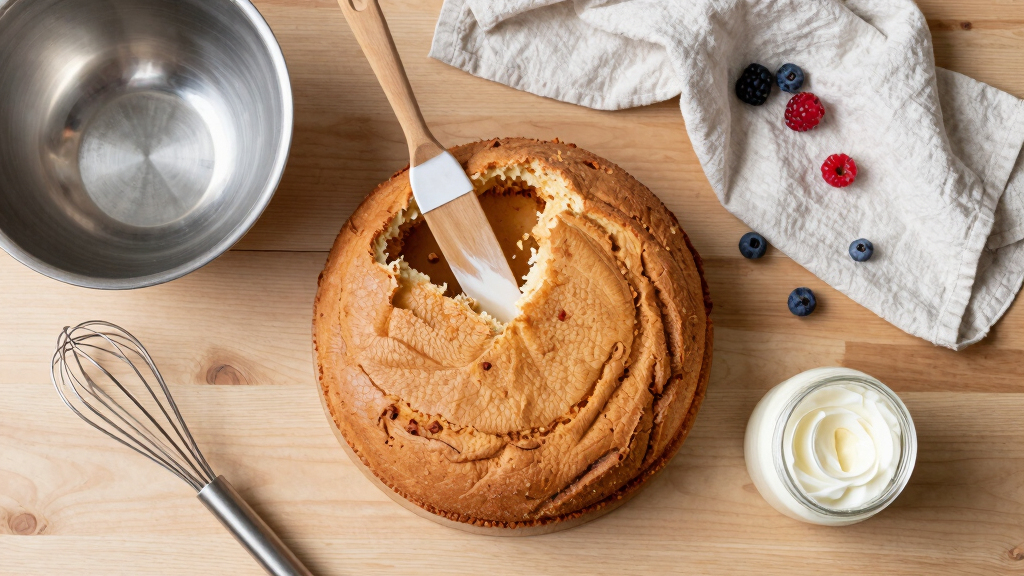
Many baking failures are fixable with simple adjustments, but understanding why these fixes work deepens your baking intuition. For example, if your cake sank, it’s often due to over-leavening or rapid rising followed by collapse. Trimming the top and filling it with frosting or fruit doesn’t just hide the flaw; it transforms the structure, making it visually appealing and tasty. Turning a collapsed cake into a layered trifle adds flavor and texture, turning a mistake into a feature. Burnt edges, on the other hand, are a sign of uneven heat or excessive oven temperature, which can often be mitigated by carefully removing charred parts and lowering the oven temperature for subsequent baking or assembly. This prevents further damage and preserves the remaining good parts.
Similarly, dry bread results from overbaking or too much flour, but brushing it with simple syrup rehydrates it, restoring moisture and enhancing flavor. Flat bread, which lacks lift due to insufficient leavening or improper mixing, can be repurposed into flatbreads or used as a base for toppings, adding versatility and reducing waste. Each fix addresses a specific cause—trimming burnt parts prevents bitterness, moistening dry bread restores palatability, and reusing flat bread maximizes resourcefulness.
Understanding the why behind each fix helps you decide when a quick adjustment is enough and when more extensive changes are needed. For instance, knowing that burnt edges are caused by oven hot spots guides you to adjust baking times or temperatures more accurately in the future. Recognizing that a dry loaf is overbaked encourages you to check oven calibration or baking duration. These insights allow you to choose the most effective remedy, balancing immediate needs with long-term improvements. The tradeoff often involves weighing the effort of a quick fix against potential future issues—sometimes a simple trim or moistening is enough, but persistent problems may require adjustments to your process. These small, deliberate actions can often salvage an entire batch, turning failure into a new opportunity for deliciousness.
Turning Failures Into New Delicious Creations
Sometimes, fixing isn’t enough. When a cake is too flat or a loaf is dense, use it as a base for new desserts. Crumbled cake makes a fantastic trifle layered with fruit and cream, turning a flaw into a show-stopping treat. Stale bread? Turn it into crunchy croutons or bread pudding—both delicious ways to repurpose what might otherwise be thrown away. Burnt cookies? Crush them into crusts for cheesecakes or ice cream toppings, adding flavor and texture while preventing waste. These transformations don’t just salvage ingredients; they spark creativity and expand your baking repertoire.
For example, I once had a loaf that barely rose. Instead of discarding it, I cubed it, soaked it in a cinnamon-spiced custard, and baked it into a bread pudding that vanished in minutes. This approach demonstrates how a failed bake can be an opportunity to experiment and create something even better. Embracing imperfections as potential ingredients encourages a more relaxed, inventive baking mindset, reducing waste and increasing satisfaction.
Think outside the box: a failed bake isn’t just a lost cause but a disguised ingredient waiting for a new purpose. This mindset unlocks endless possibilities for turning mishaps into culinary delights. Recognizing the value of imperfect baked goods encourages a more sustainable approach, reducing food waste and fostering resourcefulness. Each failure becomes a chance to innovate, turning what seems like a mistake into a new culinary adventure that can surprise and delight both you and your guests.
How to Prevent Future Baking Disasters
Prevention is better than rescue, especially when it comes to consistent results. Using an oven thermometer to verify accurate temperature is crucial because many ovens have hot spots or temperature inaccuracies that lead to uneven baking or burnt edges. Precise measurement of ingredients, particularly leaveners like baking soda and baking powder, ensures your batter has the right balance of rising agents, preventing issues like sinking or flatness. Following recipes closely, including mixing times and ingredient order, helps maintain consistency. Additionally, keeping detailed notes on what works and what doesn’t allows you to tweak your process over time, reducing errors and building confidence.
For example, I once discovered my oven was running 20°F hotter than the dial indicated. Calibrating it with an oven thermometer helped me avoid burnt cookies and uneven cakes, saving time and ingredients. These small adjustments have a big impact on your success rate and help you develop a more intuitive understanding of your equipment and ingredients.
Other tips include thoroughly preheating your oven to ensure even heat distribution, using high-quality ingredients with accurate measurements, and adjusting baking times based on your specific oven’s quirks. Keeping detailed notes of each bake helps identify patterns and refine your techniques, making future baking sessions more predictable and successful. This proactive approach creates a feedback loop that enhances your skills over time, leading to more reliable results and fewer failures.
Ultimately, proactive measures and mindful practices create a solid foundation for baking success, minimizing failures and making your kitchen adventures more enjoyable.
Frequently Asked Questions
My cake sank in the middle—what can I do?
Trim the top, fill with frosting or fruit, and layer it into a new cake or turn it into a trifle. This way, you hide the flaw and still enjoy a delicious dessert.
Remove the burnt parts carefully, lower your oven temperature, and finish baking at a gentler heat or cover with foil to prevent further burning.
My bread didn’t rise—can I fix it after baking?
Usually, bread can’t be fixed after baking. But you can turn it into croutons, bread crumbs, or bread pudding—great uses for failed rises.
How do I avoid baking failures in the future?
Use an oven thermometer, measure ingredients precisely, follow recipes carefully, and keep notes on your baking experiments to improve over time.
Are there quick fixes for overbaked or dry baked goods?
Yes, brushing with simple syrup, using fruit preserves, or repurposing into layered desserts can bring moisture and new life to dry treats.
Conclusion
Most baking mishaps aren’t the end of the world—they’re just opportunities in disguise. With a little quick thinking, you can often rescue what’s left and create something unexpectedly wonderful. Remember, every failed bake is just a lesson in disguise, waiting to be turned into a new favorite.
Next time your oven betrays you, stay calm, think creatively, and turn that mishap into your next masterpiece.