TL;DR

Get baking supplies delivered free with Prime
- Fast, free delivery on millions of items
- Prime Video, Amazon Music and more included
- Member-only deals all year
Most baked goods and ingredients can be frozen for 1-3 months if properly wrapped. Correct packaging, cooling, and labeling are key to maintaining quality and preventing freezer burn.
Ever wonder if that last batch of muffins or homemade bread can sit in your freezer without losing its charm? Freezing isn’t just about saving leftovers; it’s a smart way to stretch your baking, reduce waste, and prepare ahead. But not everything freezes well, and improper methods can turn your treats into icy, flavorless blobs.
This guide helps you understand what, how, and why to freeze your baked goods and ingredients. You’ll learn practical tips for wrapping, thawing, and storing, so your baked creations taste just as delicious after months in the freezer as they did fresh out of the oven.
Always cool baked goods completely before freezing to prevent ice crystals and sogginess.
Use airtight packaging or vacuum-sealing to prevent freezer burn and extend shelf life.
Most baked items are best frozen within 1-3 months for top flavor and texture.
Label everything with dates and contents to manage your freezer stash.
Thaw baked goods slowly at room temperature or in the fridge, then reheat gently to restore freshness.
Can You Freeze That?
Most baked goods can keep their flavor and texture for one to three months—if they are cooled, wrapped, labeled, and thawed correctly. Use this guide to batch-bake confidently, waste less, and bring back that fresh-from-the-oven charm.
Freeze the texture, not just the food
Large ice crystals damage crumb structure. The defense is a simple chain: remove residual heat, block air, freeze promptly, and restore moisture gently.
Cool
Bring baked goods fully to room temperature on a wire rack.
Portion
Slice bread or divide batches so you thaw only what you need.
Wrap
Use plastic wrap or foil, then add an airtight freezer bag.
Label
Write the contents, freeze date, and best-use date clearly.
Freeze
Lay items flat and leave space for cold air to circulate.
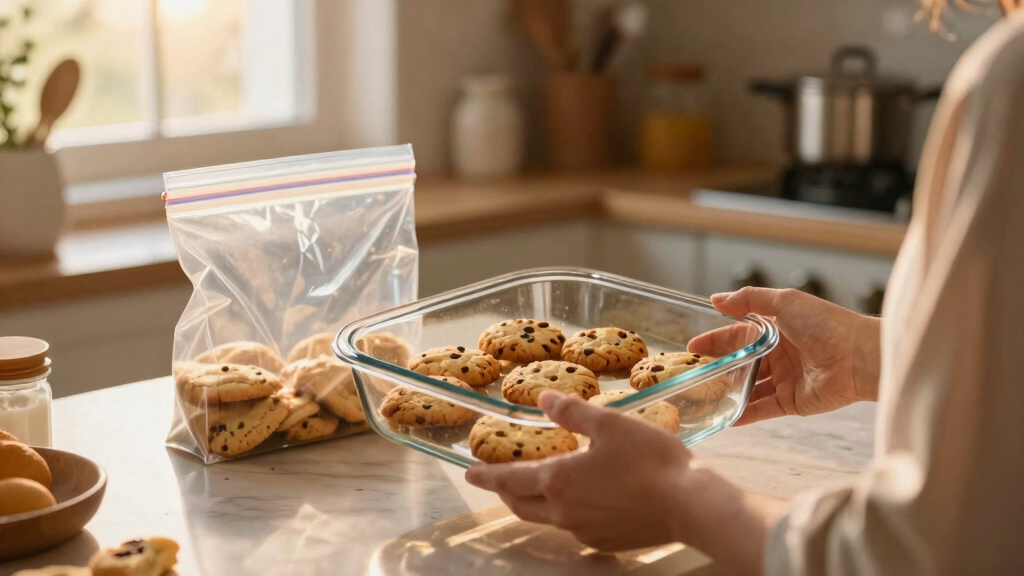
For cookies, layer completely cooled pieces with parchment inside a rigid airtight container. It prevents sticking, breakage, and mysterious freezer clumps.
What freezes beautifully—and what does not
Sturdy crumbs and lower-moisture bakes are dependable. Delicate foams, fresh cream fillings, and fragile toppings are more likely to separate, soften, or collapse.
| Item | Freezes well? | Best window | Freezer strategy |
|---|---|---|---|
| Breads & rolls | ✓ YES | Up to 3 months | Wrap tightly; slice first for easy toasting. |
| Unfrosted cakes | ✓ YES | 2–3 months | Wrap in plastic, then foil for a double barrier. |
| Cookies & muffins | ✓ YES | About 2 months | Cool completely; layer with parchment. |
| Frosted cakes | ~ WITH CARE | About 1 month | Freeze briefly to firm frosting, then wrap well. |
| Cookie, pie & bread dough | ✓ YES | 1–3 months | Portion before freezing and seal tightly. |
| Meringues | ✗ NO | Enjoy fresh | Moisture compromises the crisp, airy structure. |
| Cream-filled pastries | ✗ NO | Enjoy fresh | Fillings may separate and pastry can become soggy. |
Stock the freezer like a baker’s pantry
Freezing staples protects flavor, cuts waste, and makes spontaneous baking easier. The right preparation matters as much as the container.
Berries
Freeze in a single layer on a tray, then bag. Add directly to batter while frozen to limit bleeding and clumping.
Nuts
Seal airtight to protect natural oils from rancidity. Use straight from frozen for most recipes.
Butter
Keep in its original wrapper, add a freezer bag, and portion into recipe-friendly amounts before freezing.
Flour
Use airtight jars or vacuum-sealed bags. Let the sealed flour reach room temperature before opening to avoid condensation.
Sugar
Moisture is the enemy. Choose a tightly sealed container and allow any chilled sugar to warm before use.
Dough portions
Shape cookie dough or pie dough first. Freeze portions separately, then consolidate them in a labeled bag.
Use the freezer as a pause button
Freezing slows quality loss; it does not stop it forever. These windows prioritize flavor and texture rather than basic food safety.
Recommended quality window
Relative storage time, with three months shown as the full scale.
Patience restores the crumb
Slow thawing lets moisture redistribute. A short oven finish revives the surface, while prolonged microwave heating can create rubbery or soggy textures.
Counter thaw
Leave wrapped at room temperature for roughly 30 minutes. Keeping the wrapping on helps prevent surface moisture loss.
Fridge overnight
A gentle refrigerator thaw protects structure and allows moisture to settle evenly through the cake.
Oven finish
Warm at 350°F for 5–10 minutes. The dry heat restores aroma, softness inside, and crispness outside.
Five moves protect every batch
Trace the quality chain from cooling rack to serving plate. A weak link—especially trapped heat or excess air—can undo the rest.
How to Freeze Baked Goods Without Ruining Their Texture
Freezing baked goods is an art — it’s not just about tossing them in a bag. The key is proper cooling, packaging, and handling. For example, a loaf of bread needs to be completely cooled before wrapping tightly in plastic wrap or foil. This prevents condensation, which causes ice crystals and soggy spots.
Use airtight containers or resealable freezer bags. Remove as much air as possible to prevent freezer burn. For cookies, let them cool on a wire rack, then layer them with parchment paper inside a container. When you’re ready to enjoy, reheat in the oven at 350°F for 10 minutes to restore that fresh-baked feel.
Pro tip: Label your packages with the date and contents. This simple step helps you track freshness and avoid mystery leftovers lurking in the back of your freezer.
Deep understanding of freezing baked goods reveals that proper handling preserves not just the appearance but also the texture and flavor. For instance, cooling at room temperature before freezing prevents the formation of large ice crystals that can damage the crumb structure. Using airtight packaging minimizes moisture exchange with the freezer environment, which can cause dryness or freezer burn. Reheating in the oven rather than microwave helps to restore crispness and freshness, as microwaves tend to make baked goods soggy or rubbery due to uneven heating. Recognizing these tradeoffs—such as the slight loss in texture with longer storage versus convenience—allows bakers to optimize their freezing practices for the best results.
Products Worth Considering

Cuisinart Stainless Steel Bread Maker, 12 Programs, 2 lb Capacity

Cuisinart Portable Tabletop Propane Patio Heater, 11,000 BTU, Red

KitchenAid 28 oz Cold Brew Coffee Maker, KCM4212
As an affiliate, we earn on qualifying purchases.
Which Baked Goods Freeze Best (and Which Don’t)
| Item | Freezes Well? | Tips |
|---|---|---|
| Breads & Rolls | Yes | Wrap tightly, slice before freezing for easy toasting |
| Cakes (without frosting) | Yes | Wrap in plastic, then foil; reheat in oven for best texture |
| Cookies | Yes | Cool completely, then store layered with parchment in airtight container |
| Frosted Cakes | Yes, with care | Wrap well, but expect slight texture changes; best for short-term freezing |
| Meringues & Cream-filled Pastries | No | Best enjoyed fresh; freezing ruins delicate textures |
Understanding what freezes well helps prevent disappointment. For instance, bread and cookies handle freezing like champs, but delicate meringues crumble after freezing. Appreciating these differences is crucial because it influences your planning: freezing a fragile meringue might ruin its airy texture, which defeats the purpose of baking it in the first place. Conversely, knowing that bread and cookies tolerate freezing allows you to make larger batches and enjoy them over time without sacrificing quality. This knowledge helps you weigh convenience against potential texture changes and plan your baking and storage accordingly, reducing waste and maximizing enjoyment.
How to Thaw and Reheat for Perfect Freshness
Thawing baked goods properly keeps them tasting fresh. For bread and muffins, the best way is to leave them on the counter at room temperature for about 30 minutes. For cakes, a gentle thaw in the fridge overnight works best. Reheating restores that just-baked aroma and softness.
If you’re in a hurry, warm slices of bread or cookies in a preheated oven at 350°F for 5-10 minutes. This crisps up the exterior and revives the flavors. Avoid microwaving for too long — it can make baked goods rubbery or dry.
Patience in thawing is an often overlooked but crucial step. Slow thawing allows moisture to redistribute evenly within the baked good, preventing a dried-out or uneven texture. Reheating in the oven not only warms but also revitalizes the surface crispness, which microwave heating often compromises. Recognizing the tradeoff between speed and quality helps bakers decide on the best approach: sacrificing a few minutes for a significantly better eating experience. This understanding ensures you restore the baked good’s original texture and flavor, making every bite as delightful as fresh from the oven.
How to Freeze Baking Ingredients for Long-Term Use
Freezing ingredients like flour, nuts, berries, and butter keeps them fresh and ready for your next batch. For example, freeze berries spread on a tray first, then transfer them to a sealed bag — this prevents clumping. Nuts should be stored in airtight containers to prevent oils from going rancid.
Label everything with the date. For flour and sugar, airtight jars or vacuum-sealed bags work best. Keep in mind: freezing doesn’t change the flavor, but it can affect texture, especially with delicate ingredients like fresh herbs or chopped garlic.
By freezing staples properly, you cut down prep time and avoid frequent trips to the store — plus, you always have ingredients ready to go. This proactive approach means less waste and more spontaneity in your baking. For instance, frozen berries can be added directly to batter without thawing, preserving their freshness and texture. Proper storage methods, like using vacuum-sealed bags or airtight containers, are essential to prevent moisture loss or freezer burn, which can compromise ingredient quality. Understanding these tradeoffs—such as the potential for slight flavor loss or texture changes—helps you decide how best to store each ingredient for maximum longevity and convenience.
How Long Do Baked Goods Stay Good in the Freezer?
Most baked goodies stay tasty for 1-3 months if stored correctly. Cookies and muffins tend to hold up best around 2 months. Bread and sliced cakes can last up to 3 months without noticeable loss of quality. Beyond that, they might develop freezer burn or dryness.
Understanding these timeframes is important because each baked good has a different tolerance for storage. For example, cookies, being less moist, tend to preserve their texture longer, whereas bread can become dry or stale if kept too long. Recognizing signs of spoilage—like ice crystals, a dull appearance, or off smells—helps you avoid serving compromised treats. Labeling with dates adds a layer of control, ensuring you enjoy your baked goods at their peak. This knowledge allows you to plan your baking schedule better, reducing waste and ensuring every bite is as delightful as when freshly baked, by managing storage time wisely.
Frequently Asked Questions
Can I freeze freshly baked bread or cake?
Yes, most bread and cakes freeze well if they are cooled thoroughly and wrapped tightly. Freezing preserves their freshness, making it easy to enjoy slices days or weeks later.
How long can baked goods be stored in the freezer?
Generally, 1-3 months is ideal for maintaining quality. Cookies and muffins stay fresh longer, while bread and cakes are good up to 3 months. After that, texture and flavor may decline.
Should I freeze baked goods before or after frosting?
Cookies and bread are best frozen unfrosted to prevent texture changes. Frosted cakes can be frozen if wrapped well, but expect slight changes in frosting or crumb. For best results, freeze unfrosted and add frosting after thawing.
How do I prevent freezer burn?
Use airtight containers or vacuum-seal your baked goods, remove excess air, and avoid overfilling the freezer. Proper packaging is the best defense against freezer burn and moisture loss.
What’s the best way to thaw and reheat baked goods?
Thaw at room temperature or in the fridge. To restore freshness, reheat in a preheated oven at 350°F for 10 minutes. This keeps the texture crispy and flavors vibrant.
Conclusion
Freezing is a simple, effective way to keep your baked treats tasting fresh and delicious. With proper wrapping, timing, and thawing, your freezer becomes a treasure chest of homemade goodies ready whenever you crave them.
Remember — every frozen treat is a promise of convenience and less waste. Next time you bake a batch, think ahead. Freeze what you won’t eat right away, and enjoy the taste of freshly baked anytime.