
TL;DR

Get baking supplies delivered free with Prime
- Fast, free delivery on millions of items
- Prime Video, Amazon Music and more included
- Member-only deals all year
Storing flour properly extends its shelf life and prevents pests. Use airtight, opaque containers in a cool, dry place or freezer, and consider modern tools like vacuum seals and oxygen absorbers for best results.
Use airtight, opaque containers for storing flour to protect against light, air, and moisture.
Keep flour in a cool, dry place or freeze for longer shelf life, especially for whole grain and specialty flours.
Modern tools like vacuum sealers and oxygen absorbers can dramatically extend flour’s freshness.
Regularly check for signs of spoilage — smell, discoloration, bugs, or mold — to avoid health risks.
Label your storage containers with purchase dates to track freshness easily.
What’s the Best Container for Flour? It’s All About Airtight, Opaque, and Food-Grade
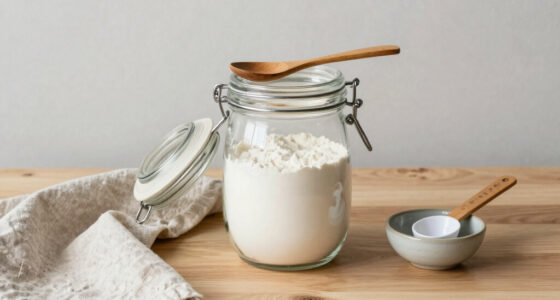
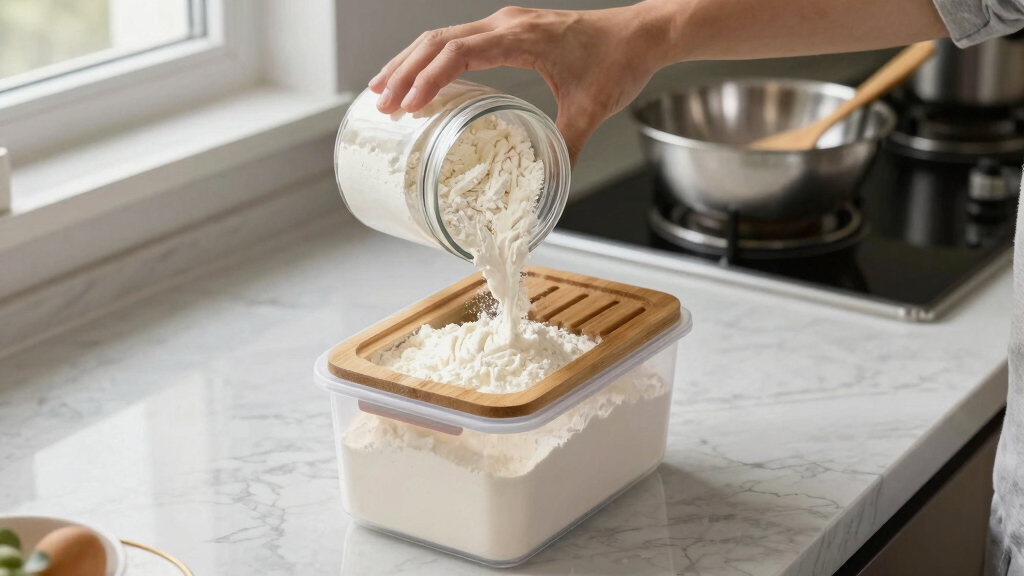
The foundation of good flour storage? Choose the right container. Airtight, opaque, and food-grade materials keep out moisture, light, and pests. Glass jars with tight-fitting lids work beautifully, especially for small batches. Metal canisters are durable and prevent light-induced rancidity, which is especially important for whole grain flours that contain oils prone to oxidation. Plastic bins with secure seals are convenient for larger quantities, but ensure they’re food-safe; otherwise, chemicals could leach into your flour. The choice of container impacts how long your flour stays fresh because exposure to light and air accelerates spoilage. For example, storing your whole wheat flour in a dark, airtight glass jar can extend its freshness by 4-6 months compared to leaving it in a paper bag exposed to light and air. The key is to prevent environmental factors from triggering oxidation, rancidity, or insect intrusion, which can compromise both flavor and safety.
Products Worth Considering
Vitamix 5200 Professional-Grade Blender, 64 oz. Container, Black

Vitamix Propel Series 750 Professional-Grade Blender, 4 Programs, Black

Vitamix Propel Series 510 Professional-Grade Blender, 3 Programs, Black
As an affiliate, we earn on qualifying purchases.
Temperature and Humidity: Keep Flour Cool and Dry to Prevent Spoilage
Flour’s lifespan is heavily influenced by environmental conditions. Warm temperatures and high humidity accelerate spoilage processes such as mold growth, rancidity, and insect infestation. Fats in whole grain flours are particularly vulnerable to oxidation, which produces off-flavors and odors. Maintaining a cool, dry environment—ideally below 70°F (21°C)—slows these reactions. Low humidity prevents moisture absorption, which can lead to clumping and mold. If your kitchen tends to be warm or humid, storing flour in the refrigerator or freezer becomes essential. For instance, a baker in Florida might choose to keep her whole wheat flour in the freezer to prevent mold growth and insect eggs from developing. However, freezing can cause moisture condensation when thawing, which is why careful thawing and proper sealing are important. The tradeoff with refrigeration or freezing is that it requires extra steps to bring flour back to room temperature before baking, but it significantly extends shelf life and preserves quality. Ultimately, controlling temperature and humidity isn’t just about prolonging shelf life—it’s about safeguarding flavor, nutritional value, and safety.
How to Extend Flour’s Shelf Life? 5 Simple Steps You Can Follow Today
- Transfer flour into an airtight, opaque container to block light and air exposure, which can cause oxidation and spoilage.
- Store in a cool, dry place or in the freezer for longer shelf life, especially for whole grain and nut flours that contain oils prone to rancidity.
- Add natural pest repellents like bay leaves inside the container to deter insects without introducing chemicals that could affect flavor or safety.
- Label your container with the date of purchase or storage to track freshness and avoid using old flour unknowingly.
- Check for signs of spoilage every few months—look for off smells, discoloration, bugs, or mold—especially if stored in the pantry. Regular inspection helps catch problems early, preventing health risks and waste.
For example, following these steps, a home baker can keep her organic spelt flour fresh for up to a year in the freezer—much longer than the typical 3-4 months if left in a paper bag on the counter. The tradeoff is a bit of extra effort in container preparation and periodic checks, but the payoff is preserved flavor, texture, and safety over a much longer period.
Modern Tools That Help Keep Flour Fresh Longer
| Tool | Benefit |
|---|---|
| Vacuum Sealer | Removes air from storage bags or containers, dramatically reducing oxidation. This process slows down rancidity and spoilage, especially effective for delicate whole grain or gluten-free flours. By creating a near-airtight environment, vacuum sealing preserves freshness and flavor for up to 50% longer, making it ideal for bulk storage or long-term pantry planning. |
| Oxygen Absorbers | Eliminate oxygen inside sealed bags or containers, which is crucial because oxygen promotes oxidation of fats and supports insect activity. Using oxygen absorbers effectively extends shelf life by preventing rancidity and insect eggs from developing. This is especially beneficial for storage in less controlled environments, ensuring your flour remains fresh and safe for months longer. |
| Smart Storage Containers | Come equipped with sensors that monitor humidity and temperature, providing real-time feedback. These tools help you identify when conditions are becoming unfavorable, allowing you to take corrective action before spoilage occurs. While more expensive, they are invaluable for serious bakers or those storing large quantities of specialty flours, ensuring optimal conditions at all times. |
For example, using a vacuum sealer on a large bag of gluten-free flour can extend its freshness by up to 50%, making it perfect for long-term storage and reducing waste. These tools, though requiring initial investment, offer peace of mind and preserve flour quality over extended periods, which is especially important for those who bake infrequently or buy in bulk.
How Do You Know When Flour Has Gone Bad? Recognize These Clear Signs
Fresh flour typically has a neutral or slightly nutty aroma. When it develops a sour, rancid, or musty smell, it indicates oxidation or microbial activity, and using it can compromise your baked goods’ flavor and safety. Discoloration—such as yellowing or darkening—may signal spoilage or oxidation. Mold appears as fuzzy patches, often green or gray, which is a health hazard. Tiny bugs or larvae within the flour are clear signs of infestation, especially if accompanied by webbing or eggshells. Also, if your baked goods turn out dense, sour, or with off-flavors, it’s a strong sign the flour is no longer good. For example, cookies made with spoiled flour may be flat, have an unusual smell, or taste sour, indicating you should discard the batch and check your storage practices. Recognizing these signs early helps prevent health risks and waste, maintaining both safety and quality in your baking.
Frequently Asked Questions
How long does flour stay good in the pantry?
All-purpose flour lasts about 6-12 months in a pantry if stored properly. Whole wheat flour, with its higher fat content, usually stays fresh for 3-6 months. For longer storage, freezing is the best bet.
Can I store different types of flour together?
It’s better to keep different flours separate to avoid cross-flavor transfer and contamination. Use labeled containers, especially if you store gluten-free and wheat flours together.
Is freezing flour safe and effective?
Absolutely. Freezing halts spoilage and kills any insect eggs. Just let frozen flour come to room temperature before baking to prevent clumping.
What are natural pest prevention tips?
Use bay leaves inside airtight containers and consider freezing flour periodically to eliminate any hidden eggs or larvae. Proper sealing and cleanliness also help keep pests out.