
TL;DR

Get baking supplies delivered free with Prime
- Fast, free delivery on millions of items
- Prime Video, Amazon Music and more included
- Member-only deals all year
Vanilla extract is made from real vanilla beans and offers a complex flavor, while vanilla essence is usually synthetic and simpler. Pure extract costs more but provides richer taste; essence is budget-friendly but less nuanced. Choose based on your flavor preference and recipe needs.
Vanilla is one of the most popular flavorings in baking. But when it comes to choosing between vanilla extract and vanilla essence, confusion can pop up. Do you know what really sets them apart? Or if one can stand in for the other without sacrificing flavor?
Knowing the difference isn’t just about price tags. It’s about flavor depth, ingredient quality, and how you want your baked goods to turn out. In this guide, I’ll walk you through what each one is, how they’re made, and the best ways to use them in your recipes.
Pure vanilla extract contains real vanilla beans, offering a richer, more complex flavor than vanilla essence.
Vanilla essence is usually synthetic and cheaper but lacks the depth of natural vanilla.
Always read labels: pure extract will list vanilla bean extractives; essence often just list vanillin or artificial flavoring.
Use vanilla extract for premium baked goods; vanilla essence is fine for budget baking or quick recipes.
Store both in a cool, dark place; natural vanilla may lose potency over time, so check freshness.
What Exactly Are Vanilla Extract and Vanilla Essence?
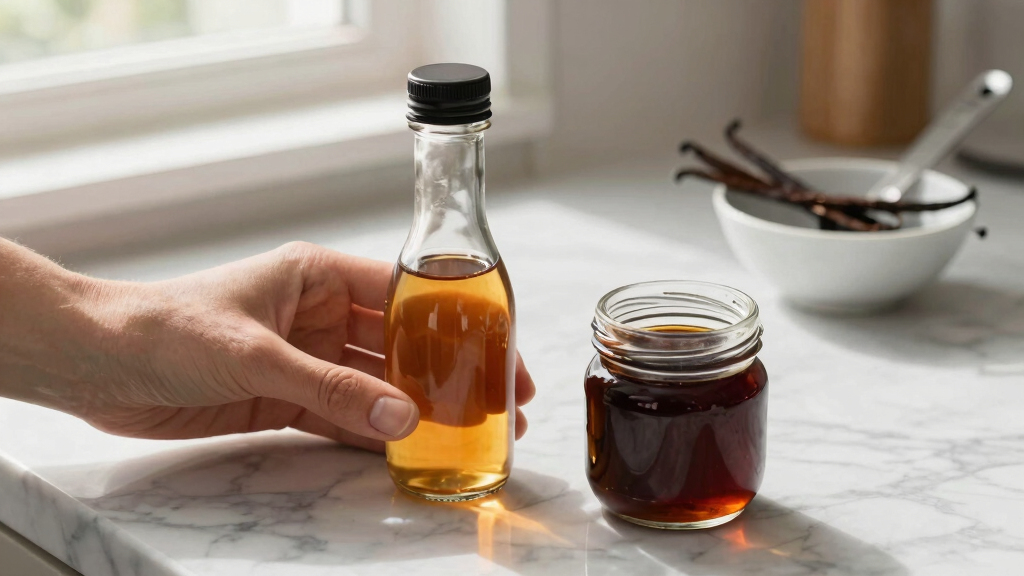
Vanilla extract is a natural product made by soaking vanilla beans in alcohol and water. It’s the real deal, packed with complex flavors from the beans themselves. Vanilla essence, on the other hand, is often an artificially flavored product. It usually contains synthetic vanillin—made in labs—to mimic vanilla’s taste.
Imagine biting into a rich vanilla bean pod versus tasting a flat, sweet candy. That’s the difference in flavor profile you get from these two products.
Products Worth Considering

Instant Pot InstantChill Ice Cream Maker with Rolled Ice Cream Cold Plate, 2-Pint

Vitamix Propel Series 510 Professional-Grade Blender, 3 Programs, Black

Cuisinart ICE-70P1 2-Quart Ice Cream Maker with Countdown Timer
As an affiliate, we earn on qualifying purchases.
Why Pure Vanilla Extract Tastes Better (And Costs More)
Pure vanilla extract boasts a rich, multi-layered aroma. When you open a bottle, expect a warm, floral, slightly woody scent. It’s because it contains actual vanilla bean compounds—vanillin and a host of others—that develop during extraction.
In contrast, vanilla essence often smells overly sweet or flat because it relies on synthetic vanillin. While it can work in a pinch, it doesn’t deliver the same depth of flavor. Expect to pay at least 2-3 times more for pure vanilla extract, especially if you want organic or ethically sourced beans.
For example, a 2-ounce bottle of pure vanilla extract might cost around $8–$15, while a similar-sized bottle of vanilla essence could be under $5.
Vanilla Extract vs Vanilla Essence: How Do They Compare?
| Feature | Vanilla Extract | Vanilla Essence |
|---|---|---|
| Ingredients | Real vanilla beans, alcohol, water | Synthetic vanillin, artificial flavorings, additives |
| Flavor | Rich, complex, nuanced | Simpler, often overly sweet or flat |
| Cost | Higher | Lower |
| Regulations | Must contain minimum vanilla bean extractives (e.g., 13.35 oz/gal in US) | Less regulated, varies widely |
| Best For | Premium baking, flavor-sensitive recipes | Budget baking, recipes where flavor isn’t critical |
How to Use Each in Your Baking—When and Why
Vanilla extract shines in recipes where flavor complexity matters—like layered cakes, custards, or homemade ice cream. Use it directly from the bottle, typically about 1 teaspoon per standard cake.
Vanilla essence can stand in for extract in recipes, especially when you’re baking on a budget or making quick cookies. Because it’s less nuanced, you might want to use slightly more—about 1.5 teaspoons for the same flavor impact.
Pro tip: If a recipe calls for vanilla and you only have essence, bump up the amount slightly and taste as you go to avoid overpowering your dish with artificial flavors.
Tips for Spotting High-Quality Vanilla Products
- Read the label carefully: “Pure vanilla extract” means real beans.
- Check the ingredient list: It should list vanilla bean extractives or vanilla beans, not just vanillin.
- Smell before buying: Pure vanilla has a warm, inviting aroma—artificial flavors often smell overly sweet or chemical.
- Buy from reputable sources, especially if you’re paying a premium for quality.
Frequently Asked Questions
Is vanilla essence safe to use in baking?
Yes, vanilla essence is generally safe. Just be sure to check the ingredients if you have sensitivities, as some artificial flavorings can contain additives or allergens.Can I substitute vanilla essence for vanilla extract in recipes?
Absolutely. Since essence is usually more concentrated, start with about 1.5 times the amount called for in the recipe, and taste as you go to avoid overpowering your dish.How can I tell if my vanilla extract is genuine?
Look for labels stating “pure vanilla extract” and check ingredients for vanilla bean extractives. A rich, aromatic scent is also a good indicator of quality.Are there natural alternatives to vanilla extract?
Yes, options include vanilla bean pods, vanilla bean paste, or homemade vanilla infusions. These often provide an even more natural flavor boost.Conclusion
Choosing between vanilla extract and vanilla essence hinges on what you value most—flavor authenticity or cost. If you want a layered, fragrant vanilla aroma that makes your pastries sing, go for pure vanilla extract. But if budget constraints matter, vanilla essence can be a reasonable stand-in—just don’t expect the same depth.
Next time you reach for vanilla, glance at the label. Your baked goods—and your taste buds—will thank you for it.