
TL;DR

Get baking supplies delivered free with Prime
- Fast, free delivery on millions of items
- Prime Video, Amazon Music and more included
- Member-only deals all year
Swapping butter or oil for nut butters in baking boosts flavor, adds nutrients, and creates richer textures. Innovations like nut butter powders and blends make this switch easier and more versatile.
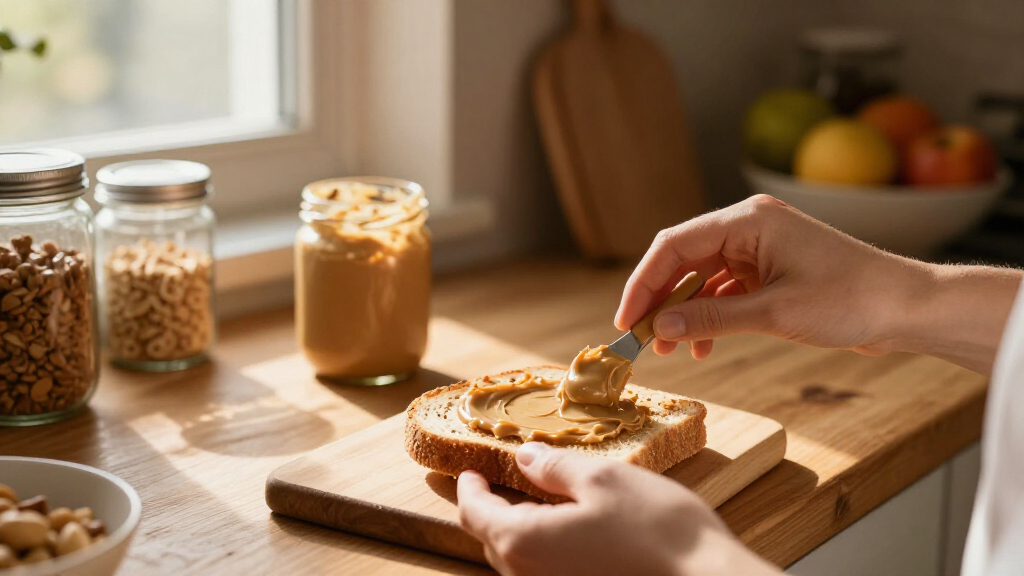
Imagine biting into a cookie that’s not only decadently flavorful but also packed with healthy fats and protein. That’s the magic of swapping traditional baking fats with nut butters. This simple shift can transform your baked goods—making them more nutrient-dense, flavorful, and satisfying.
If you’ve ever felt your baked treats could use a flavor boost or wanted to make them a little healthier, you’re in the right place. We’ll explore how nut butters work as fat replacements, the latest innovations, and practical tips for incorporating them into your favorite recipes. Ready to elevate your baking game?
Swapping 25% of butter with nut butters can cut saturated fat while boosting healthy fats and protein.
Choose the right nut butter based on flavor profile and recipe type—peanut, almond, cashew, or hazelnut each bring unique qualities.
Experiment with flavored and blended nut butters to add complexity and gourmet flair to baked goods.
Opt for organic and ethically sourced nut butters to align with sustainable and health-conscious baking.
Proper storage and warming techniques make incorporating nut butters into recipes easier and more effective.
Smart Baking · Ingredient Science
The Nut Butter Swap for Richer, Healthier Bakes
Swapping butter or oil for nut butters boosts flavor, adds nutrients, and creates richer textures. Innovations like nut butter powders and artisan blends make the switch easier and more versatile than ever—turning everyday treats into nutrient-dense, deeply satisfying bakes.
01 · The Science
Why Nut Butters Make Your Bakes Richer and Healthier
Nut butters deliver heart-healthy monounsaturated and polyunsaturated fats, protein, fiber, vitamin E, magnesium, and zinc—while their natural oils keep baked goods moist and tender, reducing the need for added fats and liquids.
Heart Health
Replacing saturated fats with unsaturated fats can lower LDL cholesterol and reduce cardiovascular risk, supporting long-term heart health.
Satiety & Protein
Protein and fiber promote fullness, aid digestion, stabilize blood sugar, and support muscle repair after physical activity.
Moisture & Texture
Natural oils create a moister, more tender crumb—a dual win of flavor and texture that lets cookies and muffins shine with less added fat.
02 · By the Numbers
The Saturated-Fat Trade-Off
Relative saturated fat in a standard muffin recipe before and after replacing 25% of the butter with almond butter—without sacrificing flavor or moisture.
Research: a 25% almond-butter swap cuts saturated fat by ~15% | Calorie-dense—enjoy in moderation
03 · Step by Step
How to Substitute Nut Butter for Butter or Oil
A tested five-step method for a flawless first swap—from chocolate chip cookies to muffins and blondies.
Start at 50%
Use ½ cup butter + ½ cup nut butter when a recipe calls for 1 cup butter. Assess texture and flavor.
Adjust Liquids
Nut butters add moisture. Reduce milk or water if the batter is wet; add gradually if too thick.
Warm It Slightly
Warming loosens the oils for uniform blending—no clumps, even flavor, consistent moistness.
Tame the Sugar
Sweetened or flavored nut butters? Cut added sugar slightly to keep the flavor profile balanced.
Test & Tweak
Every butter behaves differently. Keep notes on liquids, sweetness, and bake time—turn trial into mastery.
04 · Comparison
Common Nut Butters for Baking: Which Works Best?
Choose by flavor profile and target texture—peanut for bold cookies, almond for delicate cakes, cashew for fudgy brownies, hazelnut for decadent treats.
| Nut Butter | Flavor Profile | Best Uses | Texture |
|---|---|---|---|
| Peanut Butter | Robust, earthy, slightly salty | Cookies, energy bites, bars | Creamy or chunky, depending on variety |
| Almond Butter | Subtle, sweet, nutty | Muffins, blondies, cakes | Creamy, smooth |
| Cashew Butter | Mild, buttery | Brownies, smoothies, frosting | Very creamy, almost velvety |
| Hazelnut Butter | Rich, aromatic | Cookies, spreadable toppings | Creamy, slightly granular |
05 · Innovations
Creative Blends and Market Innovations
From Nutella-style homemade blends to powdered nut butters and ethically sourced organic jars—the category is evolving fast for the modern, health-conscious baker.
Signature Blends
Blend almond + hazelnut butter for a Nutella-like flavor—delicate sweetness meets aromatic richness, perfect for cookies, spreads, and fillings.
GourmetNut Butter Powders
Dehydrated, powdered versions offer lower-fat options and blend easily into dry ingredients—ideal for precise baking and protein boosts.
New FormatClean & Ethical
Growing demand for organic, minimally processed jars without added sugars—plus fair-trade sourcing and sustainable farming practices.
Sustainable06 · From Jar to Oven
The Complete Swap Journey
Why Nut Butters Make Your Bakes Richer and Healthier
Nut butters aren’t just tasty spreads—they’re power-packed ingredients that add both flavor and nutrition to baked goods. They contain healthy monounsaturated and polyunsaturated fats, which support heart health. These fats are essential for maintaining cell integrity and can help reduce inflammation when consumed in moderation. Additionally, replacing saturated fats with unsaturated fats can lower LDL cholesterol levels, reducing cardiovascular risk.
Beyond fats, nut butters are rich in protein, fiber, vitamins, and minerals. They contribute to satiety, helping you feel full longer and supporting muscle repair, which is especially beneficial after physical activity. Fiber in nut butters aids digestion, prevents constipation, and helps stabilize blood sugar levels, reducing the risk of insulin spikes. Vitamins like E support skin health and act as antioxidants, while minerals such as magnesium and zinc are vital for immune function and energy production.
For example, almond butter provides about 7 grams of protein per two-tablespoon serving, along with vitamin E and magnesium. These nutrients don’t just boost the health profile of your treats—they also influence their texture. Nut butters contain natural oils that can make baked goods more moist and tender, reducing the need for additional fats or liquids. This dual role of flavor and moisture enhancement means your cookies and muffins can be both healthier and more enjoyable.
Replacing butter or oil with nut butters can also significantly reduce saturated fat content, which, when consumed excessively, is associated with increased cardiovascular risk. According to research, swapping 25% of butter in a muffin recipe with almond butter reduces saturated fat by roughly 15%, without sacrificing flavor. This tradeoff allows you to indulge in baked goods that are not only tastier and more moist but also better aligned with heart-healthy dietary patterns. This highlights the importance of understanding the balance and the implications of ingredient substitutions—how they can improve overall health while maintaining or enhancing flavor and texture.
Products Worth Considering

KitchenAid Artisan 5-Quart Tilt-Head Stand Mixer, KSM150PS, Almond Cream

Cuisinart Portable Tabletop Propane Patio Heater, 11,000 BTU, Red

KitchenAid 28 oz Cold Brew Coffee Maker, KCM4212
As an affiliate, we earn on qualifying purchases.
How to Substitute Nut Butter for Butter or Oil in Your Recipes
- Start by replacing half the butter or oil with nut butter. For instance, if a recipe calls for 1 cup butter, use 1/2 cup butter and 1/2 cup nut butter. This approach balances the structural properties of fats with the flavor and nutrients from the nuts. It allows you to assess how the substitution impacts the texture and flavor, which can vary depending on the type of nut butter used.
- Adjust the liquid ingredients. Nut butters add moisture, and some varieties are oilier than others. If your batter feels too wet or sticky, slightly reduce other liquids like milk or water to compensate, ensuring the final product holds together well. Conversely, if the batter is too thick, add small amounts of liquid gradually. This balance is crucial because too much moisture can cause spreading or sogginess, while too little can result in dry baked goods.
- Warm the nut butter slightly to facilitate mixing—particularly if stored in the fridge. Slight warming loosens the oils and makes blending more uniform, preventing clumps that can lead to uneven flavor and texture. This step ensures consistent incorporation, which is vital for achieving the desired moistness and flavor distribution.
- Consider reducing added sugar slightly, especially with sweetened or flavored nut butters. Since some nut butters are already sweetened, adjusting sugar helps prevent overly sweet results and maintains a balanced flavor profile. It also reduces unnecessary calorie intake from added sugars, aligning with health-conscious baking.
- Test and tweak. Every nut butter has a unique consistency and flavor profile. Natural almond butter may be runnier than roasted peanut butter, and flavored varieties can alter sweetness levels. Keep detailed notes of your adjustments—like liquids, sweetness, and baking time—to refine your process. This iterative approach helps you discover the perfect balance that suits your taste preferences and achieves consistent results, turning trial into mastery.
For example, in a chocolate chip cookie recipe, swapping 1/4 cup of butter with nut butter can intensify the nutty aroma and introduce a subtle flavor boost. Over time, experimenting with different ratios and nut butter types will help you develop a personal signature recipe that balances flavor, moisture, and texture perfectly.
Compare Common Nut Butters for Baking: Which Works Best?
| Nut Butter | Flavor Profile | Best Uses | Texture |
|---|---|---|---|
| Peanut Butter | Robust, earthy, slightly salty | Cookies, energy bites, bars | Creamy or chunky, depending on variety |
| Almond Butter | Subtle, sweet, nutty | Muffins, blondies, cakes | Creamy, smooth |
| Cashew Butter | Mild, buttery | Brownies, smoothies, frosting | Very creamy, almost velvety |
| Hazelnut Butter | Rich, aromatic | Cookies, spreadable toppings | Creamy, slightly granular |
Choosing the right nut butter depends on your flavor preference and the texture you want. Peanut butter adds a bold, earthy note—perfect in cookies. Almond butter lends a delicate sweetness, ideal for light cakes. Cashew butter’s creaminess works well in fudgy brownies or frosting. Hazelnut offers a rich aroma, great in decadent treats.
Understanding the flavor profiles and textures of these nut butters allows you to tailor your baked goods to specific tastes and desired consistencies. For example, selecting a creamy cashew butter can give your brownies a velvety mouthfeel, while crunchy peanut butter can add delightful texture to bars. Recognizing these nuances helps in creating balanced, delicious treats that align with your flavor goals and dietary needs.
Creative Nut Butter Blends and Add-Ins to Elevate Your Bakes
Mixing different nut butters can create complex, layered flavors that elevate your baked goods from simple treats to gourmet experiences. For example, blending almond and hazelnut butters can mimic a Nutella-like flavor, which combines the delicate sweetness of almonds with the aromatic richness of hazelnuts—perfect for cookies, spreads, or fillings. This approach allows you to customize flavor profiles and experiment with different combinations to suit your palate.
Adding spices like cinnamon, cardamom, or even a pinch of chili powder to nut butters can turn simple cookies into aromatic delights that stimulate the senses. These spices enhance the natural flavors of the nuts and create depth, making your baked goods more memorable. The choice of spices can also complement ingredients like chocolate or fruit, adding layers of complexity that surprise and delight.
Innovations like flavored or infused nut butters are increasingly popular. Think cinnamon almond, honey peanut, or vanilla cashew. These options provide an extra layer of flavor without extra effort—just swap in your usual nut butter and enjoy a gourmet upgrade. Such variations can complement specific ingredients like chocolate, fruit, or spices, allowing for creative combinations that elevate your baking.
Nut butter powders are another innovative ingredient. They’re dehydrated, powdered versions of nut butters, offering lower fat content and easier mixing into batters. For instance, a tablespoon of nut butter powder can add nutty flavor without changing the batter’s consistency too much, making it ideal for smoothies, gluten-free cookies, or protein bars. This versatility opens new avenues for incorporating nuts into your baking in a healthier, less greasy form—allowing you to enjoy the flavor and nutritional benefits without excess fat or oil.
Experimenting with these options enables you to craft more sophisticated, nuanced baked goods. The interplay of flavors, textures, and aromas can turn everyday recipes into gourmet delights, impressing family and guests with your culinary creativity and attention to detail.
Sustainable, Organic, and Ethical Nut Butters: What to Look For
More bakers are choosing nut butters that align with their values, driven by concerns about environmental impact and social responsibility. Organic nut butters are made from nuts grown without synthetic pesticides or fertilizers, which reduces chemical runoff and supports healthier ecosystems. These practices often lead to nuts with richer, more authentic flavor profiles because they’re not exposed to harsh chemicals that can diminish taste quality or introduce residues. Choosing organic can therefore enhance both the health benefits and sensory experience of your baked goods.
Sustainable sourcing and fair trade certifications ensure that farmers receive fair wages and work under ethical conditions. Supporting such products helps promote environmentally friendly farming methods, preserves biodiversity, and encourages equitable economic development in farming communities. These practices also tend to result in higher-quality nuts, as sustainable farms often prioritize soil health and crop diversity, which can translate into better flavor and nutritional content. When you choose these products, you’re investing in a more just and sustainable food system that benefits everyone involved.
Companies now provide transparent sourcing stories, allowing consumers to trace the origin of their nut butters and verify ethical practices. This transparency fosters trust and encourages responsible consumption. Organic, ethically sourced nut butters often come at a slightly higher cost, but this premium supports better farming practices, environmental stewardship, and fair labor conditions. When you select these products, you’re not only improving your baked goods but also contributing to a more sustainable and equitable food industry—an important consideration for conscious consumers.
Look for minimalist labels—just nuts and maybe a pinch of salt—and avoid brands with added sugars, hydrogenated oils, or preservatives. These additives can negate some health benefits and introduce unwanted chemicals, undermining the purpose of choosing high-quality ingredients. By making informed choices, you ensure your baking is healthier, more flavorful, and aligned with your values about sustainability and ethics.
Tips for Storing and Using Nut Butters in Baking
- Store nut butters in a cool, dry place—refrigeration can extend shelf life but may make them harder to spread. Proper storage prevents rancidity, which occurs when oils oxidize, leading to off-flavors and potential health risks. Warming slightly before use can restore spreadability without compromising quality, especially if the nut butter has solidified in the fridge. This practice maintains the freshness and flavor integrity of your ingredients over time.
- If your nut butter is separated, stir thoroughly before measuring. Separation is natural due to oil rising to the surface, but inconsistent mixing can lead to uneven flavor and texture in baked goods. Stirring ensures oil and solids are evenly distributed, resulting in consistent moisture and flavor throughout your recipes.
- Use a spoon or spatula for scooping—avoid double-dipping to prevent introducing bacteria or moisture, which can spoil the nut butter or cause mold growth. Keeping your jar clean extends its freshness and safety, especially if you’re using it over multiple baking sessions. Proper hygiene preserves the quality of your ingredients and prevents spoilage.
- In recipes, warm nut butter slightly to make mixing easier, especially in cold weather. A quick microwave or warm water bath can loosen it, ensuring smooth incorporation into batters or doughs. This step reduces lumps, promotes even distribution, and helps achieve the desired moistness and flavor consistency in your baked goods.
- Adjust sweetness and liquid content based on the nut butter’s flavor and moisture level. Natural nut butters may require slight modifications in sugar or liquids to achieve the perfect batter consistency and taste balance. For example, a very natural almond butter might need a touch more sweetener if it’s less sweet than roasted, flavored varieties. These adjustments help you tailor recipes to your preferences and the specific characteristics of your ingredients.
For instance, if your almond butter is firm from refrigeration, a quick 10-second microwave blast can make it silky smooth—perfect for mixing into batter or spreading on dough. Proper handling and storage maximize flavor, texture, and shelf life, making your baking experience more seamless and enjoyable, while also ensuring ingredient freshness and safety.
Frequently Asked Questions
Can I replace all the butter in a recipe with nut butter?
While you can substitute nut butter for butter in many recipes, replacing all of it may alter the texture and moisture. It’s best to start with 50-75% replacement and adjust as needed based on the recipe.Which nut butter is best for baking for a mild flavor?
Almond butter offers a subtle, slightly sweet flavor that works well in most baked goods without overpowering other ingredients. Cashew butter provides a creamy, mild taste, perfect for fudgy brownies or muffins.Are seed butters suitable alternatives for nut allergies?
Yes, seed butters like sunflower or tahini can replace nut butters for those with allergies. They offer similar textures and flavors, though they may have a different taste profile—more earthy or slightly bitter.How long can I store opened nut butters?
Store in a cool, dry place for up to 3-6 months. Refrigeration extends shelf life and helps prevent rancidity, especially for natural nut butters without preservatives.Are nut butters gluten-free?
Most nut butters are naturally gluten-free, but always check labels for cross-contamination if you’re sensitive or allergic. Choose brands that specify gluten-free if necessary.Conclusion
Replacing traditional fats with nut butters transforms your baking into a richer, more nourishing experience. It’s a simple switch that adds layers of flavor, improves texture, and boosts nutrition—without complicating your process.
Next time you bake, consider swapping some butter for nut butter. Your taste buds—and your body—will thank you. And with all the options and tips, elevating your recipes becomes a delicious, healthful adventure.