TL;DR

Get baking supplies delivered free with Prime
- Fast, free delivery on millions of items
- Prime Video, Amazon Music and more included
- Member-only deals all year
Italian, French, and Swiss buttercreams each have unique textures, flavors, and stability levels. Italian buttercream is sleek and sturdy, Swiss is approachable and versatile, French is rich and custard-like. Your choice depends on your baking needs and environment.
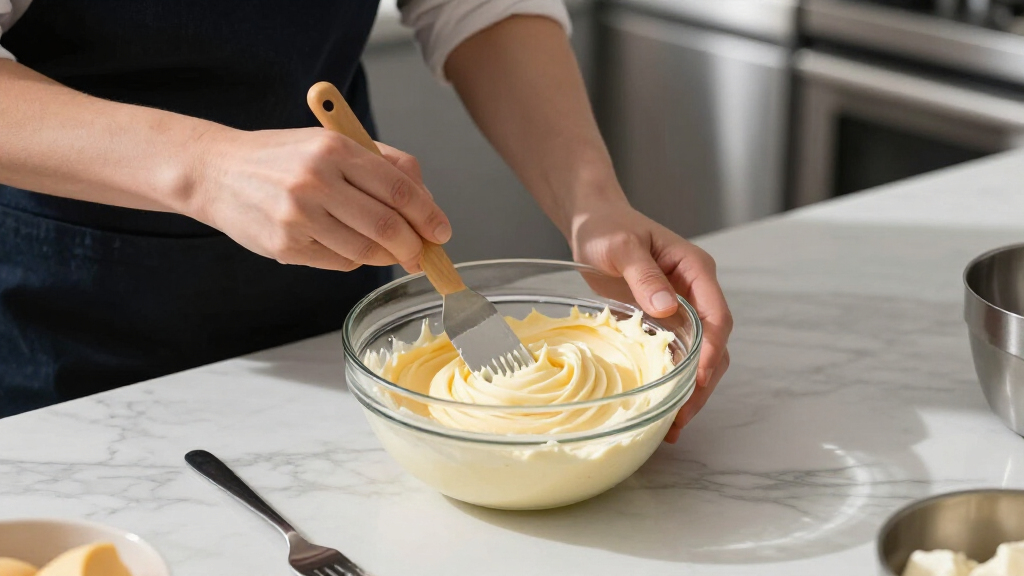
Imagine biting into a cake with a silky, perfectly smooth frosting that holds every decorative swirl and sharp edge. That’s the magic of buttercream—rich, luscious, and endlessly adaptable. But not all buttercreams are created equal.
If you’ve ever wondered why some buttercream feels like a cloud while others stay firm, this guide is for you. We’re comparing Italian, French, and Swiss buttercreams—three classic European styles that each bring something special to the table. Knowing their differences helps you pick the right one for your cake, your flavor, and your environment.
Italian buttercream offers superior stability and a silky finish, making it ideal for formal cakes and warm environments.
Swiss meringue buttercream is more approachable for home bakers, with a smooth texture and forgiving nature.
French buttercream is the richest and most custard-like, best suited for fillings and luxurious desserts rather than structural decoration.
Temperature control and proper storage are key to preventing common issues like curdling or runniness.
Choosing the right buttercream depends on your skill level, decorating needs, flavor preference, and climate conditions.
European Buttercream Field Guide
The Italian, French, and Swiss Buttercreams Compared
Three silky frostings. Three very different strengths. Italian is sleek and sturdy, Swiss is approachable and versatile, and French is rich and custard-like. The best choice depends on your cake, skill level, flavor goal, and kitchen climate.
At a glance
Three techniques, three personalities
All three are smoother and generally less sugary than American buttercream. Their defining difference is how eggs and heat create the structure that carries the butter.
Italian
Hot syrup is streamed into whipping egg whites, creating a glossy meringue with exceptional refinement and dependable piping strength.
Swiss
Egg whites and sugar are heated together, then whipped and cooled before butter is added. It is versatile, repairable, and pleasantly airy.
French
Hot syrup meets egg yolks or whole eggs, producing a pale-yellow, velvety cream with the flavor and density of fine custard.
Method anatomy
How each emulsion comes together
Temperature builds the egg foam; cooling protects the butter emulsion. Add butter too early and the mixture can become loose—patience is part of the recipe.
Side-by-side comparison
Where each buttercream excels
Italian leads on finish and stability. Swiss offers the strongest balance of ease and versatility. French prioritizes flavor and richness over structural performance.
| Feature | Italian meringue | Swiss meringue | French buttercream |
|---|---|---|---|
| Egg base | Egg whites | Egg whites | Egg yolks or whole eggs |
| Preparation | Hot syrup streamed into whipping whites | Whites and sugar heated together, then whipped | Hot syrup whipped into yolks, then butter added |
| Texture | ✓ Silkiest and light | ✓ Smooth and airy | ~ Rich and custard-like |
| Warm-condition stability | ✓ Best of the three | ~ Good in a cool kitchen | ✗ Softest option |
| Sharp piping | ✓ Excellent | ✓ Good | ✗ Limited |
| Difficulty | Advanced | Intermediate | Advanced |
| Ideal role | Formal cakes and precise finishes | Cupcakes, layers, filling and frosting | Macarons, éclairs and rich fillings |
Relative stability
Beginner friendliness
Flavor richness
Clean white finish
Choose by outcome
Match the buttercream to the bake
There is no universal winner. Start with the job the frosting must perform, then account for temperature and technique.
Shape must last
Use it for multi-tier cakes, wedding cakes, sharp edges, and detailed piping. It is the most capable option when the room is warm, though no butter-based frosting is melt-proof.
Versatility matters
Use it for cupcakes, birthday cakes, layers, filling, and everyday piping. Its gentle heating method and repairable texture make it the home baker’s best friend.
Flavor comes first
Use it for macarons, éclairs, praline layers, coffee desserts, and pastry fillings. Chocolate, caramel, liqueur, and nut flavors complement its custard character.
Temperature control
Rescue the texture before starting over
Curdling and soupiness often signal a temperature mismatch—not a failed batch. Small adjustments and continued whipping can restore the emulsion.
Runny or soupy
The mixture is probably too warm. Chill it briefly, then continue whipping until the butter firms and the emulsion becomes smooth.
Curdled or split
The mixture may be too cool. Warm the bowl gently while whipping. As the fats soften, the texture usually pulls back together.
Grainy
Sugar may not have fully dissolved. Apply gentle warmth and keep mixing. For Swiss buttercream, check that the sugar feels smooth before whipping.
Decision trace
From baking brief to finished cake
The smartest choice follows a simple chain: environment shapes structural needs, technique determines feasibility, and flavor defines the final experience.
Food safety checkpoint
Eggs require accurate heat and careful storage.
160°F / 71°C
Use pasteurized eggs or a tested recipe, verify the appropriate safe temperature, refrigerate leftovers, and limit time at room temperature—especially in warm weather. Return chilled buttercream to room temperature gradually and rewhip before use.
What Makes Italian Buttercream So Silky and Stable?
Italian meringue buttercream starts with a hot sugar syrup—cooked to about 240°F (116°C)—streamed into fluffy egg whites. The result? A glossy, super-smooth meringue that’s surprisingly sturdy. Imagine whipping egg whites until they form stiff peaks, then slowly pouring in a stream of hot sugar while continuing to whip. This process creates a stable foam that can support intricate piping or layered cake decorations without sagging.
This buttercream is like a well-tailored suit—elegant, refined, and able to hold its shape even in warm conditions. It’s perfect for wedding cakes or any cake demanding sharp piping and long-lasting stability. But the trick is controlling that hot syrup—pour too fast or too hot, and you risk scrambling the whites or creating hardened sugar chunks. For example, a baker making a multi-tiered wedding cake in a warm climate would appreciate the durability of Italian buttercream, which can withstand higher temperatures without melting or collapsing.
Products Worth Considering

Cuisinart SM-50R 5.5-Quart Stand Mixer, Ruby Red

Weber Genesis E-415 4-Burner Propane Gas Grill, Black

KitchenAid Go Cordless Citrus Juicer with Battery, KCJR161BM
As an affiliate, we earn on qualifying purchases.
Swiss Meringue Buttercream: The Home Baker’s Best Friend
Swiss meringue buttercream is made by gently heating egg whites and sugar over a water bath until the sugar dissolves completely—about 160°F (71°C). Think of it like making a delicate sugar syrup that you then whip into a shiny, airy meringue, similar to the light foam atop a cappuccino. Once cooled, soft butter is gradually added, transforming the mixture into a smooth, silky frosting. For instance, Swiss buttercream is often used for cupcakes or layered cakes where a light texture is desired, like a fluffy cloud that complements the cake without overpowering it.
Many bakers love Swiss buttercream because it’s forgiving. No boiling sugar syrup needed—just gentle heat and patience. It’s less sweet than American buttercream and has a light, airy texture that’s ideal for filling, frosting, and piping. Plus, it’s easier to repair if it looks a little curdled or soupy during mixing, much like rescuing a sauce by gently warming or whipping it back into smoothness. For example, if your Swiss buttercream starts to look grainy, warming the bowl slightly while whipping can often restore its silky consistency—making it perfect for everyday baking needs.
French Buttercream: Decadent, Custard-Like, and Rich
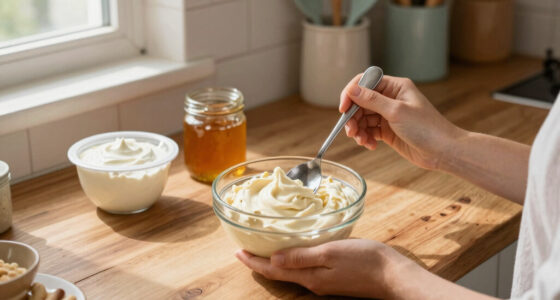
French buttercream is made by whipping hot sugar syrup into egg yolks or whole eggs, creating a thick, custard-like base. Think of it like making pastry cream or crème pâtissière—rich, velvety, and smooth. Imagine slowly pouring hot syrup into egg yolks while whisking vigorously, resulting in a creamy, yellow-tinted mixture. Then, soft butter is added gradually, turning it into a luxurious frosting. An example use is filling éclairs or macarons, where the richness enhances the delicate pastry without needing additional decoration support. Because of its soft, pudding-like consistency, it’s less suitable for piped decorations on warm days, much like trying to pipe whipped cream in a hot kitchen—it’s prone to melting or collapsing.
How Do They Differ in Key Areas?
| Feature | Italian Meringue | Swiss Meringue | French Buttercream |
|---|---|---|---|
| Egg base | Egg whites | Egg whites | Egg yolks or whole eggs |
| Preparation | Hot syrup streamed into whites | Whites and sugar heated together, whipped | Hot syrup whipped into yolks, then butter |
| Flavor & Texture | Silky, light, moderately sweet | Smooth, airy, slightly denser | Rich, custard-like, creamy |
| Stability | Excellent in warm conditions | Good, less heat-resistant | Softest, least heat-stable |
| Difficulty | Advanced — requires thermometer & steady pouring | Intermediate — gentle heating & whipping | Advanced — careful syrup & egg handling |
Which Buttercream Is Better for Your Baking Needs?
Choosing the right buttercream depends on your skill level, climate, and cake style. For example, if you’re baking a multi-tiered wedding cake in a hot climate, Italian buttercream’s high stability and sleek finish make it a top choice, much like choosing a sturdy, weather-resistant umbrella for a rainy day. For everyday cakes or cupcakes, Swiss buttercream offers a light, versatile option—easy to make and forgiving if it’s not perfect, similar to a reliable, all-weather jacket. French buttercream, with its rich, custard-like flavor, is perfect for filling pastries or creating a decadent layer cake where flavor takes precedence over structural support, much like filling a high-end pastry with rich cream.
Storing and Troubleshooting Your Buttercream
Buttercreams usually keep well in the fridge or freezer. Wrap tightly, and let them come back to room temp before rewhipping. If your buttercream feels runny, it’s like a sauce that’s been left out in the heat—chill it briefly, and it should firm up, much like cooling down melted chocolate. If it’s grainy, it’s similar to sugar crystals forming in syrup—likely because the sugar didn’t dissolve properly during heating. To fix this, gently warm the bowl while whipping, which helps dissolve those crystals, restoring a smooth texture. For example, if your Swiss buttercream turns grainy during mixing, warming the bowl slightly can make it silky again—like rescuing a broken custard.
Temperature control is your best friend. Use a thermometer, stay patient, and avoid rushing the process—think of it as baking bread; patience yields better results.
Food Safety Tips for Buttercream with Eggs
Egg-based buttercreams pose a food safety concern if not heated properly. Using pasteurized egg whites, yolks, or cooked syrups reduces risk. For Italian and Swiss styles, the key is reaching the right temperature—about 160°F (71°C)—similar to pasteurizing milk for safety. This process is like cooking eggs to a safe temperature to kill bacteria without scrambling them. Always refrigerate leftovers and avoid leaving buttercream out at room temperature for more than a few hours, especially in warm weather. When in doubt, use pasteurized eggs or commercial substitutes designed for baking, much like choosing pasteurized milk for safety in recipes.
Frequently Asked Questions
Which buttercream is easiest for beginners?
Swiss meringue buttercream is generally the most approachable because it avoids the tricky step of pouring hot syrup into whipping whites. Imagine it like making a fluffy whipped cream—simple, forgiving, and quick to master—making it ideal for new bakers learning the ropes.
Can I make these buttercreams ahead of time?
Yes. They can be refrigerated or frozen in airtight containers. Think of it like preparing a sauce or filling the night before—just rewhip or bring to room temperature before decorating, much like reheating or softening butter for baking.
Which buttercream is best in hot weather?
Italian buttercream generally holds up better in warmer conditions, thanks to its high sugar content and stability—it’s like choosing a thermos for hot coffee, keeping it warm longer. However, no buttercream is fully heat-proof—consider chilling or using alternative frostings for extreme heat, similar to choosing a fan or air conditioning on a hot day.
Are egg-based buttercreams safe to eat?
When prepared correctly—reaching at least 160°F (71°C)—they are safe, much like pasteurizing milk. Using pasteurized eggs or cooked syrups further reduces risk. Always refrigerate leftovers and handle with food safety in mind, similar to handling raw meat or dairy products carefully.
Conclusion
Each buttercream style has its own charm—whether it’s the sleek stability of Italian, the approachable versatility of Swiss, or the decadent richness of French. Your choice shapes not just the look but the flavor and feel of your cake.
Remember, mastering these techniques takes a bit of patience and practice, but the result is a beautifully finished cake that tastes as good as it looks. So, next time you bake, ask yourself: what’s most important—structure, flavor, or ease? The answer guides your choice, and the cake will thank you for it.