
TL;DR

Get baking supplies delivered free with Prime
- Fast, free delivery on millions of items
- Prime Video, Amazon Music and more included
- Member-only deals all year
A tender pound cake hinges on quality ingredients, careful creaming, gentle folding, and correct baking temperature. Small adjustments can make a big difference in texture and flavor.
Nothing beats the aroma of a freshly baked pound cake filling your kitchen. Its dense, moist texture and rich flavor make it a timeless favorite. But getting that perfect tender crumb isn’t just about mixing ingredients—it’s an art.
Whether you’re baking for a special occasion or just craving a slice of comfort, knowing the tricks behind a flawlessly tender pound cake elevates your baking game. Ready to discover how simple adjustments can turn a good cake into a great one? Let’s dive in.
Use high-quality ingredients and measure precisely for the best texture.
Cream butter and sugar thoroughly to trap air, creating a fluffy base.
Add eggs gradually to prevent curdling and maintain a tender crumb.
Fold in flour gently, avoiding overmixing to keep the cake light and moist.
Bake at moderate heat and cool properly to lock in tenderness.
Start with quality ingredients and precise measurements
The foundation of a tender pound cake is high-quality ingredients and exact measurements. Use fresh butter, organic eggs, and good-quality flour. Weigh ingredients whenever possible—an extra gram or two can make a difference in texture and consistency.
For example, using unsalted butter allows you to control the salt, balancing flavors perfectly. Too much flour can toughen the crumb, so be precise. Remember, baking is chemistry—accuracy matters.
Choosing quality ingredients ensures that each component contributes its best flavor and texture, which collectively influences the final tenderness. Precise measurements prevent over- or under-adding key ingredients, which can alter the cake’s structure, density, and moisture content. This meticulous approach reduces variability, giving you a more predictable, tender crumb each time.
Products Worth Considering

KitchenAid Artisan 5-Quart Tilt-Head Stand Mixer, Almond Cream

KitchenAid Artisan Series 5-Quart Tilt-Head Stand Mixer, Dried Rose (KSM150PS)

Cuisinart PerfecTemp Electric Kettle, 1.7 L, 1500 W, 6 Temperature Settings
As an affiliate, we earn on qualifying purchases.
Master the art of creaming butter and sugar for fluffiness
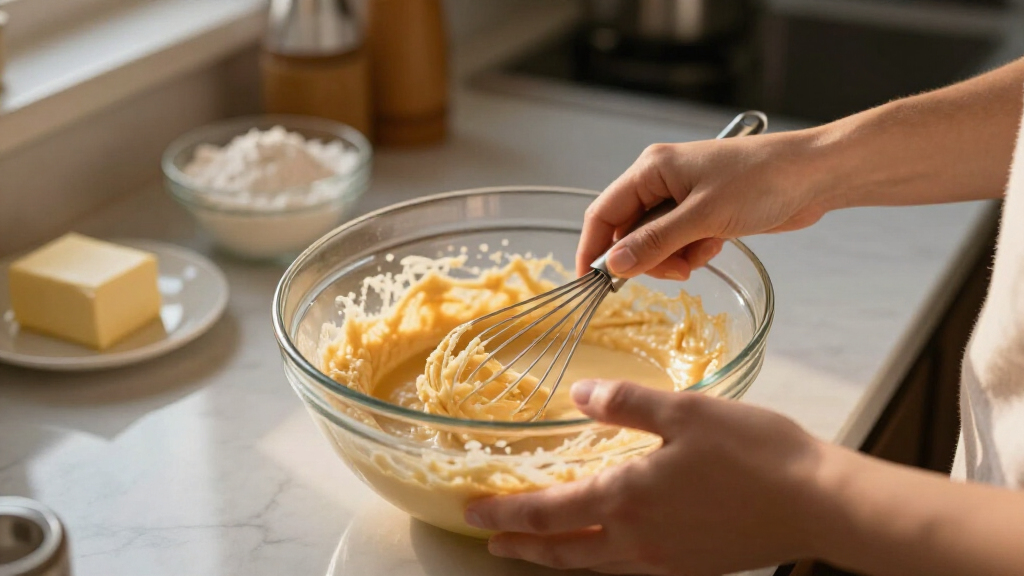
Creme the butter and sugar until they are light, fluffy, and pale—this can take about 3-5 minutes with an electric mixer. This step is crucial because it incorporates air into the batter, which acts as tiny leavening agents, helping the cake rise gently and develop a tender, moist crumb.
Imagine whipping butter and sugar until they resemble a cloud—this is when the magic begins. The trapped air creates tiny pockets within the batter, which expand during baking, resulting in a lighter, more tender cake. Skipping or rushing this step can lead to a dense or coarse crumb because less air is incorporated, reducing the cake’s ability to rise properly and retain moisture.
Pro tip: Use softened butter, but not melted. Cold butter won’t incorporate air effectively, and melted butter can cause the batter to become greasy, compromising the texture and tenderness.
Add eggs gradually without curdling the batter
Eggs provide structure and moisture, but adding them too quickly can cause the batter to curdle, leading to a dense or uneven crumb. This happens because rapid addition overwhelms the emulsion of fat and liquid, causing separation. Adding eggs one at a time, beating well after each addition, allows the mixture to incorporate smoothly, maintaining a stable emulsion.
This gradual process ensures that the fat, liquids, and proteins in the eggs blend uniformly, which is essential for a tender, cohesive crumb. If the batter splits or curdles, it can create irregularities in texture, making the cake dense or crumbly instead of tender and moist. Think of it as building a sturdy support system—each egg is a layer of reinforcement that, if added too quickly, can destabilize the structure.
For instance, if you add all eggs at once, the batter might split, leading to a tougher texture instead of the tender crumb you’re after. Proper egg incorporation ensures even distribution of moisture and proteins, which contributes to a fine, soft crumb.
Fold in flour gently to keep the crumb tender
Once you add the flour, switch to a gentle folding technique—use a spatula to lift and fold the batter over itself. Avoid vigorous stirring, which can develop gluten and make the cake dense. Overmixing at this stage can also push out the air you’ve carefully incorporated during creaming, resulting in a heavier crumb.
Imagine folding as gently tucking in a delicate fabric; it preserves the lightness of the batter and maintains the moisture content. The goal is to combine the ingredients just until the flour is incorporated, with no streaks remaining. This careful handling ensures that the cake remains tender, moist, and airy.
Furthermore, sifting the flour beforehand helps prevent lumps and ensures even distribution, reducing the need for vigorous mixing. This gentle approach preserves the delicate structure that leads to a tender crumb.
Bake at a moderate temperature for even cooking
Baking between 325°F and 350°F (160°C-175°C) ensures your pound cake cooks evenly without drying out or sinking. Using an oven thermometer is essential because many home ovens run hotter or cooler than the dial indicates, which can lead to uneven baking.
Imagine a gentle heat enveloping your cake, allowing it to rise slowly and develop a tender, moist interior. Baking at too high a temperature can cause the outside to burn or set prematurely, preventing proper expansion and resulting in a dense or dry crumb. Conversely, too low a temperature may lead to undercooking and a gummy texture.
Check for doneness by inserting a toothpick in the center—if it comes out clean, your cake is ready. Proper temperature control is key to achieving a uniformly tender crumb with a delicate, melt-in-your-mouth texture.
Incorporate moisture-boosting ingredients for tenderness
Adding a touch of sour cream, yogurt, or even applesauce can significantly enhance the moisture content, resulting in a softer, more tender crumb. These ingredients not only add moisture but also contribute acidity, which can tenderize the gluten and starches, making the cake feel melt-in-your-mouth soft.
For example, swapping part of the butter with sour cream introduces richness while reducing the risk of a dense, greasy crumb. These ingredients also help the cake retain moisture longer, preventing it from drying out quickly.
Imagine biting into a slice that melts in your mouth—this is what moisture additives achieve by creating a more delicate, tender crumb that stays moist longer. Start with a quarter cup and adjust based on your recipe and preferences, balancing flavor and texture.
Cool and store properly for lasting tenderness
Let your pound cake cool in the pan for about 15 minutes to allow the crumb to set properly. Then transfer it to a wire rack and cool completely to prevent condensation and sogginess. Wrapping it tightly in plastic keeps moisture in and prevents the cake from drying out.
Think of it as giving the cake a well-deserved rest—this step allows the internal structure to stabilize, ensuring the crumb remains tender and the flavors meld. Proper cooling also prevents the exterior from becoming hard or crusty, which can compromise the delicate interior texture.
For longer storage, freeze slices individually, wrapped well, for up to 3 months. Proper cooling and storage are essential for maintaining the moist, tender qualities that make pound cake so appealing.
Experiment with flavor and texture variations
Once you master the basics, try adding citrus zest, vanilla, or even chopped nuts for variety. Incorporate flavorings at the creaming or folding stage for a balanced taste. These variations can add complexity and make each pound cake unique, but be cautious not to overload the batter, which could affect the delicate crumb.
For a lighter twist, fold in whipped egg whites before baking—this adds air and lightness without sacrificing moisture. This technique can give your pound cake a more delicate, airy texture while still maintaining tenderness.
Imagine biting into a lemon-infused pound cake with a creamy crumb—delicious and memorable. Experimenting with flavors allows you to tailor your cake to personal preferences while still focusing on achieving that tender, melt-in-your-mouth quality.
Frequently Asked Questions
How do I prevent my pound cake from being dense or dry?
Ensure proper creaming, don’t overmix once you add flour, and bake at the right temperature. Using moisture-enhancing ingredients like sour cream also helps keep the crumb tender and moist.
Can I make a lighter pound cake?
Yes, fold in whipped egg whites or swap some all-purpose flour for cake flour. These steps add air and reduce density, resulting in a lighter crumb.
What flavor variations work well in pound cake?
Try lemon or orange zest, vanilla bean, almond extract, or add mix-ins like chocolate chips or berries for added interest.
How do I know when my pound cake is done?
Insert a toothpick into the center; it should come out clean. The edges will slightly pull away from the pan, signaling readiness.
Can I freeze pound cake?
Absolutely. Wrap slices tightly in plastic wrap and foil. Freeze for up to 3 months, then thaw at room temperature for a moist, tender treat.
Conclusion
Perfect pound cake is about patience, precision, and understanding how each step influences texture. Small tweaks—like gentle folding or accurate temperature—transform a good cake into a tender, melt-in-your-mouth masterpiece.
Next time you bake, focus on these details. Your taste buds will thank you for it—and so will anyone lucky enough to enjoy your homemade pound cake.