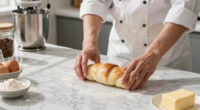
TL;DR
Enriched dough uses ingredients like butter, eggs, and milk to create soft, flavorful bread. Proper technique and understanding ingredients lead to bakery-quality results at home.
Ever wonder what makes a brioche so impossibly soft and buttery? Or why those dinner rolls stay moist for days? The secret lies in the magic of enriched dough — a baking technique that transforms simple ingredients into tender, flavorful treats. Whether you’re a home baker or just a bread lover, understanding what’s behind this softness can elevate your baking game.
In this guide, we’ll explore the essential ingredients, recent innovations, and practical tips for mastering enriched doughs. Get ready to unlock the secrets behind bakery-quality bread that’s rich, light, and almost melts in your mouth.
Enriched dough uses extra fats, eggs, and dairy to create soft, moist, and flavorful bread.
Proper kneading and proofing are critical for achieving maximum tenderness and volume.
Innovations like sourdough enrichment and alternative fats are elevating traditional recipes.
Brushing with egg wash and baking at the correct temperature gives a shiny, appealing crust.
Store enriched bread properly to keep it fresh and moist longer.
What Makes Enriched Dough Different From Regular Bread?
Enriched dough is all about adding extra fats, eggs, and dairy to the basic bread formula. These ingredients give the bread its signature softness, richness, and flavor. Imagine the difference between a crusty baguette and a tender brioche — it’s the ingredients and techniques that create that melt-in-your-mouth texture.
For example, a typical enriched dough might contain double the butter or eggs compared to lean dough. This extra fat coats the gluten strands, making the crumb moist and tender. Plus, the eggs add color and richness, turning a simple loaf into a luxurious treat.
Think of it like the difference between a basic sandwich bread and a croissant — both share flour and yeast, but the added ingredients and handling turn them into very different baked goods.
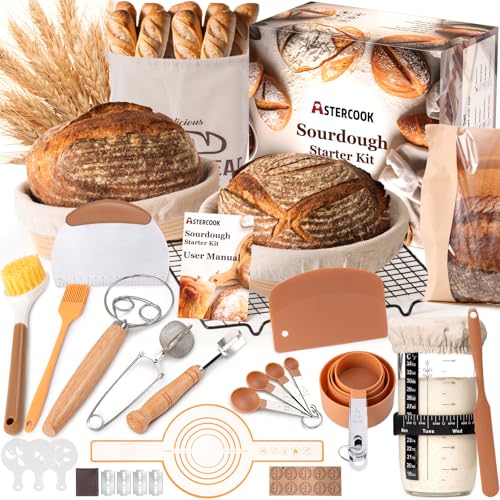
Astercook Sourdough Starter Kit with Round & Oval Banneton Bread Proofing Basket, Starter Jar, Dough Whisk, Scrapers, Stencils, Complete Sourdough Bread Baking Supplies, Fathers Day Gift for Men
- All-in-One Sourdough Kit: Includes baskets, tools, and accessories
- Professional Banneton Baskets: Breathable rattan for even dough rise
- Complete Baking Tools: Whisk, scrapers, lame, and more
As an affiliate, we earn on qualifying purchases.
As an affiliate, we earn on qualifying purchases.
The Key Ingredients That Make Your Breads Soft and Fluffy
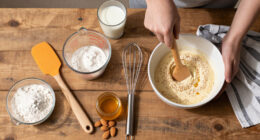
Enriched dough’s magic comes from a handful of powerful ingredients. Here’s what you need for that perfect tender crumb:
- Butter or oil: Adds moisture and richness, making the crumb tender and moist.
- Eggs: Provide structure, flavor, and color — think of how a brioche glows golden and feels velvety.
- Milk or dairy: Softens the dough and enhances flavor, especially if you use whole milk or cream.
- Sugar: Not just for sweetness, sugar feeds yeast and promotes browning.
- Yeast: Leavens the dough, creating that airy, light texture you love.
Imagine mixing these ingredients into a silky batter. When baked, they give you a bread with a fine, moist crumb that stays fresh longer.

Francine Ma Brioche Maison – French Brioche Bread Flour, 52oz
- Product Name: Francine Ma Brioche Maison Bread Flour
- Weight: 52oz
As an affiliate, we earn on qualifying purchases.
As an affiliate, we earn on qualifying purchases.
How to Perfectly Knead and Proof Enriched Dough for Maximum Softness
Getting the technique right is key to soft, airy bread. Here’s a step-by-step process:
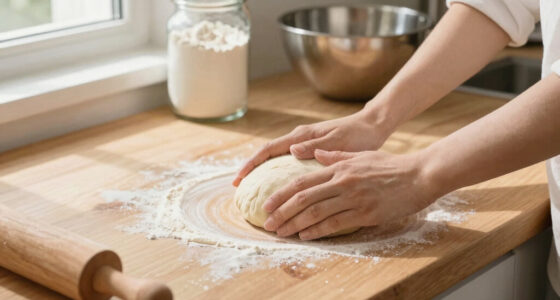
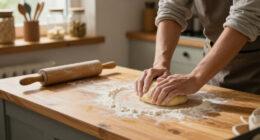
- Knead until smooth: About 8-10 minutes by hand or 5 minutes in a mixer. Proper gluten development traps the gases and gives structure.
- First rise: Cover and let it ferment at room temp for 1-2 hours until doubled. This relaxes the gluten and develops flavor.
- Shape carefully: Gently shape to preserve the air pockets.
- Final proof: Let it rise for 30-60 minutes until puffy. Proper proofing ensures that soft crumb and good oven spring.
For example, a brioche dough might need a longer initial rise due to its richness, but a gentle handling preserves the tender crumb.
Pro tip: proof in a warm, humid environment (like inside your turned-off oven with a bowl of hot water) to speed up fermentation.
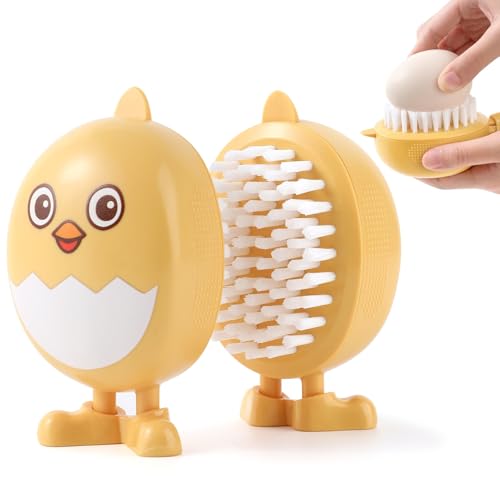
Lumkew Egg Washer Cleaner for Fresh Eggs, Egg Wash and Brush Scrubber, 1pcs
- Effective Egg Cleaning: Quality bristles and handle for cleaning eggs
- Gentle on Eggs: Soft bristles clean without damaging shells
- Ergonomic Handle: Raised dots and curves for comfortable grip
As an affiliate, we earn on qualifying purchases.
As an affiliate, we earn on qualifying purchases.
Why Recent Innovations Are Elevating Enriched Doughs
Chefs and bakers are pushing the boundaries of enriched dough with new techniques and ingredients. For instance, some are experimenting with alternative fats like olive oil or clarified butter for different flavors and textures. Others incorporate whole grains or seeds to boost nutrition without sacrificing tenderness.
Recent trends include using autolyse or preferment methods like poolish, which improve gluten development and flavor complexity. Combining traditional enriched ingredients with sourdough fermentation offers a richer, tangier flavor while boosting digestibility.
For example, a baker might use a sponge of sourdough starter plus butter and eggs, creating a bread that’s both fluffy and full of depth. It’s a way to enjoy the indulgence with a healthier twist.
These innovations prove that enriched dough isn’t just about richness — it’s about balance, flavor, and texture that evolve with modern ingredients and techniques.

Sourdough Proofing Basket Gift Set, 9" Round and 10" Oval Banneton Bread Baking Supplies, Sourdough Baskets with Bread Lame, Danish Whish, Bowl Scraper, Sourdough Scraper, and Linen Liner
- Complete Baking Gift Set: Includes baskets, lame, scrapers, and liners
- 9-inch Round & 10-inch Oval: Two sizes for versatile proofing needs
- High-Quality Rattan Material: Smooth, splinter-free, non-stick, durable
As an affiliate, we earn on qualifying purchases.
As an affiliate, we earn on qualifying purchases.
The Surprising Science Behind Fluffy, Soft Bread
Enriched dough’s tenderness isn’t just about ingredients — it’s about how they work together. Fats coat gluten strands, preventing them from forming a tough network. Eggs add emulsifiers that improve dough extensibility. Milk and sugar hydrate the flour and feed the yeast, helping it produce a lively rise.
Research shows that the right balance of fats and eggs can increase moisture retention in bread by up to 30%, making it stay soft longer. Plus, proper fermentation develops gluten just enough to trap gases, giving that perfect rise without a dense crumb.
For example, a soft brioche can stay fresh for 3-4 days thanks to its fat content, compared to lean bread that dries out faster.
Understanding these science bits helps you tweak your recipe for the perfect softness every time.
Common Mistakes That Make Your Enriched Bread Dense or Dry
Overproofing, under-kneading, or improper oven temperature can sabotage your efforts. For instance, if you proof too long, the dough collapses and loses structure. Not kneading enough leaves gluten weak, resulting in a dense loaf.
Using too high a baking temperature can cause the crust to form too quickly, sealing out steam and preventing good oven spring. Conversely, baking too low may leave the bread undercooked and dense inside.
Here’s a quick checklist to avoid common pitfalls:
- Proof until dough is puffy but not collapsing.
- Knead thoroughly for elasticity.
- Bake at 350°F to 375°F (180°C to 190°C) for even browning.
- Use an oven thermometer to verify temperature accuracy.
For example, a brioche that’s overproofed might turn out flat and dense, because the gluten network has weakened under too much fermentation.
Tips for Achieving That Gorgeous, Shiny Crust
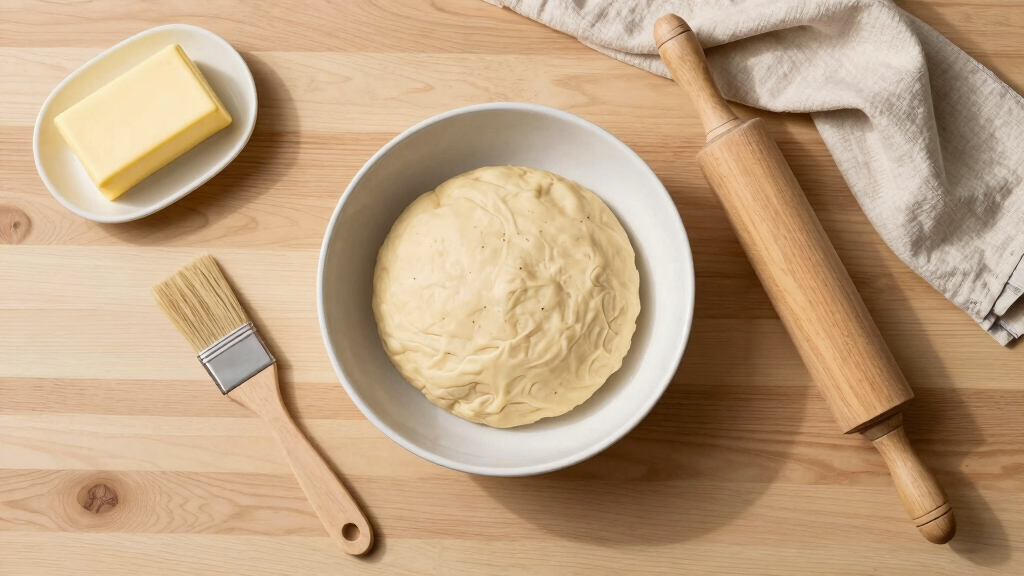
Getting a shiny, golden crust starts with a simple step: brushing the dough with an egg wash before baking. This not only enhances color but also creates a lovely sheen. Use a beaten egg mixed with a teaspoon of water or milk for best results.
Baking at the right temperature (around 375°F or 190°C) ensures even browning. For extra shine, some bakers spritz the crust with water or butter during the first few minutes of baking.
Imagine pulling out a loaf of brioche with a glossy, caramel-colored crust — it’s visually irresistible. The key is timing and technique.
Pro tip: For a deeper color, bake a few minutes longer or brush again with egg wash halfway through baking.
How to Keep Your Enriched Bread Fresh for Days
Proper storage is essential to keep that soft, fresh quality. Store bread in a bread box or an airtight container at room temperature for up to 3 days. Avoid plastic bags, which can trap moisture and make crust soggy.
If you want to keep it longer, freeze slices or the whole loaf. Wrap tightly in plastic wrap or foil, then place in a freezer bag. Thaw at room temperature for best texture.
For example, a freshly baked brioche can stay soft and moist for 2-3 days when stored properly. Reheat slices lightly in the oven or toaster to restore freshness.
Remember: enriched breads are more prone to mold because of their fat content, so don’t leave them out too long in humid environments.
Frequently Asked Questions
What makes brioche so soft and fluffy?
The high butter and egg content, combined with proper kneading and proofing, creates a tender, airy crumb. These ingredients coat gluten strands and add moisture, making the bread melt in your mouth.
Can I make enriched dough without eggs or butter?
Yes, but it may alter the texture and flavor. Plant-based fats or egg replacers can work, but results might be less rich and tender. Experiment with small batches to find what works best for you.
How long should I proof enriched dough?
A typical first rise lasts 1-2 hours at room temperature, until doubled. The final proof after shaping usually takes 30-60 minutes. Adjust based on room warmth and dough behavior.
Why does my enriched dough sometimes collapse or be dense?
Overproofing weakens gluten, leading to collapse. Under-kneading results in poor gluten development. Baking at too high or too low a temperature can also affect the rise and crumb quality.
What’s the best way to get a shiny, golden crust?
Brush the dough with an egg wash before baking and bake at the right temperature (around 375°F). Spritzing with water or butter during baking can also enhance shine and color.
Conclusion
Enriched dough transforms simple ingredients into bakery-quality bread — soft, flavorful, and irresistibly tender. Mastering techniques like proper kneading, proofing, and baking elevates your baking from good to exceptional.
Next time you bake bread, remember: it’s not just about ingredients — it’s about how you handle them. Your perfect, fluffy loaf is just a few steps away. Ready to give it a try?