
TL;DR

Get baking supplies delivered free with Prime
- Fast, free delivery on millions of items
- Prime Video, Amazon Music and more included
- Member-only deals all year
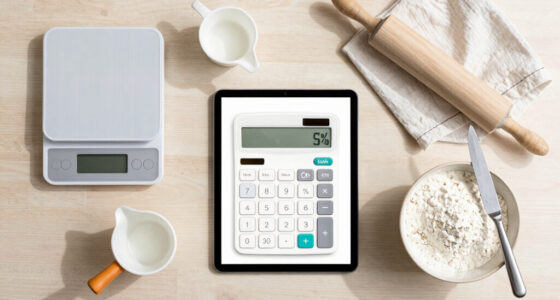
Metric and imperial are different measurement systems. Using a digital scale and understanding key conversion factors help bakers achieve accurate, repeatable results. Consistency beats guesswork.
Ever opened a recipe and stared at cups, tablespoons, and ounces, wondering if you’re measuring right? You’re not alone. Many bakers get tripped up by different measurement systems, especially when trying to follow a recipe from another country or a new cookbook.
This guide cuts through the confusion, showing you how to convert between metric and imperial with confidence. Whether you’re baking bread, cookies, or delicate soufflés, understanding these systems will save you time, reduce waste, and boost your baking success.
Use a digital scale for precise, consistent ingredient measurements — it reduces errors by over 50%.
Understand key conversion factors: 1 cup ≈ 240 ml, 1 oz ≈ 28 grams, 1 tablespoon = 15 ml, 1 teaspoon = 5 ml.
Always weigh dry ingredients, especially flour and sugar, for the most accurate results.
Stick to one measurement system within a recipe to avoid confusion and miscalculations.
Check ingredient densities for volume-to-weight conversions and use reliable charts or scales.
Why Metric and Imperial Systems Matter in Baking
Metric and imperial are two different ways to measure ingredients. Metric uses grams and milliliters—simple, decimal-based units. Imperial relies on cups, ounces, and pounds, which can be less precise and sometimes confusing.
Imagine trying to get perfect cookies, but your flour measurement is off by just a few grams. That tiny difference can make your cookies too flat or too crumbly. Accurate measurement is especially critical in baking, where chemistry rules.
For example, 100 grams of flour is roughly ¾ cup, but depending on how you scoop, that can vary by several grams. Using a scale eliminates guesswork.
Furthermore, understanding the importance of precise measurements helps you troubleshoot baking issues. If your baked goods turn out differently than expected, it might be due to measurement inaccuracies. Recognizing this can help you adjust and improve your recipes over time.
Products Worth Considering

Cuisinart SM-50R 5.5-Quart Stand Mixer, Ruby Red

Weber Genesis E-415 4-Burner Propane Gas Grill, Black

KitchenAid Go Cordless Citrus Juicer with Battery, KCJR161BM
As an affiliate, we earn on qualifying purchases.
How to Convert Between Metric and Imperial — The Simple Step-by-Step
- Identify the ingredient you’re measuring.
- Find the conversion factor (e.g., 1 cup = 240 ml).
- Use a calculator or conversion chart to switch units.
- For dry ingredients, weigh whenever possible for accuracy.
- Adjust your recipe and keep notes for future reference.
Converting between systems isn’t just about numbers; it’s about understanding the implications of those conversions. For instance, a slight miscalculation can lead to overly dense bread or flat cookies. Knowing the correct conversion factors and applying them carefully ensures your baked goods turn out just right. Weighing ingredients in grams or ounces reduces the risk of error, especially when dealing with small quantities or tricky ingredients like yeast or spices. Remember, when converting, always consider the ingredient’s density and whether volume or weight is the most appropriate measurement for accuracy.
Comparison Table: Metric vs Imperial in Common Baking Ingredients
| Ingredient | Imperial Measurement | Metric Equivalent |
|---|---|---|
| Flour | 1 cup | 120 grams |
| Sugar | 1 cup | 200 grams |
| Butter | 1 stick (4 oz) | 113 grams |
| Milk | 1 cup | 240 ml |
| Ounces to grams | 1 oz | 28.35 grams |
This table helps you visualize how common ingredients translate between systems. Keep in mind, dry ingredients vary in weight depending on factors like humidity and packing method. Weighing ingredients directly provides the most consistent results, especially for recipes that require precision, such as pastry doughs or delicate cakes.
The Key to Perfect Baking: Weigh Everything
Switching to a digital kitchen scale is a game-changer. Instead of scooping and hoping, you get exact grams or ounces, depending on your preference. A scale can weigh both liquids and solids, making your recipes more reliable.
For example, a recipe might call for 150 grams of flour, but if you measure by cups, you could be off by 10-15 grams depending on how you scoop.
Invest in a good, easy-to-read digital scale. It’s worth every penny for consistency and less waste. The tradeoff here is that weighing takes a bit more time upfront but saves you from inconsistent results and ingredient waste in the long run, especially when scaling recipes or adjusting for altitude or humidity.
Common Questions Bakers Ask About Conversions
Q: Should I convert all recipes to metric or keep using imperial? It’s best to choose the system you’re most comfortable with, but always prioritize accuracy. Using a scale to weigh ingredients is the most reliable method regardless of system. If you’re serious about baking precision, moving toward metric measurements can simplify conversions and improve consistency, especially for complex recipes.
Q: How do I convert cups to grams for different ingredients? Conversion depends on the ingredient’s density. For example, 1 cup of flour is about 120 grams, but 1 cup of sugar is roughly 200 grams. Always check specific ingredient conversions and consider weighing for best accuracy, especially when precision is critical.
Q: Are measurements interchangeable? Not exactly. A cup of flour weighs differently from a cup of sugar, and liquids like milk and oil have different densities. Dry and liquid measurements aren’t always directly interchangeable. To avoid mistakes, read the recipe notes carefully and use a scale whenever possible.
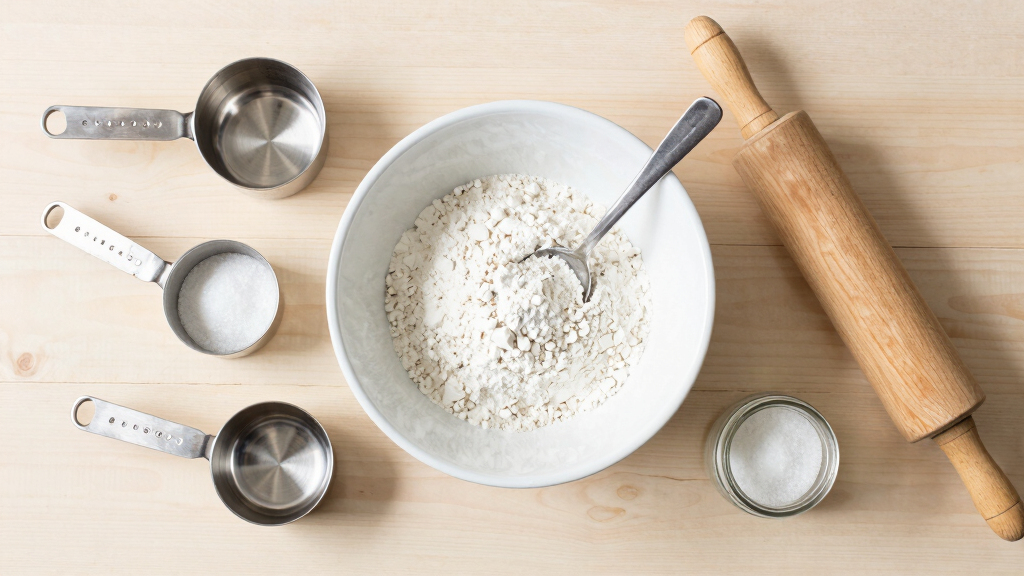
Q: What tools do I need for accurate measurement? A digital kitchen scale, calibrated measuring cups, and spoons tailored to your preferred system are essential. These tools help you achieve consistent results and troubleshoot issues when your baked goods don’t turn out as expected.
Q: Why do some recipes specify both systems? To accommodate a global audience and ensure accuracy across different regions. Providing both measurement systems allows bakers to choose what works best for them, but always verify with a scale for the best results.
Frequently Asked Questions
Should I convert all my recipes to metric or imperial?
Use the measurement system you’re most comfortable with, but focus on weighing ingredients for the best accuracy. Many bakers find metric easier for consistency.How do I convert cups to grams?
Conversion varies by ingredient. For example, 1 cup of flour is about 120 grams, while 1 cup of sugar is around 200 grams. Always check specific conversions.Are measurements interchangeable?
Not always. A cup of flour weighs differently from a cup of sugar. Dry and liquid ingredients also vary, so use a scale for best results.What tools do I need for accurate measurement?
A good digital kitchen scale, measuring cups, and spoons calibrated for your system help ensure precision and consistent results.Why do some recipes specify both systems?
To make recipes accessible worldwide and help bakers achieve reliable results regardless of measurement preferences.Conclusion
Mastering the art of converting between metric and imperial transforms your baking from guesswork into precision. A digital scale and a good understanding of key conversions make your recipes reliable, no matter where they come from.
Next time you’re faced with a confusing measurement, remember: accuracy isn’t just for scientists — it’s the secret weapon of every successful baker. Grab your scale, pick a system, and bake with confidence.