
TL;DR
Baking soda and baking powder aren’t interchangeable. Baking soda needs acid to activate and produces immediate lift, while baking powder contains both acid and base for a double reaction. Using the wrong one or in the wrong amount flattens your baked goods or leaves an off-taste.
Ever opened your oven to a flat, dense mess that didn’t rise? Chances are, a simple mix-up with baking soda and baking powder caused it. These ingredients seem similar, but they play very different roles in baking. Mistakes with them are one of the most common reasons baked goods end up disappointing.
In this guide, you’ll learn how to tell them apart, when to use each, and how to avoid the flat-out failures that come from confusing the two. Get ready to turn your baking blunders into perfect, fluffy treats every time.
Baking soda is pure sodium bicarbonate, activated by acids, and reacts immediately.
Baking powder contains both acid and base, providing a double reaction for reliable rising.
Always match your leavening agent to your ingredients: acids need baking soda, neutral recipes need baking powder.
Overusing either can ruin your baked goods with bitterness, density, or flatness.
Store both in airtight containers in a cool, dry place to keep them effective.
What Exactly Are Baking Soda and Baking Powder? Here’s the Real Deal
Baking soda is pure sodium bicarbonate — a single, alkaline compound. When it hits an acid, like yogurt or vinegar, it produces carbon dioxide gas. That’s what makes your dough or batter puff up and become light and airy.
Baking powder, on the other hand, is a mix. It contains baking soda plus an acid (like cream of tartar) and a moisture absorber (like cornstarch). This clever combo reacts twice — once when wet, and again when heated — giving your baked goods a reliable lift.
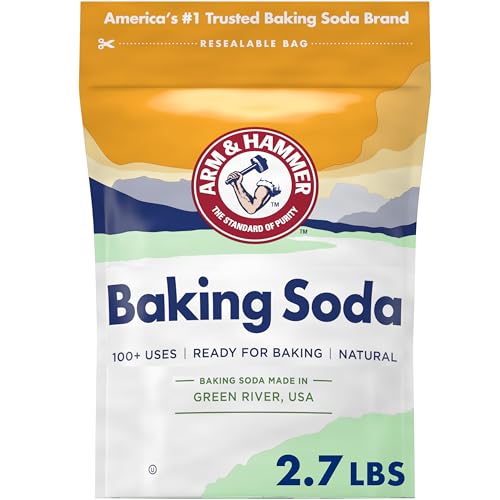
Arm and Hammer, Baking Soda, 43.2 Ounce
A HOUSEHOLD CLASSIC: This 2.7 lb resealable bag of ARM & HAMMER Baking Soda unlocks 100+ uses across…
As an affiliate, we earn on qualifying purchases.
As an affiliate, we earn on qualifying purchases.
How to Spot the Difference — Quick Guide for Your Kitchen
- Baking Soda: Fine, white powder, with a slightly gritty feel. Smells neutral but reacts instantly with acids.
- Baking Powder: Also white but often has a slightly chalky texture. It contains acids and starch, so it’s ready to go without extra ingredients.
Think of baking soda as a single actor, waiting for its acid scene. Baking powder is a full cast — all set for immediate action.

Clabber Girl Double Acting Baking Powder, 8.1 Ounce
Gluten Free, Vegan, Vegetarian, Kosher, Halal
As an affiliate, we earn on qualifying purchases.
As an affiliate, we earn on qualifying purchases.
When to Use Baking Soda vs Baking Powder — The Practical Difference
If your recipe includes acidic ingredients — like buttermilk, lemon juice, or yogurt — baking soda is your go-to. It reacts quickly, giving you that quick rise.
Without acids? Baking powder is your best bet. It’s designed to work smoothly in recipes with neutral ingredients like milk, eggs, or oil.
Imagine baking a batch of pancakes. If you add lemon juice to the batter, use baking soda. No lemon? Baking powder keeps everything light and fluffy.
Arm and Hammer, Baking Soda, 43.2 Ounce
A HOUSEHOLD CLASSIC: This 2.7 lb resealable bag of ARM & HAMMER Baking Soda unlocks 100+ uses across…
As an affiliate, we earn on qualifying purchases.
As an affiliate, we earn on qualifying purchases.
Baking Soda vs Baking Powder: The Face-Off — How They Compare
| Feature | Baking Soda | Baking Powder |
|---|---|---|
| Composition | Pure sodium bicarbonate | Sodium bicarbonate + acid + starch |
| Reaction | Instant, with acid | Double-acting: once when wet, once when heated |
| Use case | Recipes with acids | Recipes without acids |
| Taste impact | Metallic or soapy if overused | Generally neutral, less bitter |

365 by Whole Foods Market, Baking Powder, 10 OZ
Our Baking Powder Makes The Lightest, Fluffiest Cakes, Quick Breads And Baked Goods
As an affiliate, we earn on qualifying purchases.
As an affiliate, we earn on qualifying purchases.
What Happens When You Use the Wrong One? Real-World Baking Fails
Using baking soda instead of baking powder in a cake recipe can lead to a dense, flat loaf. It might also leave a bitter or metallic taste because the soda reacts without enough acid. This mismatch can also cause uneven rising, resulting in a less appealing texture and appearance, and may affect the flavor profile by introducing undesirable metallic notes.
On the flip side, using baking powder in a recipe that needs baking soda can result in poor rise and a bland flavor. It’s like trying to start a fire with damp wood — it just doesn’t work well. This often results in baked goods that are heavier, denser, and less fluffy because the double-acting leavening isn’t activated properly when needed.
Imagine making muffins with baking soda but no acid — the batter might rise temporarily but collapse during baking, leaving you with a heavy, flat treat. This not only affects aesthetics but also compromises the texture and taste, making your baked goods less enjoyable.
How to Fix Common Baking Mistakes — Quick Tips
- Flat baked goods? Check if you used the right leavening. Too much baking soda or powder can cause collapse. Consider adjusting the amount or checking your measurements.
- Bitter taste? Rinse out excess soda or powder if you suspect overuse. Use less next time, and ensure proper mixing to prevent concentration in one area.
- Dense texture? Make sure your ingredients are fresh and your leaveners aren’t expired. Old leavening agents lose potency, leading to poor rising.
- In a pinch? You can swap baking powder for baking soda if you add an acid—like a teaspoon of lemon juice for each teaspoon of baking soda—and adjust other ingredients accordingly. Remember, the tradeoff is that the reaction might be less vigorous, affecting the final rise.
Storing Baking Soda and Baking Powder — Keep Them Potent
Store both in airtight containers in a cool, dry place. Moisture ruins their effectiveness quickly. Check their freshness by dropping a pinch in vinegar or warm water — if it fizzes strongly, they’re good.
Replace baking powder every 6 months, baking soda every year — or sooner if it loses fizz. Proper storage ensures your leaveners remain active and effective, which is crucial for consistent baking results.
Frequently Asked Questions
Can I substitute baking powder for baking soda?
Yes, but you need to add an acid to activate the baking soda. For example, add 1/4 teaspoon of vinegar or lemon juice for each teaspoon of baking soda. Adjust the recipe accordingly to avoid off-flavors or density.
What happens if I accidentally use baking powder instead of baking soda?
The baked good may not rise much, ending up dense or flat. It might also taste bland or slightly bitter because baking powder contains acids and starch that can overpower the flavor.
How can I tell if my baking soda or baking powder is still good?
For baking soda, drop a pinch into vinegar—if it fizzes strongly, it’s active. For baking powder, drop a teaspoon into warm water—if it bubbles vigorously, it’s still good. Replace if fizzing is weak or absent.
Is it safe to eat baked goods with too much baking soda or baking powder?
In small amounts, yes. But excessive use can cause off-flavors, a metallic taste, or digestive discomfort due to high sodium content. Stick to recommended measurements for safe, tasty results.
Conclusion
Understanding the real roles of baking soda and baking powder transforms your baking from guesswork into confidence. Mistaking one for the other is like confusing a sprinter with a marathoner — they’re both runners, but they run very different races.
Next time you bake, check your ingredients carefully. A small switch can make or break your rise. Remember: precision is your best friend in the kitchen. Your perfect loaf or cake is just a careful measure away.