TL;DR
Fan-forced settings circulate hot air for even cooking and faster results. Use them for roasting and cookies, but skip for delicate cakes or custards. Adjust temperature and time accordingly for best outcomes.
Ever peek into your oven and wonder whether you should turn on that fan setting? It’s tempting—more even heat, quicker baking, crispier edges. But not every dish benefits from the swirling air.
Knowing exactly when to flip that switch can mean the difference between a perfectly golden biscuit and a flat, dense cake. This guide walks through the ins and outs of fan-forced settings—what they do, when they shine, and when to skip for the best results.
Use fan-forced for roasting vegetables, cookies, and multiple trays—results are more even and faster.
Always lower the temperature by about 20°C (36°F) and start checking early when using fan settings.
Skip fan-forced for delicate baked goods like soufflés, custards, or soft bread crusts—conventional baking works better.
Preheat your oven fully and avoid overcrowding racks to maximize circulation benefits.
Modern ovens with adjustable fans and hybrid modes make fan-forced baking more precise and energy-efficient.
Fan-Forced Settings: When to Use Them and When to Skip
TL;DR: Fan-forced settings circulate hot air for even cooking and faster results. Use them for roasting, cookies, pastries, and multiple trays, but skip them for delicate cakes, custards, souffles, and soft-crust breads.
“The fan is brilliant for browning and speed, but delicate bakes need still heat.”
Core Decision RuleLower the recipe temperature by about 36°F when converting.
Start checking about one quarter earlier than usual.
Roasted vegetables, meats, cookies, and trays that need even browning.
Custards, souffles, fragile cakes, and breads where a soft crust matters.
Avoid overcrowded racks so hot air can reach every surface.
Newer ovens add fan-speed control, hybrid steam modes, and quieter vents.
Hot air moves faster, so food cooks faster.
A fan-forced oven uses a built-in fan and vent system to move heated air around the cavity. That reduces hot spots, improves browning, and helps multiple trays cook more evenly.
Fewer hot spots
Circulating air keeps temperature more consistent across racks, especially useful when baking two trays of cookies at once.
Crispier edges
Moving air drives moisture from the surface faster, giving vegetables, pastries, and roast meats a more defined finish.
Lower settings
Because heat transfer improves, most conventional recipes need a lower temperature and an earlier doneness check.

GoodCook 15” x 10.5” Nonstick Carbon Steel Baking Pan & Raised Wire Rack – Pizza Crisper, Crispy Bacon, Multipurpose Cooking Sheet Pan, Cooling Rack, Kitchen Cookware Set, Dishwasher Safe
CRISPY BAKING SHEET SET: Ensure crisp results every time in the oven. This 15” x 10.5” nonstick baking…
As an affiliate, we earn on qualifying purchases.
As an affiliate, we earn on qualifying purchases.
Adapt the recipe before the bake begins.
Fan-forced mode rewards preparation. Preheat fully, adjust the temperature, give trays breathing room, and check early so speed does not become overbaking.
Preheat fully
Start with a stable cavity temperature so airflow helps from the first minute.
Drop 20°C
Use 160°C fan instead of 180°C conventional as a common baseline.
Check early
Look about 25% sooner than the original recipe suggests.
Space trays
Leave room between pans so the fan does not push against a wall of food.
Judge texture
Choose fan mode only when airflow supports the desired crust and structure.

DG96-00110E DG96-00110A Electric Range Oven Convection Fan Motor Assembly Fits for Samsung,Replaces AP5967760, PS11720787,Convection Motor with Mounting Plate,Clockwise Rotation 32 A, 60Hz, 120 Volts
Replacement part number:DG96-00110E. Replace Numbers DG96-00110A, AP5967760, PS11720787. Designed for Samsun Range/Stove/Ovens systems,Convection motor with mounting plate |…
As an affiliate, we earn on qualifying purchases.
As an affiliate, we earn on qualifying purchases.
Fan-forced vs. conventional baking.
Use the oven mode that matches the food’s structure. Robust foods handle airflow beautifully; fragile batters and custards usually prefer still, gentle heat.
| Feature | Fan-Forced | Conventional | Best Decision |
|---|---|---|---|
| Air circulation | ✓ Fan and vent move hot air | ✗ Heat rises more gently | Use fan for multiple trays and even browning. |
| Cooking time | ✓ About 25% faster | ~ Standard timing | Check early when the fan is on. |
| Temperature | ~ Lower by about 20°C | ✓ Use recipe setting | Convert before loading the oven. |
| Best foods | ✓ Cookies, roasting, pastries | ✓ Custards, souffles, soft cakes | Match airflow to texture goal. |
| Risk zone | ✗ Can dry, crack, or deflate | ~ Can bake less evenly | Skip fan when rise and set are delicate. |
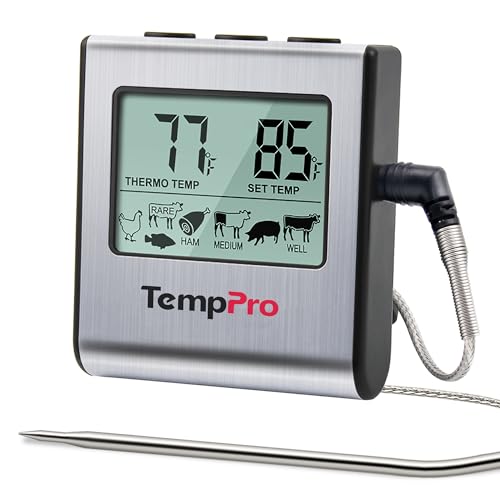
TempPro TP16 Large LCD Digital Meat Thermometer for Smoker Oven Kitchen BBQ Grill Thermometer Clock Timer with Stainless Steel Temperature Probe, Cooking Gifts for Father&Husband(Previously ThermoPro)
Cook mode with USDA preset temperature settings: TempPro cooking thermometer ideal for meat, oven, smoker or stove top;…
As an affiliate, we earn on qualifying purchases.
As an affiliate, we earn on qualifying purchases.
The practical conversion in one glance.
The common fan-forced adjustment is simple: lower the heat, shorten the expected time, then let visual cues finish the decision.
Airflow Suitability
Still heat: custards, souffles, delicate sponge cakes, and soft crusts. Fan heat: cookies, vegetables, roast meats, pastries, dehydrating, and multiple trays.

GoodCook BestBake Nonstick Textured Carbon Steel Cookie Sheet, 11" x 17", Large Baking Sheet, Even Heating, Scratch-Resistant, Non-Toxic, Durable, Ideal for Baking and Sheet Pan Dinners
QUALITY LARGE BAKING SHEET: Ensures a perfect bake every time for larger batches of your favorite recipes, from…
As an affiliate, we earn on qualifying purchases.
As an affiliate, we earn on qualifying purchases.
Most fan-forced problems start before the timer.
Burnt edges, dry crumb, pale centers, or cracked tops usually come from using conventional settings unchanged or blocking the airflow that makes fan mode work.
Skipping preheat
A cold cavity disrupts the even circulation advantage and can leave centers underdone while edges race ahead.
Keeping the same heat
Using 180°C fan when the recipe expects 180°C conventional can overbrown before the interior is ready.
Overloading racks
Crowded trays block air paths, causing uneven browning and patchy doneness.
Ignoring delicate structure
Souffles, custards, and soft cakes can crack, collapse, or dry out when exposed to constant airflow.
From oven mode to final bite.
The right setting is a chain of connected choices: food type, airflow, temperature, timing, and texture.
Fan moves hot air across every exposed surface.
Spacing and rack position determine circulation quality.
Faster heat transfer means earlier doneness checks.
Choose fan for crisp edges and even browning.
Choose conventional heat for delicate set and rise.
Use the fan when…
You want crisp vegetables, evenly browned cookies, roasted meats, pastries, dehydrated foods, or several trays baked together.
Skip the fan when…
You are baking souffles, custards, fragile cakes, soft-crust breads, or any recipe that specifically calls for conventional heat.
What Is a Fan-Forced Setting, and Why Does It Matter?
A fan-forced setting on your oven uses a built-in fan to blow hot air around the cavity. This creates a more uniform temperature, reducing hot spots and helping food cook evenly.
Imagine baking cookies on multiple racks or roasting vegetables that turn out perfectly crispy across the board—that’s the magic of fan-forced. With this setting, heat circulates constantly, speeding up cooking times and promoting even browning.
But it’s not always the best choice—delicate baked goods or recipes calling explicitly for conventional baking might suffer under the airflow. Knowing when to flip that switch is key to baking success.
Why Modern Ovens Make Fan-Forced Settings More Useful Than Ever
Today’s ovens come with smarter fans and vent systems, making fan-forced baking more precise and energy-efficient. Many models allow you to control fan speed or even combine modes—like steam and convection—for better results.
For example, some new ovens adjust airflow to optimize browning without drying out your baked goods. Others use a more efficient fan design that reduces noise and energy use.
This means you get consistent results whether you’re roasting a chicken or baking croissants—without guessing if your oven’s doing its job.
The Science of Timing and Temperature: How to Adapt Recipes for Fan-Forced
Fan-forced ovens cook faster and at slightly lower temperatures. The reason: the circulating air enhances heat transfer, leading to quicker cooking and more even heat distribution.
Lowering the temperature by about 20°C (36°F) prevents overbaking and helps prevent the crust from burning before the interior is done. Similarly, reducing cooking time by around 25% helps avoid overcooking, which can cause dryness or uneven textures.
This adjustment is crucial because it impacts the final product’s texture and appearance—overbaking can result in tough, dry baked goods, while underbaking can cause sogginess or collapse. Properly adapting recipes ensures that the benefits of fan-forced baking are realized without sacrificing quality.
When to Turn Off the Fan and Bake Conventionally
Some dishes are particularly sensitive to airflow because they rely on gentle, stable heat for proper rise and structure. For example, delicate cakes, custards, or soufflés depend on a consistent environment to set without cracking or collapsing.
Using the fan in these cases can cause uneven heat distribution, leading to cracks, deflation, or uneven textures. The gentle, stable heat of a conventional oven supports these recipes by providing a consistent environment that allows delicate structures to develop and set properly.
Additionally, certain pastries with flaky layers or soft bread crusts benefit from the absence of airflow, which helps maintain their tender crumb and flaky layers. Recognizing these trade-offs ensures you choose the right baking environment for each dish.
How to Use Fan-Forced Settings for Perfect Results
- Preheat your oven fully—this helps the circulation work from the start, ensuring even heat distribution.
- Reduce your recipe’s temperature by 20°C (36°F) to account for the increased efficiency of heat transfer.
- Start checking your food about 25% earlier than the recipe indicates, as cooking times are shortened.
- Use multiple racks for even baking when possible, but avoid overcrowding which can block airflow and cause uneven results.
For example, when baking cookies, set the oven to 160°C (320°F) instead of 180°C (356°F) and check for doneness 3-4 minutes earlier. This prevents overbaking and ensures even browning. Monitoring your dishes closely is essential—fan-forced speed can lead to unexpected results if you’re used to traditional baking times or temperatures.
Comparison Table: Fan-Forced vs. Conventional Baking
| Feature | Fan-Forced (Convection) | Conventional |
|---|---|---|
| Heat Circulation | Yes, via fan and vent | No, heat rises from bottom |
| Cooking Time | About 25% faster | Standard |
| Temperature Adjustment | Lower by ~20°C (36°F) | No change |
| Best Use Cases | Cookies, roasting, multiple trays | Gentle cakes, custards, bread with soft crust |
Common Mistakes That Sabotage Your Fan-Forced Baking
- Skipping preheating—your oven needs to be hot from the start for even air circulation, which is essential for consistent results and prevents uneven baking or undercooked centers.
- Using the same temperature as conventional recipes—without adjusting, your baked goods risk burning on the outside while remaining underdone inside. Proper temperature reduction balances heat transfer and preserves texture.
- Overloading racks—crowding blocks airflow, leading to uneven browning and inconsistent doneness. Proper spacing allows the circulating air to reach all surfaces evenly, ensuring a uniform bake.
- Ignoring recipe instructions—some baked goods require gentle, non-circulating heat to rise properly or maintain delicate textures. Using fan settings in these cases can cause cracks, collapse, or dryness.
For instance, trying to bake a delicate sponge cake at 180°C (356°F) in a fan oven without lowering the temperature can cause cracks and deflation. Being mindful of these pitfalls helps you avoid common errors and achieve better results.
Conclusion
Fan-forced settings are a powerful tool—when used correctly. They turn your oven into a precision instrument, delivering even browning and faster results. But knowing when to turn it on or off keeps your baked goods safe from disaster.
Next time you bake, ask yourself: is my dish robust enough to handle the airflow? If yes, embrace the fan. If not, stick to traditional baking. Your baked goods will thank you for it.