
TL;DR

Get baking supplies delivered free with Prime
- Fast, free delivery on millions of items
- Prime Video, Amazon Music and more included
- Member-only deals all year
Stevia and monk fruit are concentrated, plant derived sweeteners, but neither automatically replaces sugar’s bulk, moisture, browning, and structure. Check the product’s ingredients and conversion directions, then choose a recipe designed for that sweetener or adjust the recipe carefully; a sugar-free cake may need extra bulk and can still bake up paler or drier.
A spoonful of stevia can sweeten a bowl of batter, but it cannot fill the measuring cup sugar leaves behind. That gap is why a cake can taste sweet and still come out short, pale, or dry.
This stevia and monk fruit guide explains what these plant derived sweeteners do in baking, how to read their labels, and which recipes give you the best chance of a pleasing result. You’ll learn why there is no universal sugar swap, how to choose a suitable product, and what to adjust when your muffins need more body than sweetness.
The practical rule is simple: treat sweetness and structure as separate jobs. Once you do, you can make more informed choices at the grocery shelf and avoid asking one tiny packet to do the work of an entire cup of sugar.
Stevia and monk fruit can add sweetness, but concentrated extracts do not replace sugar’s bulk, moisture, tenderness, or browning.
Use the conversion directions for the exact product; there is no reliable universal ratio across extracts and baking blends.
A product’s bulking ingredients help determine how it measures and behaves, so read the full ingredient list and serving information.
Recipes developed for a specific sweetener usually offer a more predictable starting point than swapping it into a cake, cookie, or meringue recipe.
Test a small batch and change one variable at a time when checking texture, color, sweetness, and aftertaste.
The Stevia and Monk Fruit Guide for Bakers
Plant derived sweeteners can bring sweetness to a bake, but sugar also supplies volume, moisture, tenderness, browning, and structure. Read the product label, follow its directions, and choose a recipe that fits the blend.
Sweetness is only one part of the recipe
Sugar is a working ingredient. It helps hold moisture, soften crumb, support structure, and develop color. A substitute may match the taste while leaving those other jobs undone.
Less volume changes the batter
Imagine replacing one cup of sugar with a fraction of a teaspoon of concentrated extract. The sweetness may be there, but the missing material can affect the crumb and moisture balance.
What can change in the oven?
- Moisture: a bake may turn dry.
- Tenderness: the crumb may feel dense.
- Browning: the crust may look paler.
- Structure: cakes and cookies may set differently.
Read the blend, not just the front label
Stevia and monk fruit are high intensity sweeteners. The product in your hand may also contain ingredients that add bulk and change how it measures, tastes, or behaves in heat.
Steviol glycosides
Sweet compounds from the leaves of Stevia rebaudiana. Concentrated extracts add sweetness in small amounts, while baking blends may include ingredients such as erythritol or dextrose.
Mogrosides
Monk fruit, also called luo han guo, gets most of its sweetness from mogrosides. Products are commonly blended with bulking ingredients that affect measuring and results.
Changes the bake
Two packages with the same sweetener name may use different supporting ingredients. Some products may also have a distinctive aftertaste or a different texture in the finished bake.
Choose a product for the recipe
Before measuring, find the active sweetener, bulking ingredients, serving size, and conversion directions. Use the manufacturer’s guidance for the exact product instead of borrowing a ratio from another brand.
Find the ingredients
Check whether you have a concentrated extract or a baking blend.
Read the directions
Use serving and conversion guidance for that precise product.
Check recipe fit
Ask whether sugar creates bulk, chew, moisture, or a golden crust.
Test a small batch
Track texture, color, sweetness, and aftertaste before scaling up.
Start where sugar has fewer jobs
Results are usually more predictable when a recipe was developed for the sweetener or blend you plan to use. A recipe’s texture goals matter as much as the desired sweetness.
Recipes with support from other ingredients
A lightly sweetened filling or spice muffin with mashed banana or applesauce already has moisture and body. A baking blend may be a useful starting point, though the texture can still differ.
Recipes built around sugar’s structure
Meringues, delicate cakes, chewy cookies, and yeasted doughs rely on sugar in different ways. A direct swap can change shape, spread, crust, or crumb.
Fix the symptom with a careful test
A pale crust, dry crumb, or dense slice can signal that the substitute changed sugar’s other roles. Adjust cautiously, and record each result.
Color did not develop
Some substitutes do not brown like sugar. Start with a recipe designed for the chosen sweetener and judge doneness by more than color alone.
Crumb lost its softness
Consider whether the recipe needs more bulk or moisture. Make one measured change at a time so you can tell what helped.
Aftertaste stands out
Taste varies by product and recipe. Test the specific blend in a small batch; flavors such as cocoa or cinnamon may change how noticeable it is.
Questions bakers often ask
Can I swap one for one?
There is no reliable universal ratio. Follow the directions for the exact product.
Which is better for baking?
Neither is a universal winner. Product blend and recipe fit matter most.
Are baking blends like pure extracts?
No. Blends include supporting ingredients that affect measuring and baking behavior.
Will cakes and cookies work?
They can, especially with a recipe designed for the sweetener. Expect texture and color to vary.
Can I use them in yeast breads?
Use a recipe with product specific guidance; dough handling and crust may change.
Are products treated the same everywhere?
Regulatory status depends on the ingredient, purification, and country. Check local guidance and product labeling.
Why Sugar-Free Baking Needs More Than Sweetness
Stevia and monk fruit can make batter taste sweet, but neither automatically replaces sugar’s bulk, moisture, browning, and structure. Sugar is both a sweetener and a working ingredient: it affects how batter holds together, how a crust colors, and how soft a baked crumb feels.
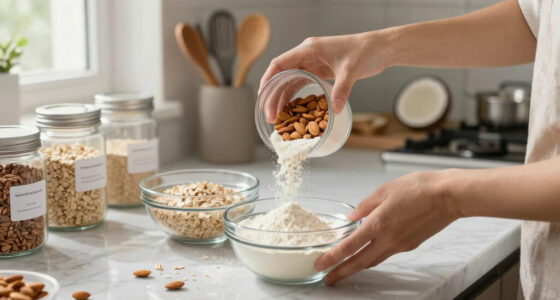
Imagine a muffin recipe that calls for one cup of sugar. If you use a concentrated extract in its place, you may need only a fraction of a teaspoon to reach the same sweetness. The missing volume does not disappear harmlessly; your batter has less material to hold moisture and support the crumb.
Think of sugar as a sponge and a scaffolding beam rolled into one. It helps baked goods retain moisture and contributes to tenderness, while also helping cakes and cookies brown. A sweetener can replace its taste without replacing those jobs, much like a new paint color cannot rebuild a damaged wall.
That difference explains why a sugar-free cake can taste sweet but feel dense, or why a cookie stays pale instead of turning golden at the edges. Before you choose a substitute, decide which job matters most in your recipe. For a lightly sweet quick bread, sweetness may be the main goal; for a tender layer cake, the missing bulk can be a bigger obstacle.
Products Worth Considering

KitchenAid 8-Cup Grain and Rice Cooker with Integrated Scale, Porcelain White

KitchenAid 5.5-Qt Bowl-Lift Stand Mixer, Porcelain White (KSM55SXXX)

Vitamix Propel Series 510 Professional-Grade Blender, 3 Programs, Black
As an affiliate, we earn on qualifying purchases.
How Stevia and Monk Fruit Differ in the Mixing Bowl
Stevia sweetness comes from compounds called steviol glycosides in the leaves of Stevia rebaudiana, while monk fruit’s sweetness comes mainly from compounds called mogrosides. Both are concentrated sweeteners, so the way a particular product is blended matters as much as the plant named on the front of its package.
Stevia products range from highly concentrated extracts to baking blends mixed with ingredients such as erythritol or dextrose. Monk fruit products are also often blended with bulking ingredients. In either case, a recipe uses the whole product, not just the named extract; that blend affects how much you scoop and what happens to the batter.
Neither pure extract provides sugar’s bulk or browning. Some products can also leave a distinct aftertaste, though people notice this differently and a flavor like cocoa or cinnamon may make it less obvious. If you’re choosing between two products for a batch of banana muffins, make a small test rather than assuming the label predicts the flavor.
There’s no universal winner for baking. A blend may be easier to measure, while a concentrated extract may give you more control over sweetness but add almost no volume. The package’s ingredients, serving size, and conversion guidance are your map; the word “stevia” or “monk fruit” by itself is only a starting point.
Read the Label Before You Replace a Cup of Sugar
The label tells you whether a stevia or monk fruit product is a concentrated extract or a blend made to measure more like sugar. Check the ingredient list, serving size, and stated conversion directions before adding it to a recipe, because a teaspoon of one product may not provide the same sweetness or bulk as a teaspoon of another.
Start with the manufacturer’s guidance for the exact product in your hand. If the package says a certain serving replaces a spoonful of sugar, use that as the product-specific reference instead of borrowing a ratio from a different brand or a recipe written for pure extract.
Then look for the bulking ingredients. A baking blend may contain erythritol, dextrose, or another ingredient that changes how it measures, feels in the mouth, or behaves in heat. Two products can both say “monk fruit” on the front and still work differently because their supporting ingredients differ.
- Find the sweetener and bulking ingredients in the full ingredient list.
- Read serving and conversion directions for the precise product, not a generic category.
- Check recipe fit: ask whether the recipe relies on sugar for a thick batter, chewy texture, or golden crust.
- Test a small batch when you’re trying an unfamiliar blend.
For example, if you want to sweeten a small pan of brownies, a blend labeled for baking gives you a more useful starting point than measuring concentrated extract by eye. It still may not create sugar’s exact fudgy texture, so record what worked before scaling up.
Pick Recipes That Don’t Depend on Sugar for Everything
Stevia and monk fruit are easiest to use in recipes where sugar is not the main source of volume, structure, or browning. A drink, yogurt topping, or lightly sweetened filling asks less from a sweetener than a meringue, a crisp cookie, or a tall cake with a delicate crumb.
Consider a batch of spice muffins with mashed banana or applesauce already supplying moisture and body. A baking blend may be a reasonable way to adjust sweetness, though the texture can still differ from the original recipe. A sugar-free meringue, by contrast, needs sugar for much more than taste, so a direct swap can leave you with a mixture that does not hold the same shape.
Cakes and cookies each have their own demands. Sugar helps cakes stay tender and supports browning; in cookies it can influence spread, crispness, and chew. Yeasted doughs also rely on a carefully balanced recipe, so swapping a sweetener without guidance may change both the dough’s handling and the final crust.
When you can, start with a recipe developed for your chosen sweetener. Its other ingredients already account for that product’s bulk and behavior, which makes it a better bet for a Saturday bake than a last-minute swap in a family recipe. A monk fruit guide or stevia recipe is most useful when it names the product or blend it was written around.
Fix Pale, Dry, or Dense Results Without Guessing
A pale crust, dry crumb, or dense slice often signals that your substitute changed sugar’s other jobs, not that the batter simply needed more sweetness. Stevia and monk fruit products generally don’t brown or caramelize like sugar, and a recipe with less sugar may retain less moisture or build a different texture.
Suppose your first sugar-free loaf comes out pale but pleasantly moist. That points to browning as the main difference, so changing the liquid may not help. If it tastes sweet but crumbles when sliced, the recipe may need a better source of bulk or a different formula rather than another pinch of extract.
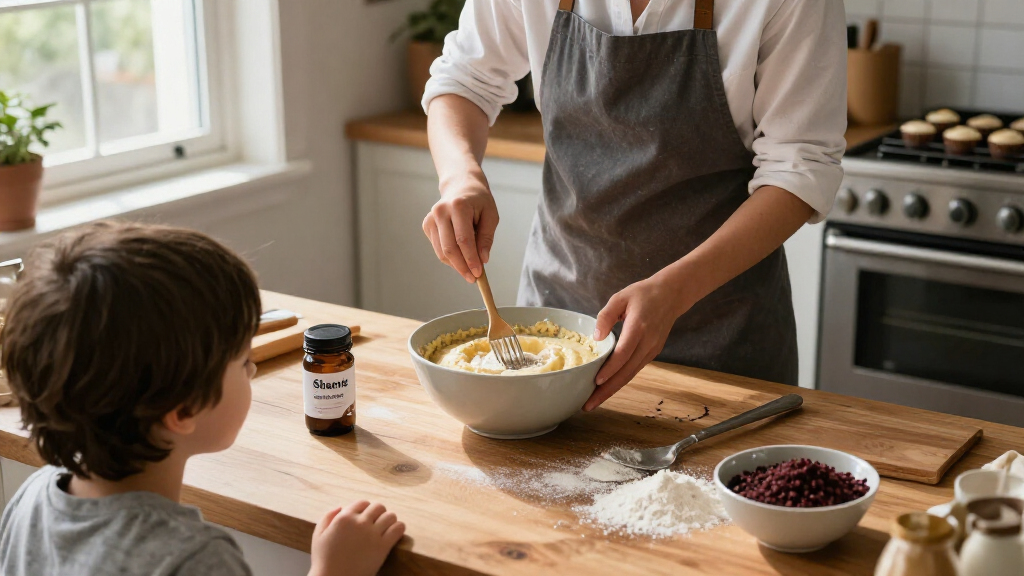
Make one change at a time. If you replace sugar with a baking blend, keep the rest of the recipe steady for the first trial; then compare the rise, color, tenderness, and sweetness with your usual version. Changing flour, fat, and liquid at once turns the next bake into a guessing game.
- For pale tops: expect less color, and use a recipe written for the chosen sweetener rather than baking longer without checking for doneness.
- For dry crumbs: review the recipe’s moisture and bulk instead of adding more sweetener.
- For dense slices: check whether the product is concentrated extract or a baking blend and whether the formula accounts for the missing volume.
- For an aftertaste: try the same sweetener in a small, more strongly flavored recipe before committing to a full cake.
Keep notes on the product, amount, pan size, and result. A short note like “monk fruit blend, pale top, moist center” gives you a useful clue the next time you open the recipe box.
Choose the Sweetener That Fits Your Baking Job
The better choice between stevia and monk fruit depends on the product’s blend and the recipe’s needs, because neither name guarantees a one-for-one sugar replacement. Compare the label directions, how much product you need, and whether your recipe needs sweetness alone or sugar’s missing bulk as well.
For a small bowl of oatmeal or a lightly sweetened filling, a concentrated product can be convenient because you need little. For a cake batter, a baking blend may be easier to measure, but its supporting ingredients still affect texture and flavor. If you dislike a particular aftertaste in tea, test the same product in a small baked recipe before using it in a birthday cake.
| What to check | Stevia product | Monk fruit product |
|---|---|---|
| Sweetening compounds | Steviol glycosides | Mogrosides |
| Common forms | Concentrated extract or a blend with bulking ingredients | Concentrated extract or a blend with bulking ingredients |
| Bulk and browning | Pure extract adds little bulk and does not brown like sugar | Pure extract adds little bulk and does not brown like sugar |
| Best first check | Product conversion directions and blend ingredients | Product conversion directions and blend ingredients |
For example, if you’re making muffins for a family breakfast, pick a recipe that specifies the baking blend or use a tested formula suited to that sweetener. If your aim is to reduce sugar in a sauce or filling, the swap may be simpler because the ingredient’s structure matters less. Either way, taste the actual product in the actual recipe before scaling it up.
Check Local Guidance and Store the Package Properly
The regulatory status of stevia and monk fruit depends on the specific ingredient, its processing, and your country. In the United States, certain highly purified steviol glycosides and monk fruit extracts are used as food ingredients, while whole-leaf stevia and crude extracts may be treated differently. Read local food guidance and the product label instead of assuming every item with a plant name has the same status.
That distinction matters if you’re comparing a purified sweetener with a whole-leaf product sold online. They may sound similar in casual conversation, but the product form and local rules can differ. For a home baker, the practical move is to buy a clearly labeled food product intended for cooking or baking and follow its directions.
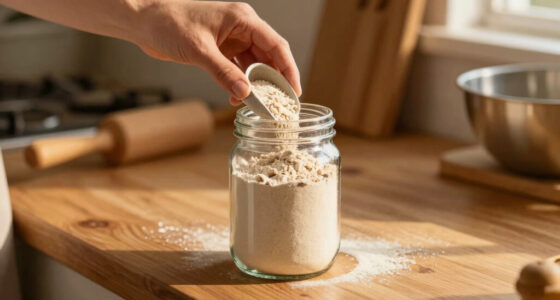
Store the package according to its label, keep it sealed and dry, and check the date before use. A damp scoop left in the bag can introduce moisture and make powder clump, much like flour stored beside a steaming kettle. For baked goods made with these sweeteners, follow the recipe’s cooling and storage directions; refrigeration needs depend on ingredients such as dairy, eggs, and fillings, not just the sweetener.
If your recipe contains eggs, handle the batter as a raw egg mixture: don’t taste it uncooked, and wash bowls and utensils before using them for ready-to-eat food. For finished baked goods, follow safe handling guidance for the ingredients and filling, especially if the dessert contains cream or custard. A sugar substitute does not make a perishable filling shelf-stable.
Frequently Asked Questions
Can I replace sugar one for one with stevia or monk fruit?
Only use a one-for-one amount if the directions for your specific product say to do so. Concentrated extracts and baking blends measure differently, and a direct swap can leave the recipe short on bulk, moisture, or browning.
Which is better for baking: stevia or monk fruit?
Neither is automatically better; the product’s blend and the recipe matter more than the name on the package. Compare the ingredients and conversion instructions, then test a small batch to check sweetness, texture, and aftertaste.
Why did my sugar-free cake turn out dry, dense, or pale?
Sugar helps hold moisture, tenderize the crumb, and brown the cake. A sweetener that replaces only sweetness can leave a cake with less body and a lighter crust, so try a recipe developed for that product before changing several ingredients at once.
Do stevia and monk fruit have an aftertaste?
Some products have a distinctive aftertaste, and people notice it differently. Try the product in a small batch first; cocoa, spice, or fruit may suit your preferences better than a lightly flavored cake.
Are baking blends the same as pure extracts?
No. Baking blends combine a high intensity sweetener with ingredients that provide bulk or make the product easier to measure. Check the full label, since those added ingredients help determine how the blend performs in a recipe.
Can I use stevia or monk fruit in cookies and yeast breads?
It depends on the recipe and product. Cookies and yeast breads rely on sugar for more than sweetness, so a direct substitution can change spread, texture, rise, or crust; look for a recipe designed for the chosen sweetener.
Conclusion
When you bake with stevia or monk fruit, match the specific product to the job sugar performs in the recipe. Read the label, follow its conversion guidance, and choose a formula that accounts for missing bulk before you pour batter into the pan.
Then bake a small batch and take notes. A golden top may be harder to get, but a tender muffin or a well-balanced filling can still make the kitchen smell like you hoped it would.