TL;DR

Get baking supplies delivered free — and shop member deals
- Fast, free delivery on millions of items
- Access to Prime Big Deal Days deals on October 6–7
- Prime Video, Amazon Music and more included
Most baked goods stay safe for 1-2 days at room temperature, especially if dry. Perishable items like cakes with dairy should be refrigerated after 2 hours. Proper storage and ingredients determine shelf life.
Imagine slicing into a warm loaf of bread or biting into a freshly baked cookie — you want it to stay fresh just a little longer. But how long can you leave baked goods sitting out without risking spoilage? The truth is, it depends on the type of treat and how you store it. Knowing the right time frame helps you avoid food waste and stay safe. Whether you’re hosting a brunch or just enjoying your homemade goodies, understanding the limits of room temperature storage keeps your treats tasty and safe.
In this guide, you’ll learn exactly how long different baked goods can sit out, what signs to watch for, and tips to extend their freshness. Get ready to enjoy your baked creations without second-guessing — and avoid the pitfalls of eating spoiled treats.
Most baked goods are safe for 1-2 days at room temperature, especially if dry and stored in airtight containers.
Perishable items like cakes with dairy or fruit fillings should be refrigerated within 2 hours and eaten within 2 days.
Signs of spoilage include mold, off smell, slimy texture, or discoloration. Always trust your senses.
In hot or humid environments, reduce storage time to prevent rapid spoilage.
Dry cookies like biscotti can last for weeks if stored properly, but moist goods are best enjoyed sooner.
What Baked Goods Last the Longest at Room Temp?
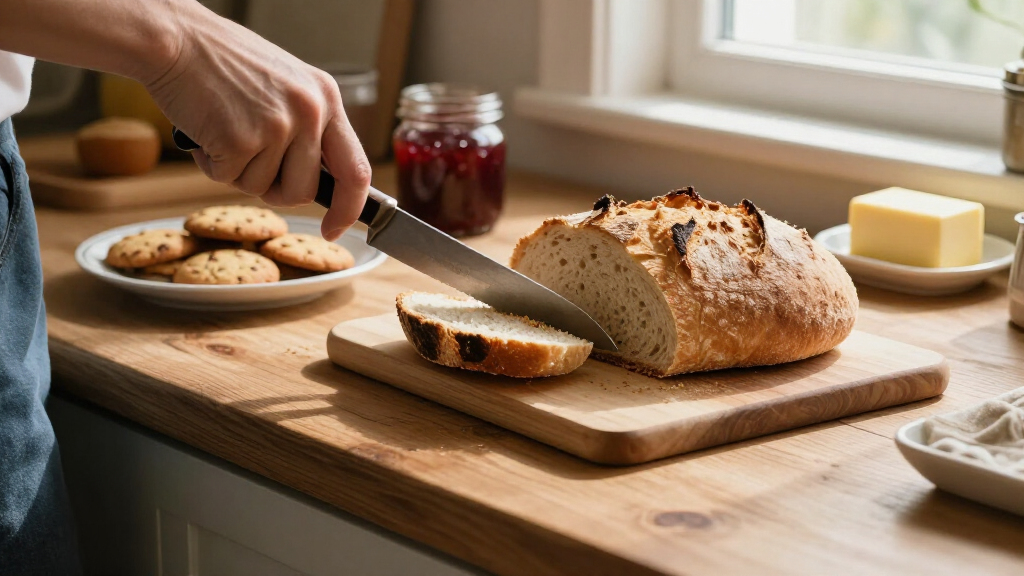
Dry, low-moisture baked goods tend to last the longest at room temperature — think crispy cookies, biscotti, or crackers. These treats can often stay fresh for up to two weeks if stored in airtight containers. For example, a batch of almond biscotti stored in a sealed jar can be perfectly crispy and tasty for 10-14 days, even in a warm kitchen.
On the flip side, moist baked goods like quick bread, muffins, or muffins with fruit fillings are more fragile. These should be eaten within 2-3 days because their moisture creates a breeding ground for mold and bacteria. A loaf of banana bread, for instance, will start to show mold or become stale after about 2 days if left out.
Frosted cakes or pastries with fillings like cream cheese or custard are even more delicate. They should be kept at room temp only for a day or two — after that, refrigeration becomes necessary to keep them safe. Think of those layered cakes you enjoy at parties; they’re best refrigerated after a day or so at room temperature.
airtight baked good storage containers
As an affiliate, we earn on qualifying purchases.
As an affiliate, we earn on qualifying purchases.
How Ingredients and Moisture Control Your Baked Goods’ Shelf Life
The moisture content and ingredients dramatically influence how long baked goods stay fresh at room temperature. High-moisture treats like cheesecakes or custard-filled pastries spoil faster because bacteria love moisture. For example, a cream-filled Danish pastry can develop mold within 24-48 hours if left out.
In contrast, dry cookies or crackers contain little moisture, making them more resistant to spoilage. A batch of biscotti, with its low moisture and hard texture, can sit for weeks without going bad. That’s because their dryness inhibits microbial growth.
Ingredients like dairy, eggs, or fresh fruit add to perishability. Baked goods with these should be refrigerated within 2 days. Meanwhile, simple bread or crackers with minimal moisture can often stay safe for up to a week or more.
As an affiliate, we earn on qualifying purchases.
Storage Conditions That Keep Baked Goods Fresh Longer
The way you store baked goods at room temperature makes a big difference. An airtight container traps moisture and keeps out air, which can cause staling or mold. Think of a glass jar with a tight lid holding homemade cookies — they stay crisp and fresh longer.
Keep baked goods in a cool, dry place away from direct sunlight or heat sources. A warm kitchen accelerates spoilage, especially in humid climates. For instance, in a 75°F kitchen, cookies might last 1-2 weeks, but in a 90°F environment, they could spoil within days.
For high-moisture baked goods, a paper bag or loosely covered container is often worse than leaving them exposed. They trap humidity and encourage mold. The trick is to find a balance: airtight for dry treats, and breathable for moist ones.
As an affiliate, we earn on qualifying purchases.
How to Spot Spoiled Baked Goods Before You Eat Them
Before biting into that leftover muffin, check for warning signs. Mold is the clearest indicator — fuzzy patches of green, white, or black that appear within days. If you see any, toss it immediately. Mold spores can produce toxins, even if you cut away the affected part.
Next, smell your baked treat. An off or sour odor signals spoilage. Fresh baked goods smell warm, buttery, or sweet. If it smells musty or sour, it’s time to say goodbye.
Texture changes are also clues. Slimy or sticky surfaces on cookies or bread suggest bacterial growth. Discoloration, like dark spots or unusual streaks, indicates mold or spoilage. When in doubt, trust your senses — it’s better to be safe than sorry.
As an affiliate, we earn on qualifying purchases.
A Quick Guide to Safe Storage Times for Different Baked Goods
| Baked Good | Safe Room Temp Storage | Maximum Duration |
|---|---|---|
| Cookies & Crackers | Airtight container | Up to 2 weeks |
| Bread (without preservatives) | Paper bag or bread box | 2-3 days |
| Cakes & Pastries (no perishable filling) | Airtight container | 1-2 days |
| Frosted cakes with dairy or custard | Refrigerate after 2 hours | Max 2 days |
| High-moisture pastries with fillings | Refrigerate after 2 hours | Up to 2 days |
When to Refrigerate & Why It Matters
Refrigeration is your best friend when it comes to perishable baked goods. Items like cream cheese frosting, custard-filled pastries, or anything with fresh fruit should be refrigerated within 2 hours of baking. This halts bacterial growth and keeps the treat safe to enjoy later.
For example, a fruit tart left out overnight in summer heat can quickly develop mold or bacteria, making it unsafe to eat. Refrigerating it within 2 hours keeps it fresh and safe for up to 3-4 days.
Remember, refrigeration might change the texture of some baked goods — cookies may soften, and cakes may become denser. But safety always comes first.
What Happens If You Eat Baked Goods Left Out Too Long?
Eating baked goods that have sat out too long can lead to food poisoning or allergic reactions, especially if mold or bacteria are present. Mold can produce mycotoxins that are harmful even if you cut away the fuzzy part.
Common symptoms of foodborne illness include stomach cramps, nausea, diarrhea, and vomiting. These risks are higher with moist or perishable treats.
For example, a slice of cake left out for 3 days in warm weather might look fine but could harbor dangerous bacteria or mold. When in doubt, discard it.
Which Baked Goods Can Last Weeks Without Refrigeration?
Dry, hard cookies like biscotti or crisp crackers can often last for weeks at room temperature if stored properly. Their low moisture content makes them inhospitable to bacteria and mold. For example, a batch of biscotti kept in a sealed jar in a cool pantry can remain perfectly crisp for 3-4 weeks.
However, most fresh or moist baked goods will not last that long. They tend to become stale or spoil quickly, especially in humid climates. Always check for signs of staleness or mold before eating.
In general, aim to enjoy such treats within a week for the best flavor and safety.
Frequently Asked Questions
How long can I leave bread out before it gets moldy?
Most bread lasts about 2-3 days at room temperature before mold starts to appear, especially in warm or humid environments. Store bread in a bread box or paper bag for best freshness, but keep an eye on signs of mold or staleness.
Can I leave cookies out for a week?
Dry cookies stored in an airtight container can stay good for up to 1-2 weeks. Over time, they may become less crispy or stale, but they’re unlikely to spoil unless exposed to moisture or heat.
Is it safe to eat a cake left out overnight?
Unfrosted cakes can be safe for 1-2 days if stored properly, but frosted cakes with perishable fillings (like cream cheese or custard) should be refrigerated within 2 hours. After that, risk of spoilage increases.
When should I refrigerate baked goods?
If baked goods contain dairy, eggs, fruit, or other perishable fillings, refrigerate within 2 hours. For most other baked items, room temperature storage is fine for 1-2 days, but refrigeration extends freshness and safety.
What are the dangers of eating baked goods left out too long?
Leftovers can develop mold, bacteria, or toxins that cause food poisoning. Mold can produce harmful mycotoxins, and bacteria like Salmonella can grow on moist, perishable baked goods, leading to illness.
Conclusion
Knowing how long baked goods stay safe at room temperature protects you from foodborne illness and waste. When in doubt, rely on your senses and the type of treat you made. A little extra effort in storage keeps your baked goodies tasting fresh and safe longer.
Remember, safe storage isn’t just about safety — it’s about enjoying your baking to the fullest. Keep these tips in mind, and your treats will stay delicious and safe to share with loved ones or savor yourself.
Fall Picks
fall essentials
As an affiliate, we earn on qualifying purchases.