
TL;DR

Get baking supplies delivered free with Prime
- Fast, free delivery on millions of items
- Prime Video, Amazon Music and more included
- Member-only deals all year
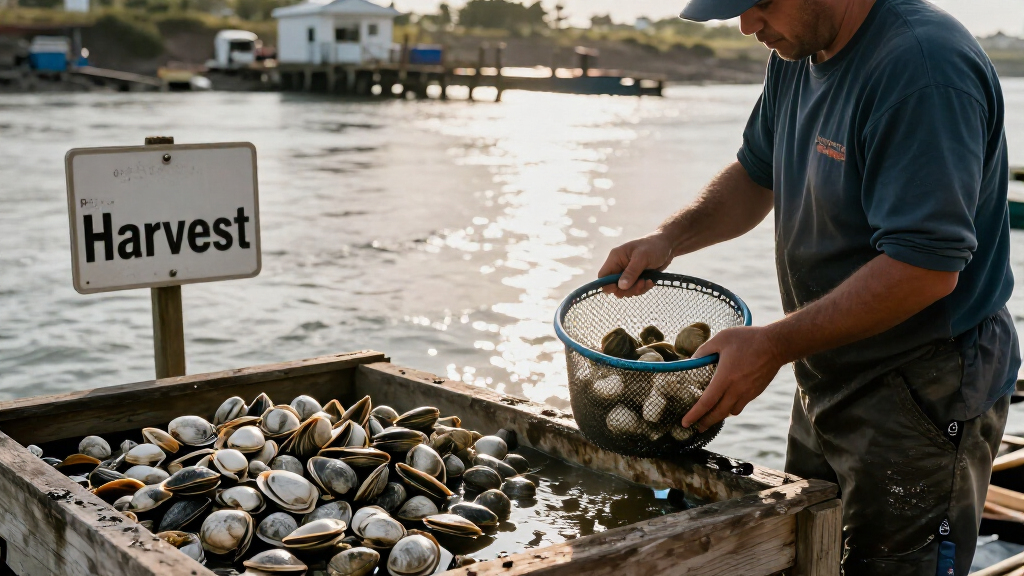
Virginia health officials closed a stretch of the Little Wicomico River to oyster and clam harvesting on Oct. 9 after an epidemiological link connected shellfish from the area to a Pennsylvania Salmonella outbreak. At least five people have been sickened, according to the Virginia Department of Health; shellfish from the closed waters are being tested, and the closure is scheduled to last through Nov. 7.
Virginia health officials closed part of the Little Wicomico River to oyster and clam harvesting on Oct. 9 after an epidemiological investigation linked shellfish taken from the waters to a Salmonella outbreak in Pennsylvania. At least five people have been sickened, the Virginia Department of Health said, and the closure is set to remain in effect through Nov. 7.
The state’s Emergency Condemnation order #010A covers specified downstream waters of the Little Wicomico River in Northumberland County. The order prohibits harvesting shellfish from the affected area while the closure is active, except under a special permit from the Virginia Marine Resources Commission. State officials said shellfish in the zone are being actively tested.
The department said the decision was made out of an abundance of caution and in accordance with recommendations from the U.S. Food and Drug Administration. The available report does not identify the specific harvest dates, distribution locations, or products involved, and it does not say whether the outbreak strain has been confirmed in river samples.
The closure applies to shellfish, not all seafood or water use: crabs and finfish may still be harvested from the affected waters, according to state officials. The department also said the order does not affect drinking water. A separate emergency order issued Oct. 9 closed portions of Lower Machodoc Creek in Westmoreland County to shellfish harvesting through Oct. 29; the report does not state that closure is linked to the Pennsylvania illnesses.
A Harvest Ban During Oyster Season
The Little Wicomico order came just over a week after Virginia’s 2026–2027 public oyster season opened on Oct. 1. Its timing means harvesters cannot collect shellfish from the affected waters while the ban remains in effect, and businesses or consumers who may have received shellfish from the area need clear information about the implicated harvests. The source material does not identify specific businesses, shipments, or products for sale.
The closure is also a public-health measure because contaminated food may not look, smell, or taste spoiled. Salmonella can cause diarrhea, abdominal cramps, and fever, often starting 12 to 72 hours after eating contaminated food. While many otherwise healthy adults recover within four to seven days, severe illness and hospitalization can occur, particularly among young children, older adults, pregnant people, and people with weakened immune systems.
Virginia’s public oyster grounds produce roughly 250,000 bushels annually, according to the source report, with the state’s replenishment program spending $4 million to $10 million a year on reef maintenance and shell planting, according to the Virginia Marine Resources Commission. The statewide figures show the scale of the industry, but the size of the economic effect from this specific closure has not been reported.
Products Worth Considering

Breville Smart Grinder Pro Conical Burr Coffee Grinder, Brushed Stainless Steel

Breville Bambino Espresso Machine, Brushed Stainless Steel

De'Longhi Dinamica Plus Fully Automatic Espresso Machine
As an affiliate, we earn on qualifying purchases.
How the Closure Was Issued
The state acted after officials traced the Pennsylvania illnesses to shellfish harvested from the Little Wicomico River, according to the Virginia Department of Health. The source describes this as an epidemiological link; it does not provide details about the investigation’s methods, the patients’ exposure histories, or laboratory findings from the water or shellfish.
Virginia’s public oyster season began Oct. 1. The health department issued the Little Wicomico closure eight days later, on Oct. 9, using an emergency condemnation order that defines the affected downstream waters by coordinates. The report also describes a separate closure for parts of Lower Machodoc Creek, issued the same day and set to run through Oct. 29.
“The move was made “out of an abundance of caution.””
— Virginia Department of Health
Outbreak Details Still Emerging
The available information does not identify the number of people who may have been exposed, when the implicated oysters or clams were harvested, or where they were distributed. The health department has reported at least five illnesses, but the source does not provide patients’ locations beyond the outbreak’s connection to Pennsylvania, their current condition, or whether additional cases are under investigation.
It is also unclear whether testing has found Salmonella in shellfish or water from the closed area, whether any shellfish were recalled, and what evidence established the link between the harvest area and the illnesses. The source does not explain whether the separate Lower Machodoc Creek closure is related; it should be treated as a distinct order unless officials say otherwise.
Testing and Closure Review
Virginia officials are testing shellfish from the closed zone, and the harvesting prohibition is scheduled to continue through Nov. 7. The source material does not specify when testing results will be released or whether the closure could be extended, narrowed, or lifted earlier. Harvesters must follow the order while it remains in force; harvesting, storing, or transporting shellfish from condemned waters is prohibited without a special permit.
People who ate clams from the affected area and develop symptoms should seek medical care and tell their clinician about the possible Salmonella exposure, according to the source report. A clinician may need specific testing to diagnose salmonellosis. More information from state or federal officials could clarify the affected harvest dates, distribution, test results, and whether additional cases have been identified.
Key Questions
Which waters are closed to oyster and clam harvesting?
Emergency Condemnation order #010A closes specified downstream waters of the Little Wicomico River in Northumberland County. The order describes the boundary by coordinates; harvesters should consult the official order for the precise area.
How long will the Little Wicomico closure last?
The closure is scheduled to remain in effect through Nov. 7, 2026. The source does not say whether officials may change that date after reviewing test results.
Are all seafood and drinking water from the area affected?
No. The Virginia Department of Health said crabs and finfish may still be harvested from the affected waters and that the closure does not affect drinking water. The prohibition covers shellfish harvesting in the condemned area.
What symptoms can Salmonella cause?
Symptoms can include diarrhea, abdominal cramps, and fever, often beginning 12 to 72 hours after eating contaminated food. People who become ill after eating shellfish from the affected area should seek medical advice and mention the possible exposure.
Source: rss