
TL;DR

Get baking supplies delivered free — and shop member deals
- Fast, free delivery on millions of items
- Access to Prime Big Deal Days deals on October 6–7
- Prime Video, Amazon Music and more included
Storing yeast correctly involves keeping it cool, dry, and airtight. Refrigeration or freezing can extend its shelf life, while proofing confirms it’s still active before baking. Proper storage ensures your yeast remains effective and fresh longer.
Imagine opening a packet of yeast, only to find it’s flat and dead. That’s frustrating, especially when you’re eager to bake bread that rises perfectly. The secret isn’t just in the yeast itself, but how you store it.
Storing yeast properly isn’t complicated, but it makes a huge difference in its leavening power and freshness. Whether you prefer active dry, instant, or fresh yeast, knowing the right storage techniques helps you get the best results every time you bake.
Always store dry yeast in a cool, dark, airtight container to maximize shelf life.
Refrigeration or freezing extends the viability of yeast—especially fresh yeast—by months.
Proof yeast in warm water with a pinch of sugar to confirm activity before baking.
Vacuum sealing and silica gel packs can help absorb moisture and prolong freshness.
Check expiration dates and signs of spoilage to avoid using inactive yeast, which can ruin your baked goods.
The Right Way to Store Yeast for Maximum Freshness
Cool, dry, airtight — three simple rules that can nearly double the life of your yeast. Whether you bake with active dry, instant, or fresh cake yeast, the right storage technique keeps every loaf rising tall and every crumb light.
Why Your Yeast Type Changes Everything
Not all yeast is created equal. Fresh cake yeast is as perishable as produce, while active dry and instant varieties are built for the pantry — but only if kept cool, dark, and sealed.
Active Dry Yeast
Granules that tolerate pantry conditions well. Store in the original package or an airtight jar in a cool, dark cupboard — 6–12 months at room temperature, up to 24 refrigerated.
Instant Yeast
Also called rapid-rise. Shelf-stable, but loses potency faster if exposed to air or moisture. An airtight container plus refrigeration preserves its quick-activation properties.
Fresh (Cake) Yeast
Treat it like fresh produce. Refrigerate in original packaging and use within about 2 weeks — or wrap tightly and freeze for up to 3 months with minimal loss of activity.
Store Yeast in 4 Simple Steps
Proper handling prevents moisture from prematurely activating the yeast — a common mistake that leads to flat bread and failed fermentation.
Keep It Sealed
Leave unopened yeast in original packaging, or move to an airtight container. Air and moisture degrade potency over time.
Go Dark & Cool
Choose a cupboard away from heat sources, or refrigerate. Light and heat accelerate yeast deterioration.
Use Airtight Containers
Once opened, transfer to a resealable bag or tight-sealing jar to prevent moisture absorption and clumping.
Freeze for Long-Term
Freeze fresh yeast in small, tightly wrapped portions. Thaw gradually in the fridge and proof before use.
Storage Cheat Sheet by Yeast Type
Refrigerating fresh yeast makes it last dramatically longer, while dry varieties thrive in cool, dark cabinets.
| Yeast Type | Best Storage Method | Shelf Life at Room Temp | Refrigeration Benefits |
|---|---|---|---|
| Active Dry | Original package or airtight jar | 6–12 months | Extends to 12–24 months, preserving potency and reducing spoilage risk from moisture or heat |
| Instant | Airtight container or resealable bag | 6–12 months | Similar to active dry; cold storage maintains quick-activation properties over time |
| Fresh (Cake) | Refrigerate or freeze | 2 weeks — quality declines faster at room temp | Up to 3 months frozen, with minimal loss of activity if stored properly |
Shelf Life by Storage Method
Cold storage nearly doubles the viability of dry yeast. Maximums shown in months for typical household storage.
Signs Your Yeast Has Gone Bad — Don’t Use It!
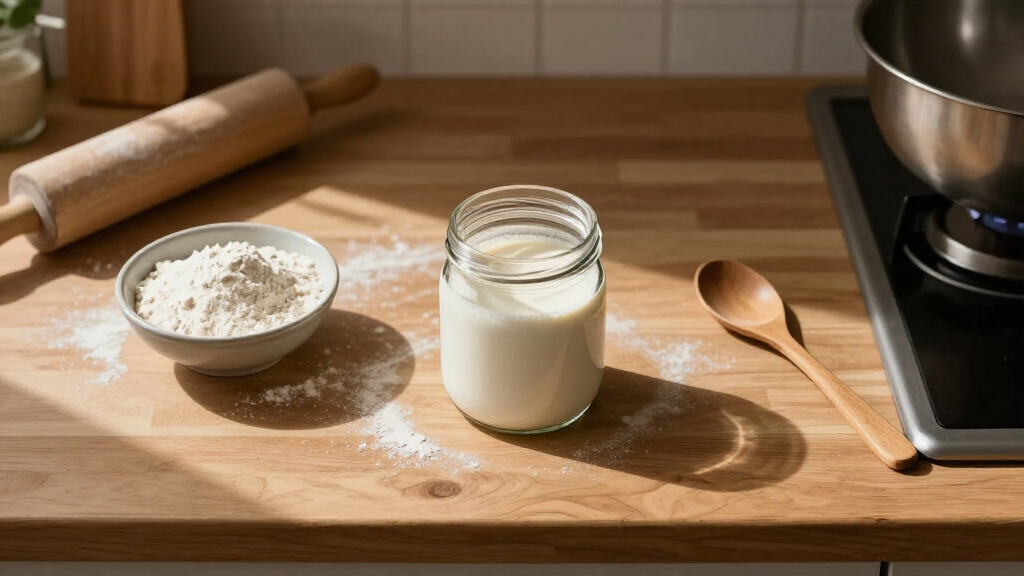
Dissolve a teaspoon of yeast in warm water (about 100°F) with a pinch of sugar. If it bubbles and foams within 10 minutes, it’s good to go. This simple step confirms the yeast’s leavening ability is intact — saving you from failed bakes.
Foam and bubbles within 10 minutes. The yeast’s leavening power is intact — proceed with your recipe.
No foam, plus off smells, discoloration, clumping, or mold. Using it risks dense, flat, off-tasting bread.
Practical Tips to Keep Yeast Fresh Longer
One baker stored her yeast in a small jar with a silica gel packet and proofed it before every big batch — the result was consistently fluffy loaves, every time.
Airtight Containers
Prevent moisture and air from degrading yeast, reducing the risk of premature activation or mold growth.
Fridge or Freezer for Bulk
Cold slows microbial activity and enzyme degradation, maintaining freshness for months — even years.
Label with Dates
Mark purchase or expiration dates so you use older stock first and never bake with spent yeast.
Silica Gel Packets
Food-safe desiccants absorb residual moisture, preventing clumping and microbial spoilage.
Vacuum Sealing
Removing air and moisture significantly extends shelf life — ideal for large bulk purchases.
Proof Older Yeast First
Always verify activity before baking, especially with yeast stored for extended periods or frozen.
From Packet to Perfect Loaf
Every stage of handling matters. Follow the chain and your yeast stays ready whenever the sourdough craving hits.
Buy Smart
Check expiration dates before purchasing.
Seal Airtight
Original package or a tight-sealing jar.
Keep It Cold
Dark cupboard, fridge, or freezer below 70°F.
Proof & Verify
Warm water + sugar; foam in 10 minutes.
Bake & Rise
Consistent, professional-quality results.
Your Storage Questions, Answered
The most common questions bakers ask about keeping yeast fresh.
How long can I store yeast?
Dry yeast lasts 6–12 months at room temperature and up to 24 months refrigerated. Fresh yeast lasts about 2 weeks refrigerated, or up to 3 months frozen.
Can I store yeast in the freezer?
Yes — especially for fresh yeast. Seal tightly to prevent freezer burn and moisture exposure, thaw in the fridge, and proof to check activity before baking.
How do I know if it’s still active?
Dissolve a teaspoon in warm water with a pinch of sugar. Foam and bubbles within 10 minutes means go; no foam means it’s time for new yeast.
Should I refrigerate after opening?
An opened dry yeast package can stay in the pantry if used quickly, but refrigeration helps it last longer. Fresh yeast must be refrigerated — freezing extends it further.
What’s the best way to store fresh yeast?
Keep it refrigerated in its original packaging or wrapped tightly in plastic. For longer storage, wrap portions tightly and freeze for up to 3 months.
Can I reuse older stored yeast?
Only if it proves active during proofing. Otherwise, discard it — baking with dead yeast means dense, flat loaves and wasted ingredients.
Why Your Choice of Yeast Type Changes How You Store It
Not all yeast is created equal when it comes to storage. Active dry yeast is more shelf-stable than fresh yeast, but it still needs cool, dry conditions. Instant yeast, or rapid-rise, is similar but can lose potency faster if not stored properly.
Fresh (cake) yeast is highly perishable. It’s like fresh produce — it needs refrigeration and should be used within a couple of weeks. Understanding these differences helps you choose the right storage method and avoid waste.
Choosing the correct storage approach based on yeast type is crucial because it directly impacts the yeast’s vitality and your baking results. Improper storage can lead to yeast activation issues, which means your dough might not rise or could have off flavors, affecting the final baked product. Recognizing these nuances allows you to optimize shelf life and performance, ensuring consistent, professional-quality bread and pastries.
airtight storage containers for yeast
As an affiliate, we earn on qualifying purchases.
As an affiliate, we earn on qualifying purchases.
How to Store Yeast in 4 Simple Steps for Peak Freshness
- Keep it sealed: Always store unopened yeast in its original packaging or an airtight container. This prevents exposure to air and moisture, which can prematurely activate or degrade the yeast, reducing its effectiveness over time.
- Go dark and cool: Find a cupboard away from heat sources or store in the fridge for extra longevity. Light and heat accelerate yeast deterioration, so a dark, cool environment helps preserve its leavening power and prevents spoilage.
- Use airtight containers: Once opened, transfer yeast to a resealable bag or jar with a tight seal. This step is essential because it minimizes moisture absorption and exposure to air, both of which can deactivate yeast or cause clumping.
- Freeze for long-term: For extended storage, especially of fresh yeast, freeze it in small portions wrapped tightly in plastic wrap or vacuum-sealed bags. Freezing halts enzyme activity and microbial growth, effectively extending shelf life, but it’s important to thaw gradually and proof to ensure activity before use.
Imagine you’ve just bought a big jar of instant yeast. Following these steps keeps it fresh for months, ready whenever your sourdough craving hits. Proper handling prevents moisture from activating or ruining the yeast, which can be a common mistake leading to poor fermentation and flat bread.
As an affiliate, we earn on qualifying purchases.
Comparison Table: Storing Different Types of Yeast
| Yeast Type | Best Storage Method | Shelf Life at Room Temp | Refrigeration Benefits |
|---|---|---|---|
| Active Dry Yeast | Original package or airtight jar | 6-12 months | Extends to 12-24 months, preserving potency and reducing the risk of spoilage from moisture or heat |
| Instant Yeast | Airtight container or resealable bag | 6-12 months | Similar to active dry, longer if refrigerated; refrigeration helps maintain its quick-activation properties over time |
| Fresh (Cake) Yeast | Refrigerate or freeze | 2 weeks refrigerated, but quality declines faster at room temperature | Up to 3 months frozen, with minimal loss of activity if stored properly |
This table highlights how storage needs shift with yeast type. For example, refrigerating fresh yeast makes it last longer, while dry varieties thrive in cool, dark cabinets. Understanding these differences helps prevent waste and ensures you always have active yeast ready for baking.
As an affiliate, we earn on qualifying purchases.
Signs Your Yeast Has Gone Bad — Don’t Use It!
Ever opened yeast and wondered if it’s still alive? Here’s a quick test: dissolve a teaspoon of yeast in warm water (about 100°F) with a pinch of sugar. If it bubbles and foams within 10 minutes, it’s good to go. This simple proofing step is essential because it directly confirms whether the yeast’s leavening ability is intact, saving you from failed baking attempts.
Look out for off smells, discoloration, or clumping — all signs it’s past its prime. Using spoiled yeast can leave your bread dense, flat, or tasting off. When in doubt, discard and buy fresh. Recognizing these signs early helps avoid wasted ingredients and ensures your baked goods turn out perfect every time.
As an affiliate, we earn on qualifying purchases.
Practical Tips to Keep Your Yeast Fresh Longer
- Use airtight containers to prevent moisture and air from degrading yeast. This reduces the risk of premature activation or mold growth, which can compromise yeast viability.
- Store in the fridge or freezer especially for bulk purchases or long-term storage. Cold temperatures slow microbial activity and enzyme degradation, maintaining yeast freshness for months or even years.
- Label your yeast with purchase or expiration dates to stay organized. This helps you prioritize older stock and ensures you don’t accidentally use expired yeast, which may have diminished leavening power.
- Include silica gel packets in storage containers to absorb residual moisture. This prevents clumping and microbial growth, which can deactivate yeast or cause spoilage.
- Proof older yeast before baking to confirm activity. This step avoids failed recipes and ensures consistent results, especially when using yeast stored for extended periods.
For example, a baker stored her yeast in a small jar with a silica gel packet, checking its activity before every big batch. The result? Consistently fluffy loaves, every time. Incorporating these practices helps maintain yeast vitality and ensures reliable baking performance.
Frequently Asked Questions
How long can I store yeast before it goes bad?
At room temperature, dry yeast can last 6-12 months. Refrigeration extends that to up to 24 months. Fresh yeast typically lasts 2 weeks refrigerated but can be frozen for up to 3 months for longer storage.
Can I store yeast in the freezer?
Yes, freezing is a great way to preserve yeast, especially fresh yeast. Just ensure it’s tightly sealed to prevent freezer burn and moisture exposure. Thaw in the fridge before use, and proof to check activity.
How do I know if my yeast is still active?
Dissolve a teaspoon of yeast in warm water with a pinch of sugar. If it produces foam and bubbles within 10 minutes, it’s active and ready to use. No foam? It’s time to get new yeast.
Should I refrigerate yeast after opening?
For dry yeast, an opened package can stay in the pantry if used quickly, but refrigeration helps it last longer. For fresh yeast, refrigeration is essential, and freezing extends its life further.
What’s the best way to store fresh yeast?
Keep fresh yeast in its original packaging or wrap it tightly in plastic, then refrigerate. For longer storage, freeze it in small portions to prevent waste and maintain activity.
Conclusion
Keeping yeast fresh isn’t complicated — it’s about controlling moisture, temperature, and air exposure. Once you get into good habits, your yeast stays lively, ready to turn simple ingredients into perfect bread, pizza, or pastries.
Think of your yeast as a tiny, powerful ingredient that, with proper care, can last months or even years. Treat it right, and your baking will always rise to the occasion.
Fall Picks
fall essentials
As an affiliate, we earn on qualifying purchases.