TL;DR
Listen free for 30 days with Audible
Thousands of audiobooks and originals — cancel anytime.
Start your free trialAs an affiliate, we earn on qualifying purchases.
The bench scraper is an inexpensive, versatile tool that pros reach for most. It handles dough, cleans surfaces, and transfers ingredients efficiently, making it a kitchen essential.
Imagine a tool so simple, yet so vital, that it quietly underpins every great baker’s work. The bench scraper is that unsung hero. It costs less than a fancy spatula but handles everything from dividing dough to cleaning counters.
If you’ve ever watched a professional baker in action, you’ve likely seen a bench scraper in their hand, ready to tackle multiple tasks. It’s a small investment that pays off in versatility and durability, especially when your kitchen routines demand quick, efficient moves.
A bench scraper costs less than $10 but replaces multiple tools, making it a smart investment.
Choose the right material (metal or plastic) based on your tasks and safety preferences.
Regular cleaning and proper storage keep your scraper working smoothly for years.
Modern designs with measurement marks or flexible edges expand its versatility.
Use your bench scraper safely by handling it carefully and working on stable surfaces.
The Bench Scraper: The Cheap Tool Pros Reach For Most
It costs less than a fancy spatula, yet quietly underpins every great baker’s work. Dividing dough, cleaning surfaces, transferring ingredients — the bench scraper is the unsung hero that replaces multiple tools for under ten dollars, and lasts over a decade with proper care.
Why professionals reach for it, even at a budget price
Its reputation among pros isn’t hype — it’s a multi-tasking marvel. For less than $10, you get a tool that’s sturdy, reliable, and endlessly adaptable. In kitchens where time is money, its flat edge glides smoothly through tasks that would otherwise require multiple tools.
Divide Dough
Splits large batches of bread and pastry dough cleanly, without tearing — the classic pro move.
Clean Surfaces
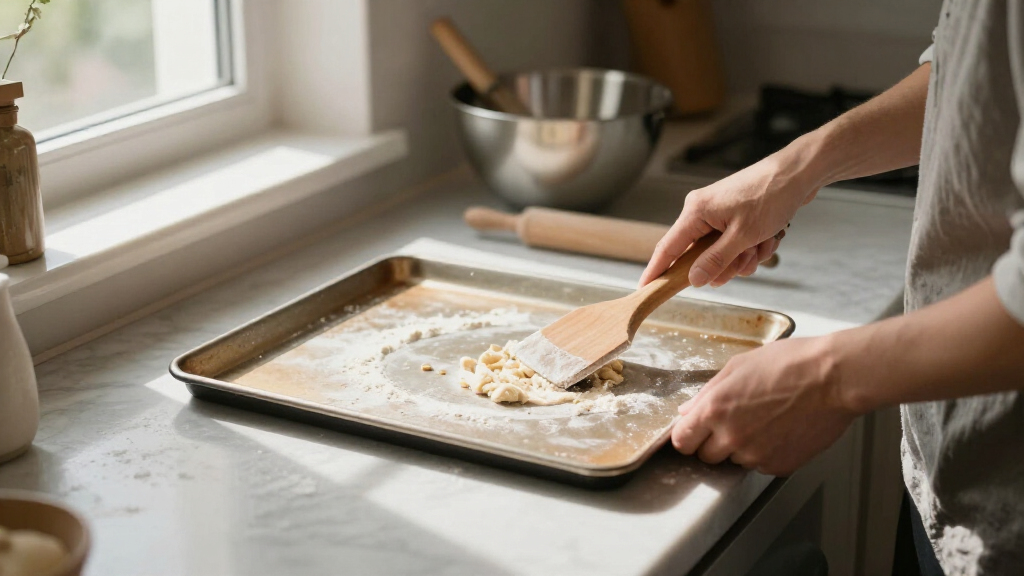
Scrapes flour and sticky bits off work surfaces in seconds, keeping stations spotless between tasks.
Transfer & Portion
Scoops chopped ingredients and portions dough with precision — one sweep, no spills.
Cheaper, less durable tools save money upfront but lead to frequent replacements and inconsistent results. The bench scraper balances affordability with long-term performance.
What makes a bench scraper stand out today
Classic stainless steel remains the gold standard, but recent innovations keep the humble scraper relevant in modern kitchens — blending traditional durability with new convenience.
Corrosion-Resistant Blades
High-quality plastics, silicone coatings, and composite blades resist corrosion, resist staining, and clean up faster than ever.
Ergonomics & Precision
Ergonomic handles reduce fatigue in long sessions; graduated measurement markings on the blade enable consistent portioning.
Built-In Extras
Some models include rulers, flexible edges for delicate pastry, non-slip grips — even integrated bottle openers.
Divide
Cut and portion dough with one clean pass
Scrape
Clear flour and sticky residue off the bench
Transfer
Scoop chopped ingredients to pan or bowl
Measure
Portion precisely with blade markings
Maintain
Wash, dry, inspect — ready for a decade
How to pick the perfect bench scraper
Decide on material
Stainless steel for durability, plastic for lightness and safety.
Choose the right size
6–12 inches wide. Smaller for detail work, larger for big doughs.
Check handle comfort
An ergonomic grip reduces fatigue during long baking sessions.
Consider extra features
Measurement markings, flexible edges, or multi-use designs.
Match your budget
Even the best models rarely cost more than $10.
A simple upgrade that speeds up routine tasks and lasts for years. The key is balancing functionality, comfort, and budget — a well-chosen scraper reduces tool clutter, streamlines your process, and improves consistency in your results.
Metal vs. plastic: which is better for your kitchen?
| Feature | Metal (Stainless Steel) | Plastic / Silicone-Coated |
|---|---|---|
| Durability | Very high; lasts decades with minimal care | Good but prone to wear or warping over time |
| Weight | Heavier, feels sturdy in hand | Lighter, easier for prolonged use |
| Safety | Requires careful handling to avoid cuts | Safer, less likely to cause injury |
| Surface impact | Great for heavy-duty scraping and dividing | Ideal for gentle tasks and delicate surfaces |
| Ease of cleaning | Dishwasher safe; easy to sterilize | Also dishwasher safe; resistant to staining |
Heavy-duty bakers prefer stainless steel for its durability; casual cooks and pastry handlers often opt for plastic’s safety and flexibility. Your choice should reflect your typical tasks, comfort with blade safety, and willingness to maintain the tool.
Can a bench scraper replace other tools?
It can often substitute for a spatula, dough cutter, and scraper rolled into one — but it’s not a magic wand. Recognizing its limits keeps your workflow smooth and frustration-free.
✓ What it replaces
✗ What it can’t
Why the bench scraper is a pro favorite, even at a budget price
The bench scraper’s reputation among pros isn’t just hype. It’s a multi-tasking marvel. For less than $10, you get a tool that’s sturdy, reliable, and endlessly adaptable.
Professional bakers rely on it for everything from dividing large batches of dough to scraping flour and sticky bits off the work surface. Its flat edge glides smoothly, making quick work of tasks that would otherwise require multiple tools. The reason this matters is because efficiency and reliability are crucial in professional kitchens where time is money. A durable, versatile tool like the bench scraper can significantly speed up workflows, reduce tool clutter, and improve consistency. Its long lifespan means that, in the end, it’s a cost-effective investment that can handle the rigors of daily use, allowing bakers to focus on the craft rather than tool maintenance or replacement. Imagine the tradeoff: opting for cheaper, less durable tools might save money upfront but could lead to frequent replacements, inconsistent results, or even safety issues if tools break or degrade. The bench scraper’s strength lies in balancing affordability with long-term performance, making it an indispensable asset for professionals who demand both value and dependability.
As an affiliate, we earn on qualifying purchases.
What makes a bench scraper stand out today? The latest trends
While classic stainless steel remains the gold standard, recent upgrades have made bench scrapers even more appealing. Materials like high-quality plastics, silicone coatings, and composite blades resist corrosion and are easier to clean.
Design tweaks now include ergonomic handles, measurement markings on the blade, and flexible edges for delicate tasks. Some models even come with built-in rulers or bottle openers—tiny features that make a big difference in daily use.
For example, a baker might use a flexible silicone edge to gently lift delicate pastry or a plastic scraper with measurement marks to portion dough precisely. These innovations keep the humble bench scraper relevant and useful in modern kitchens.
Understanding these trends is important because they reflect ongoing efforts to improve efficiency, safety, and precision in the kitchen. Ergonomic handles reduce fatigue during long baking sessions, measurement markings help achieve consistent results, and flexible edges allow for gentle handling of fragile ingredients. These features demonstrate how a simple tool can evolve to meet the demands of contemporary cooking, blending traditional durability with modern convenience, thereby expanding its utility and appeal for both home cooks and professionals alike.
As an affiliate, we earn on qualifying purchases.
How to pick the perfect bench scraper for your kitchen
- Decide on the material: stainless steel for durability, plastic for lightness and safety.
- Choose the right size: 6 to 12 inches wide. Smaller for detail work, larger for handling big doughs.
- Check handle comfort: an ergonomic grip reduces fatigue during long sessions.
- Consider additional features: measurement markings, flexible edges, or multi-use designs.
- Match your budget: even the best models rarely cost more than $10.
For example, a home baker who makes sourdough bread weekly might opt for a 10-inch stainless steel scraper with a comfortable handle and measurement marks. It’s a simple upgrade that speeds up routine tasks and lasts for years.
Choosing the right tool isn’t just about the immediate task but also about how well it integrates into your overall workflow. A well-selected scraper can reduce the need for multiple other tools, streamline your process, and even improve your results. Think about how the size, material, and features align with your typical baking or cooking routines. For instance, a larger, sturdy scraper may be better for handling big batches of dough, while a smaller, more precise one suits delicate pastry work. The key is balancing functionality with comfort and budget, ensuring that your investment enhances your daily kitchen efficiency.
kitchen bench scraper with measurement marks
As an affiliate, we earn on qualifying purchases.
As an affiliate, we earn on qualifying purchases.
Can a bench scraper replace other tools? Here’s what it can and can’t
The bench scraper’s versatility means it can often substitute for multiple tools. It can replace a spatula, dough cutter, and scraper rolled into one. But it’s not a magic wand.
For instance, while it’s excellent for dividing dough and cleaning surfaces, it’s not ideal for delicate tasks like frosting or detailed decorating. Similarly, a flexible silicone scraper can’t replace a sharp paring knife for precise cuts.
Think of it as your all-in-one helper. It’s perfect for everyday tasks but sometimes a specialized tool is still needed. Recognizing where its limits lie helps you avoid frustration and ensures you’re using the right tool for each job. For example, trying to use a bench scraper for intricate cake decorations might lead to uneven results or damage to the delicate surface. Knowing when to switch to a fine-tipped piping bag or a precision knife preserves quality and saves time. This understanding of tradeoffs ensures your workflow remains smooth and efficient, leveraging the scraper’s strengths without overextending its capabilities.
As an affiliate, we earn on qualifying purchases.
Metal vs. plastic: Which bench scraper is better for your kitchen?
| Feature | Metal (Stainless Steel) | Plastic (or Silicone-Coated) |
|---|---|---|
| Durability | Very high; lasts decades with minimal care | Good but prone to wear or warping over time |
| Weight | Heavier, feels sturdy in hand | Lighter, easier for prolonged use |
| Safety | Requires careful handling to avoid cuts | Safer, less likely to cause injury |
| Surface impact | Great for heavy-duty scraping and dividing | Ideal for gentle tasks and delicate surfaces |
| Ease of cleaning | Dishwasher safe; easy to sterilize | Also dishwasher safe; resistant to staining |
Choosing between the two depends on your needs. Heavy-duty bakers might prefer a stainless steel scraper for durability. Casual cooks or those handling delicate pastries may opt for plastic for safety and flexibility. The decision impacts your workflow because each material offers different advantages. Stainless steel provides long-term durability and strength, essential for rigorous tasks, but it requires careful handling to avoid injury. Plastic models, on the other hand, are more forgiving, reducing safety concerns, especially for less experienced users, but may need replacement sooner if subjected to heavy use. Your choice should reflect your typical tasks, safety comfort, and how much maintenance you’re willing to perform. This tradeoff between robustness and convenience influences how seamlessly the tool integrates into your routine.
Maintaining and cleaning your bench scraper so it lasts for years
Keeping your bench scraper in top shape is simple. Most are dishwasher safe, but a quick hand wash with warm, soapy water extends their lifespan. Regularly check for rust or damage, especially on metal models.
After heavy use, dry it thoroughly to prevent corrosion. For plastic models, inspect for cracks or warping. Store it in a dry drawer or utensil organizer where it won’t get scratched or bent.
Imagine a baker wiping down their scraper after a busy morning, then storing it safely. Small habits like this prevent deterioration, ensuring the tool remains functional and safe to use. Proper maintenance not only prolongs the life of your scraper but also maintains hygiene standards, which is critical in food preparation. Over time, neglecting these simple steps can lead to rust, warping, or contamination, compromising your work quality and safety. Developing a routine of cleaning and proper storage is an investment in your kitchen’s longevity and your peace of mind.
Safety tips for using your bench scraper without accidents
Always handle your bench scraper with care. The flat metal blade can cause cuts if you’re not cautious. Use a firm grip and keep fingers away from the edge.
When cleaning or transferring dough, work on a stable, non-slip surface. Avoid rushing—slow, controlled movements prevent slips and injuries.
For example, a baker carefully lifts sticky dough with a flexible silicone scraper, avoiding sudden pulls that could cause a splash or cut. Safety gear isn’t usually necessary, but a cut-resistant glove on the non-dominant hand can add peace of mind. Remember, a sharp tool demands respect. Treat your scraper like a precision instrument, always mindful of its edge. Using it responsibly not only prevents accidents but also preserves the tool’s integrity. Developing good habits—such as keeping your fingers clear of the blade and working on stable surfaces—ensures safety and prolongs the life of your equipment. Safety isn’t just about avoiding injury; it’s about maintaining a smooth, efficient workflow that keeps your kitchen running seamlessly.
Frequently Asked Questions
Can a bench scraper be used for cutting bread or pastries?
A bench scraper is great for slicing bread or dividing pastry dough, especially when you want clean, straight cuts. Its flat blade makes quick work of large or sticky items, but avoid using it on very delicate or detailed decorations.Is it safe to put my bench scraper in the dishwasher?
Most stainless steel bench scrapers are dishwasher safe and easy to sterilize. Plastic models are also dishwasher friendly. Just make sure it’s thoroughly dried afterward to prevent rust on metal versions.How do I prevent my bench scraper from rusting?
Keep it dry and store it in a dry place. After cleaning, wipe it down with a towel or let it air dry. Occasionally applying a light coat of mineral oil on metal blades can help prevent rust.Can I use a bench scraper for non-baking tasks?
Absolutely. It’s perfect for chopping herbs, transferring chopped ingredients, or even cleaning off sticky countertops. Its flat edge makes it a handy all-purpose tool in any kitchen.Conclusion
In a busy kitchen, the bench scraper stands out as a true workhorse—simple, cheap, and endlessly useful. Its ability to handle multiple tasks with one tool saves time and space, making it a must-have for anyone serious about baking or cooking.
Keep one close, care for it well, and you’ll find it becoming your most trusted kitchen ally. Sometimes, the best tools aren’t the newest or most expensive—they’re the ones you already own and know how to use.
Fall Picks
fall essentials
As an affiliate, we earn on qualifying purchases.