
TL;DR

Get baking supplies delivered free with Prime
- Fast, free delivery on millions of items
- Prime Video, Amazon Music and more included
- Member-only deals all year
Achieving tender, bakery-style muffins requires the right ingredient ratios, gentle mixing, and correct baking temperature. Using moist ingredients like yogurt and avoiding overmixing makes all the difference—your muffins will turn out light, moist, and perfectly risen.
Nothing beats the smell of freshly baked muffins filling your kitchen—golden tops, moist crumb, and that soft, bakery-style tenderness. But many home bakers struggle to get that perfect lightness without ending up with dense, dry muffins.
In this guide, you’ll learn the simple secrets behind bakery-quality muffins. From ingredient ratios to mixing techniques, these practical tips will have you baking muffins that are tender, moist, and irresistibly fluffy—every time.
Use gentle mixing—stop as soon as ingredients are combined to prevent gluten overdevelopment.
Incorporate moist ingredients like yogurt or sour cream to boost tenderness and moisture.
Bake at 375°F to 400°F and check early to avoid drying out your muffins.
Rest batter for a few minutes before baking to hydrate the flour and improve texture.
Replace some flour with oats or whole grains without sacrificing that soft, bakery-style crumb.
Why Ingredient Ratios Make or Break Your Muffins
The foundation of tender muffins lies in the right balance of ingredients. Using all-purpose flour with the right amount of fat (butter or oil), sugar, and leavening creates a soft, airy crumb. For example, a typical recipe might include 2 cups of flour, 1/2 cup of sugar, 1/2 cup of melted butter, and 1 tablespoon of baking powder.
Incorporating moist ingredients like yogurt, sour cream, or mashed bananas boosts tenderness. These ingredients add moisture and acidity, which are crucial because they help weaken gluten formation and promote a softer crumb. Without enough moisture, muffins can turn out dense and dry. Think of it as providing a gentle cushion that allows the structure to be light and tender, rather than tough and chewy. The tradeoff is that too much moisture can cause muffins to collapse or become gummy if not balanced properly, so understanding the right ratios is key.
Products Worth Considering

Cuisinart PerfecTemp Electric Kettle, 1.7 L, 1500 W, 6 Temperature Settings

De’Longhi Classic Matte Black Espresso Machine with Milk Frother

Weber Searwood 600 Wood Pellet Smoker Grill, Black
As an affiliate, we earn on qualifying purchases.
How Gentle Mixing Unlocks Light, Fluffy Muffins
The biggest mistake? Overmixing. When you stir your batter too much, gluten develops extensively, which results in a dense, chewy muffin rather than a tender one. Gentle mixing is essential because it preserves the delicate air pockets that expand during baking, giving your muffins their fluffy texture.
Mixing until just combined means stopping as soon as the wet and dry ingredients are incorporated—no streaks of flour should remain. This minimizes gluten development and maintains the batter’s lightness. The tradeoff is that the batter will be lumpy, which might seem counterintuitive, but that’s exactly what you want. Overmixing can also cause the gluten to become too elastic, leading to toughness. Therefore, understanding the balance between thoroughness and gentleness in mixing directly influences the final texture of your muffins.
The Perfect Bake: Temperature and Time Tips
Baking at around 375°F to 400°F is ideal for tender muffins because it allows the exterior to set quickly while the interior continues to expand, resulting in a tender crumb with a nicely domed top. If the oven is too hot, the outside can burn or set before the inside fully rises, leading to a dry exterior and gummy interior. Conversely, too low a temperature can cause muffins to spread out flat and become dense due to insufficient oven spring.
Using an oven thermometer can help ensure accuracy, as oven temperatures often vary slightly from the dial. Starting with a timer of 18-22 minutes and checking early prevents overbaking, which dries out muffins and diminishes their tenderness. A clean toothpick indicates doneness, but also pay attention to the muffin’s appearance—should be golden and slightly domed. The tradeoff here involves patience and observation: rushing baking time can compromise moistness, while overbaking ruins the delicate texture you’re aiming for.
5 Easy Tips for Muffin Mastery
- Use room temperature ingredients. They combine more smoothly, resulting in a cohesive batter that traps air better, which is crucial for a light crumb.
- Don’t overfill muffin cups. Filling them 2/3 full provides enough room for rising without spilling over, ensuring a uniform shape and preventing dense edges.
- Rest the batter a few minutes before baking. This hydration period allows the flour to fully absorb the moisture, improving the crumb’s softness and structure.
- Line or grease muffin tins. Proper preparation prevents sticking and tearing, which can affect the muffin’s appearance and texture.
- Use fresh leavening agents. Old baking powder or soda lose potency over time, which can result in muffins that don’t rise properly, leading to a dense, flat texture. Fresh leavening ensures proper rise and a light, tender crumb.
What Makes Bakery-Style Muffins So Special?
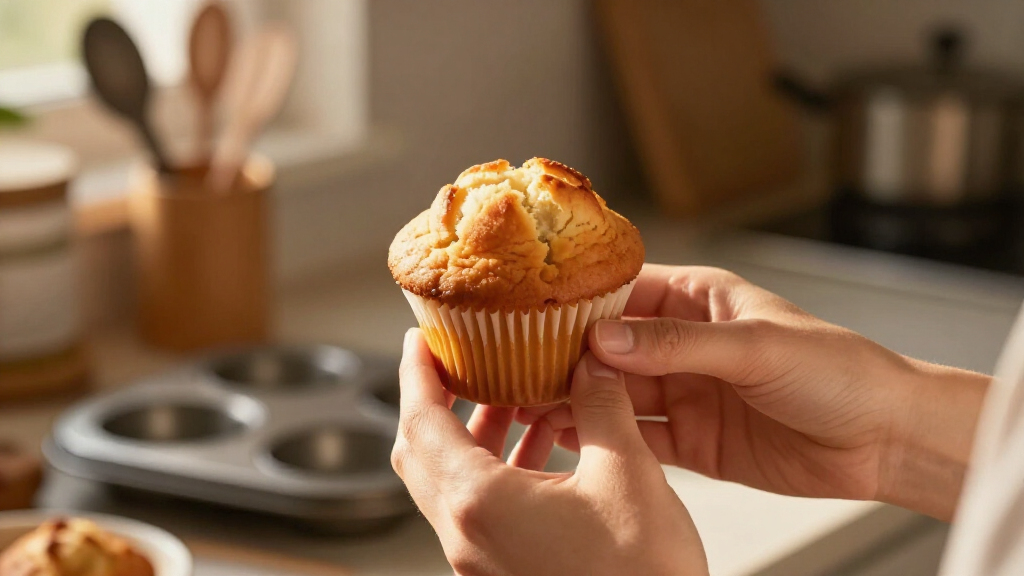
Bakery muffins often have a richer, more substantial crumb and a slightly domed top. They’re baked at the right temperature with proper ingredient ratios, giving them a professional look and feel. Think of them as the difference between a homemade loaf and a bakery baguette—small tweaks make a big impact.
For example, bakery muffins might include a splash of buttermilk, a touch more butter, or a sprinkle of coarse sugar on top for that irresistible crunch. These subtle adjustments influence texture and appearance, making the muffins more appealing and satisfying. The tradeoff is that achieving this consistency requires attention to ingredient quality and precise baking conditions, but the result is well worth the effort.
Are Healthier Muffins Just as Tender?
Absolutely. Replacing part of the flour with oats or whole wheat, reducing sugar slightly, or adding fruit and nuts can boost nutrition without sacrificing tenderness. The key is maintaining the right moisture balance and gentle mixing techniques to counteract the denser nature of whole grains.
For instance, swapping out 1/4 cup of flour for rolled oats adds fiber and texture while keeping the crumb soft. To prevent dryness, you might need to slightly increase the liquid content or incorporate moist ingredients like applesauce or yogurt. The tradeoff involves balancing nutrition with the muffin’s delicate structure; too much whole grain or dry ingredients can make them tougher, but with proper adjustments, you can have nutritious muffins that are just as tender and fluffy.
Frequently Asked Questions
How can I make my muffins more tender?
Use gentle mixing methods, incorporate moist ingredients like yogurt or sour cream, and avoid overmixing to keep the crumb soft and airy.What’s the secret to bakery-style muffins?
Proper ingredient ratios, gentle mixing, and baking at the right temperature are key for that perfect rise and tender crumb.Can I make muffins healthier without losing tenderness?
Yes, swap some flour for oats or whole grains, reduce sugar slightly, and add nutritious ingredients like nuts or fruit—all while maintaining proper moisture and mixing techniques.Why are my muffins dense or dry?
Overmixing batter, overbaking, or using too much flour can cause dryness and density. Stick to mixing until just combined and keep an eye on baking time.How do I get muffins to rise evenly?
Use fresh leavening agents, fill muffin cups appropriately, and avoid opening the oven door early to prevent collapsing.Conclusion
Making bakery-style muffins at home isn’t magic—it’s about understanding and controlling a few key steps. With the right ingredient ratios, gentle handling, and precise baking, you can turn simple batter into muffins that look, taste, and feel like they came from a bakery.
Next time you mix batter, remember: less is more when it comes to stirring. Focus on moisture, temperature, and patience. That’s your secret to tender, irresistible muffins every time.