
TL;DR
The stretch-and-fold method is a gentle, effective alternative to kneading, especially for high-hydration doughs. It improves gluten development, crumb structure, and requires less effort, making it ideal for both home bakers and artisans.
The stretch-and-fold technique offers a gentle, effective way to develop gluten, especially in high-hydration doughs.
Performing 3-4 sets of folds at 30-minute intervals over 2-4 hours produces a resilient, elastic dough with better oven spring.
This method reduces physical effort and is perfect for rustic, sourdough, or sticky doughs where traditional kneading struggles.
Look for a smooth, elastic texture and the windowpane test to know when your dough is ready to shape.
Incorporating stretch-and-folds can elevate your baking game, yielding bread with an airy crumb and crisp crust.
What Exactly Is the Stretch-and-Fold Technique? How It Develops Gluten Gently
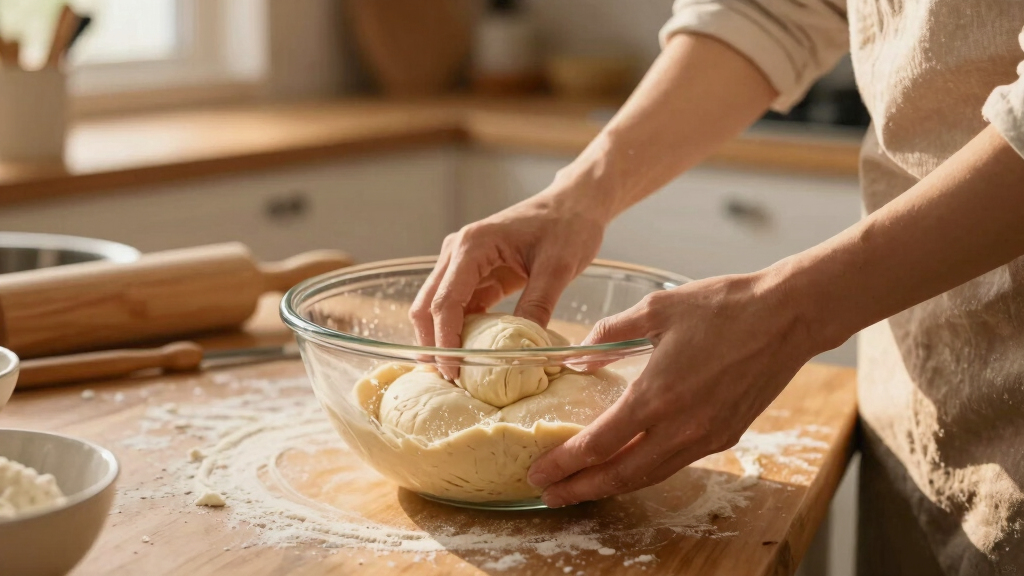
Stretch-and-fold is a simple, rhythmic process of gently elongating the dough and folding it over itself. Instead of vigorous kneading, you perform a series of soft stretches and folds during fermentation. This method encourages gluten formation without tearing delicate gluten strands, which is crucial for high-hydration doughs.
Imagine gently pulling a sticky, elastic tangle of dough outward, then folding it back over itself like a soft pillow. This process is repeated every 30 minutes to an hour during bulk fermentation. Over a few hours, the dough becomes increasingly elastic and strong, with a beautifully airy structure. This gentle handling allows gluten to develop gradually, reducing the risk of overworking the dough, which can lead to a dense or tough crumb. The implications are significant: bakers can achieve a well-developed gluten network without the stress and fatigue associated with traditional kneading, especially in high-hydration or sticky doughs where over-kneading can cause tearing or deflation.
As an affiliate, we earn on qualifying purchases.
Why Bakers Swear by It: Key Benefits of the Stretch-and-Fold Method
The stretch-and-fold technique offers several advantages over traditional kneading, with deep implications for bread quality and baking ease:
- Gentler gluten development minimizes tearing and overworking gluten strands, which can compromise dough structure. This gentleness allows gluten networks to form more naturally, resulting in a more resilient and extensible dough that can trap more gas, leading to a better rise.
- Enhanced dough elasticity and strength means the dough can stretch and hold gas better, which translates into a lighter, more open crumb and greater oven spring. This is especially vital for artisan-style loaves where open crumb and height are prized.
- Reduced physical effort makes it accessible for bakers of varying strength levels and reduces fatigue, encouraging more consistent practice and better results over time.
- Optimal for high-hydration doughs: Sticky, wet doughs are notoriously difficult to knead by traditional methods. The stretch-and-fold approach allows for gluten development without the mess and difficulty, making it easier to handle doughs that are 70% hydration or higher. This results in doughs that are more cohesive, easier to shape, and produce superior texture.
For example, a baker working with a 70% hydration sourdough notices that after several rounds of gentle stretch-and-folds, the dough not only becomes smoother and more elastic but also develops a more complex flavor profile through better fermentation. These benefits are interconnected: better gluten structure supports improved fermentation, which in turn enhances flavor and texture.
As an affiliate, we earn on qualifying purchases.
How to Perform Your First Stretch-and-Fold in 4 Easy Steps
- Prepare your dough: Mix ingredients until just combined. Let it rest for 20-30 minutes to allow gluten to start forming, which makes stretching easier.
- Stretch: Gently lift the dough from the edges, stretching it outward without tearing. Aim for a thin, elastic membrane that can stretch without resistance — this indicates gluten strands are well-developed.
- Fold: Fold the stretched dough over itself, pressing down lightly to seal and redistribute the gluten network evenly. This folding helps align gluten strands and strengthens the dough’s structure.
- Rest and repeat: Cover the bowl and let it rest for 30 minutes. Repeat this process 2-3 more times over the next 2-4 hours, depending on dough type and fermentation schedule. Each cycle enhances gluten strength and dough resilience, which are essential for a good rise and crumb.
Imagine performing these steps in your kitchen, each stretch revealing a dough that feels more like a lively, resilient mass. The gentle tension allows gluten to develop gradually and uniformly, avoiding the tearing or overworking common in vigorous kneading. This method not only results in a superior loaf but also makes the process more forgiving for beginners, as you can monitor dough elasticity and adjust accordingly.
As an affiliate, we earn on qualifying purchases.
Compare the Old and New: Kneading vs. Stretch-and-Fold in a Side-by-Side Table
| Feature | Kneading | Stretch-and-Fold |
|---|---|---|
| Method | Vigorous pushing and folding, often 10+ minutes | |
| Gentleness | Can tear gluten strands if overdone, risking dense crumb or deflation | |
| Hydration suitability | Less effective for high-hydration doughs due to stickiness and difficulty in handling | |
| Time required | Continuous effort, usually 10-15 minutes, sometimes longer for thorough kneading | |
| Physical effort | High, especially for large batches or stiff doughs, leading to fatigue | |
| Effect on gluten | Develops gluten quickly but risks tearing if overdone, which can weaken the structure | |
| Ease of learning | Moderate to difficult for beginners, as proper technique takes practice |

Sourdough Proofing Basket Gift Set, 9" Round and 10" Oval Banneton Bread Baking Supplies, Sourdough Baskets with Bread Lame, Danish Whish, Bowl Scraper, Sourdough Scraper, and Linen Liner
- Complete Baking Gift Set: Includes baskets, lame, scrapers, and liners
- 9-inch Round & 10-inch Oval: Two sizes for versatile proofing needs
- High-Quality Rattan Material: Smooth, splinter-free, non-stick, durable
As an affiliate, we earn on qualifying purchases.
As an affiliate, we earn on qualifying purchases.
When and Why You Should Switch to Stretch-and-Fold for Better Bread
If your dough is sticky, high hydration, or you want a lighter, more open crumb, then the stretch-and-fold method is your best ally. It nurtures gluten development gradually, avoiding overworking or tearing delicate gluten strands, which can happen with vigorous kneading. This gentle approach is especially effective for sourdoughs and rustic loaves where the gluten network’s integrity is crucial for achieving that airy, open crumb and good oven spring. Additionally, it aligns well with a relaxed baking schedule, as it requires less continuous effort and allows for more flexible timing. The repeated gentle folds help develop gluten strength over time, resulting in a dough that is both resilient and capable of trapping gases efficiently, leading to a superior rise.
Imagine waking up, mixing your ingredients, and then performing a few gentle folds every half hour. By the time you’re ready to shape, your dough will feel lively, elastic, and ready to produce a bakery-quality loaf. The technique’s adaptability makes it ideal for home bakers seeking consistent, high-quality results without the physical strain of traditional kneading.
What Signs Tell You Your Dough Is Ready for Shaping
The dough should be smooth, elastic, and slightly tacky but not overly sticky. A good test is the ‘windowpane’—stretch a small piece of dough thin enough to see light through without tearing. If it passes, your gluten is well-developed, and it’s time to shape. Recognizing the right moment is crucial because underdeveloped dough can lead to poor oven spring and dense crumb, while overworked dough may become tough and resistant to shaping. The windowpane test helps you gauge gluten strength visually and tactilely, ensuring you don’t rush or delay shaping. Over time, you’ll learn to feel the dough’s resilience and elasticity, which are more reliable indicators of readiness than time alone. This awareness allows you to fine-tune your process, leading to consistently better loaves with the desired open crumb and structure.
For instance, after 3-4 rounds of stretch-and-folds, a baker notices the dough feels bouncy and stretches easily without tearing—indicating perfect readiness for shaping. This subtle understanding of dough texture is what elevates home baking to artisan levels, as it ensures each loaf is shaped at its peak gluten development.