
TL;DR
Whole wheat bread often ends up dense and dry due to improper hydration, fermentation, or kneading. Using techniques like longer fermentation, vital wheat gluten, and steam baking can transform it into a soft, airy loaf. Recent methods like sourdough and enzymatic additives make this easier than ever.
Nothing beats the smell of warm, freshly baked bread filling your kitchen. Yet, many home bakers often stumble when making whole wheat bread—ending up with a loaf that’s dense, dry, and heavy. That’s frustrating, especially when you want a healthy, hearty bread without sacrificing softness.
In this guide, you’ll learn practical, proven techniques to turn that heavy brick into a light, moist loaf. We’ll cover everything from ingredient tweaks to modern fermentation tricks—no hype, just real-world advice that works in your own kitchen.
Proper hydration (around 75-80%) is key to moist, airy whole wheat bread.
Adding vital wheat gluten can boost elasticity, making the crumb lighter.
Long fermentation, especially with sourdough, naturally improves texture and flavor.
Using steam during baking softens the crust and helps bread expand fully.
Experimentation with ingredients and techniques leads to perfect, non-heavy loaves.
What Makes Whole Wheat Bread Heavy and Dry—and How to Fix It
Whole wheat bread becomes dense and dry mainly because of how it interacts with water and gluten. Bran and germ in the flour cut through gluten strands, making the dough less elastic and more prone to dryness. If the dough isn’t hydrated enough or proofed properly, the bread won’t rise well, ending up compact and crumbly.
To fix this, focus on increasing hydration—think 70-80% water-to-flour ratio—and give the dough enough time to ferment. This slow fermentation helps develop gluten naturally and improves moisture retention, resulting in a softer, lighter crumb. It’s important to understand that higher hydration can make dough stickier and more challenging to handle, but this tradeoff is essential for moisture and volume. Proper fermentation not only develops flavor but also allows gluten strands to strengthen gradually, creating a resilient network that traps gases efficiently. Without this process, the loaf remains dense because the gluten hasn’t fully developed to support proper rise and structure.

ERNEY Dehydrated Whole Wheat Sourdough Starter for Bread Making – Perfect Rise Whole Wheat Sourdough Bread Flour with Instruction – Versatile Homemade Pastry Flour Perfect for Artisan Loaf Pizza Muffins – 1 pack
UNLOCK THE JOY of bread baking through the instructional eBook included in our whole wheat sourdough starter. Each…
As an affiliate, we earn on qualifying purchases.
As an affiliate, we earn on qualifying purchases.
5 Simple Tricks to Make Whole Wheat Bread Lighter and Softer
- Add Vital Wheat Gluten—a small amount (about 1-2 tablespoons per cup of flour) boosts gluten development, improving elasticity and air pockets. This is especially helpful with whole wheat flour, which naturally has less gluten than white flour. By enhancing gluten structure, the dough can trap more gas during fermentation, leading to a lighter, more open crumb. However, too much gluten can make the bread tough, so balance is key.
- Use a Longer, Slower Fermentation—preferably with a sourdough starter or preferment that develops flavor and structure over 12-24 hours. This slow fermentation allows enzymes to break down complex fibers and proteins, making the dough more extensible and easier to rise. It also creates byproducts that improve moisture retention and flavor complexity. Although it requires planning, this process results in a loaf that is not only lighter but also richer in flavor and easier to digest.
- Incorporate Autolyse—rest the flour and water mixture for 20-30 minutes before kneading. This step enhances gluten formation by allowing enzymes to begin breaking down starches and proteins, which increases dough extensibility and moisture absorption. The result is a more cohesive dough that retains water better and develops a finer crumb structure. Skipping autolyse often leads to tougher dough and less even gluten development, which can contribute to dryness and heaviness.
- Steam During Baking—placing a water pan in the oven creates a steamy environment, softening crust and helping the loaf expand fully. The steam delays crust formation, allowing the bread to rise higher and develop a tender crust, which complements the soft interior. This technique is crucial for achieving bakery-quality loaves at home, especially when baking with whole wheat flour, which tends to form a thicker crust that can inhibit expansion.
- Adjust Hydration—experiment with 75-80% water content for your flour to keep the dough moist and manageable. Whole wheat flour varies in absorbency, so understanding your specific flour’s hydration needs is vital. Higher hydration produces a more open crumb and moist texture but requires proper handling techniques like gentle folding and longer fermentation to prevent the dough from collapsing. Finding the right balance minimizes dryness and results in a softer loaf that stays moist longer.
For example, many bakers find that adding vital wheat gluten and fermenting slowly can cut the dense texture by half, making slices tender and moist. The key is understanding the underlying science—gluten development, enzyme activity, and moisture retention—and applying it thoughtfully.

Bob's Red Mill Vital Wheat Gluten Flour, 20oz (Pack of 1) – Vegan, Keto Friendly, Kosher
BOOSTS HOMEMADE BREAD: Adding just a few tablespoons of vital wheat gluten to yeast bread recipes improves dough…
As an affiliate, we earn on qualifying purchases.
As an affiliate, we earn on qualifying purchases.
Comparison: Traditional vs. Modern Whole Wheat Bread Techniques
| Feature | Traditional Method | Modern Approach |
|---|---|---|
| Hydration Level | 55-65% | 70-80% |
| Fermentation Time | 1-2 hours | 12-24 hours with preferment or sourdough |
| Kneading | Standard kneading | Extended with autolyse or minimal kneading, plus gluten boost |
| Crust Management | Standard baking | Steam baking to soften crust and improve crumb |

Nuwave Combi Steam Oven, Non-Toxic Stainless Steel Multi-Cooker with Air Fry, Sous Vide, Toast & More, 50-450°F Precision, 120 Presets, Moisture Control, Programmable, Easy to Clean, 16 quarts
EASY GOURMET OVEN – Achieve gourmet cooking with ease. Simultaneously steam for juicy interiors and air fry for…
As an affiliate, we earn on qualifying purchases.
As an affiliate, we earn on qualifying purchases.
Why Sourdough Makes Whole Wheat Bread Less Heavy and More Fluffy
Sourdough fermentation isn’t just about flavor. It naturally breaks down some of the tough fibers in whole wheat, making the bread easier to digest and lighter in texture. The slow rise also allows gluten to develop fully, trapping more air and creating a softer crumb. This enzymatic activity not only improves digestibility but also enhances moisture retention, which is critical for preventing dryness in whole wheat bread. The acids produced during fermentation weaken the gluten network just enough to make dough more extensible, allowing it to rise more fully without tearing. Additionally, sourdough’s natural acidity can help preserve moisture, keeping the bread softer longer, which is especially beneficial when using dense, fiber-rich whole wheat flour.
Many bakers report that switching to a sourdough starter can reduce the density of their whole wheat loaves by nearly 30%. Plus, it adds a tangy depth that complements the nutty flavor of whole wheat perfectly, creating a more complex, satisfying eating experience.

Complete Sourdough Starter Kit, Sourdough Bread Baking Supplies, Banneton Bread Proofing Basket with Sourdough Starter Jar, 9inch Round Bread Proofing Basket, for Bread Baking
700ml Sourdough Starter Jar:Around 24 oz capacity is enough to make 2-4 sourdough loaves. You can easily add…
As an affiliate, we earn on qualifying purchases.
As an affiliate, we earn on qualifying purchases.
How to Incorporate These Tips into Your Baking Routine
Start small. Add a tablespoon of vital wheat gluten per cup of flour to boost gluten structure, which is especially vital with dense whole wheat. Mix your starter or preferment early, and give it plenty of time—preferably overnight—to ferment fully, allowing enzymes to do their work. Use a baking stone or Dutch oven to simulate bakery conditions, and don’t forget the steam to soften crust and encourage expansion. Remember, each flour behaves differently; some absorb more water than others, so adjust hydration gradually and observe the dough’s response.
Be patient. Keep detailed notes on your process, including hydration levels, fermentation times, and oven conditions. This record-keeping helps identify the best settings for your specific ingredients and equipment. Over time, these incremental adjustments will lead to consistently lighter, moister loaves that are a joy to slice and enjoy, far from the dense, dry bread many are accustomed to.
Frequently Asked Questions
Why is my whole wheat bread so dense and dry?
Common reasons include insufficient hydration, under-proofing, or over-kneading. Using fresh, high-quality flour and adjusting water content can help create a lighter, moister loaf.
How can I make my whole wheat bread softer and lighter?
Extend fermentation time, add vital wheat gluten, and incorporate steam during baking. These steps improve gluten development and moisture retention, resulting in a fluffier crumb.
Can I just swap white flour for whole wheat in my favorite recipe?
Not quite. Whole wheat absorbs more water and affects dough elasticity. You’ll need to increase hydration and possibly adjust kneading and proofing times for best results.
What’s the best way to improve the texture of homemade whole wheat bread?
Use autolyse, incorporate vital wheat gluten, ferment slowly, and bake with steam. These techniques collectively help produce a soft, airy loaf.
Does the type of whole wheat flour matter?
Yes. Freshly milled, stone-ground flour with a fine grind generally produces better texture. Experimenting with different brands and grind sizes can also help find your ideal loaf.
Conclusion
Making whole wheat bread that’s light and moist isn’t magic—it’s science and technique working together. With a few adjustments, you can turn dense bricks into tender, flavorful slices that make every sandwich a treat. The next time you bake, remember: hydration, patience, and steam are your best friends.
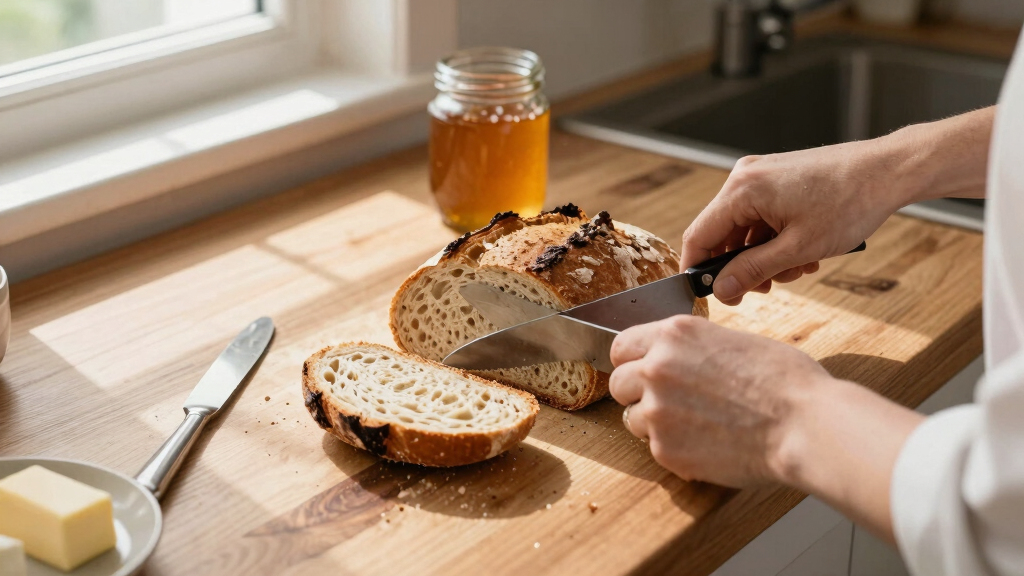
Imagine slicing into a warm loaf, the soft crumb giving way under your knife, releasing that nutty aroma. That’s the joy of mastering these tricks. Your perfect whole wheat bread is just a bake away.