TL;DR
This guide explains how to convert between metric and imperial measurements in baking. Using weight over volume, digital scales, and reliable tools can boost your accuracy and consistency.
Always weigh ingredients when possible for consistent baking results.
Use ingredient-specific conversion charts or scales instead of generic assumptions.
Digital scales are affordable and cost-effective, making precise measurement easy.
Be aware of regional differences in cup sizes to avoid miscalculations.
Embrace technology—apps and online tools simplify conversions and improve accuracy.
Why Precision Matters More Than You Think
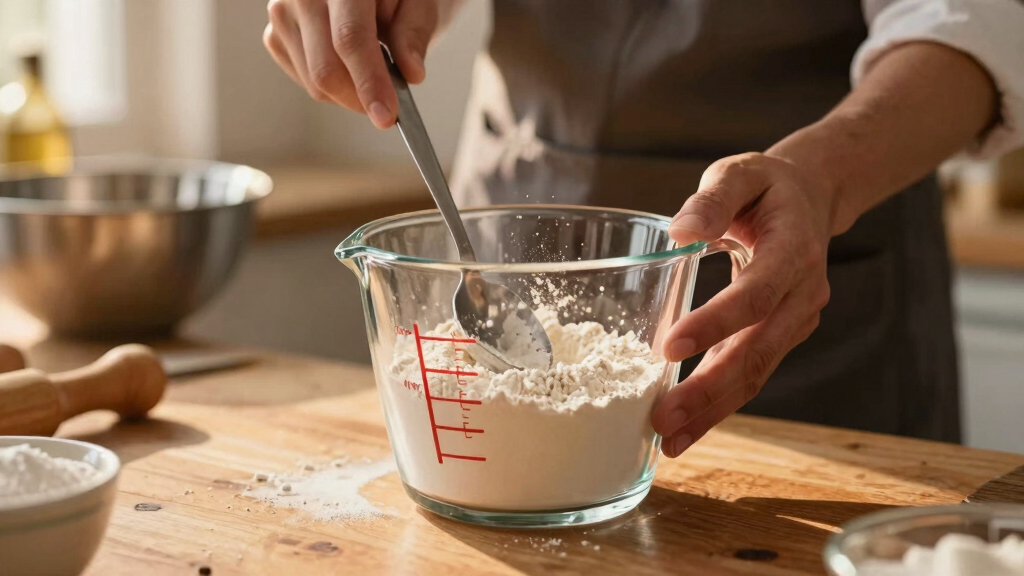
In baking, your ingredients are like building blocks—tiny differences can cause big shifts. Using accurate measurements ensures your bread rises just right, your cookies spread perfectly, and your cakes have the right crumb. For example, 120 grams of flour versus a loosely packed cup can mean the difference between a dense loaf and an airy one. More bakeries and pros now prefer weighing ingredients, because it’s precise, reliable, and less affected by how ingredients are packed or scooped.
Think of it this way: a mismeasured teaspoon of baking soda can make your muffins taste metallic or fall flat. When you measure by weight, you eliminate guesswork—every spoonful or cup is consistent, no matter who’s baking or where.

Etekcity Food Kitchen Scale, Digital Grams and Ounces for Weight Loss, Baking, Cooking, Keto and Meal Prep, LCD Display, Medium, 304 Stainless Steel
𝗘𝗳𝗳𝗼𝗿𝘁𝗹𝗲𝘀𝘀 𝗪𝗲𝗶𝗴𝗵𝗶𝗻𝗴: Supports 5 units (oz/lb:oz/fl'oz/g/mL), tare function, and includes 2 AAA batteries for hassle-free operation
As an affiliate, we earn on qualifying purchases.
As an affiliate, we earn on qualifying purchases.
How to Convert from Cups to Grams (And Why It Matters)
Converting cups to grams isn’t just about multiplying by a number. It depends on the ingredient—flour, sugar, butter—they all have different weights per volume. For example, 1 cup of all-purpose flour weighs about 120 grams, while 1 cup of granulated sugar weighs roughly 200 grams. To make your life easier, keep a small cheat sheet in your kitchen for common conversions.
Here’s a quick guide:
- Flour: 1 cup ≈ 120g
- Sugar: 1 cup ≈ 200g
- Butter: 1 cup ≈ 227g
If you bake often, a digital scale is your best friend. Place your bowl on it, tare it, and add ingredients directly—no more guesswork, no more inconsistent results.

Kitchen Conversion Chart Magnet for Refrigerator, Stainless Steel Baking Ingredients Measurements for Baker, Vintage Kitchen Accessories Gadgets
Package Includes: 1 stainless steel metric conversion chart with a size of 11”X7.2”, 1 Adhesive Magnetic Sheets for…
As an affiliate, we earn on qualifying purchases.
As an affiliate, we earn on qualifying purchases.
Compare: Metric and Imperial Measurements Side-by-Side
| Measurement Type | Imperial (US) | Metric |
|---|---|---|
| 1 cup | ≈ 8 fl oz | ≈ 240 ml |
| 1 oz | ≈ 28.35 g | Exact 28.35 g |
| 1 lb | 16 oz | ≈ 453.6 g |
| 1 tbsp | ≈ 0.5 fl oz | ≈ 15 ml |
| 1 tsp | ≈ 0.17 fl oz | ≈ 5 ml |
Notice how volume measurements like cups vary slightly depending on system, but weight measurements like ounces are consistent. This difference explains why weighing ingredients often leads to more predictable baking outcomes.

Magnetic Measurement Conversion Chart | Imperial & Metric Rulers, Measurement Tables | 10.5” x 8.5”| Made in USA
🧲 STRONG MAGNET: An essential tool for DIY enthusiasts, crafters, or anyone who frequently toggles between metric and…
As an affiliate, we earn on qualifying purchases.
As an affiliate, we earn on qualifying purchases.
Why Digital Scales Are Your Baking Superpower
Using a digital kitchen scale transforms your baking routine. It makes conversions instant, accurate, and simple. Imagine weighing 250 grams of flour directly into your bowl—no scooping, no packing, just pure precision. According to recent trends, more bakers are shifting toward weight-based recipes because scales remove the guesswork that spoons and cups introduce.
Plus, digital scales are fast, easy to clean, and can measure in grams or ounces, giving you flexibility. For example, if a recipe calls for 150 grams of butter, you can weigh it directly from the stick, ensuring perfect melt-in-your-mouth texture every time.

CYBERGIANT 13lb/0.1g Precision Digital Food Scale – Meal Prep Kitchen Baking & Espresso Coffee – Gram Scale with Stainless Steel Platform & LCD Display
PRECISE MEASUREMENT: Easily track your food portions with this digital weight scale for food, perfect for meal prep…
As an affiliate, we earn on qualifying purchases.
As an affiliate, we earn on qualifying purchases.
Common Conversion Mistakes (And How to Avoid Them)
Ever tried converting a recipe and ended up with dense, flat, or overly crumbly baked goods? That’s often because of simple errors. Here are common pitfalls:
- Using volume measurements for ingredients that vary in density (like flour or cocoa powder).
- Ignoring ingredient-specific conversion factors.
- Not accounting for differences in cup sizes between countries.
To avoid these, always double-check your conversion tools, prefer weighing ingredients, and use the correct cup standard. For example, a UK cup is slightly larger than a US cup, which can throw off your recipe if you’re not careful.
Best Tools and Apps for Easy Conversions
Technology makes conversions much simpler. Here are some favorites:
- Digital kitchen scales: Accurate, versatile, and essential for weight-based baking.
- Conversion apps: Apps like Baking Converter or Measure Master give instant, reliable conversions for cups, grams, and ounces.
- Online calculators: Websites like ConvertMe or Google’s built-in converter help when you’re in a pinch.
For example, if you have a recipe in cups but only have grams, a quick app conversion can save you from guessing. Keep your favorite tools handy for smoother baking sessions.