TL;DR
When swapping pans, calculate the surface area and volume to adjust ingredient amounts and baking time. Using tools like pan size calculators makes this process easier, ensuring your baked goods turn out just right, no matter the pan.
Always calculate and compare surface area or volume before swapping pans.
Adjust baking time based on batter depth—shallower bakes faster, deeper takes longer.
Scale ingredients proportionally to ensure your recipe fits the new pan without over- or under-baking.
Monitor your bake closely—use toothpicks and oven thermometers as your guides.
Material and shape matter—know how your pans conduct heat and affect baking times.
Know Your Pan’s Volume and Surface Area — The Foundation of a Good Swap
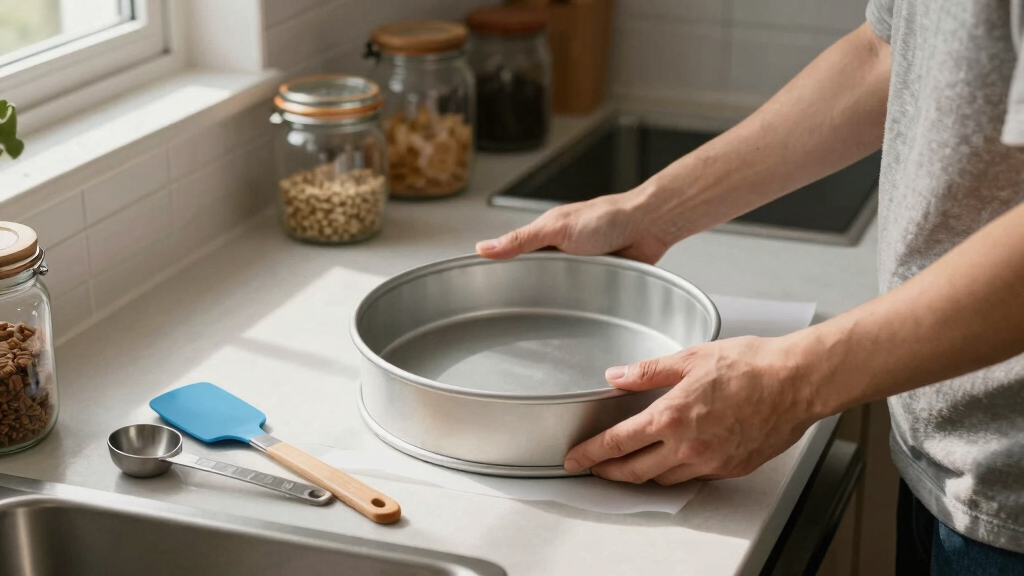
Understanding your pan’s size starts with knowing its volume (how much batter it holds) and surface area (the top opening). For example, a standard 9-inch round cake pan has a diameter of 9 inches and a height of 2.5 inches, giving it about 63.6 square inches of surface. If you switch to a 10-inch pan, that surface area jumps to 78.5 square inches—a noticeable difference.
Knowing these numbers helps you decide whether to scale your ingredients, split batter into multiple pans, or adjust baking time. A quick trick? Calculate the surface area of both pans. For round pans, use π x (radius)^2. For rectangular pans, multiply length by width. This simple step keeps your bake consistent and avoids surprises.
Why does this matter? Because the surface area impacts how quickly heat reaches your batter’s surface. Larger surface areas mean more exposure to heat, which can cause over-baking or burning if unadjusted. Conversely, smaller pans with less surface area may require longer baking to ensure the center is cooked through. Understanding these differences guides you in making smarter adjustments and prevents common pitfalls like undercooked centers or burnt edges.
pan size calculator
As an affiliate, we earn on qualifying purchases.
As an affiliate, we earn on qualifying purchases.
How to Adjust Baking Time When Switching Pan Sizes
Adjusting baking time is crucial because the thickness of your batter layer directly influences how long it needs in the oven. A larger pan with a shallower batter layer allows heat to penetrate more quickly, reducing baking time. Conversely, a smaller, deeper pan traps heat differently, often requiring extra time. For example, if your original recipe bakes in 30 minutes in a 9-inch pan, switching to a 10-inch pan with a thinner batter layer might mean reducing the time to around 25 minutes. On the other hand, using a smaller pan with a deeper batter could necessitate adding 5-10 minutes.
Why is this important? Because overbaking can dry out your baked goods, while underbaking leaves them raw or gooey. Proper adjustment ensures moist, evenly baked results. Always check for doneness with a toothpick or cake tester—these are your best indicators. Remember, oven temperature generally remains the same unless your pan material conducts heat differently, which can also affect baking time and outcome.
Tradeoffs exist: If you cut the baking time too much, you risk undercooking the center; if you overcompensate, you might dry out the edges. The key is to monitor your bake closely and use visual cues along with testing for doneness. Small adjustments based on the pan size and depth can make a big difference in achieving a perfect bake every time.
baking pan size conversion chart
As an affiliate, we earn on qualifying purchases.
As an affiliate, we earn on qualifying purchases.
How to Scale Your Ingredients for Different Pan Sizes
Scaling your recipe accurately involves understanding the relationship between the original and new pan sizes—specifically, their surface areas or volumes. For instance, if your original recipe is designed for a 9-inch pan with a surface area of 63.6 sq in, and you’re switching to a 12-inch pan with a surface area of 113.1 sq in, dividing 113.1 by 63.6 gives approximately 1.78. This means you need about 78% more batter to fill the larger pan adequately, avoiding problems like uneven rising or dry edges.
This ratio-based approach helps prevent common issues like under- or over-filling, which can lead to uneven baking, cracks, or overflowing. Proper scaling ensures the batter’s thickness remains consistent, which is essential for uniform heat distribution. Remember, simply doubling ingredients isn’t always necessary or ideal—adjust based on the actual size difference, and consider making small incremental increases if you’re unsure. This way, you maintain control over the batter’s consistency and the final texture of your baked good.
Why does this matter? Because precise scaling preserves the recipe’s integrity, ensuring your baked item turns out as intended regardless of pan changes. It also saves you from wasting ingredients or ending up with a ruined bake due to improper proportions.

Qualtex Premium Quality Multi Size Foldaway Cake Tin Pan Baking Storage
Bake any oblong or square cake from 1" to 12" (3 to 30cm). The catering quality, anodised alloy…
As an affiliate, we earn on qualifying purchases.
As an affiliate, we earn on qualifying purchases.
Common Mistakes When Substituting Pans — And How to Avoid Them
One of the biggest pitfalls is overfilling or underfilling the pan. Overfilling causes batter to spill over during baking, which can lead to burnt edges and a messy oven. Underfilling, however, can result in uneven baking—dry edges with a wet center or a cake that doesn’t rise properly. For example, filling a 10-inch pan only halfway might produce a flat, dense cake because the batter isn’t enough to generate proper rise, while overfilling a small pan can cause overflow or cracks.
Another common mistake is ignoring material differences. Glass pans heat differently than metal—glass pans insulate, leading to longer baking times and potentially uneven results. Similarly, silicone pans may require temperature adjustments. Failing to consider the depth of your batter also impacts the outcome; too shallow a layer bakes quickly and can dry out, while too deep can cause raw centers and sinking.
To avoid these issues:
- Always measure your batter and adjust quantities accordingly to prevent over- or underfilling.
- Monitor your bake carefully, especially at the original recipe’s recommended time, to catch signs of doneness or overbaking early.
- Use an oven thermometer to ensure consistent oven temperature, as hot spots and inaccurate readings can distort results.
- Consider material properties and adjust baking times if using different pan types.
By paying attention to these details, you’ll prevent common pitfalls and achieve consistently beautiful, evenly baked goods, no matter what pan you use.
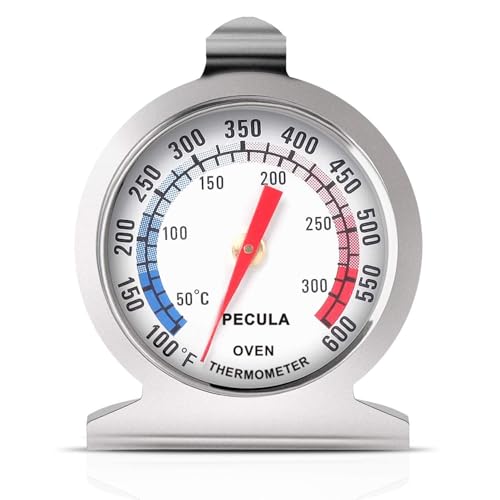
Stainless Steel Oven Thermometer 50-300°C/100-600°F, Analog Instant Read, Battery-Free Kitchen Cooking Thermometer, Hook & Stand Design Food Thermometer for Oven, Grill, Smoker, Fryer
Clear Dial Display: PECULA's analog oven thermometer delivers precise, instant readings from 50–300°C / 100–600°F. Its dial features…
As an affiliate, we earn on qualifying purchases.
As an affiliate, we earn on qualifying purchases.