TL;DR
Resting batter and dough lets gluten relax, flour hydrate, and flavors develop. This simple step improves texture, taste, and workability, leading to bakery-quality results at home.
Ever noticed how a freshly mixed batter or dough feels different after resting? It’s not just about patience—resting unlocks real improvements in your baked goods. Whether you’re making bread, pastry, or cookies, this simple step can transform your results from okay to bakery-level.
In this guide, you’ll learn exactly what resting does, why it matters, and how to use it to your advantage. Get ready for a more flavorful, easier-to-shape, and better-textured bake every time.
Rest gluten develops and relaxes, making dough easier to shape and less elastic.
Flavor deepens during resting, especially in yeast-based recipes, creating richer baked goods.
Hydration improves, leading to better crumb structure and handling.
Timing matters—avoid over-resting, which can weaken gluten structure.
Resting benefits gluten-free and pastry doughs, enhancing texture and ease of shaping.
The quiet step that changes the whole bake.
Resting batter and dough lets gluten relax, flour hydrate, and flavor deepen. The result is easier handling, a more even crumb, and a finish that feels less rushed and more bakery-level.
At least 30 minutes can make dough less elastic, easier to shape, and noticeably more tender.
Major changes happen while dough waits: gluten relaxes, flour absorbs liquid, and flavors develop.
Cold fermentation can build deeper flavor and better crust in pizza, sourdough, and artisan bread.
What Resting Actually Does
A pause with three practical payoffs.
Resting is not idle time. It is a controlled reset for structure, moisture, and flavor, especially after mixing or kneading has tightened the dough.
Gluten relaxes
Freshly worked gluten can feel tight and springy. A rest lets the network unwind, making dough easier to roll, stretch, and shape without tearing.
Flour hydrates
Flour needs time to absorb liquid evenly. Hydration improves cohesion, reduces stickiness, and supports a finer, more consistent crumb.
Fermentation builds taste
In yeast doughs, time allows organic acids, alcohols, and aroma compounds to develop, creating richer flavor and better browning potential.
Step By Step

Beautiful Linen Cotton Blend Bowl Covers for Bread Proofing – Reusable Set of 3 in Varying Sizes Easily Fit Your Bowls 7" to 13" – Durable Fabric Covers, Ideal Sourdough Bread Baking Accessories
Reusable Convenience You’ll Love: KIBAGA’s set of 3 reusable bowl covers for bread proofing makes eco-friendly living effortless…
As an affiliate, we earn on qualifying purchases.
As an affiliate, we earn on qualifying purchases.
From mixed to bake-ready.
The best rest depends on the recipe, but the underlying pattern is consistent: mix, pause, judge the feel, then shape or bake.
Mix
Combine flour and liquid until no dry pockets remain. Gluten begins forming and starches start absorbing moisture.
Cover
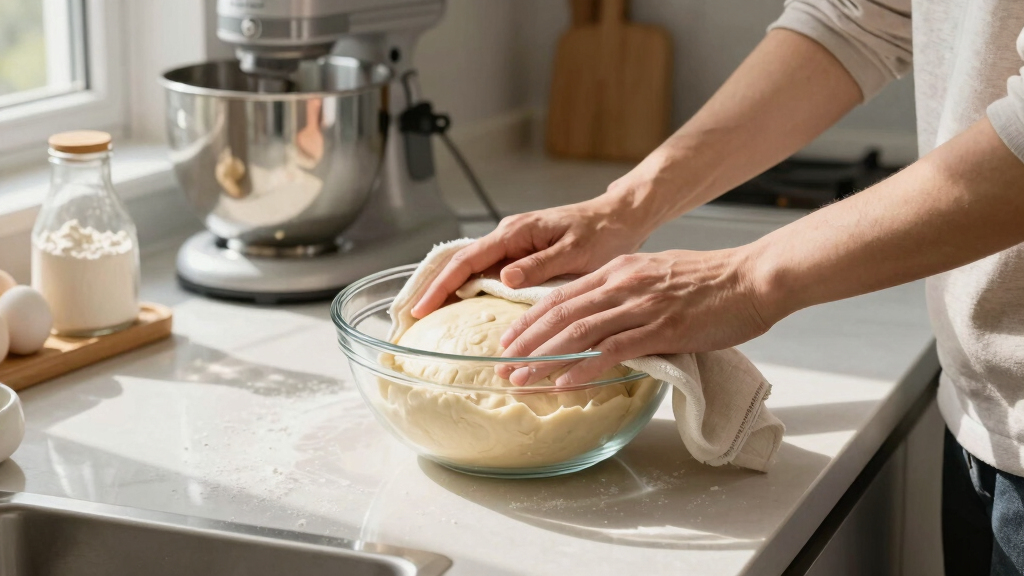
Keep the surface protected so it does not dry out, crust over, or form tough edges before shaping.
Rest
Let relaxation, hydration, and fermentation do their work. Use the recipe timing as the starting point.
Shape
Proceed when the dough feels smoother, less resistant, and easier to handle without collapsing or tearing.
Rested vs. Rushed

Ecavria Bench Scraper, Premium Stainless Steel Dough Scraper with 2 PCS Flexible Bowl Scraper, Dough Cutter with Measuring Scale, Versatile Kitchen Scraper Set for Pastry Bread Pizza Cake
[PRACTICAL SCRAPER SET]: Ecavria kitchen scraper set contains 1 pc 6.6*4.7 inches stainless steel bench scraper and 2…
As an affiliate, we earn on qualifying purchases.
As an affiliate, we earn on qualifying purchases.
The comparison you can taste and feel.
Skipping the rest often creates more resistance at the bench and a less satisfying finished texture. Rested dough usually gives you more control.
| Feature | Rested Dough | Unrested Dough | Practical Result |
|---|---|---|---|
| Texture | ✓ Tender, airy, even crumb | ✗ Tougher, denser, uneven crumb | Better bite and more reliable structure. |
| Flavor | ✓ Richer and more complex | ~ Less developed | Fermentation and ingredient melding add depth. |
| Handling | ✓ Easier to shape, less elastic | ✗ Sticky or resistant | Rolling, stretching, and cutting become cleaner. |
| Pastry Finish | ✓ Flakier with less shrinkage | ✗ Greasy, torn, or tough | Cold butter pockets create steam and layers. |
Timing Map

Sourdough Proofing Basket Gift Set, 9" Round and 10" Oval Banneton Bread Baking Supplies, Sourdough Baskets with Bread Lame, Danish Whish, Bowl Scraper, Sourdough Scraper, and Linen Liner
What You Get: 1 9-inch round banneton bread proofing basket , 1 10-inch oval proofing basket, 2 liners,…
As an affiliate, we earn on qualifying purchases.
As an affiliate, we earn on qualifying purchases.
Match the rest to the bake.
There is no single perfect rest. Pancake batter, pie crust, bread dough, sourdough, and gluten-free dough all need different pauses for different reasons.
The useful zone sits between rushed and over-rested.
Mistakes To Avoid

Etekcity Food Kitchen Scale, Digital Grams and Ounces for Weight Loss, Baking, Cooking, Keto and Meal Prep, LCD Display, Medium, 304 Stainless Steel
𝗘𝗳𝗳𝗼𝗿𝘁𝗹𝗲𝘀𝘀 𝗪𝗲𝗶𝗴𝗵𝗶𝗻𝗴: Supports 5 units (oz/lb:oz/fl'oz/g/mL), tare function, and includes 2 AAA batteries for hassle-free operation
As an affiliate, we earn on qualifying purchases.
As an affiliate, we earn on qualifying purchases.
Resting works best when it is controlled.
The goal is better structure, not abandonment. Watch time, temperature, cover, and dough feel.
Over-resting weakens structure
Very long rests can make gluten too slack, especially if dough ferments past its ideal point and loses gas-holding strength.
Dry surfaces create tough edges
Cover dough or batter during the rest. A dry skin can tear during shaping and bake into a firmer, less pleasant texture.
Room temperature is not always best
Quick rests often work on the counter, but sourdough, pizza, and some breads benefit from slow refrigeration.
Gluten-free dough benefits too
Resting hydrates alternative flours and helps activate gums or stabilizers, improving cohesion and reducing crumbliness.
Traceability
The chain from patience to better baking.
Resting connects ingredient science to practical results: easier shaping, better rise, deeper flavor, and a cleaner finished crumb.
Frequently Asked
Fast answers for better rests.
Use recipe guidance first, then adjust by feel: smoother, less sticky, less resistant, and still structured.
How long should I rest dough or batter?
Rest times range from 15 minutes for pancakes to 24 hours for sourdough or pizza. For many recipes, 30 minutes to 2 hours gives clear benefits.
Can I over-rest dough?
Yes. Over-rested dough may become slack, sticky, weak, or unable to hold its shape. Use timers and check texture as well as the clock.
Does resting help non-yeast recipes?
Absolutely. Pancake, muffin, cookie, and gluten-free batters benefit from hydration and ingredient melding even without fermentation.
Is refrigeration necessary?
Not always. Short rests can happen at room temperature, while long fermentation and pastry dough usually benefit from the fridge.
How Resting Makes Your Dough More Tender and Easy to Shape
Resting allows gluten strands to relax, which is the secret to a tender, pliable dough. Gluten, a protein network formed during kneading, can become overworked and tight, leading to tough, elastic dough that resists shaping. Resting gives these gluten strands time to unwind and settle, resulting in a softer, more extensible dough. This relaxation not only makes shaping easier but also helps produce a more uniform crumb, as the gluten network distributes evenly, reducing the formation of dense pockets or toughness. The tradeoff is that too long a rest can weaken the gluten structure excessively, causing the dough to become slack and difficult to handle, so timing is key. Understanding this balance ensures optimal texture and handling for your baked goods.
Why Resting Enhances Flavor and Texture in Baked Goods
When you rest yeast-based doughs, fermentation continues slowly, allowing yeast to produce more complex flavor compounds like organic acids and alcohols. This process deepens the flavor profile, much like aging cheese or wine, where time enhances taste and aroma. Proper resting also enables enzymes to break down starches and proteins, creating new flavor precursors and improving digestibility. In non-yeast recipes, resting allows ingredients—such as flour and liquids—to fully hydrate, which is crucial for developing a tender, moist crumb. In pancakes or muffins, this hydration leads to a more even distribution of moisture, resulting in fluffier textures. The implication is that patience during resting not only enhances flavor but also improves mouthfeel and crumb structure, making baked goods more satisfying and nuanced.
How Long Should You Rest Different Types of Dough and Batter?
- Quick Rest (15-30 minutes): Ideal for cookie dough or pancake batter to allow moisture absorption and improve handling. This short period helps ingredients meld without overdeveloping gluten, which can make baked goods tough.
- Short Fermentation (1-2 hours): Suitable for bread doughs, allowing gluten to relax and flavors to develop without over-fermentation. This window balances handling ease with flavor complexity.
- Overnight or Cold Fermentation (8-24 hours): Best for artisan bread and pizza doughs, where extended resting in the fridge allows slow fermentation, enhancing flavor, crust development, and texture. Longer resting times can also improve digestibility but may require careful monitoring to avoid over-proofing or weakening gluten structure.
Rest times should be tailored to your specific recipe and desired outcome. For example, sourdough benefits from longer cold fermentation, which intensifies flavor and develops a chewier crust, while quick doughs prioritize convenience and immediate handling.
Comparison: Resting vs. Not Resting in Baking
| Feature | Rested Dough | Unrested Dough |
|---|---|---|
| Texture | More tender, airy, and even crumb | Tougher, dense, and uneven crumb |
| Flavor | Richer, more complex | Less developed, bland |
| Handling | Easier to shape, less sticky | Sticky, difficult to work with |
Common Mistakes and How to Avoid Over-Resting
Too long resting times can cause gluten to become overly relaxed, leading to dough that is too slack and difficult to shape or hold its structure during baking. For instance, leaving bread dough in the fridge for over 24 hours might result in a flat, dense loaf because the gluten network has weakened too much. To prevent this, always follow your recipe’s recommended resting times and use visual cues—such as dough elasticity and feel—to judge readiness. Over-rested dough can also lose its ability to trap gases effectively, impacting rise and crumb. Cover your dough during resting to prevent surface drying, which can create a tough crust or dry edges that compromise texture. Recognizing the signs of over-resting and adjusting timing accordingly ensures optimal results.
Resting in Gluten-Free Baking: Why It Matters Too
Gluten-free flours lack the gluten network that provides elasticity and stretch in traditional doughs. Resting helps hydrate these alternative flours evenly, which is crucial for improving cohesion and structure. Without gluten, baked goods can feel crumbly or dense; resting allows moisture to penetrate fully, promoting a more uniform crumb and better handling. For example, gluten-free bread dough benefits from a 30-minute rest to develop better elasticity and reduce crumbliness. Without this step, the dough may be difficult to shape and produce a less satisfying texture. Resting also helps activate gums or stabilizers added to gluten-free recipes, further enhancing the final product’s structure. This step is especially beneficial when working with grain-free or nut-based flours, which tend to absorb moisture unevenly.
How Resting in Pastry and Pie Crusts Creates Flakiness
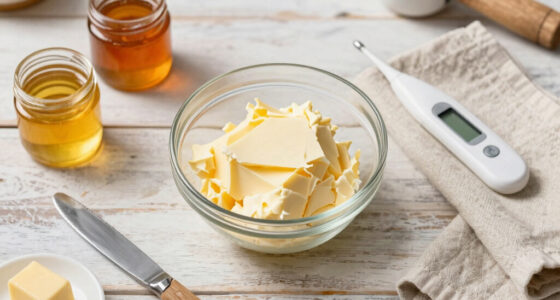
Chilled, rested pastry dough develops flaky layers because the butter solidifies and remains in distinct pockets within the flour. Resting in the fridge for at least 30 minutes allows the gluten to relax slightly, reducing shrinkage during baking. This process enables the fat to stay evenly distributed and prevents the dough from becoming tough or greasy. When you bake, the chilled butter melts and creates steam, which pushes apart the layers, forming flaky, tender crusts. Without adequate resting, the butter can become too warm or spread unevenly, resulting in a tough or greasy crust that shrinks or tears. Resting also makes the dough easier to roll out and handle, minimizing cracks or tears, and ensuring a professional-looking, perfectly flaky finish.
Frequently Asked Questions
How long should I rest my dough or batter?
Rest times vary from 15 minutes for pancakes to 24 hours for sourdough. Follow your recipe, but generally, 30 minutes to 2 hours offers noticeable benefits.
Can I over-rest my dough?
Yes. Over-resting can weaken gluten, making dough too slack and difficult to shape. Keep an eye on texture and don’t leave it too long—set timers if needed.
Does resting improve flavor in non-yeast recipes?
Absolutely. Even in non-yeast recipes, resting allows ingredients to meld and flavors to deepen, resulting in tastier baked goods.
Is refrigeration necessary for resting?
Not always. Some recipes benefit from room temperature resting, while others—like sourdough or pizza dough—do better in the fridge.
What are best practices for resting dough?
Cover your dough to prevent drying, rest in a cool place if fermentation is involved, and follow your recipe’s recommended timing for best results.
Conclusion
The simple act of resting batter or dough isn’t just a waiting game—it’s a secret weapon for better baking. It transforms tough, sticky messes into tender, flavorful masterpieces that are easier to handle and more satisfying.
Next time you mix your batter or knead your dough, give it a break. Your baked goods will thank you with improved texture, richer flavor, and a professional finish. Remember, patience in baking pays off—literally.