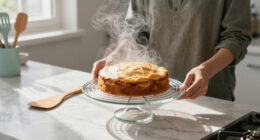
TL;DR
The creaming method involves beating butter and sugar until fluffy, creating tiny air pockets that expand during baking. Mastering this step is key to making light, airy cakes instead of bricks. Proper technique and timing make all the difference.
Have you ever bitten into a cake that’s dense and heavy, like a brick? That’s often the result of skipping or rushing the creaming step. The creaming method isn’t just a fancy technique; it’s the secret to baking light, tender cakes that practically melt in your mouth.
In this guide, you’ll learn exactly what makes creaming so powerful, how to do it right, and what common mistakes to avoid. Whether you’re making a classic butter cake or experimenting with healthier ingredients, mastering this step lifts your baking from good to extraordinary.
Master the creaming method by softening butter and beating with sugar for 3-5 minutes until pale and fluffy.
Proper creaming traps tiny air pockets, which expand during baking, giving your cake its lift and tenderness.
Avoid over- or under-creaming: both lead to dense, heavy cakes. Watch for visual cues like volume increase and color change.
Using superfine sugar dissolves more easily, helping create a smooth, well-incorporated batter.
Skipping or rushing creaming results in cakes that are dense, flat, or coarse. Prioritize this step for bakery-quality results.
The Creaming Method: The Step That Separates Light Cakes From Bricks
Beating softened butter with sugar is not busywork. It builds a network of tiny air pockets that expand in the oven, giving butter cakes their lift, tenderness, and fine crumb.
Fluffy batter starts before the flour ever enters the bowl.
Master the timing, temperature, and texture of creaming, and dense cakes become far less mysterious.
Butter and sugar become a built-in leavening system.
As sugar crystals cut into softened butter, the mixture traps microscopic air. During baking, those pockets expand, helping the cake rise into a tender crumb instead of compacting into a heavy slice.
Soft, not melted
Butter should bend and smear easily while still holding structure. Cold butter resists air; melted butter turns greasy.
Pale and fluffy
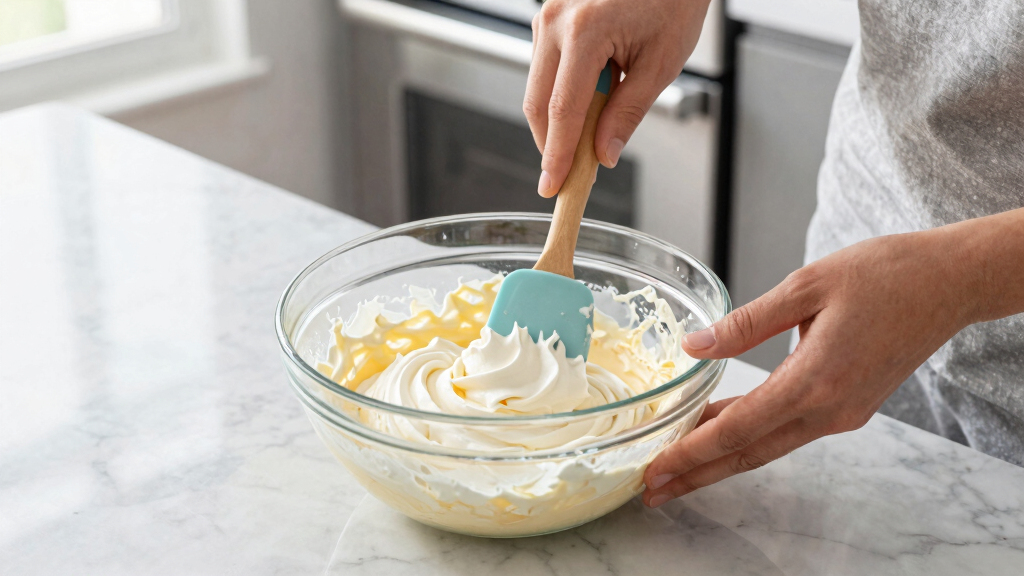
The mixture should lighten in color, expand visibly, and fall from the beaters in thick ribbons.
Finer dissolves faster
Superfine or caster sugar blends more smoothly, supporting a stable emulsion and a finer crumb.
Key insight: proper creaming can double the volume of the butter-sugar mixture, dramatically improving lightness and texture.

Rainspire XL Pastry Cutter For Baking, Heavy Duty Pastry Blender Stainless Steel, Thick Sharp Blades Dough Blender, Dough Cutter Butter Cutter Pastry for Easy Mixing, Dishwasher Safe (Black)
Ideal for Baking – Stainless steel blades easily cut butter and shortening into dry ingredients
As an affiliate, we earn on qualifying purchases.
As an affiliate, we earn on qualifying purchases.
The path from grainy butter to cake lift.
Use medium speed and visual cues together. The clock gives you a range; the bowl tells you when you have arrived.
Soften
Start with butter that is pliable and cool to the touch, never oily or melted.
Beat
Mix butter and sugar on medium speed for 3-5 minutes with steady agitation.
Verify
Stop when the mixture is pale, fluffy, doubled, and holds soft ribbons briefly.

Hamilton Beach 6-Speed Electric Hand Mixer with Whisk, Traditional Beaters, Snap-On Storage Case, 250 Watts, White
NO MORE LOST BEATERS: The snap-on storage case that comes with the Hamilton Beach hand mixer neatly holds…
As an affiliate, we earn on qualifying purchases.
As an affiliate, we earn on qualifying purchases.
What improves cake lightness most?
The creaming method depends on a few controllable factors. Timing matters, but butter temperature and sugar texture often decide whether air pockets actually form.

Superfine Caster Sugar By Medley Hills Farm in Reusable Container 2.5 lbs. – superfine sugar for baking of homemade treats, icing sugar, cakes – Product of USA
Superfine Caster Sugar Includes 2.5 lbs. of superfine sugar in Reusable container for easy storage. Caster sugar, also…
As an affiliate, we earn on qualifying purchases.
As an affiliate, we earn on qualifying purchases.
Butter wins because it can hold air.
Oil can make moist cakes, but it cannot create the same aerated butter-sugar structure. That is why classic light cakes rely on creaming.
| Feature | Butter | Oil | Texture Result |
|---|---|---|---|
| Air incorporation | ✓ High when creamed | ✗ Low during mixing | Butter supports visible lift |
| Crumb structure | ✓ Tender and fine | ~ Moist but denser | Oil tends toward heavier crumb |
| Best use | ✓ Butter cakes and pound cakes | ~ Quick breads and dense cakes | Choose based on desired texture |
| Technique tip | Use softened butter | Use chemical leavening support | Creaming is not interchangeable |

WEPSEN Hand Mixer Electric Mixing Bowls Set, 5 Speeds Handheld Mixer with 4 Nesting Stainless Steel Mixing Bowl, Measuring Cups Spoons 200W Kitchen Blender Whisk Beater Baking Supplies For Beginner
Since its launch, it has been recognized by over 100,000 users! It's the best choice for a family…
As an affiliate, we earn on qualifying purchases.
As an affiliate, we earn on qualifying purchases.
The dense-cake culprits are easy to spot.
Most creaming failures come from rushing the bowl or ignoring visual cues. Stop looking only at the recipe clock; read the mixture.
Under-creamed
- Mixture looks heavy, yellow, and grainy.
- Few air pockets form before baking.
- Cake bakes dense, flat, or coarse.
Over-creamed
- Butter becomes greasy or starts separating.
- Excess air rises fast, then collapses.
- Cake may sink, crumble, or bake unevenly.
Know the perfect creaming stage by sight.
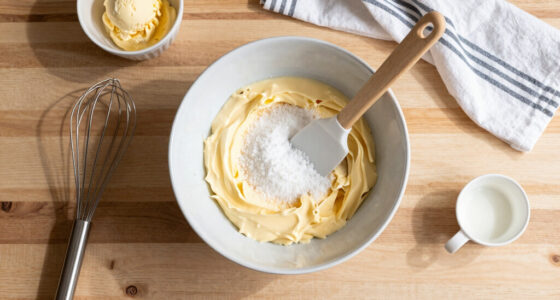
The mixture should look like a pale, airy cloud. When lifted, it should fall in thick ribbons and briefly hold shape before settling back into the bowl.
Pale color
The yellow butter shade lightens noticeably as air is incorporated throughout the mixture.
Doubled volume
The bowl looks fuller, softer, and more aerated than when butter and sugar first met.
No greasy shine
A smooth, fluffy texture means the emulsion is stable enough to support the cake structure.
Why the Creaming Method Is the Heart of Light Cakes
The creaming method is the process of beating softened butter with sugar until the mixture turns pale, fluffy, and nearly doubles in size. This simple step injects tiny air bubbles into the batter—think of it as creating a sponge of air that expands during baking.
Imagine kneading dough versus whipping egg whites. Here, the goal is similar: trap air to give your cake structure. Proper creaming ensures the batter has enough air pockets to expand during baking, which is crucial for achieving a light, airy crumb. Skipping or rushing this step means sacrificing that delicate lift, resulting in a dense, heavy cake that feels more like a brick than a cloud. The implications are significant: a well-creamed batter leads to a finer, more tender crumb, and a better rise, while poor technique can compromise flavor, texture, and appearance. Aromas Healthy Bake emphasizes that attention to detail—temperature, timing, and technique—is what separates good cakes from great ones.
How to Perfectly Cream Butter and Sugar in 3 Steps
- Start with softened butter: Make sure your butter is soft but not melted. Properly softened butter has a smooth, malleable consistency that allows for even incorporation of sugar, creating a uniform, fluffy mixture. If the butter is too cold, it resists mixing and traps fewer air pockets, leading to a denser cake. Conversely, if it’s too warm or melted, it can cause the mixture to become greasy, which weakens the structure and prevents proper aeration. Achieving the right temperature is a tradeoff: softened butter ensures optimal air trapping without compromising the batter’s stability.
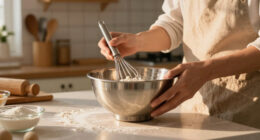
- Use the right equipment: An electric mixer on medium speed is ideal because it provides consistent agitation, allowing air to be incorporated evenly. Manual whisking often cannot match the volume and consistency achieved with an electric mixer, which is essential for reliable results. The right equipment reduces fatigue and improves precision, making it easier to monitor the mixture’s development.
- Watch the clock: Beat the butter and sugar for 3-5 minutes. The goal is to reach a pale, fluffy texture and a volume increase of at least double. This timeframe allows enough air to be incorporated without overworking the mixture. Over-creaming can cause the fat to become greasy and separate, weakening the batter’s structure, while under-creaming results in fewer air pockets, leading to dense, flat cakes. The visual cues—pale color, increased volume, and thick ribbons—are indicators that you’ve hit the optimal creaming stage, which is crucial for a consistent, light texture in the final cake.
Imagine the sound of the mixer humming steadily, the aroma of sweet butter filling your kitchen, and the batter transforming from grainy to silky. That’s the magic of proper creaming in action, and understanding these steps helps ensure every bake is a success.
Avoid These Common Mistakes That Ruin Your Cake’s Lightness
- Using cold butter: Cold butter doesn’t trap air well because its solid structure resists expansion during mixing. This results in a less aerated batter that won’t rise properly, producing a dense texture. Softening butter to room temperature before creaming is essential for maximizing air incorporation and achieving a delicate crumb.
- Over-creaming: Beating past the pale, fluffy stage causes the butter to become greasy and separates the fat from the other ingredients. This weakens the batter’s structural integrity, leading to cakes that collapse or become crumbly. Over-creaming also introduces excess air, which can cause the cake to rise rapidly and then fall, resulting in a dense or sunken center. The tradeoff is that while more air might seem beneficial, overdoing it compromises the final texture and stability of the cake.
- Under-creaming: Rushing this step results in fewer air pockets trapped in the batter. The cake then lacks the necessary lift, leading to a dense, heavy crumb. Insufficient creaming also means less even distribution of sugar and butter, which impacts flavor development and texture. The key is balancing time and technique to develop enough volume without overdoing it, ensuring a tender, airy crumb.
- Incorrect sugar type: Superfine or caster sugar dissolves more easily and incorporates more uniformly into the butter, aiding in creating a smooth, stable emulsion. Using coarse sugar leaves granules that don’t fully dissolve, causing gritty textures and less effective air trapping. This impairs the batter’s ability to expand during baking, resulting in a less light and tender cake. The tradeoff involves choosing the right sugar to optimize aeration and texture, especially important in delicate cakes where every detail counts.
For example, opting for cold butter in a quick recipe might seem convenient, but it significantly hampers the creaming process, leading to a dense, flat cake instead of the fluffy masterpiece you aim for. The importance of proper ingredient preparation and timing can’t be overstated in achieving perfect results.
Comparison Table: Butter vs. Oils in Baking Light Cakes
| Feature | Butter | Oil |
|---|---|---|
| Air Incorporation | High — creaming traps air effectively | Low — doesn’t trap air during mixing |
| Texture | Creates tender, fine crumb | Results in denser, moister crumb |
| Best for | Traditional light cakes, butter-based recipes | Some quick breads, dense cakes |
| Tip | Use softened butter for best results | Best when combined with other leavening |
How to Know When Your Batter Is Perfectly Creamed
The secret is in the texture and volume. When you lift the beaters, the mixture should fall in thick ribbons, holding its shape briefly before settling. It should be a pale, airy cloud—no graininess or greasy shine.
For example, if your batter looks more like mashed potatoes, it’s under-creamed. If it’s greasy and separates, it’s over-creamed. Achieving that perfect stage takes practice, but once you get it, your cakes will have a consistent lift every time.
What Happens When You Skip or Rush the Creaming Step
Skip it, and you risk dense, heavy cakes that lack lift. Rushing causes uneven air distribution, resulting in a coarse crumb or sunken centers. Proper creaming creates a uniform distribution of air pockets throughout the batter, which is essential for even rising. When you skip or rush this step, the batter doesn’t develop these critical air pockets, leading to uneven expansion and a less pleasant texture.
Imagine baking a soufflé without whipping the whites properly. It deflates because the delicate structure isn’t formed. The same principle applies here: without enough evenly distributed air, your cake lacks the lightness and volume you desire. Rushing also reduces flavor development, as the creaming process helps distribute flavors evenly, resulting in a more balanced and flavorful cake. Neglecting this step compromises both texture and taste, making it a crucial part of the baking process.
Your Practical Checklist for Perfect Creaming Every Time
- Use softened, room-temperature butter.
- Measure sugar precisely — superfine or caster sugar works best.
- Mix on medium speed for 3-5 minutes.
- Watch for a pale, fluffy, doubled mixture.
- Stop when the mixture holds its shape in thick ribbons.
Imagine the satisfaction when your batter looks just right—light, airy, and ready to rise beautifully in the oven.
Frequently Asked Questions
Can I make the creaming method work with margarine or plant-based butters?
Yes, but results can vary. Margarine and plant-based butters often contain more water, which can affect how well the mixture traps air. Softening them properly and adjusting mixing time helps achieve better volume and texture.How do I fix my batter if I realize I under-creamed it?
You can try to beat it a little longer, but often it’s best to start over for the best rise. Under-creamed batter won’t trap enough air, leading to dense results. Prevention is better—set a timer and watch the color and texture.Is creaming necessary for all cake recipes?
No, some recipes use alternative leavening like baking powder or egg whites folded in. But for traditional butter cakes, creaming is the most reliable way to get a light, airy crumb.What’s the biggest mistake beginners make during creaming?
Using cold butter and rushing the process. Cold butter won’t trap air well, and rushing results in a dense, heavy batter. Always soften butter to room temperature and give it the time it needs.Conclusion
Remember, the creaming method isn’t just a step—it’s the foundation of a perfect cake. Taking a few extra minutes to beat butter and sugar until fluffy transforms your batter into a light, tender crumb that rises beautifully.
Next time you bake, think of creaming as your secret weapon. When done right, it’s the difference between a dense brick and a cake that melts in your mouth—a small step with a big payoff.