

TL;DR

Get baking supplies delivered free with Prime
- Fast, free delivery on millions of items
- Prime Video, Amazon Music and more included
- Member-only deals all year
Growing concerns about ‘tiefkuhlkost’ (deep-frozen foods) focus on potential health risks and storage practices. Authorities are investigating, but no definitive recall has been announced yet.
Authorities and consumer groups are investigating reports of safety issues related to deep-frozen foods (‘tiefkuhlkost’) in Germany, amid rising public concern and increased search activity. While no formal recalls have been announced, experts warn that improper storage and handling could pose health risks.
Recent data shows a surge in searches related to tiefkuhlkost, particularly concerning potential contamination and storage violations. German consumer protection agencies have confirmed they are examining reports of food spoilage and possible pathogen presence in some frozen products, but no widespread recall has been issued as of now.
Food safety authorities emphasize that proper storage at temperatures below -18°C is crucial to prevent bacterial growth, including pathogens like Norovirus and Listeria. The investigation follows reports from consumers and retailers about unusual spoilage signs and potential contamination in certain frozen items.
Implications for Consumer Food Safety and Handling
This development matters because deep-frozen foods are a staple in many households, and mishandling or contamination can lead to serious health risks, including foodborne illnesses. The investigation highlights the importance of proper storage and adherence to safety standards, especially amid increased demand during colder months and supply chain disruptions.
Products Worth Considering
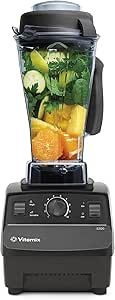
Vitamix 5200 Professional-Grade Blender, 64 oz. Container, Black

Cuisinart PerfecTemp Electric Kettle, 1.7 L, 1500 W, 6 Temperature Settings

Instant Pot Duo Crisp Ultimate 6.5-Quart 13-in-1 Pressure Cooker and Air Fryer
As an affiliate, we earn on qualifying purchases.
Rising Public Concern and Recent Food Safety Incidents
The concern over tiefkuhlkost has grown in recent weeks, fueled by social media reports and searches related to food safety. Previous incidents in Germany involved recalls of frozen products due to contamination with Norovirus, which is highly contagious and causes gastrointestinal illness. Experts say that maintaining correct freezing temperatures and avoiding thawing and refreezing are vital to prevent such issues.
Additionally, supply chain disruptions and increased demand during winter months have strained storage facilities, potentially increasing the risk of improper handling. Consumer groups advise vigilance when purchasing and storing frozen foods.
“We are currently investigating reports related to frozen foods but have not issued a general recall. Consumers should remain cautious and report any spoilage signs.”
— Federal Food Safety Authority
Unconfirmed Scope of Contamination and Specific Products Involved
It is not yet clear how widespread the safety issues are or which specific products are affected. Authorities have not identified a definitive source or batch, and no formal recall has been announced. Details about the extent of contamination or spoilage remain under investigation.
Food safety agencies are expected to release further findings within the coming days. Consumers are advised to check product labels, avoid thawing and refreezing frozen foods, and report any suspicious spoilage. Retailers are also reviewing their storage procedures to prevent further issues.
Key Questions
What is ‘tiefkuhlkost’?
‘Tiefkuhlkost’ is the German term for deep-frozen foods, which include products stored at temperatures below -18°C to preserve freshness and prevent spoilage.
Are there any health risks associated with frozen foods now?
Currently, no widespread health risk has been officially confirmed, but improper storage or contamination could pose risks such as foodborne illnesses. Authorities are investigating reports of spoilage and contamination.
Should I avoid buying frozen foods?
Consumers are advised to check packaging for storage instructions, ensure products are properly frozen, and report any signs of spoilage. No general ban has been issued, but caution is recommended.
What should I do if I suspect contaminated frozen food?
Report the issue to local food safety authorities and avoid consuming the product. Keep the packaging and receipt as evidence if needed for investigations or refunds.
Source: google-trends