TL;DR

Get baking supplies delivered free with Prime
- Fast, free delivery on millions of items
- Prime Video, Amazon Music and more included
- Member-only deals all year
Baked goods generally last 2-3 days at room temperature, but freezing can extend their life to months. Always check for mold or off smells before eating, and store properly to keep treats fresh longer.
Ever wondered just how long that loaf of bread or batch of cookies will stay good? It’s not always clear, and many of us toss baked goods too early or keep them too long. The truth is, shelf life depends on the type, ingredients, and how you store them. Knowing these basics saves you money, avoids waste, and keeps your treats tasting their best.
In this guide, you’ll get a straightforward answer—no fluff—on how long baked goods really last at room temperature, in the fridge, or freezer. Plus, practical tips to extend their freshness and safety.
Most baked goods stay fresh for about 2-3 days at room temperature.
Proper storage—airtight containers, freezing—significantly extends shelf life.
Always check for mold, off smells, or texture changes before eating.
Refrigeration can sometimes speed up staling, especially for bread.
Freezing baked goods is your best option for long-term freshness.
How Long Do Cookies, Bread, and Cakes Stay Fresh? The Simple Breakdown
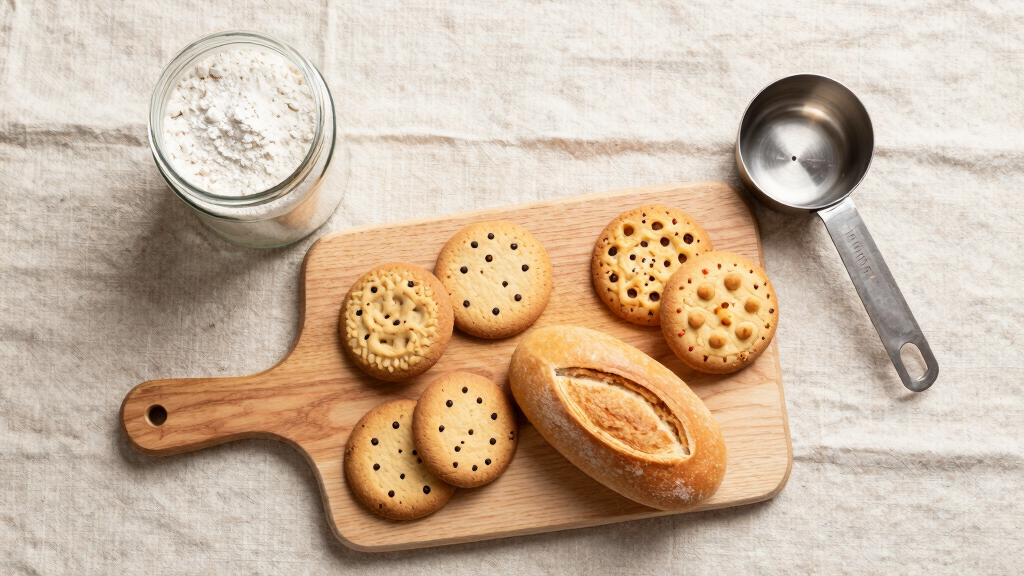
Different baked goods have different lives. Cookies, for instance, stay crisp and tasty for about 1 week if kept in an airtight container. Bread, on the other hand, is best eaten within 2-3 days at room temp, or 1 week if refrigerated. Cakes and pastries usually stay good for 2-4 days, depending on their ingredients and moisture content.
For example, a batch of homemade chocolate chip cookies left on the counter in a sealed jar can remain soft and delicious for 5 days. A loaf of crusty sourdough, if kept in a paper bag, will start to stale after 2 days. A fruit tart with fresh berries? Best enjoyed within 2 days, or refrigerated for up to 3 days, but expect the crust to soften.
Understanding these timelines helps you decide when it’s time to eat or toss baked goods, and how to store them properly.
Products Worth Considering
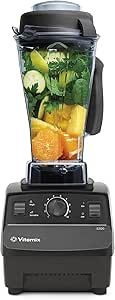
Vitamix 5200 Professional-Grade Blender, 64 oz. Container, Black

Ninja PossibleCooker PRO Plus 11-in-1 8.5 qt Trace Blue (MC2002BL)

Cuisinart PerfecTemp Electric Kettle, 1.7 L, 1500 W, 6 Temperature Settings
As an affiliate, we earn on qualifying purchases.
The Storage Trick That Keeps Baked Goods Tasty Longer
The most effective way to prolong freshness? Use airtight containers. They keep the moisture in and prevent mold or staleness. For bread, a paper bag keeps the crust crispy, but a plastic bag traps moisture and can make it soggy. Cookies stay crunchy longer in a sealed jar, but soft cookies may turn hard if exposed to air.
Refrigeration can help extend shelf life—up to a week for cookies and some cakes—but it often accelerates staling, especially with bread. Freezing is your best bet for long-term storage. Wrap baked goods tightly in plastic wrap, then place in a freezer-safe bag. They can last 1-3 months without quality loss.
For example, wrapping muffins individually in plastic and freezing them allows you to enjoy fresh-tasting muffins weeks later, simply by reheating.
Compare Storage Options: Which Extends Shelf Life Best?
| Method | Best For | Duration | Pros | Cons |
|---|---|---|---|---|
| Airtight container | Cookies, muffins, bread slices | 3-7 days (room temp), up to 3 months (freezer) | Simple, keeps baked goods fresh by controlling moisture and air exposure | Can trap excess moisture, leading to sogginess or mold if not monitored |
| Refrigeration | Cakes with perishable fillings, fruit pies | Up to 1 week | Prevents mold growth on perishable items, extends safe consumption window | Often causes staling or dryness, especially with bread; can alter texture and flavor |
| Freezing | All baked goods | 1-3 months | Longest shelf life, best for preserving original flavor and texture | Requires proper wrapping to prevent freezer burn; takes time to thaw and may slightly alter texture upon reheating |
How to Spot When Baked Goods Are No Longer Safe to Eat
Knowing when to toss baked goods is just as important as knowing how long they last. Mold is the clearest sign—green, white, or black fuzz on bread or cake means discard immediately. Mold produces mycotoxins, which can be harmful if ingested, especially in larger quantities or over repeated exposure. Off smells—sour, rancid, or strange—indicate microbial activity that can cause food poisoning. Changes in texture, like sliminess or excessive dryness, also suggest spoilage. These signs matter because consuming spoiled baked goods can lead to stomach upset, food poisoning, or allergic reactions. Recognizing these cues is essential for health and safety, and it’s better to discard questionable items than risk illness. When in doubt, if the baked good shows any of these signs, it’s safest to throw it away and avoid potential health risks.
Quick Tips to Keep Baked Goods Fresh and Safe
- Store in airtight containers or resealable bags to control moisture and slow staling.
- Keep baked goods away from direct sunlight, heat, and humidity, which can accelerate spoilage and mold growth.
- Freeze leftovers if you won’t eat them within a few days—this halts microbial activity and preserves quality.
- Label frozen items with the date of freezing to track freshness and avoid keeping items too long.
- Inspect baked goods before eating—look for mold, off smells, or texture changes to ensure safety and quality.
Proper storage doesn’t just keep baked goods tasting good; it safeguards your health. For example, freezing muffins individually preserves their moisture and flavor, so you can enjoy fresh-tasting treats even weeks later. Small steps like these make a big difference in maintaining quality and safety.
Frequently Asked Questions
How can I tell if bread is still good after a few days?
Check for mold, a sour smell, or a hard, dry texture. Mold produces mycotoxins that can be harmful, and a sour smell indicates bacterial activity. Slight staleness is normal; if bread feels excessively dry or hard, it’s still safe but less enjoyable. For longer storage, consider freezing to maintain quality.Can I freeze baked goods without losing quality?
Yes. Wrap items tightly in plastic wrap or foil, then place in a freezer-safe bag. Most baked goods stay good for 1-3 months without significant quality loss. Proper wrapping prevents freezer burn and preserves moisture. Thaw at room temperature or reheat carefully to restore texture.Does refrigerating baked goods help or hurt their shelf life?
It depends. Refrigeration can slow mold growth but often accelerates staling, especially with bread, because cold temperatures cause moisture loss and starch retrogradation. Use refrigeration mainly for perishable items like cream-filled cakes or fruit pies. For most baked goods, room temperature or freezing is preferable for maintaining freshness.Store them in an airtight jar or container at room temperature. Adding a slice of bread inside the container can help absorb excess moisture, keeping cookies crisp longer. Avoid stacking cookies too tightly or exposing them to humidity, which can cause them to soften or become stale faster.
Are homemade baked goods less shelf-stable than store-bought?
Typically, yes. Store-bought baked goods often contain preservatives that extend shelf life and inhibit mold growth. Homemade treats are fresher but lack these additives, so they tend to spoil faster. To maximize shelf life, store homemade baked goods in airtight containers and consider freezing if not consumed within a few days.Conclusion
In the end, the best way to enjoy baked goods is to know their limits. Store wisely, inspect before eating, and don’t be afraid to freeze extras. Your baked treats will taste better—and be safer—when you respect their shelf life.
Think of your baked goods like good friends: they’re best when fresh, but with a little care, they can stick around longer. So next time you bake, plan ahead—your taste buds will thank you.