TL;DR
Proper storage in a breathable environment, freezing, and quick revival techniques can keep bread fresh for days rather than hours. Avoid refrigeration, and use airtight or moisture-controlled packaging to prevent staling and mold.
Ever opened a fresh loaf, only to find it turns dry and stale by the next afternoon? You’re not alone. Many people toss bread after just a day or two, unaware that simple storage tricks can extend its life. If you love the smell of warm, crusty bread and want to enjoy it longer, this guide is for you.
We’ll explore practical ways to keep bread fresh for days instead of hours. From understanding what causes staling to using smart storage and revival techniques, you’ll learn how to preserve that perfect crust and tender crumb longer—saving money and reducing waste.
Avoid refrigerating bread unless for very long storage; it speeds up staling.
Use breathable containers like bread boxes, paper, or cloth bags to slow staling.
Freezing is your best bet for long-term storage—wrap tightly to prevent freezer burn.
Revive stale bread by warming with steam or in the oven for a quick refresh.
Innovative packaging like vacuum-sealing can keep bread fresh for months, ideal for bulk buying or meal prep.
How to Keep Bread Fresh for Days Instead of Hours
Preserve the crackly crust, tender crumb and just-baked flavor by balancing moisture, airflow and temperature. The winning formula is simple: store today’s loaf somewhere breathable, freeze tomorrow’s slices, and revive bread with controlled heat and steam.
Why a fresh loaf turns stale
Staling is more than simple moisture loss. As cooked starch molecules reorganize and crystallize, they push water from the crumb. Texture firms, flavor fades and the crust can shift from crisp to tough.
Retrogradation
Starch chains realign after baking. This crystallization makes the crumb feel dry and hard—even when moisture remains inside the loaf.
The balancing act
Too little humidity dries bread quickly. Too much trapped moisture softens the crust and creates favorable conditions for mold.
The cold-zone trap
Refrigeration speeds starch crystallization. A stable room temperature works better for short storage; freezing works best for long storage.
A smarter storage strategy
Match the method to when you plan to eat the bread. Breathable storage protects near-term texture; tightly wrapped freezing pauses both staling and mold growth.
Paper bag
Good airflow keeps a crusty loaf crisp, but very dry rooms may accelerate moisture loss.
Bread box
A useful middle ground: limited airflow, reduced drying and less trapped condensation.
Cloth bag
Breathable fabric supports a natural crust when the room is cool, dry and stable.
Freezer
Slice first, wrap tightly and remove excess air so portions can be thawed as needed.
Freshness horizon
Relative storage potential when each method is used correctly.
The storage decision table
Crusty artisan bread needs more airflow than a soft sandwich loaf. Whatever the style, inspect for condensation and freeze anything you will not eat within a few days.
| Method | Crust quality | Mold control | Storage length | Best use |
|---|---|---|---|---|
| Bread box | ✓ Balanced airflow | ✓ Good when vented | ~ Short term | Everyday loaves eaten within 2–3 days |
| Paper bag | ✓ Keeps crust crisp | ✓ Releases moisture | ~ Very short term | Baguettes and crusty bread eaten soon |
| Cloth bag | ✓ Naturally breathable | ~ Depends on climate | ~ Short term | Sourdough in a dry, stable kitchen |
| Freezer | ~ Refresh after thawing | ✓ Halts mold growth | ✓ Several months | Bulk buying, sliced loaves and meal prep |
| Refrigerator | ✗ Dries and firms crumb | ✓ Useful in high humidity | ✗ Faster staling | Only when mold risk outweighs texture |
Revive stale bread in three steps
Gentle heat plus a small amount of water temporarily softens the crumb and refreshes flavor. This works best when bread is only one or two days past its prime.
Preheat
Set the oven to 350°F / 175°C. Even heat warms the loaf without scorching the exterior.
Add moisture
Lightly spritz the bread with water or wrap it in foil. Use restraint to avoid a soggy crust.
Warm gently
Heat for 10–15 minutes. Unwrap briefly at the end if the crust needs extra crunch.
Smart techniques for serious storage
For bulk buying and meal prep, advanced packaging offers more control over air and humidity. Combine these methods with freezing for the strongest protection.
Vacuum sealing
Removing air limits moisture loss, freezer burn and exposure to mold spores. Seal unsliced loaves or portioned slices before freezing.
Moisture-regulating bags
Specialized materials balance vapor transfer, reducing both rapid drying and condensation that encourages mold.
Stable conditions
A cool, dry cabinet away from sun, heat and steam helps bread boxes and breathable bags perform consistently.
The freshness chain
Bread freshness FAQ
Use these rules as a starting point, then adjust for your bread style and local humidity. A soft packaged loaf behaves differently from a lean, crusty baguette.
Can bread go in the fridge?
It can, but refrigeration normally speeds staling. Reserve it for unusually humid conditions where mold is the more immediate threat.
How do I prevent mold?
Cool bread completely before storage, keep the area dry and ventilated, and avoid condensation. Freeze surplus before mold has time to develop.
Can I use plastic wrap?
Yes for soft bread or freezing, provided the loaf is cool. Plastic retains moisture but can soften crust and promote mold during extended room-temperature storage.
When should I freeze a loaf?
Freeze as early as possible—ideally while it is still fresh. Slice first, wrap tightly and thaw only the portion you need.
Why Your Bread Turns Stale So Fast and How to Stop It
Bread stales mainly because of starch retrogradation—the process where starch molecules crystallize and push moisture out. This process is influenced by temperature and humidity. When starch retrogrades, the crumb loses its moisture, becoming dry and hard, and the crust may turn tough. This not only affects texture but also flavor, as stale bread can develop an off-taste. Understanding this helps us see that controlling storage conditions can significantly slow this process, maintaining bread’s desirable qualities longer.
For example, a fresh baguette might last only a few hours at room temperature before becoming hard and dry. But by controlling humidity and temperature—such as storing in a breathable environment with stable temperature—you can stretch that freshness to two or even three days. Conversely, refrigeration accelerates starch retrogradation because cold temperatures cause starch molecules to crystallize faster, leading to quicker staling. Therefore, choosing the right storage environment is crucial for preserving bread’s texture and flavor over time.

Tiawudi 2 Pack Bread Box, Plastic Bread Container, Bread Storage for Kitchen Counter, Bread Keeper with Airtight Lid, Tall Bread Saver, Sandwich Bread Holder, 5.6 Qt / 5.3L Each
- Food Grade & BPA Free: Made from premium, safe plastic
- Airtight & Durable: Silicone gaskets and locking lids keep bread fresh
- Large Capacity: Each holds 5.6 Qt / 5.3L of bread
As an affiliate, we earn on qualifying purchases.
As an affiliate, we earn on qualifying purchases.
The Best Ways to Store Bread Right Now
Storing bread properly is key to extending its freshness. The main goal is to maintain the right balance of moisture and airflow. For instance, a bread box or paper bag allows some air circulation, which keeps the crust crispy without trapping excess moisture that could promote mold. Cloth bags are similar, providing a breathable environment that prevents moisture buildup and helps maintain a crusty exterior. Freezing halts the staling process almost entirely by stopping starch retrogradation; wrapping bread tightly in plastic or foil prevents freezer burn and moisture loss, preserving texture and flavor for months.
Refrigeration, however, is generally detrimental because cold temperatures speed up starch retrogradation, leading to faster staling. It’s best used only when you need to store bread for more than a week or if your environment is very humid, which increases mold risk. For example, a baker might store sourdough in a cloth bag on the countertop to maintain its natural crust, then freeze leftover slices for later use, effectively balancing freshness and convenience.

Idymere Large Stainless Steel Bread Storage Box with Lid
- Sturdy Stainless Steel Construction: Corrosion and deformation resistant, oven-safe
- Large Capacity: Measures 13.98 x 7.68 x 5.5 inches
- Versatile Storage: Holds bread, pastries, snacks, and more
As an affiliate, we earn on qualifying purchases.
As an affiliate, we earn on qualifying purchases.
Compare Storage Options in a Quick Table
| Method | Pros | Cons |
|---|---|---|
| Bread Box | Maintains crust, good airflow, prevents mold | Not ideal for long-term storage; may allow moisture loss or excess moisture if not well-ventilated |
| Paper Bag | Breathable, keeps crust crispy, prevents moisture buildup | Dry environment can cause staling faster; not suitable for humid conditions |
| Cloth Bag | Natural, prevents moisture buildup, maintains crust | Short-term only; needs a dry, stable environment to prevent mold or drying out |
| Freezer | Halts staling, prevents mold, preserves for months | Requires thawing before use; wrapping well prevents sogginess and freezer burn |
| Refrigerator | Prevents mold in humid climates | Accelerates starch retrogradation, drying out bread, leading to faster staling |
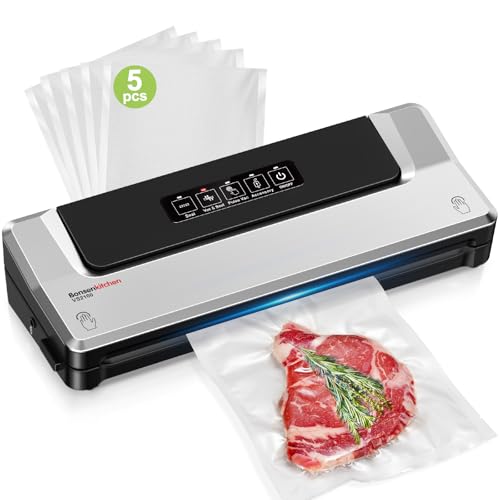
Bonsenkitchen Vacuum Sealer Machine, Multiple Modes For Meal Prep,Silver
- Four Vacuum Modes: Vac & Seal, Pulse Vac, Seal, Accessory
- Efficient Food Preservation: Seal up to 30 bags in 15 minutes
- Multi-Functional Use: Suitable for sous vide, jars, and bags
As an affiliate, we earn on qualifying purchases.
As an affiliate, we earn on qualifying purchases.
How to Revive and Refresh Stale Bread in 3 Simple Steps
Stale bread doesn’t have to go to waste. Warming it up with moisture can bring back its soft, tender crumb. The key is to reintroduce steam without making the bread soggy. Here’s how:
- Preheat your oven to 350°F (175°C). Wrap the bread in foil or lightly spritz it with water to add moisture. This prevents the bread from drying out further during reheating.
- Heat for 10-15 minutes. The gentle heat and steam will rehydrate the bread, restoring some of its original softness and flavor. Be cautious not to overheat, which can make the crust too tough or the bread soggy if excess water is used.
- Optional: Toast slices for added crunch or serve with butter. This step enhances texture and flavor, making stale bread more appealing.
For example, a stale baguette can be revitalized this way, making it perfect for bruschetta or bread pudding. Keep in mind, this method works best when the bread hasn’t been stale for too long, ideally within a day or two. Beyond that, some texture loss may be unavoidable, but the process still improves overall eating quality.
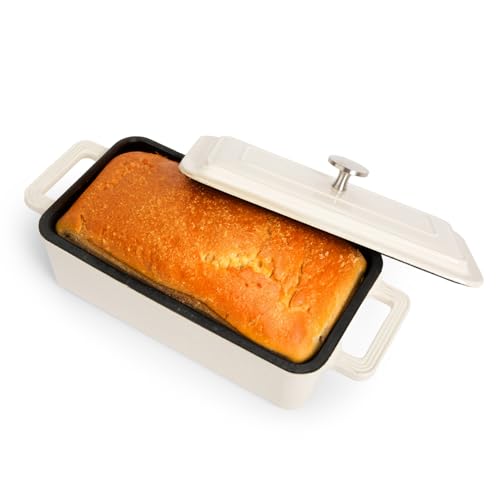
TOMO Cast Iron Bread Oven, 10" x 5" Full Size Loaf – Dutch Oven Bread Cloche with Steam Circulating Lid for Perfect Sourdough
- Bakery-Quality Crusts: Creates crispy crusts with fluffy interiors
- Steam Circulating Lid: Traps steam for perfect crusts
- Enamel Cast Iron: Distributes heat evenly, no seasoning needed
As an affiliate, we earn on qualifying purchases.
As an affiliate, we earn on qualifying purchases.
How to Keep Bread Fresh Longer with Smart Techniques
Beyond basic storage, innovative methods can help extend freshness even further. These techniques are particularly valuable for those who buy in bulk or want to maximize shelf life without sacrificing quality. For example, vacuum sealing removes air, which is a primary factor in staling and mold growth. This method can preserve bread for months, especially when combined with freezing. Moisture-control bags feature built-in humidity regulators that sustain an optimal environment, preventing the bread from drying out or becoming moldy. Controlled environment storage, such as climate-controlled cabinets or rooms, maintains stable temperature and humidity levels, closely mimicking ideal storage conditions and significantly extending shelf life.
In professional bakeries, vacuum-sealing unsliced loaves and then thawing slices as needed allows for maximum freshness at any time, reducing waste and ensuring consistent quality. While these methods require an initial investment, they are highly effective for those seeking to keep bread fresh for extended periods without compromise.
Frequently Asked Questions
Can I store bread in the fridge without it going stale faster?
Storing bread in the fridge actually speeds up staling due to starch retrogradation. It’s best reserved for long-term storage of frozen bread or if your environment is very humid. For short-term, keeping it in a breathable bag at room temperature works better.How do I prevent mold when storing bread?
Prevent mold by keeping bread in a dry, well-ventilated space and avoiding moisture buildup. Using breathable containers like bread boxes or cloth bags helps. Avoid plastic bags for long-term storage, as they trap moisture and can promote mold growth.What’s the best way to revive stale bread?
Warm the bread in a preheated oven at 350°F for about 10-15 minutes, wrapping it in foil or spritzing with water to add moisture. This steam helps restore softness, making stale bread taste much fresher.How long does bread stay fresh at room temperature?
Most bread stays fresh for 2-3 days at room temperature if stored properly. Artisan and sourdough bread tend to last a bit longer naturally. For extended freshness, freezing is the best option.Are there natural preservatives to keep bread fresh longer?
Yes, some bakers use natural methods like fermentation or adding vinegar, which help inhibit mold growth and slow staling. Proper storage and humidity control remain the most effective ways to keep bread fresh naturally.Conclusion
The secret to truly fresh bread longer lies in how you store it and how you treat it when it starts to go stale. Small adjustments—like avoiding the fridge, using breathable packaging, or quick reheating—can turn a day-old loaf into a fresh-tasting treat. Think of your bread as a delicate ingredient that thrives with respect and smart handling.
Next time you bake or buy bread, remember these tips. Treat your bread well, and it will reward you with days of warm, crusty goodness. After all, good bread deserves a longer, happier life on your countertop.