
TL;DR

Get baking supplies delivered free with Prime
- Fast, free delivery on millions of items
- Prime Video, Amazon Music and more included
- Member-only deals all year
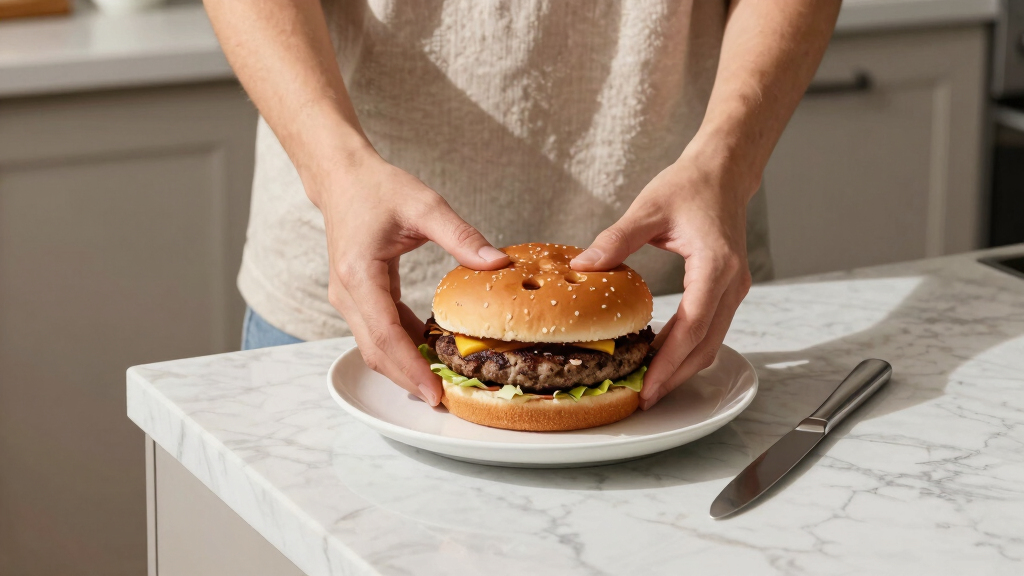
White Castle burger patties have had five holes since 1947 to enhance flavor and speed up cooking. This unique technique originated from an operator in Cincinnati and is patented by the company.
White Castle has used burger patties with five holes since 1947, a practice confirmed by the company to enhance flavor and cooking efficiency. This longstanding technique, originating from Cincinnati, is a distinctive feature of its sliders and remains a key part of its identity today.
According to White Castle, the holes in their burger patties were introduced by an operator in Cincinnati named Earl Howell. The holes allow the moisture and flavor from onions, which are placed on the grill first, to heat through the meat more effectively, creating the chain’s signature steamed flavor. The holes also enable the patties to cook faster without needing to be flipped, streamlining kitchen operations.
White Castle patented the device that punches holes through a log of ground beef in 1954, standardizing the process of producing these uniquely prepared patties. This process results in a softer, umami-rich burger that is distinct from typical grilled or flat-top burgers, contributing to the chain’s loyal following despite mixed reviews on overall burger quality.
Impact of the Holey Patties on White Castle’s Brand and Cooking Method
The use of holes in White Castle’s burger patties is a defining feature that influences both flavor and preparation speed. This technique helps maintain the chain’s signature steamed texture and flavor, setting it apart from other fast-food burgers. It also exemplifies how innovation in food preparation can become a core part of a brand’s identity, fostering customer loyalty and recognition.Products Worth Considering

Breville Bambino Espresso Machine, Brushed Stainless Steel

De’Longhi Classic Matte Black Espresso Machine with Milk Frother

Le Creuset Enamemed Cast Iron Oval Dutch Oven, 5 qt., White/Crucible
As an affiliate, we earn on qualifying purchases.
Historical Development of White Castle’s Unique Burger Technique
White Castle, founded in 1921, has been family-owned and operated since its inception. The practice of punching holes in burger patties was introduced in 1947 by Earl Howell, an operator in Cincinnati, as a way to improve flavor and efficiency. The company patented the process in 1954, solidifying it as a key aspect of its production. While other fast-food chains focus on grilling or flat-top cooking, White Castle’s steamed, hole-punched patties have become a signature feature, contributing to its distinctive menu and loyal customer base.“The holes allow the moisture and flavor from the onions to heat through the meat more effectively, creating White Castle’s signature steamed flavor.”
— an anonymous researcher
Unanswered Questions About the Manufacturing Process
It is not yet clear whether White Castle continues to use the original punching device or has updated its manufacturing process. Details about current production methods and whether the holes are still punched in the same way remain undisclosed.Future of White Castle’s Burger Manufacturing Techniques
White Castle has not announced any changes to its burger production process. Observers and customers will likely continue to see the holes in patties unless the company releases further details or updates its manufacturing methods. Industry analysts may monitor whether this unique technique influences competitors or evolves with new food safety standards.Key Questions
Why does White Castle punch holes in their burger patties?
According to White Castle, the holes help heat the flavor from onions into the meat and allow the burgers to cook faster, creating their signature steamed flavor.
When did White Castle start using burger patties with holes?
The practice began in 1947, introduced by an operator in Cincinnati, and was patented by White Castle in 1954.
Do all White Castle burgers have holes?
Yes, the standard White Castle sliders feature patties with five holes as part of their traditional preparation process.
Has White Castle changed its process recently?
There is no public information indicating recent changes; the process remains a longstanding tradition confirmed by the company.
Does the hole punch affect the flavor or texture of the burger?
Yes, the holes facilitate the infusion of onion flavor and create a steaming effect, resulting in a softer, umami-rich burger with a distinctive texture.
Source: Food Republic