
TL;DR

Get baking supplies delivered free with Prime
- Fast, free delivery on millions of items
- Prime Video, Amazon Music and more included
- Member-only deals all year
Choosing the right chocolate—couverture, chips, or others—depends on your baking goal. High-quality couverture excels in tempering and coatings, while chips are perfect for quick, practical baking; knowing the difference boosts your results.
Choose couverture for coatings, decorations, and high-end confections where shine and texture matter.
Chocolate chips are convenient for cookies and quick recipes but can compromise appearance and melt quality for decorations.
Proper tempering transforms chocolate into a glossy, crisp shell—learn the steps to master it.
Store chocolate in a cool, dark place to preserve flavor and texture for months.
Opt for artisanal, organic, or single-origin chocolates to add unique, nuanced flavors to your baked goods.
The Chocolate Guide Every Baker Needs
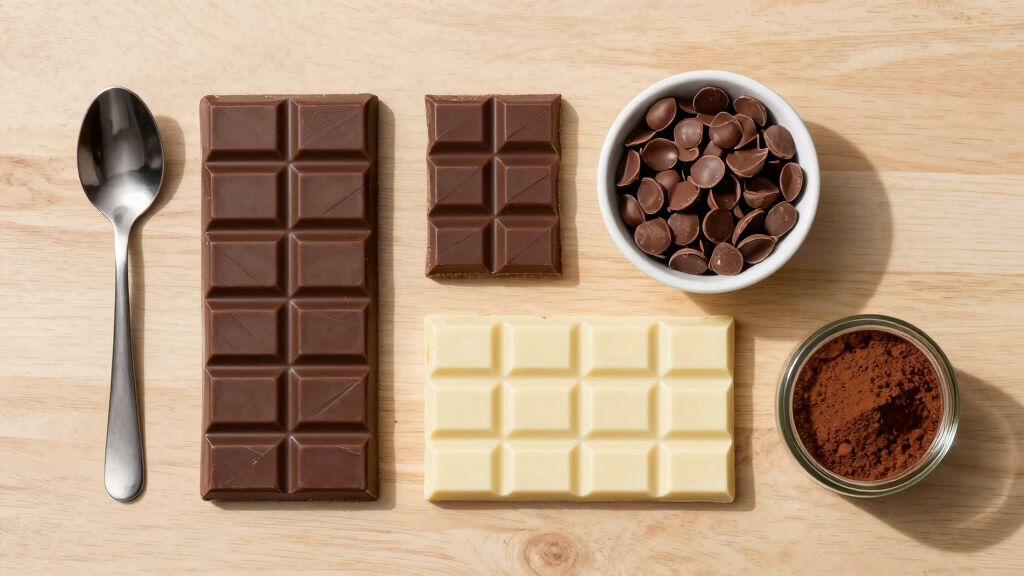
The right chocolate can create a glossy shell, a silky ganache or a cookie filled with distinct chocolate pockets. Match the format to the job: couverture for finesse, chips for convenience and compound chocolate for speed and stability.
More cocoa butter improves flow, coating, gloss and the clean snap achieved through tempering.
Shape retention matters? Reach for chips. Low-fuss melting matters? Compound chocolate is practical.
Even excellent chocolate needs the correct crystal structure to set glossy, firm and bloom-resistant.
Three formats, three different jobs
Chocolate is an ingredient and a piece of food engineering. Cocoa butter, added fats and stabilizers determine whether it flows into a thin shell, stays visible in a cookie or melts without tempering.
Couverture
High cocoa butter content gives couverture superior fluidity, rich flavor and the ability to form a glossy, crisp shell when correctly tempered.
Tradeoff: higher cost and more temperature-sensitive handling.Chocolate Chips
Pre-formed drops often contain stabilizers or adjusted fat ratios so they retain recognizable pockets instead of flowing completely during baking.
Tradeoff: a thicker melt, matte finish and less refined coating.Compound
Vegetable fats replace cocoa butter, making compound chocolate inexpensive, stable and easy to melt without a traditional tempering cycle.
Tradeoff: less nuanced flavor and a duller, softer finish.What changes in the finished bake?
Substitutions are possible, but they are not invisible. Expect differences in flow, shine, snap and flavor whenever one chocolate format replaces another.
| Feature | Couverture | Chocolate chips | Compound chocolate |
|---|---|---|---|
| Primary fat | ✓ 31–39% cocoa butter | ~ Varies; often formulated for shape | ✗ Vegetable fats replace cocoa butter |
| Ideal application | Tempering, coatings and decorations | Cookies, muffins and quick recipes | Cost-effective dipping and melting |
| Finish | ✓ Glossy with a crisp snap | ~ Matte with defined pockets | ✗ Duller and less crisp |
| Tempering | Required for the best shell and stability | Usually unnecessary | Not required |
| Melting behavior | ✓ Smooth and fluid | ~ Thicker, shape-retaining | ✓ Easy and stable |
| Flavor potential | ✓ Rich and nuanced | ~ Brand-dependent | ✗ Less refined |
The dark chocolate tempering curve
Tempering deliberately forms stable cocoa butter crystals. Work gently, stir consistently and keep every bowl and tool completely dry.
Erase old crystals
Warm gradually in a double boiler or short microwave bursts. Avoid scorching.
Build structure
Cool roughly two-thirds while stirring to encourage stable crystal formation.
Reach working range
Warm dark chocolate slightly without destroying the desired crystal structure.
Check the set
A thin smear should harden quickly, look even and release cleanly when set.
A smooth surface, bright shine and clean snap indicate a stable temper.
Use a slightly lower final working range of approximately 30–31°C.
Quality only works when handled well
Use the chart as a practical selection cue, then protect the chocolate from heat swings, moisture, light and strong odors.
Performance by application
Relative suitability based on melting behavior, finish and ease of use.
The storage protocol
Consistent conditions preserve flavor, texture and appearance for months.
Avoid temperature swings that encourage fat bloom.
Water can trigger sugar bloom and make melted chocolate seize.
Chocolate readily absorbs strong surrounding odors.
Choose a pantry away from ovens, windows and direct sunlight.
Beyond format: choose a chocolate with character
Cocoa percentage signals intensity, not automatic quality. Origin, fermentation, roasting and recipe composition all influence the final flavor.
The dark chocolate spectrum
Higher percentages generally bring greater cocoa intensity, less perceived sweetness and more bitterness.
What modern bakers are exploring
Premium chocolate can add traceable sourcing and a more distinctive flavor signature.
The path from package to perfect finish
What Makes Couverture Chocolate the Gold Standard for Baking?
Couverture chocolate is the professional’s choice for a reason. It contains at least 31% cocoa butter, giving it a silky texture and a rich, glossy finish once tempered. The high cocoa butter content isn’t just about gloss — it affects how the chocolate melts, how it adheres to surfaces, and how it sets. When tempered correctly, couverture creates a stable, shiny shell that adds a professional touch to confections. This stability is crucial for recipes that require a crisp, attractive finish, like chocolate shells or decorations. Using couverture means you’re investing in a product designed for precision; it offers better control over texture and appearance, but it also requires more careful handling and proper storage. The tradeoff is that while it’s more expensive and delicate, the results are visibly superior, especially in professional or show-stopping desserts.
For example, when you temper couverture, you melt it at about 45-50°C, cool it to 27-28°C, then reheat slightly to 31-32°C. This process aligns the cocoa butter crystals, giving you that stunning shine and a crisp snap. Proper storage—cool, dry, airtight—keeps it fresh for up to a year, ready for a quick melt or a slow, careful temper. This stability and quality make couverture indispensable for high-end baked goods, where appearance and texture are paramount.
Products Worth Considering

Vitamix Propel Series 750 Professional-Grade Blender, 4 Programs, Black
Vitamix 5200 Professional-Grade Blender, 64 oz. Container, Black

Vitamix Propel Series 510 Professional-Grade Blender, 3 Programs, Black
As an affiliate, we earn on qualifying purchases.
Why Chocolate Chips Are Your Baking Shortcut — But Not Always Better
Chocolate chips are designed for convenience, and their popularity stems from their ready-to-use nature. They’re pre-formatted into small drops, often with additives like vegetable fats to prevent melting during baking. This formulation means they hold their shape better in baked goods like cookies, providing those iconic pockets of melty chocolate. However, this convenience comes with tradeoffs. The added fats and stabilizers alter the melting behavior—chips don’t melt as smoothly or develop the same glossy finish as couverture. This affects the visual appeal and texture, especially when used in applications like coatings or decorations where a shiny, crisp shell is desired. While chips excel in cookies and quick recipes, their composition limits their versatility. They are less suitable for tasks that require a smooth, glossy finish or delicate tempering because their structure is inherently different. Choosing chips simplifies the process but sacrifices some of the refined qualities that high-quality couverture can deliver. Therefore, understanding when and where to use chips versus couverture can elevate your baking—using chips for convenience, but turning to couverture for finesse and professional results.
Comparison Table: Couverture, Chips, and Other Chocolates
| Feature | Couverture | Chocolate Chips | Compound Chocolate |
|---|---|---|---|
| Cocoa Butter Content | 31-39% | Varies (often lower, stabilized with fats) | Vegetable fats, no cocoa butter |
| Ideal Uses | Tempering, coatings, decorations | Cookies, muffins, quick recipes | Cost-effective baking, melting applications |
| Finish & Appearance | Glossy, crisp snap | Matte, less shiny | Less glossy, dull finish |
| Handling & Melting | Requires tempering for best results | Melts easily, no tempering needed | Melts easily, stable |
| Flavor Quality | Rich, nuanced cocoa flavor | Varies; often less intense | Less refined flavor |
How to Properly Temper Chocolate for That Professional Shine
Tempering chocolate is less about magic and more about temperature control. Here’s a simple step-by-step:
- Melt your chocolate gently in a double boiler or microwave, aiming for 45-50°C.
- Pour about two-thirds onto a cool surface or into a bowl to cool down to 27-28°C.
- Reheat slightly to 31-32°C for dark chocolate (or 30-31°C for milk/white).
- Test by spreading a small amount on parchment—if it hardens quickly with a shiny surface, you’re good.
This process aligns the cocoa butter crystals, creating that irresistible gloss and satisfying snap. Proper tempering ensures the chocolate develops a stable crystal structure that prevents bloom and maintains a shiny appearance over time. While it may seem intricate, mastering tempering is essential for achieving that professional finish—it’s a small investment of effort that pays off in visual appeal and texture, especially for decoration and coating applications where appearance matters most.
Best Storage Tips to Keep Your Chocolate Fresh
Chocolate loves a cool, dark, dry environment. Store it between 15-20°C, away from direct sunlight and strong odors. Use airtight containers to prevent moisture and odors from seeping in. Proper storage preserves flavor and texture for up to a year, especially for high-quality couverture. The reason this matters is that improper storage can cause fat bloom or sugar bloom, which affects the appearance and texture—though it’s safe to eat, it looks unappetizing. Additionally, fluctuating temperatures can cause the chocolate to develop a dull, matte surface or a grainy texture. For optimal results, keep chocolate in a consistent environment, avoiding refrigeration unless necessary. If you do refrigerate, do so in an airtight container and allow it to come to room temperature before use to prevent condensation from damaging the surface. These precautions ensure your chocolate remains pristine, maintaining its professional quality for all your baking needs.
Latest Trends: Artisanal, Organic, and Single-Origin Chocolates
Today’s bakers are increasingly drawn to chocolates with stories—those that offer more than just a sweet flavor. Single-origin chocolates highlight flavors unique to specific regions—think fruity notes from Madagascar or earthy undertones from Ghana. Artisanal and organic chocolates often bring richer, more complex profiles to your baked goods, allowing bakers to craft desserts with depth and nuance. These options are not just about flavor; they also reflect a commitment to quality, sustainability, and ethical sourcing. Using single-origin or artisanal chocolates can transform simple recipes into gourmet experiences, adding layers of flavor that elevate the final product. For example, a brownie made with a single-origin couverture can reveal subtle fruit or spice notes, turning an ordinary treat into a memorable culinary moment. This focus on quality ingredients aligns with a broader movement toward transparency and craftsmanship in baking, encouraging bakers to explore and appreciate the diverse world of chocolate.
The Future of Baking Chocolate? More Transparency & Sustainability
Consumers increasingly demand to know where their chocolate comes from, pushing the industry toward greater transparency, ethical sourcing, and sustainability. The bean-to-bar movement emphasizes traceability, fair-trade practices, and environmentally friendly cultivation, which not only support ethical labor but also often result in superior flavor profiles. Bakers who prioritize these qualities are contributing to a more sustainable supply chain and supporting communities involved in chocolate production. Moreover, chocolates that are ethically produced tend to have richer, more nuanced flavors because the beans are harvested with care and attention. Choosing fair-trade or organic couverture isn’t just a moral choice; it’s a way to elevate your baked goods with ingredients that reflect responsibility and quality. As transparency becomes more prevalent, expect to see more labels and certifications that help you make informed choices, ultimately benefiting both your baking and the planet.
Quick Tips for Using Chocolate in Your Baking
- Always melt couverture gently—double boiler or microwave in short bursts, stirring frequently to avoid overheating, which can alter texture and flavor.
- Save some melted chocolate for drizzling or decorating—this adds a professional touch and enhances visual appeal.
- Use high-quality chocolate for the best flavor—cheap chocolate often contains fillers or lower cocoa content that can compromise the taste and appearance of your final product.
- Practice tempering for that professional look—glossy, crisp, and stable. It might take some trial, but mastering it pays off in the final presentation.
- Store leftovers properly—airtight, in a cool environment—to prevent bloom and maintain quality for future use.
Frequently Asked Questions
Can I substitute chocolate chips for couverture in recipes?
Yes, you can. But remember, chips often contain stabilizers and vegetable fats, which can affect melting and appearance. For coatings or decorations, couverture is better. For cookies and quick treats, chips work fine and save time.
How do I tell if my couverture chocolate is high quality?
Look for ingredients—cocoa butter should be the main fat, with at least 31%. The label should specify the cocoa percentage, ideally 70% or higher for dark chocolate. The texture should be smooth, and it should melt with a glossy finish when tempered.
What’s the best way to store chocolate without losing quality?
Keep it in an airtight container in a cool, dark place between 15-20°C. Avoid the fridge unless your climate is humid—condensation can ruin the texture. Keep away from strong odors, as chocolate absorbs smells easily.
Is organic or fair-trade chocolate worth it?
Generally, yes. These chocolates often come from more ethical sources and can have richer, more complex flavors. They support sustainable practices, which is a bonus if you care about the environment and fair labor.
What’s a quick tip for perfect tempering every time?
Use a reliable thermometer, melt slowly, and always cool your chocolate to the right temperature before reheating. Practice patience—temperatures are key to that shiny, crackly finish.