TL;DR

Get baking supplies delivered free with Prime
- Fast, free delivery on millions of items
- Prime Video, Amazon Music and more included
- Member-only deals all year
Ripe bananas are a natural, versatile sweetener that can replace refined sugar in many baked goods. They add moisture, flavor, and nutrients, helping you bake healthier treats with less sugar and more fiber.
Imagine biting into a muffin that’s sweet, tender, and packed with flavor — yet contains less refined sugar. That’s the magic of the banana trick. Ripe bananas naturally contain sugars like fructose, glucose, and sucrose, which can be harnessed to sweeten baked goods without sacrificing taste or texture.
If you’re looking to cut down on processed sugars but still crave a sweet treat, this simple technique might become your new best friend. It’s about smarter baking, using what’s already in your fruit bowl. In this guide, you’ll learn how to replace sugar with bananas, how much to use, and tips for perfect results every time.
Ripe bananas contain natural sugars that can replace a significant portion of refined sugar in baking.
Using 1 cup of mashed banana typically replaces 1 cup of sugar, but adjustments are needed for moisture and flavor balance.
Bananas add moisture and fiber, making baked goods tender and nutritious.
Choosing overripe bananas with dark spots maximizes sweetness and flavor.
Experimenting with banana substitutions can lead to healthier, flavorful treats that everyone will enjoy.
Why Ripe Bananas Are Your Secret Sweetener
Ripe bananas turn into a natural, delicious sweetener because of their high sugar content. The more brown spots on a banana, the sweeter it becomes. An overripe banana with dark patches is essentially a concentrated burst of natural sugars.
For example, a banana at peak ripeness packs about 14 grams of sugar per 100 grams — similar to a small chocolate chip cookie. But unlike processed sugar, bananas also bring fiber, vitamins, and minerals into your baked goods.
Think of bananas as nature’s own sugar cubes, with added benefits. They add moisture and a tender crumb that makes your baked goods irresistibly soft and flavorful.
Products Worth Considering

Vitamix Propel Series 510 Professional-Grade Blender, 3 Programs, Black

Cuisinart ICE-70P1 2-Quart Ice Cream Maker with Countdown Timer

Ninja PossibleCooker PRO Plus 11-in-1 8.5 qt Trace Blue (MC2002BL)
As an affiliate, we earn on qualifying purchases.
How to Use Bananas in Your Baking — The Step-by-Step
- Choose ripe bananas. Look for bananas with lots of brown spots or even black patches. The riper, the sweeter.
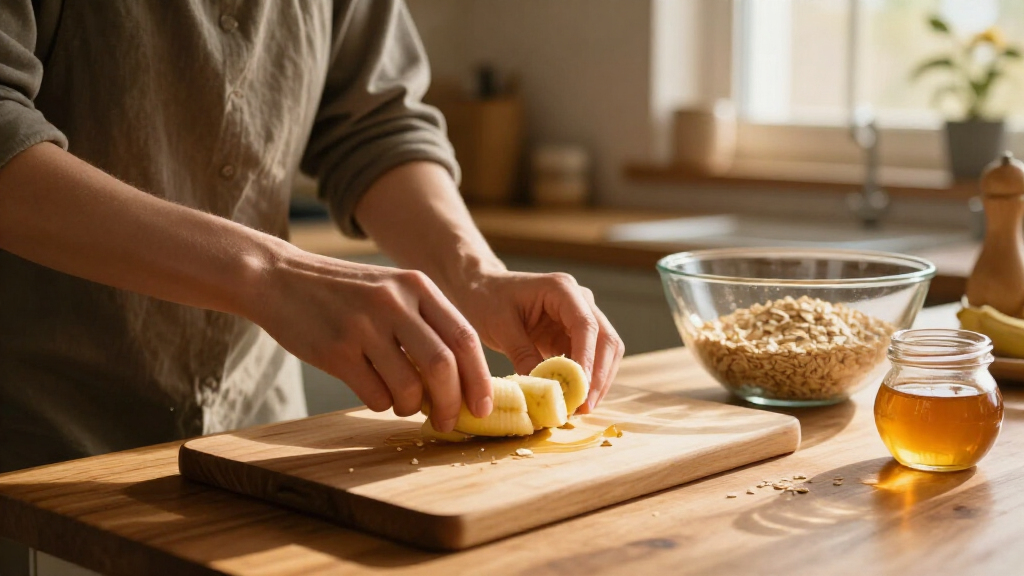
- Mash thoroughly. Use a fork or a blender to mash bananas into a smooth, lump-free puree.
- Replace sugar. Use 1 cup of mashed banana for every 1 cup of sugar called for in your recipe. Adjust liquids if needed.
- Adjust other ingredients. Reduce added fats or liquids slightly to balance moisture. For example, cut back oil or milk by 1-2 tablespoons if your batter feels too wet.
- Bake and taste. Keep an eye on baking time — bananas can make baked goods bake faster or more evenly. Taste test and adapt next time if needed.
Here’s a real-world example: You’re making banana muffins. Replace the sugar with mashed banana, reduce the oil slightly, and add a pinch of cinnamon. The result? Moist, naturally sweet muffins that cut your sugar by half.
Bananas vs. Other Natural Sweeteners — How Do They Compare?
| Feature | Bananas | Dates | Honey | Applesauce |
|---|---|---|---|---|
| Natural sugar content | High, with fiber | Very high, concentrated | High, liquid | Moderate, with moisture |
| Flavor impact | Subtle banana flavor | Distinct, caramel-like | Sweet, floral | Neutral, fruity |
| Moisture added | Yes | Yes | Yes | Yes |
| Best for | Muffins, bread, pancakes | Cookies, energy bites | Glazes, sauces, some baked goods | Cake, muffins, brownies |
Bananas shine because they bring sweetness, moisture, and nutrition all in one. Compared to dates or honey, they’re more neutral, making them versatile across many recipes. The key is balancing their moisture and flavor profile with other ingredients.
Troubleshooting Common Banana Baking Questions
Wondering how much banana to use or if it will make your baked goods taste like banana? Here are answers to common questions.
- How much banana replaces sugar? About 1 cup of mashed banana replaces 1 cup of sugar. But start small and taste — you can always add more.
- Will my baked goods taste banana-y? Not if you use overripe bananas in moderation. Additional spices like cinnamon or vanilla help mask the banana flavor if preferred.
- Can I use bananas in all baked goods? They work well in muffins, bread, pancakes, and cookies. Not so much in neutral-flavored recipes like sponge cakes or delicate pastries.
- Do I need to change baking time? Yes. Baked goods with bananas often bake faster or more evenly. Keep an eye on them and adjust as needed.
- Are there health concerns? Bananas add natural sugars, so moderation is key if you’re watching blood sugar. They boost fiber and nutrients, too.
Creative Ideas for Banana-Based Bakes
Once you master the basic swap, the possibilities expand. Think beyond banana bread.
- Banana oatmeal cookies: Mash bananas into your dough for moisture and sweetness.
- Banana pancakes: Use mashed banana instead of sugar or oil for a fluffy, fruity breakfast.
- Energy bites: Combine mashed banana with oats, nuts, and seeds for a nutritious snack.
- Banana muffins: Add mashed bananas to your favorite muffin recipe, reducing sugar and oil.
- Sweet sauces or glazes: Blend bananas with spices and a splash of lemon juice for a natural topping.
The key is experimenting — start simple, then get creative with spices, nuts, or even chocolate chips for added flavor.
Frequently Asked Questions
Can I use frozen bananas for baking?
Absolutely. Thaw frozen bananas and mash them well. They work just as well, especially in recipes like banana bread or muffins. Just be sure to drain excess moisture if they’re very watery.
Is there a difference between using ripe and overripe bananas?
Yes. Ripe bananas are sweet but still firm, while overripe bananas are softer and have more concentrated sweetness. Overripe bananas are best for baking because they provide maximum flavor and moisture.
Will using bananas affect the texture of my baked goods?
Yes, bananas add moisture and tenderness. Expect a softer, more crumbly texture, ideal for muffins, quick breads, and pancakes. Adjust baking time and liquids accordingly.
How can I mask the banana flavor if I don’t want it to be obvious?
Use spices like cinnamon, nutmeg, or vanilla. Adding chocolate chips, nuts, or berries also helps disguise the banana flavor while enhancing overall taste.
Conclusion
Think of bananas as your secret weapon for healthier baking. They transform ordinary recipes into moist, naturally sweet delights with less added sugar. Next time you have overripe bananas on hand, remember — they’re not just good for eating, but for quick, smarter baking.
Imagine a batch of banana muffins, warm from the oven, their aroma filling your kitchen. That’s simple, satisfying, and just a banana away from a better-for-you treat.