

TL;DR

Get baking supplies delivered free with Prime
- Fast, free delivery on millions of items
- Prime Video, Amazon Music and more included
- Member-only deals all year
Greek yogurt adds moisture and protein to baked goods by retaining water and improving structure. Use it thoughtfully—partial replacements of fats and liquids produce the best results without risking density or toughness.
Imagine biting into a muffin that’s not only moist and tender but also packs a little extra protein. That’s what Greek yogurt can do in baking. It’s like a secret ingredient that adds a creamy texture and a tangy kick, transforming your usual recipes into healthier, more satisfying treats.
But it’s not just about throwing in yogurt and hoping for the best. Knowing how it works—how it affects moisture, structure, and flavor—can turn you into a confident baker. This guide will show you exactly how to incorporate Greek yogurt in your baking arsenal, with practical tips and real-world examples to get you started.
Use Greek yogurt as a partial fat or liquid substitute—start with 50% replacements and adjust based on batter consistency.
Choose full-fat Greek yogurt for softer, moister baked goods; nonfat works but may require recipe tweaks.
Balance acidity and leavening—add baking soda carefully to promote rise without creating off-flavors or coarse textures.
Prevent density and gumminess by measuring accurately, mixing gently, and baking until just done.
Boost protein subtly by combining Greek yogurt with eggs, milk, and other nutrient-dense ingredients, not relying on it alone.
How to Bake With Greek Yogurt for Moisture and Protein
Greek yogurt retains water, contributes structure, and adds a mild tang. The winning method is controlled substitution: keep enough original fat for tenderness while using yogurt to improve moisture and nutrition.
Replace half the oil or butter first, then assess batter consistency.
Per cup of Greek yogurt; the increase per serving depends on yield and brand.
Plain whole-milk Greek yogurt can usually replace sour cream by volume.
Why Greek yogurt changes the crumb
Straining makes Greek yogurt thicker and generally more protein-rich than regular yogurt. In batter, its water, milk proteins, fat, and acidity affect different parts of the bake at the same time.
Retains water
Yogurt helps baked goods hold moisture during and after baking, supporting a softer crumb in muffins, cakes, and quick breads.
Adds milk protein
Heat changes the protein structure but does not remove the protein. Moderate amounts can strengthen crumb; excess can feel dense or rubbery.
Supports tenderness
Acidity can tenderize gluten and react with baking soda, influencing rise, browning, and flavor.
Controls richness
Whole-milk yogurt produces the richest, softest result. Nonfat yogurt may make an already lean formula drier or tougher.
Adds a mild tang
The subtle acidity complements chocolate, lemon, spice, berries, and other strong flavors without dominating the finished bake.
Can become gummy
Too much yogurt, inaccurate measuring, overmixing, or underbaking can create a heavy, wet, or gummy center.
What can Greek yogurt replace?
Match the swap to the original ingredient’s job. Yogurt can add moisture and binding, but it cannot fully reproduce the richness, aeration, emulsification, or crispness supplied by fat and eggs.
| Original ingredient | Starting substitution | What changes | Recommendation |
|---|---|---|---|
| Sour cream | Replace 1:1 by volume | Similar moisture and tang; slightly more protein | ✓ Excellent match |
| Regular yogurt | Replace 1:1, then loosen if needed | Greek yogurt creates a thicker batter | ✓ Reliable |
| Buttermilk | Thin with roughly equal parts milk or water | Preserves acidity while restoring pourability | ✓ Adjust consistency |
| Oil | Replace about half | Less richness and browning; more moisture and protein | ~ Partial swap |
| Butter | Replace only part | Reduced flavor, aeration, spread, and tenderness | ~ Use cautiously |
| Mayonnaise | Try 1:1 in simple cakes or quick breads | Less fat with a slightly tangier finish | ~ Recipe dependent |
| Egg | Start with ¼ cup per egg | Adds moisture and binding, but not full egg structure | ✗ Avoid in egg-dependent bakes |
The substitution spectrum
More replacement is not automatically better. These relative bars show the practical direction of change as yogurt replaces a larger share of fat. Exact results vary by recipe.
Practical target: keep some original fat, measure accurately, and stop mixing as soon as the flour disappears.
Where yogurt performs best
Quick breads and muffins are especially forgiving. Cookies and brownies require more restraint because small changes in fat and water strongly affect spread, chew, and fudginess.
Muffins
Excellent moisture retention. Fold gently and bake until just done.
Quick breads
A forgiving format for partial fat swaps and added protein.
Cakes
Use full-fat yogurt and retain fat in delicate or creamed recipes.
Pancakes
Thin stiff batter with milk and preserve enough leavening for lift.
Brownies
A small amount supports fudginess; excess can turn cakey or gummy.
A five-step baking chain
Each decision affects the next. Control the ingredient first, then the substitution, batter, leavening, and final bake.
Use plain, unsweetened whole-milk or 2% Greek yogurt.
Stir separated whey back in and measure by weight when possible.
Begin with half the fat or use a proven one-to-one swap.
Check batter thickness, acidity, and the recipe’s leavening.
Mix gently and remove from the oven as soon as the center is done.
Moisture without the gummy middle
What Makes Greek Yogurt a Game-Changer in Baking?
Greek yogurt is a thick, strained form of yogurt that’s higher in protein and lower in water than regular yogurt. Its creamy texture and mild tang make it perfect for baking. When you add Greek yogurt to a batter, it traps moisture and contributes to a tender crumb.
Think of Greek yogurt as a two-in-one ingredient: it works as a moistener and a protein booster. Its thick consistency means it can replace some of the fats and liquids in recipes, but this substitution can also alter the balance of moisture and fat, impacting the final texture. For example, replacing all the oil or butter with yogurt might make baked goods less tender or cause them to dry out if not balanced properly. Its acidity can also influence browning and leavening reactions, which are crucial for achieving a desirable crust and good rise. Understanding these interactions helps you decide how much yogurt to use and how to adjust other ingredients accordingly.
For example, replacing sour cream with Greek yogurt in a chocolate cake can add moisture and boost protein without sacrificing flavor. However, overusing yogurt can lead to a denser crumb or a gummy texture, especially if the leavening isn’t adjusted. So, recognizing the tradeoffs—such as moisture retention versus potential density—is key to mastering its use in baking.
Products Worth Considering

De'Longhi Linea Classic Espresso Machine with Adjustable Milk Frother

Le Creuset Enameled Cast Iron Round Dutch Oven, 5.5 Qt, Flame
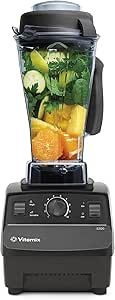
Vitamix 5200 Professional-Grade Blender, 64 oz. Container, Black
As an affiliate, we earn on qualifying purchases.
How to Choose the Right Greek Yogurt for Baking Success
Picking the right Greek yogurt is essential. Use plain, unsweetened varieties unless your recipe calls for flavored yogurt. Flavored types often contain added sugars and stabilizers that can alter the batter’s consistency and sweetness profile, potentially leading to overly sweet or dense baked goods. The choice between full-fat, 2%, or nonfat yogurt isn’t just about calorie counts; it influences the final texture and moisture retention. Full-fat yogurt provides richness and tenderness, helping baked goods stay moist and soft, especially in recipes like muffins or quick breads. Nonfat yogurt, while lower in fat, can result in a drier crumb if not balanced with additional moisture or fats, since it lacks the fat’s tenderizing effect. Measuring by weight is preferable because the consistency and moisture content vary among brands, affecting how the batter behaves.
Freshness is another critical factor. Using yogurt close to its expiration ensures optimal flavor and microbial activity, which can influence the acidity and leavening. Stirring in any separated whey before measuring is recommended because it contains extra protein and moisture, contributing to the overall stability and nutritional content. Be cautious with “Greek-style” products thickened with gums or starches—they can produce unexpected textures or interfere with gluten development, leading to undesirable results. Selecting the proper yogurt and understanding its properties matter because they directly impact the consistency, rise, and flavor of your baked goods, making your results more predictable and satisfying.
What Can Greek Yogurt Replace in Your Recipes?
Greek yogurt is versatile. It can replace sour cream, milk, buttermilk, oil, butter, mayonnaise, and even eggs in some recipes—if used carefully. Each substitution impacts the batter’s moisture, fat content, and structure differently, which in turn influences the final product’s texture and flavor. For instance, replacing sour cream with Greek yogurt introduces similar moisture but with a higher protein content, which can strengthen the crumb and add tang, but may also make the baked good denser if not balanced with leavening adjustments. When replacing oil or butter, using a 50/50 mix with yogurt helps maintain tenderness and moisture, but too much yogurt can result in a gummy or heavy texture. Substituting for eggs involves using about ¼ cup of yogurt per egg, which adds moisture and some binding power, but may not provide the same leavening or structure as eggs do in certain recipes like soufflés or custards.
The key tradeoff is that excessive substitution of fats and liquids with yogurt can alter the intended texture, making baked goods overly moist, dense, or gummy. Partial replacements often offer a balanced approach, providing added nutrition without sacrificing the structural integrity and lightness of your baked treats. Understanding the functional role of each ingredient helps you make smart substitutions that align with your desired outcome.
Using Greek Yogurt in Different Baked Goods — What Works Best?
Some baked goods love Greek yogurt more than others. Here’s how it performs across common treats:
| Product | How Greek Yogurt Helps | Best Practices |
|---|---|---|
| Cakes & Cupcakes | Creates a moist, tender crumb with a hint of tang. The added protein can enhance the crumb’s structure, making it more resilient yet delicate. | Use full-fat yogurt, replace part of the fat to maintain richness, and avoid overmixing to prevent toughness. |
| Muffins & Quick Breads | Boosts moisture and protein, helping the crumb stay soft and moist over time. Its acidity can also improve leavening, resulting in a lighter texture. | Fold gently, don’t overmix, and add yogurt gradually if batter thickens. Adjust leavening if necessary to account for acidity. |
| Pancakes & Waffles | Adds tenderness, improves crumb, and introduces a subtle tang that complements sweet toppings. It can also enrich the batter, making pancakes fluffier. | Thin with milk if needed, and ensure enough baking powder or soda for proper rise. Consider adding a little extra leavening to counteract acidity. |
| Cookies | Creates softer, more cake-like cookies, especially in recipes where moisture is key. It can also add a slight tang that pairs well with chocolate or spices. | Use cautiously; replace part of the fat, not all, to maintain the desired crispness or chewiness. Overuse may lead to a dense or gummy cookie. |
| Brownies | Favors fudginess and moisture, especially in dense, rich recipes. Too much yogurt, however, can make them cakier or gummy rather than fudgy. | Replace part of the oil or butter, and test for doneness carefully. Adjust yogurt amount based on desired texture. |
Each baked good reacts differently to Greek yogurt. Its impact depends on the recipe’s structure, moisture needs, and leavening. Small adjustments and testing are essential to find the right balance for your preferred outcome.
Leavening and Acidity — Getting the Rise Without Gummy Glooms
Greek yogurt’s acidity makes it a natural partner for baking soda. When combined, they produce carbon dioxide, which lifts your baked goods. This reaction is crucial because it helps create a light, airy texture. However, the acidity must be balanced; too much yogurt without proper leavening adjustments can lead to a dense or gummy crumb, as the excess acid can weaken gluten or interfere with proper rising.
Adjusting leavening agents is essential. For recipes with Greek yogurt, adding a small amount of baking powder along with baking soda can help achieve a balanced rise, as baking powder contains an acid-neutralizing component. The goal is to generate enough carbon dioxide for good volume without over-activating the leavening, which can cause tunnels or off-flavors. For example, a lemon yogurt cake benefits from a teaspoon of baking soda plus a teaspoon of baking powder, creating a fluffy, golden crumb without bitterness. Understanding how to calibrate these agents ensures your baked goods rise well and have the desired texture, avoiding common pitfalls like density or gummy textures caused by improper leavening.
Troubleshooting: How Not to End Up with Dense or Gummy Results
If your Greek yogurt baked goods turn out dense or gummy, it indicates that the balance of ingredients or baking process needs adjustment. Common reasons include adding too much yogurt without reducing other liquids, which can lead to excess moisture and a heavy crumb. Replacing all the fat with yogurt can remove tenderness, especially if not compensated with additional fats or leavening. Overmixing batter develops gluten excessively, resulting in a tough, chewy texture. Using very thick yogurt without adjusting for moisture loss can create a dense, rubbery crumb. Underbaking is another culprit; always test for doneness with a toothpick—if it comes out wet, the baked good isn’t finished, and residual moisture can cause gumminess. Proper cooling is also vital; cooling too quickly or not enough can affect crumb setting and lead to a gummy texture.
To prevent these issues, measure ingredients carefully, use room-temperature components for better mixing, and bake until the center is just set. Cooling thoroughly before slicing allows the crumb to firm up, reducing gumminess. If your banana bread is dense, try reducing the yogurt slightly or adding a splash of milk to restore balance. For muffins, check oven temperature and baking times—an oven running too hot or too cold can cause uneven baking, leading to gummy or dense results. Making small, incremental adjustments based on these observations helps you achieve consistent, high-quality baked goods.
How Much Protein Does Greek Yogurt Really Add?
Greek yogurt can boost the protein content of your baked goods significantly. One cup of Greek yogurt contains about 20 grams of protein, which can add up in a batch of muffins or bread. This makes it an excellent ingredient for increasing the nutritional density of your treats, especially for those seeking higher protein intake without adding meat or supplements.
In a typical muffin recipe yielding 12 muffins, adding one cup of Greek yogurt can contribute roughly 15–25 grams of protein overall. This translates to about 1–2 grams more per muffin—small but meaningful for a protein boost. However, it’s important to recognize that the total impact depends on the overall recipe composition. If your recipe already contains eggs, milk, or protein powders, the incremental increase from yogurt may be less noticeable. Also, the protein benefits are maximized when yogurt is used in conjunction with other nutrient-rich ingredients, creating a more balanced nutritional profile.
While Greek yogurt alone isn’t a magic bullet for protein needs, incorporating it thoughtfully can enhance the healthfulness of your baked goods. It’s a practical way to add nutrition subtly, provided you’re mindful of how it interacts with other ingredients and the final texture you desire.
Latest Trends — How Innovators Are Using Greek Yogurt in Baking
Modern bakers are exploring Greek yogurt in more creative ways. Think: high-protein, low-fat muffins, easy two-ingredient doughs, and even air-fryer snacks. The common thread? More nutrition, less fat, and better moisture. These innovations are driven by a desire for healthier, more convenient options that don’t compromise on flavor or texture.
Recipes now pair yogurt with oat or nut flours for added fiber and flavor, creating more complex, nutrient-dense baked goods. Some bakers utilize Greek yogurt in gluten-free recipes, where moisture retention and structure are especially challenging. Others leverage its acidity to improve browning and leavening in small-batch or quick-bake recipes, making them more appealing and visually attractive. For instance, blending Greek yogurt with mashed bananas and oats for a simple, nutritious breakfast muffin exemplifies how versatile and adaptable yogurt has become in trendy, health-conscious baking. These trends reflect a broader shift toward functional foods that support wellness while delivering great taste. Experimenting with yogurt in different recipes and settings can lead to innovative, satisfying results—just remember to test and adjust for moisture and leavening to ensure success.
Your FAQs About Baking With Greek Yogurt — Answered!
Can I replace oil with Greek yogurt? Yes, but it’s important to start by replacing only half of the oil or fat to maintain tenderness and moisture. Fully replacing oil with yogurt can lead to denser, drier baked goods, as yogurt lacks the fat’s tenderizing and moisture-retaining properties. Understanding this tradeoff helps you customize recipes based on desired texture and health goals.
Will Greek yogurt make my baked goods taste sour? Usually only mildly, especially if balanced with sugar, vanilla, or fruit. The tanginess of Greek yogurt can enhance flavor complexity, but overuse or using very tart yogurt may overpower the other flavors, leading to an undesirable sourness. Proper balancing ensures the tang complements rather than dominates.
Can I use nonfat Greek yogurt? Yes, but expect a firmer, less tender result. Nonfat yogurt contains less fat, which means less lubrication and moisture retention in baked goods. It’s best used in recipes that already have sufficient fats or when you’re aiming for a lighter texture, understanding that the overall mouthfeel may differ.
Does baking destroy protein? No. Heat denatures proteins, which can change their structure, but it doesn’t eliminate their nutritional value. Baked Greek yogurt still provides protein benefits, although slightly altered. This means you can confidently include it in baked goods for added nutrition without worrying about losing the protein content.
How do I prevent gummy or dense results? Measure carefully, don’t overmix, and bake until just done. Proper cooling helps the crumb set and reduces residual moisture that can cause gumminess. Adjusting ingredient ratios and baking times based on the specific recipe and observing the batter’s consistency are key for optimal results.
Conclusion
Incorporating Greek yogurt into your baking isn’t about replacing ingredients blindly. It’s about understanding its moisture, acidity, and protein contributions—and using that knowledge to craft healthier, more tender treats.
Next time you bake, reach for Greek yogurt as your secret weapon. The result? Moist, flavorful baked goods that nourish and satisfy. Remember: small adjustments make all the difference. Happy baking!